REVIEW · LA PAZ
Snorkel Tour with Whale Shark in La Paz
Book on Viator →Operated by Alonso Tours · Bookable on Viator
La Paz’s whale shark snorkeling tour is one of those rare trips where the day depends on living animals, not a script. I like the close-up, in-water rotations that let you spend time with more than one shark, and I also like the small-group feel with clear guidance from a crew that knows how to keep things calm for the animals. The only real drawback: you need to be a fairly capable swimmer and you may have to work to keep up, especially if the whale sharks aren’t feeding or moving slowly.
The vibe on the water is part adventure, part teamwork. You’ll get a proper search, you’ll pass by dramatic coastal scenery like the dunes of the mogote (but you won’t stop there), and then you’ll focus hard on maximizing time with the sharks once they’re found. If you’re hoping for a super relaxed, float-and-watch outing, this may feel more like an active snorkel.
In This Review
- The Big Win: Respect for the Animals
- Key Highlights (What You’ll Remember)
- Whale Shark Snorkeling in La Paz: Why This Tour Hits Different
- Getting Started at Muelle Fiscal: Timing and How the Morning Flows
- The Boat Route and the Dunes of the Mogote (No Stop, Just Search)
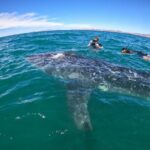
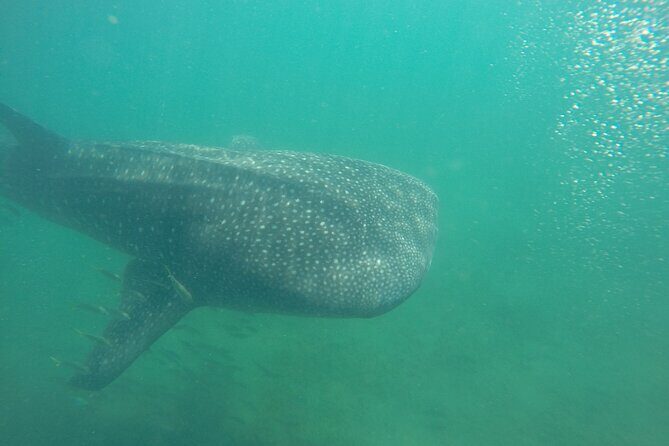
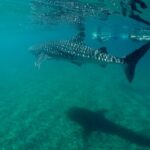
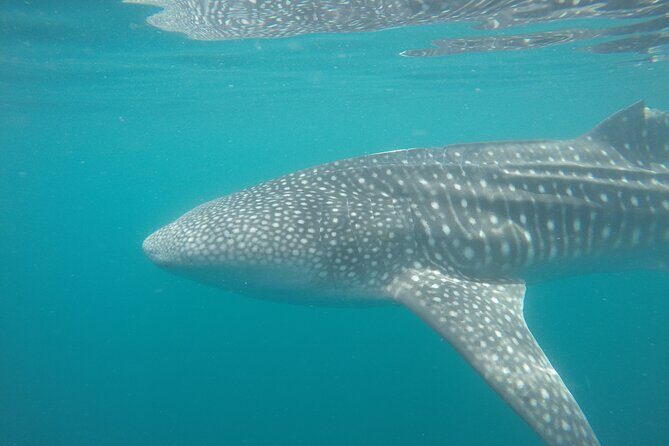
- In-the-Water Rotations: What It Feels Like to Swim Beside Them
- Keeping up with the whale shark
- Safety and confidence
- Gear and Rentals: Snorkels, Wetsuits, and What’s Missing
- Wetsuits can matter
- Towel and personal comfort
- Snacks, Clean Water, and the Small Eco Choices
- The Guides: Where the Experience Gets Serious
- Price and Value: Is $131.43 Worth It?
- Weather, Visibility, and the Who-Should-Go Filter
- The One Practical Packing List That Saves Your Trip
- Should You Book This Whale Shark Snorkel Tour?
- FAQ
- How long is the La Paz whale shark snorkeling tour?
- What time does the tour start?
- Where is the meeting point?
- How many people are on the tour?
- What language is the tour offered in?
- What’s included in the price?
- Is transportation from my hotel included?
- Do I need to bring a towel?
- Is WiFi provided on board?
- What happens if weather is bad?
The Big Win: Respect for the Animals
What makes this tour stand out is how much effort goes into doing it right—clear safety routines, respectful spacing, and a captain + guide system built around getting different groups into the water. That said, there’s some unpredictability baked in: if visibility is murky or the sharks are moving, your comfort level matters more than you’d think.
Key Highlights (What You’ll Remember)
- Rotations in small groups (up to 20 total) so you get multiple turns in the water
- Guides like David (marine biologist) and Diego help you approach safely and confidently
- Fins matter: using the tour’s dive fins can make keeping up much easier
- Snack + purified water setup (no bottled water) keeps you fueled without extra waste
- You pass the dunes of the mogote on the way, but the day stays focused on the sharks
- Maximizing time with the animals means the route adjusts fast once a whale shark is spotted
You can also read our reviews of more whale watching tours in La Paz
Whale Shark Snorkeling in La Paz: Why This Tour Hits Different
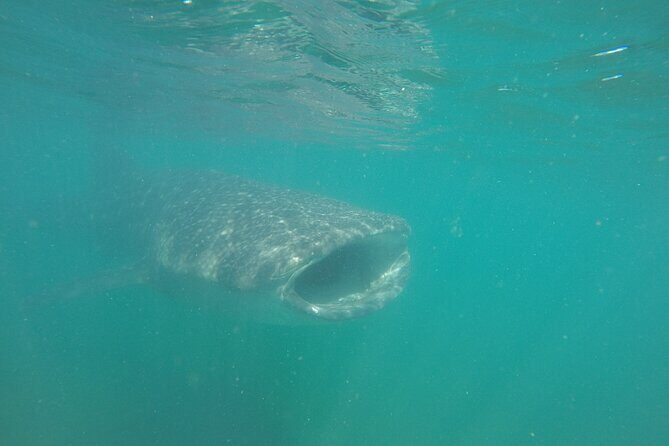
La Paz is one of the best places on Earth to see whale sharks, and this tour is built around the same idea that makes whale sharks special: they’re wild. That means your day follows their pace. You’re not just getting a ticket to an experience—you’re joining a guided search, then switching gears quickly to time in the water once the animals appear.
I like that the day stays anchored in one goal: get as much time as possible with the sharks. Instead of making a bunch of stops, the boat cruises while the crew scans. One route detail you’ll notice is that you pass in front of the dunes of the mogote, but you don’t stop. It’s a small thing, yet it explains the whole strategy: limited time is spent where it matters—on the water with the whale sharks.
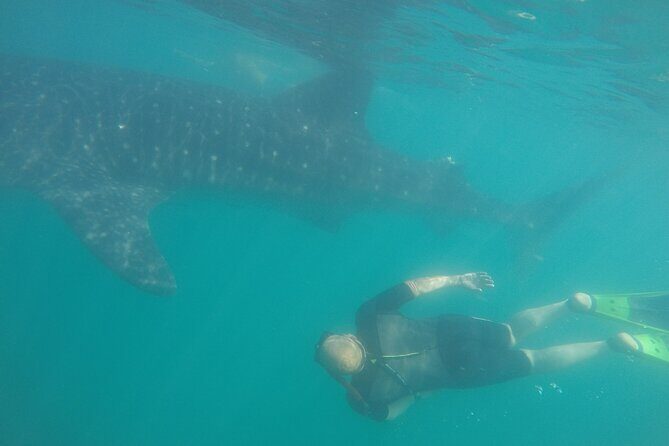
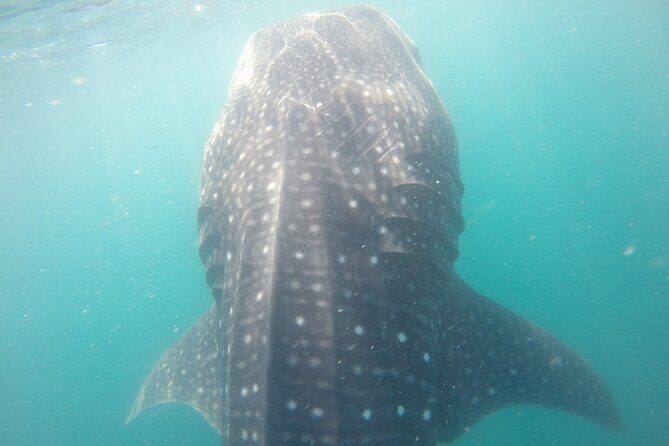
If you’ve never snorkeled near a whale shark, it’s hard to fully understand the scale until it’s right there. People don’t only watch—they have to manage breathing, balance, and positioning while swimming beside an animal that moves like a gentle current with intention. This tour’s rotation system helps you get those moments without feeling stuck waiting forever.
Getting Started at Muelle Fiscal: Timing and How the Morning Flows
This tour meets at Muelle Fiscal, Paseo Álvaro Obregón 220, Malecón, Zona Central (23000 La Paz, B.C.S.), starting at 9:30 am. The activity ends back at the same meeting point, so you’re not dealing with the usual end-of-day confusion that comes with far-flung drop-offs.
Most days feel efficient. In practice, you’ll see a fast transition from dock to boat. One recent pattern described a meet at 9:30, leaving by about 9:50, and then returning in the early afternoon (around 1:15). That roughly matches the typical 2–4 hour duration. In other words: you’re not giving up your whole day, but you also shouldn’t treat it like a quick half-hour photo stop.
What I’d plan for:
- arrive a few minutes early so you can check in calmly
- set aside time to gear up (snorkel setup and any rentals)
- be ready to swim when your group is called
Also, this tour is offered in English, and it’s capped at 20 travelers. That size matters once you’re in the water: the guides can actually run the day with manageable rotations and clear instruction.
The Boat Route and the Dunes of the Mogote (No Stop, Just Search)
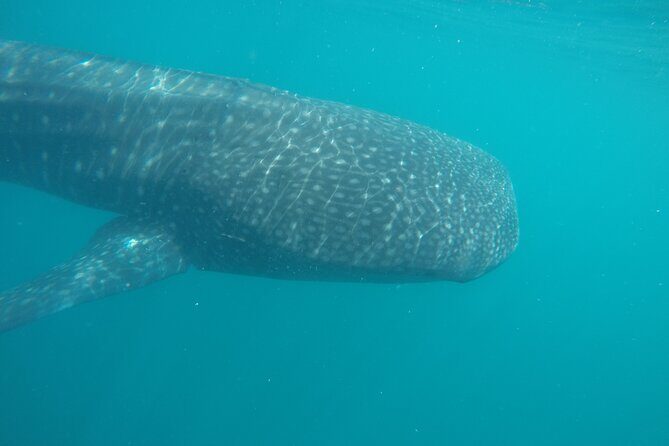
Here’s the part that surprises people: before you ever touch the water with a whale shark, you’ll be scanning. The crew keeps the boat moving while they look for whale sharks in the bay. You may pass scenic coastal landmarks along the way—one described stop is that you go in front of the dunes of the mogote—but you don’t stop there because time is limited.
That means the “itinerary” feels more like a living plan than a fixed one. When whale sharks are spotted, the day shifts into high-focus mode. When they aren’t, the crew prioritizes continuing the search so you’re not stuck drifting or waiting in one spot.
There’s a tradeoff here. If you’re the kind of person who likes long boat sightseeing windows, this tour doesn’t pad the day with extra stops. If you’re laser-focused on whale sharks, that’s actually a plus.
In-the-Water Rotations: What It Feels Like to Swim Beside Them
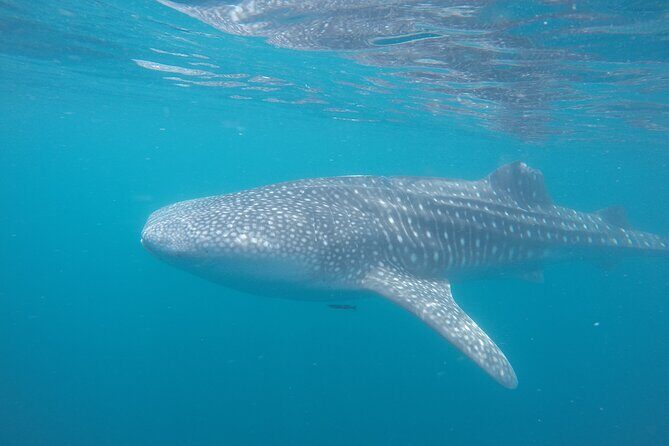
This is where you’ll either fall in love—or decide you were aiming for the wrong kind of snorkel.
The tour uses a rotation system so multiple groups get time with the whale sharks. On one day, the group broke into four groups, and each group got three separate turns in the water. Another account described multiple close encounters where guides helped people take turns until everyone who wanted in had a fair shot.
That structure does two things for you:
- It reduces crowding in the water at any one time.
- It keeps the day moving when the sharks are changing position.

Keeping up with the whale shark
A recurring theme is that whale sharks don’t always feed slowly. If they’re not “in place,” you may need to swim fast enough to stay nearby. That doesn’t mean you’re racing the shark, but it does mean you shouldn’t plan on a super leisurely pace.
One helpful practical tip: use the tour’s dive fins if they provide them in the way described. People found that their own snorkel fins weren’t efficient enough to keep up. Even if you’re confident in the water, the right fins can turn a stressful effort into steady, manageable swimming.
Safety and confidence
You’ll also feel the crew’s control. Multiple guides are known for clear, calm instruction, and the whole system revolves around putting you in the right spot at the right time. People often mention feeling safe when getting in and out, and they highlight the guides’ attention to matching the shark’s position with swimmer groups.
One more reality check: water conditions can vary. You might hit a day with murky water. If visibility isn’t perfect, expect more reliance on what you can see near the surface and on the guides’ spotting.
Gear and Rentals: Snorkels, Wetsuits, and What’s Missing
What’s included:
- Snorkeling equipment (listed as included)
- All fees and taxes
- Snacks
- Purified water served in glasses and a container (no bottled water)
What’s not included:
- transportation from your hotel
- towel
- WiFi on board
- alcoholic beverages
- and there’s a note about snorkeling equipment costing MX$200 per person (while the tour also states snorkeling equipment is included). This is one of those “double-check before you go” details. If you care about certainty, ask at booking or when you check in.
Wetsuits can matter
Even when snorkeling gear is provided, wetsuits can change your comfort. Several accounts mention renting a wetsuit, often a shorty style, and using it to make swimming easier and more streamlined (with extra warmth and flotation help). Rental pricing is mentioned in different amounts, so don’t treat any one number as universal—check on-site.
My practical advice: if you run cold or you want easier movement, ask about wetsuit availability at the meeting point. If you’re already warm-weather comfortable, you may still find it easier to keep pace.
Towel and personal comfort
Because towels aren’t included, bring one. It’s simple, but it prevents that uncomfortable “drying off with whatever you have” scramble.
Snacks, Clean Water, and the Small Eco Choices
This tour includes snacks, and it also avoids bottled water. You’re served purified water in glasses from a container. That’s a smart little move for two reasons: it reduces waste and it keeps hydration simple without you buying extra water you’ll probably forget to drink.
The snack situation is also part of why the tour feels good even if your stomach is a little unsettled. You’re out in the morning and back early afternoon, and you’ll want something in your system after repeated time in the water.
If you’re picky about timing, plan to eat something light before you go. The included snacks help, but you don’t want to start the day hungry.
The Guides: Where the Experience Gets Serious
This is not just a “here’s a snorkel, good luck” trip. The guides are central to how smoothly it runs.
You may meet guides such as David (described as a marine biologist), and also Diego, Gustavo, and Raulio. Captains mentioned include Angel. Across the accounts, people consistently talk about the guides being respectful of the animals, clear with instruction, and able to answer questions.
Here’s what that means for you:
- You’ll learn how to approach without stressing the whale sharks.
- You’ll get help positioning in the water.
- You’ll understand what you’re seeing (so it isn’t just a wow moment that fades).
And you’ll notice the crew’s coordination. The system described—where guides manage swimmers and the captain follows the shark’s path to bring different groups in—shows they’re planning around movement, not guessing.
Price and Value: Is $131.43 Worth It?
At $131.43 per person, this isn’t a “cheap and cheerful” excursion. But it can feel fair because a lot is already covered: fees and taxes, snorkeling equipment, and snacks, plus that water setup with no bottled plastic.
So the real value question becomes: are you getting enough in-water time for the money?
In practice, many people report multiple turns in the water with close encounters and more than one whale shark. Rotation matters because you’re not only seeing them—you’re experiencing them from the water repeatedly. That “time with animals” is what you’re paying for.
What might change the value for you:
- If you’re not a strong swimmer, you might have trouble keeping up, and your personal enjoyment could drop.
- If conditions are murky, you might get fewer crisp “camera moments” even if encounters still happen.
- If you end up needing extra rentals (towel won’t be rental, but wetsuit or extra items may be), budget a bit for comfort.
If you’re prepared to swim and you want that close, memorable experience, this price can make sense.
Weather, Visibility, and the Who-Should-Go Filter
This tour needs good weather to run. If weather is poor, you’ll be offered another date or a full refund. On a nice day, whale shark snorkels can feel smooth and almost unreal.
But here’s the filter that really matters: moderate physical fitness is listed, and the accounts make it clear that swimming ability helps. One person described needing to be a fairly decent swimmer. Another warned that if whale sharks aren’t feeding slowly, you might struggle to keep pace.
You’ll likely enjoy this most if:
- you can swim with confidence while wearing fins
- you’re comfortable doing short bursts of effort
- you don’t mind that your day depends on where the sharks are
You might want to reconsider if:
- you’re uncomfortable swimming steadily without holding onto something
- you want slow, stationary snorkeling
- you’re planning to rely on others to match your pace
Also, remember: some people in the water rotated more comfortably than others. The system supports different comfort levels, but it still expects you to be able to handle the water and the fins.
The One Practical Packing List That Saves Your Trip
Based on what’s missing and what helps, pack with intention:
- towel (not included)
- comfortable swim gear under your snorkel setup
- any personal reef-safe sunscreen you prefer
- swim fins only if you’re confident in them; otherwise use the tour’s recommended setup
- if you run cold: ask about renting a wetsuit
- a simple dry bag or waterproof pouch for your phone and passport
If you don’t bring a towel, you’ll feel it at the end. If you show up without swim confidence, you might feel rushed once your group goes in.
Should You Book This Whale Shark Snorkel Tour?
Here’s my honest take: if you want a classic La Paz bucket-list experience and you’re willing to swim well enough to stay near the action, I think this tour is a strong choice. The best part is the hands-on, guided in-water time, with crews like David and Diego helping you approach responsibly, and with a rotation system that spreads encounters across the day.
Book it if:
- you’re comfortable swimming with fins and staying close to a moving animal
- you want a small, controlled group (max 20)
- you like knowing you’ll have snacks and purified water covered
- you’re okay with limited “extra stops” because the day stays focused on whale sharks
Consider skipping or choosing a gentler option if:
- you’re not a confident swimmer
- you’re expecting mostly passive snorkeling
- you know you get stressed in active water situations
If your main goal is whale sharks and you can handle the physical side, this tour delivers the kind of up-close marine experience you’ll talk about for years.
FAQ
How long is the La Paz whale shark snorkeling tour?
It runs about 2 to 4 hours.
What time does the tour start?
The start time is 9:30 am.
Where is the meeting point?
You meet at Muelle Fiscal, Paseo Álvaro Obregón 220, Malecón, Zona Central, 23000 La Paz, B.C.S., Mexico.
How many people are on the tour?
The tour has a maximum of 20 travelers.
What language is the tour offered in?
The tour is offered in English.
What’s included in the price?
Included: all fees and taxes, snorkeling equipment, and snacks. You’ll also have purified water served in glasses (not bottled water).
Is transportation from my hotel included?
No. Transportation from the hotel is not included.
Do I need to bring a towel?
Yes. A towel is not included.
Is WiFi provided on board?
No. WiFi on board is not included.
What happens if weather is bad?
This experience requires good weather. If it’s canceled due to poor weather, you’ll be offered a different date or a full refund.