REVIEW · OAXACA CITY
full day tour : Boil the water, Teotitlan, Mezcal, tule and Mitla
Book on Viator →Operated by Oaxacatours · Bookable on Viator
An all-day Oaxaca cultural sprint with real payoff. This tour strings together ancient Mixtec-Zapotec stonework, wool-and-dye craftsmanship, mezcal tasting, and the dramatic natural pools at Hierve el Agua—without you having to plan a thing.
I love the way Mitla connects symbols and stone—down to the God of death, Mictlantecuhtli. I also like the Teotitlán wool rug process, where you get to see how natural dyes are made and used on domestic looms.
One possible drawback: it’s a long day with a tight schedule. If you want unhurried shopping or a deep, local-only mezcal experience, you might feel rushed at the factory-style stops.
In This Review
- Key points to know before you go
- How the 8:30 a.m. start shapes your day
- Mitla: geometric ruins tied to Mictlán and Lyobaá
- Teotitlán del Valle textiles: where the dyes actually have names
- Mezcal distillery time: production steps and tasting (plus the creams)
- Hierve el Agua: the boiling-water legend and the swim-ready pools
- Lunch at Donají: refuel, but don’t count on long lingering
- El Tule tree: Santa María del Tule is short and worth it
- Pacing and sound: what the long day feels like in real life
- Value check: is $41.73 really a good deal?
- Who should book this tour, and who should skip it
- My booking advice for this Mitla–Teotitlán–Mezcal–Tule day
- FAQ
- What is the tour duration?
- How much does the tour cost?
- Where does the tour start?
- What language is the tour in?
- What’s included in the price?
- What’s not included?
- Is there an admission fee at all stops?
- How many people are on the tour?
- What should I bring for the day?
- Is this tour suitable for everyone in terms of physical activity?
Key points to know before you go
- 11 hours and a lot of driving: expect a full-day rhythm and plan for early starts and slow moments where you can
- Mitla’s geometric world: you’re walking through a site tied to death and rest, with lots to notice
- Teotitlán textiles with named dyes: indigo, cochineal, and even moss-based pigments come up
- Mezcal tasting plus mezcal creams: you’ll see production steps and try different varieties
- Hierve el Agua is the wow stop: bring a swimsuit if you want to swim in the natural pools
- Small group size (max 20) with a bilingual guide: easier questions, but still a quick pace
How the 8:30 a.m. start shapes your day
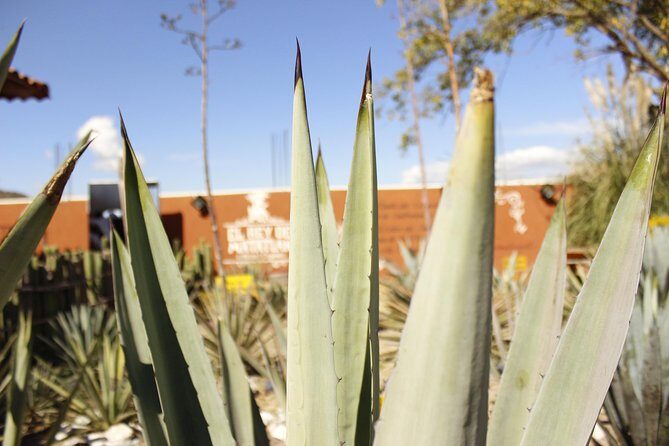
This is a true full-day tour, usually about 11 hours, starting at 8:30 a.m. from Quinta Real 5 de Mayo (300 Ruta Independencia, Centro). You end back at the same meeting point, so you’re not stranded across town.
You’ll travel in an air-conditioned vehicle with a bilingual guide and a group capped at 20 people. That matters because more time inside a van means you’ll feel the pace. When the day is tight, clear audio and a steady guide voice help a lot—some past groups have mentioned hearing issues on the microphone, so if you’re sensitive to that, bring patience and try to sit closer to the front.
What to pack is simple and practical. The tour strongly recommends: a cap, sunglasses, sunscreen, comfortable walking shoes, a water bottle, and a light sweater for the ride. For Hierve el Agua, also think swimsuit and a small cash stash for any site fees and snacks.
A few more Oaxaca City tours and experiences worth a look

Mitla: geometric ruins tied to Mictlán and Lyobaá
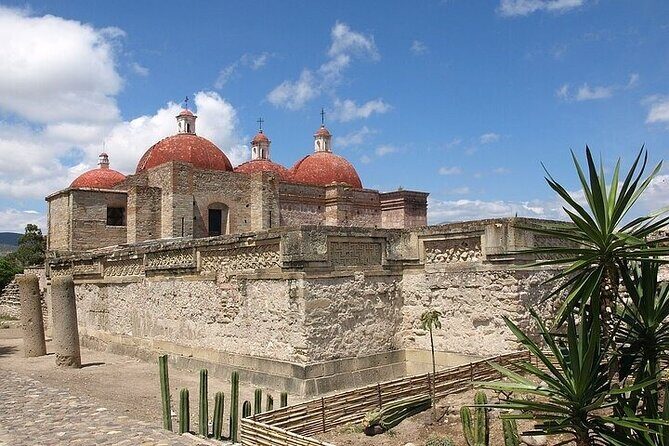
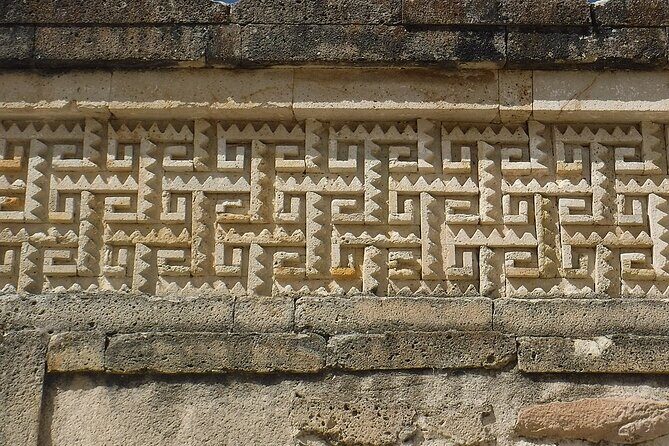
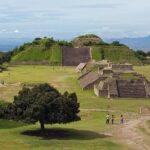
Mitla is where the day gets serious—ancient, symbolic, and visually loud in the best way. This stop takes about 1 hour, and it’s built around the archaeological zone of Mitla with its famous geometric figures and decorated stonework.
Mitla’s name is linked to the Nahuatl Mictlán, meaning place of the dead or underworld. In Zapotec, you’ll hear Lyobaá, often described as place of rest. The tour context also connects the site to Mictlantecuhtli, the God of death. Even if you don’t know the mythology, the guide’s explanation helps you read the patterns in the architecture instead of just snapping photos.
A heads-up on timing: the tour suggests going before breakfast (or at least not treating this like a late-morning stop). It’s easier to enjoy the site when you’re not already drained by sun and heat. Also note that admission is not included at this stop, so bring cash or plan for tickets at the site.
Teotitlán del Valle textiles: where the dyes actually have names
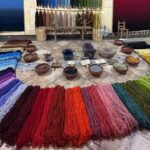
Teotitlán del Valle is the culture hit that feels hands-on. The tour focuses on wool rugs made on domestic looms and how natural pigments are used for coloring.
The dye lesson is one of the most useful parts of this stop. You’ll hear about natural sources like indigo, cochineal, and moss of the stone as part of the pigmentation story. That might sound like trivia, but it’s the kind of detail that makes souvenirs more than random purchases. If you’re the type who likes to buy something you can explain later, this is your moment.
This stop is listed as admission free and is a shorter time block—so don’t plan on long wandering. Some visitors have found the experience more like a textile demonstration than a free-form exploration of the town itself. If what you want is quiet streets, café time, and slow village life, you might want a different plan. If what you want is process and technique, you’re in the right place.
Mezcal distillery time: production steps and tasting (plus the creams)
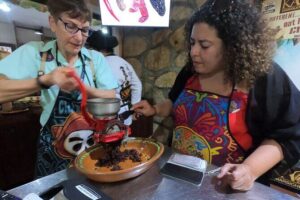
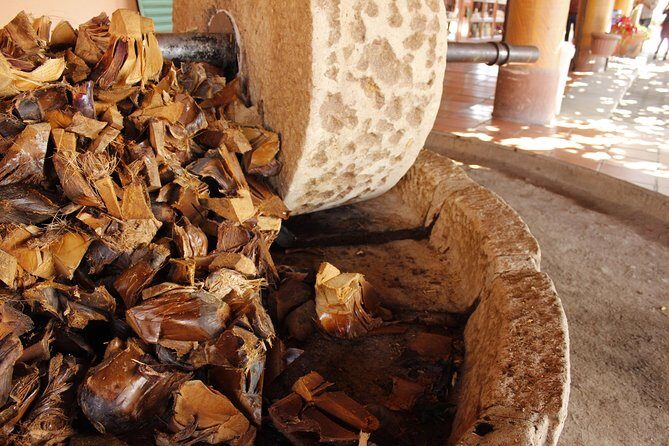
Next up is mezcal, and this is where opinions can split. You’ll visit a mezcal factory area to see the process of making mezcal and then taste different varieties. The tasting also includes creams of mezcal, which is worth knowing because it changes the flavor profile a lot compared with sipping straight mezcal.
This stop is about 1 hour and admission is not included. It’s also where you can run into the factory-tour reality: some people love that it’s structured and easy. Others feel it’s geared toward quick bus-stop tasting and shopping.
Here’s how to make it work for you. Go with curiosity, not expectations of a tiny family farm. Ask the guide what you’re tasting and why—the agave type, how it’s processed, and what makes the different bottles distinct. If you’re planning to buy mezcal, treat it like shopping with guardrails: compare labels, don’t feel pressured to buy on the spot, and decide later if you can.
Hierve el Agua: the boiling-water legend and the swim-ready pools
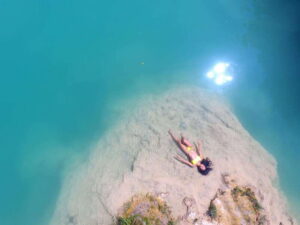
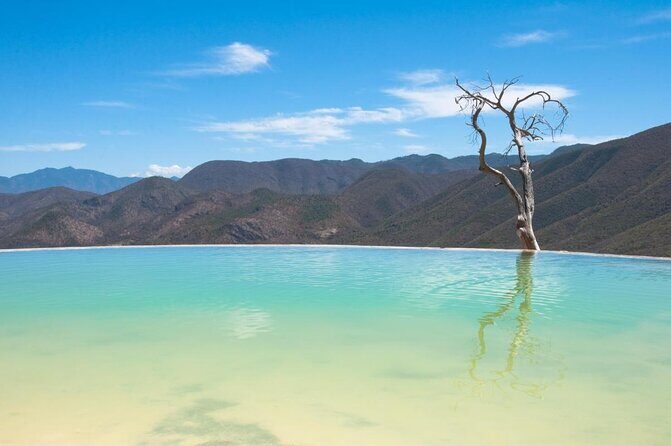
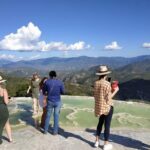
Hierve el Agua is the natural attraction that people talk about long after the tour ends. The setting is what matters: natural pools with dramatic, sunlit views that are strong enough to make the drive worth it.
Bring the right gear. It’s common sense, but it’s also a real tip from how the day plays out: bring a swimsuit if you want to get into the water. You’ll also want a bottle of water and something to protect you from heat. This place can feel exposed, and the day is already long.
One practical caution: it can be easy to get turned around or wander too far during the hot hours, even when you think you’re just walking a bit for photos. A guide can’t always hover every step, so pick a clear plan: see the viewpoint, find the pool area you want, and don’t overdo extra hiking when you’re tired.
If you’re watching your budget, remember that admission is not included at this stop. Bring cash or expect to pay on site.


Lunch at Donají: refuel, but don’t count on long lingering
Lunch happens at Donají, with about 1 hour and time set aside for you to eat. This is one of those “you’ll appreciate it more when you need it” moments. By then, you’ve hit ruins, textiles, and mezcal production time.
Food can be hit-or-miss depending on personal taste. Some people have said the buffet isn’t their favorite, while others were fine with it and were glad for a full meal after a busy day. My advice is to treat lunch as energy, not as the highlight. Eat, hydrate, and keep your eyes open for snacks or small purchases that might be available at stops like Mitla.
Also, keep some cash handy. You’ll likely want it for entrance fees at the non-included sites and for small extras.
El Tule tree: Santa María del Tule is short and worth it
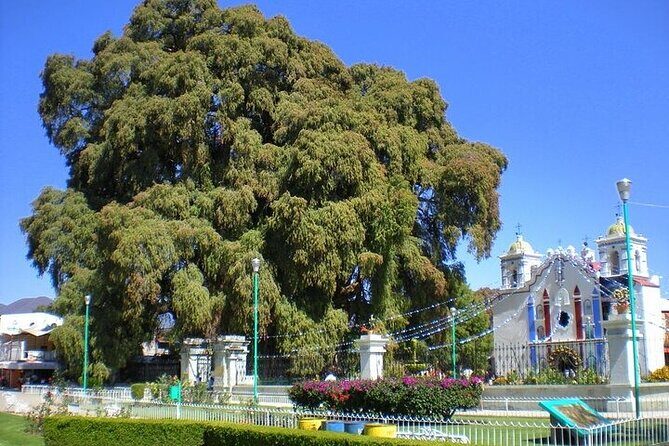
The stop at Santa María del Tule is about 30 minutes. It’s quick, and that’s okay because the draw is obvious: you’re there to see one standout thing—the legendary tree associated with El Tule.
A short visit has one advantage: it’s harder to waste your day in logistics. You get in, you take in the tree, and you move on. Bring sunscreen and water here too. In the midday sun, even a short stop can feel long.
This stop is listed as admission free, which helps the overall value.
Pacing and sound: what the long day feels like in real life
This tour packs a lot into about 11 hours, and that creates a specific travel mood: you’re constantly transitioning. Past groups have described it as well organized and also described it as rushed at times. Those experiences usually come down to two things:
1) How much you want to linger at any one place
If your favorite part is one single site—say, Hierve el Agua—you might wish you had more time there instead of compressing everything into a checklist.
2) How well the guide audio carries in the van
A microphone that works well makes the history part smooth. If it doesn’t, you lose details. Even with great content, you can only absorb what you can hear.
If you’re the kind of person who likes structure, you’ll probably enjoy this format. If you hate rushing, go in with a “good enough is fine” mindset and focus on the big scenes.
Value check: is $41.73 really a good deal?
At $41.73 per person, this tour is positioned as strong value. You’re paying for a bilingual guide, transportation, an air-conditioned vehicle, and travel insurance, plus the convenience of a full-day route that stitches multiple destinations together.
The main trade-off for the bargain price is that food and tips aren’t included, and site admissions aren’t included for some stops. Based on the tour details, admission is not included at Mitla and at Hierve el Agua, and the mezcal stop is also listed as not included. That means your day cost can rise depending on what fees are due.
Even so, the tour still tends to make sense for first-time Oaxaca visitors. You get outside-the-city stops you’d otherwise piece together with taxis or separate tours. The group size (max 20) also keeps it from feeling like a cattle-car experience.
So, who is it best for on value? People who want one ticket, one guide, and a day packed with big sights—then a couple of hours of decompression afterward.
Who should book this tour, and who should skip it
Book it if you:
- want multiple Oaxaca highlights in one day without planning
- like history explanations at Mitla, not just photos
- enjoy learning about natural dyes and the wool rug process in Teotitlán
- want the “wow” factor of Hierve el Agua and are ready for a long day
- prefer guided structure over navigating alone (especially in heat)
Consider skipping or adjusting your expectations if you:
- only care about one main event and want hours, not minutes
- want a very small, hands-on mezcal connection with local producers (this route is more factory/tasting style)
- hate shopping stops or don’t want to see textiles and mezcal before nature
One more tip: if you’re sensitive to being rushed, pick a time of year and day where traffic is predictable. Oaxaca can have heavy parade days, and that can affect timing.
My booking advice for this Mitla–Teotitlán–Mezcal–Tule day
If you want a single, efficient Oaxaca day that gives you ruins, craft, spirits, and natural pools, I think this tour is a smart buy. The best parts tend to be Mitla’s symbolism and Hierve el Agua’s scenery. If you can handle a schedule that moves often, you’ll likely walk away feeling like you got your money’s worth.
But if you want slow travel, deep producer stories, or lots of unscheduled wandering time, you’ll probably prefer a more flexible plan where you can spend longer at just one or two places.
FAQ
What is the tour duration?
It runs for about 11 hours (approx.).
How much does the tour cost?
The price is $41.73 per person.
Where does the tour start?
It starts at Quinta Real 5 de Mayo, 300 Ruta Independencia, Centro, Oaxaca de Juárez.
What language is the tour in?
The tour is offered in English, with a bilingual guide.
What’s included in the price?
Transport by air-conditioned vehicle, a bilingual guide, and travel insurance are included.
What’s not included?
Food and propinas (tips) are not included, and admission tickets for some sites are also not included.
Is there an admission fee at all stops?
Not all stops require admission. The tour details list some stops as free, while others are marked as admission not included.
How many people are on the tour?
The group size is capped at a maximum of 20 travelers.
What should I bring for the day?
Bring a cap, sunglasses, sunscreen, comfortable shoes, a light sweater, and a bottle of water. For Hierve el Agua, a swimsuit is a smart idea.
Is this tour suitable for everyone in terms of physical activity?
The tour notes a moderate physical fitness level is recommended.