REVIEW · MEXICO CITY
From Mexico City: Puebla, Cholula, and Tonantzintla with Optional Typical Lunch
Book on GetYourGuide →Operated by Trekzy · Bookable on GetYourGuide
Cholula, Tonantzintla, and Puebla in one long day is a smart way to pack in a lot of Mexico without losing the personal feel of a guided walk. What makes it interesting is the contrast: a massive pre-Hispanic pyramid, a church where European Baroque meets indigenous symbolism, then Puebla’s cathedral-and-market colonial vibe. I especially like how the tour keeps moving at a pace that still leaves time for photos and browsing, not just checklists.
I also like the human touch of the guiding team: bilingual guides such as Rene and Ara are described as organized, energetic, and quick to help (even with practical stuff like a phone nearly dead). The biggest thing to consider is timing: the Tonantzintla church can be affected by service hours, so entry isn’t always guaranteed, and you’ll also want to be ready for some walking on uneven ground and sun exposure.
In This Review
- Key things to know before you go
- Starting in Mexico City: early meet-up and a long ride worth it
- Cholula’s Great Pyramid: Quetzalcoatl, big views, and photo time
- Tonantzintla’s Santa María: Baroque meets indigenous symbols
- Puebla’s historic center: cathedral scale and the Rosary Chapel stop
- Mercado de Parián: where crafts feel local instead of generic
- Lunch in Puebla: chiles en nogada and cemitas when you choose the option
- The guides and drivers: why the day feels smooth
- Fitness, walking, and sun: the trade-off for seeing three cities
- Price and value: what $85 buys you in one packed day
- Practical tips to make this day feel easier
- Should you book this tour?
- FAQ
- What time and where do I meet the guide?
- How long is the tour?
- Is lunch included?
- What languages is the tour guide available in?
- Is the tour wheelchair accessible?
- What documents do I need to bring?
Key things to know before you go
- Great Pyramid of Cholula: photo time plus time on site, with history tied to Quetzalcoatl
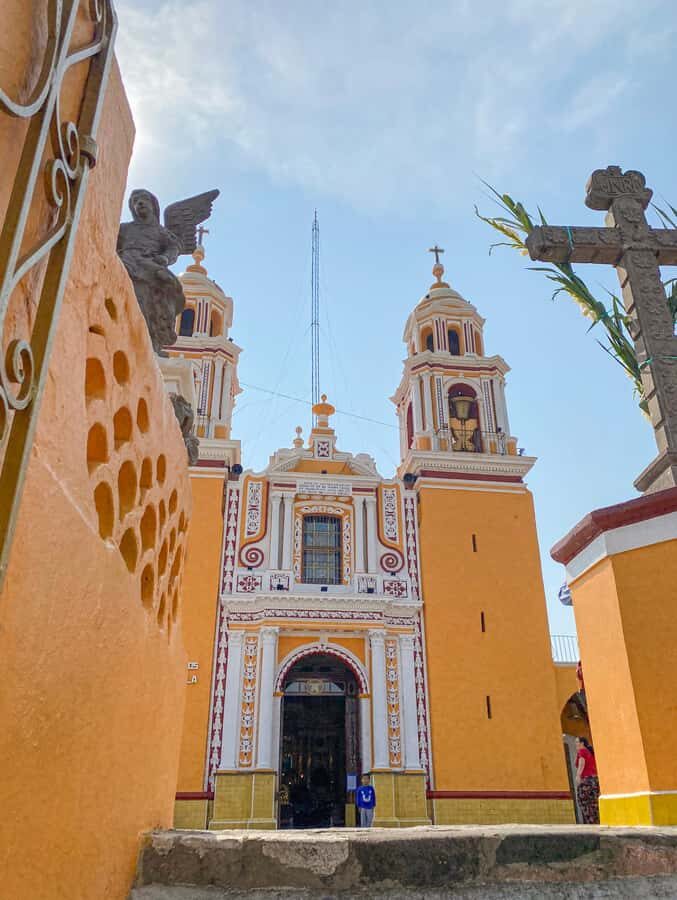
- Santa María Tonantzintla: one of the most striking interiors you’ll see in the region, mixing Baroque and indigenous motifs
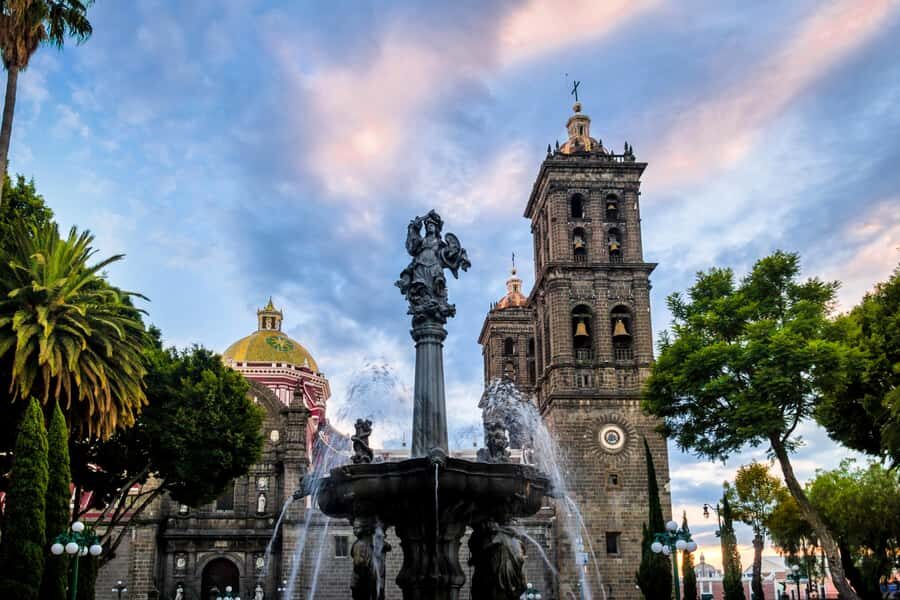
- Puebla’s historic center: cathedral views and a stop for the Chapel of the Rosary
- Mercado de Parián: a focused craft market stop for souvenirs beyond the usual
- Optional Puebla lunch: chiles en nogada or cemitas when you choose the food option
- Moderate walking, uneven terrain: plan for uphill streets and bring sun protection
Starting in Mexico City: early meet-up and a long ride worth it
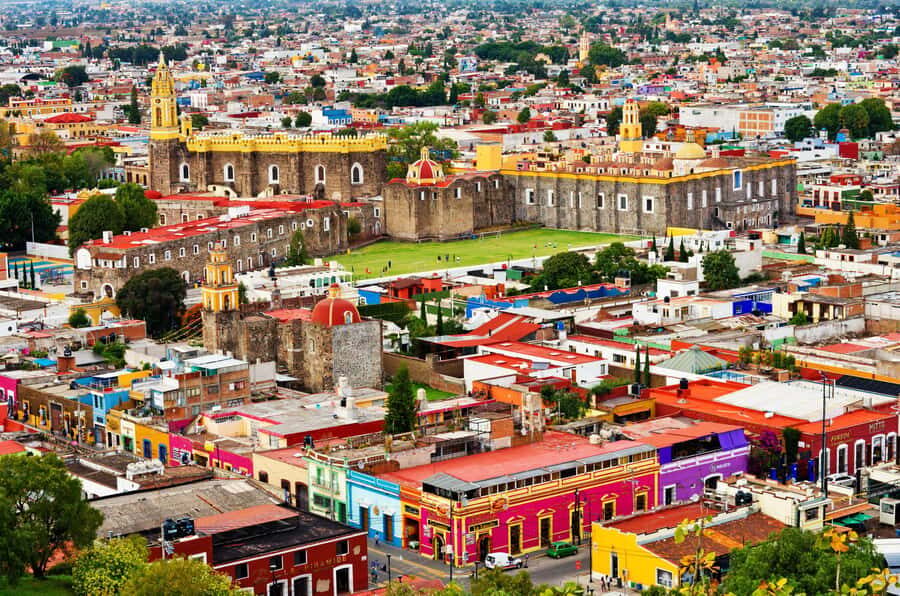
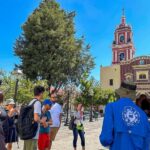
This tour runs as a full day, and it starts early. You meet your guide at Calle Isabel la Católica 61-A in Mexico City’s Historic Center at either 6:20 a.m. or 8:10 a.m., depending on the start time you choose. Look for a guide with a blue backpack, shirt, or umbrella.
Once you’re aboard, expect a round-trip coach/bus day with a couple of travel stretches. That matters because you’re not just visiting one place—you’re covering Cholula, Tonantzintla, and Puebla—so the schedule is built around efficient driving, then concentrated time on foot.
If you choose the option with hotel pickup (private tour style), it can be easier on your morning. The pickup is coordinated based on your hotel address, and if your hotel sits outside the pickup area, you’ll be directed to a nearby meeting spot. The goal here is simple: get you moving without wasting time hunting for the meeting point.
You can also read our reviews of more city tours in Mexico City

Cholula’s Great Pyramid: Quetzalcoatl, big views, and photo time
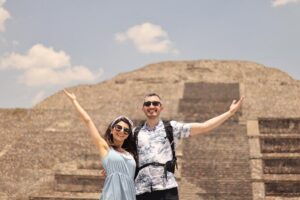
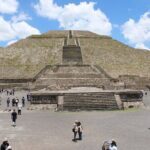
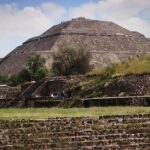
Cholula is where the day grabs you right away. The main draw is the Great Pyramid of Cholula, dedicated to Quetzalcoatl. It’s famous for being the largest pyramid in the Americas, and even if you don’t count yourself as a “pyramid person,” the scale is hard to miss.
The tour gives you multiple moments to experience it:
- a viewpoint photo stop to frame the area,
- then a longer on-site window that includes time to see the site plus guidance and free time for photos.
One practical thought: Cholula streets and routes can involve some uphill walking, and sun can feel intense. If you’re doing the tour in warm months, pack for heat even though the day starts early.
I also like that the guide’s job here isn’t just to point at the pyramid. The best value comes when someone explains what you’re looking at and why it matters, then leaves you with enough time to look again on your own—especially if you want to take photos from different angles.
Tonantzintla’s Santa María: Baroque meets indigenous symbols
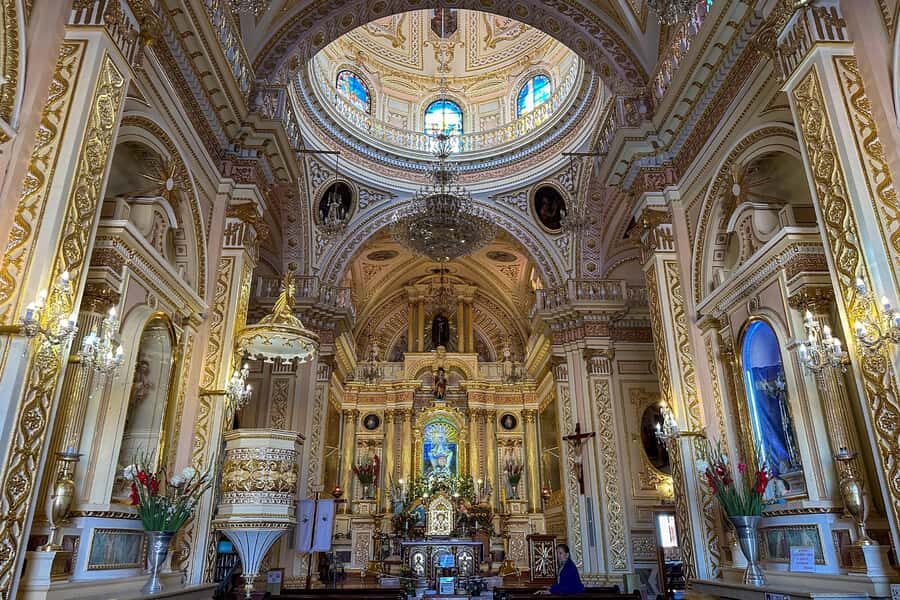
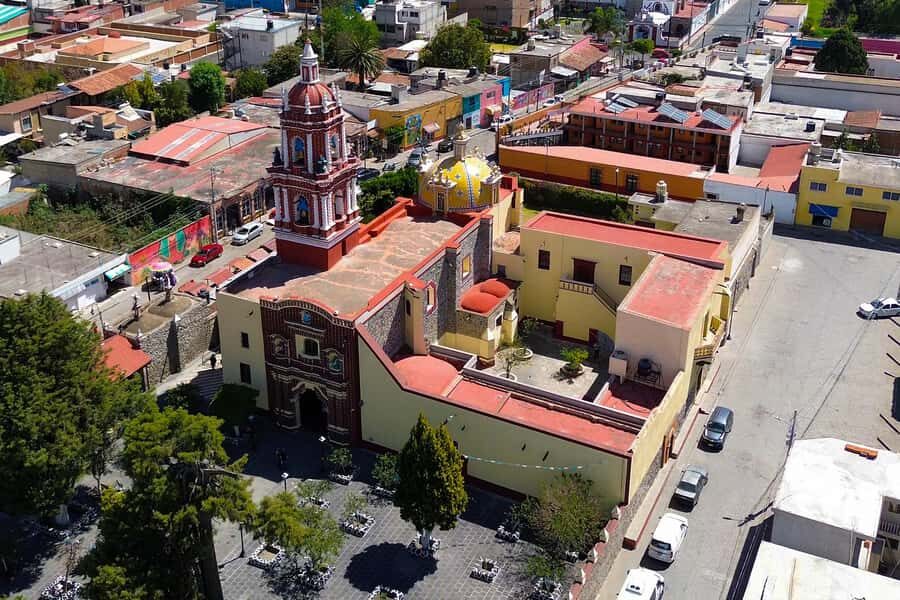
Next comes Santa María Tonantzintla, and this is the stop that many people remember first. The church is known for blending two worlds: European Baroque art and indigenous symbols. The result is visually intense—especially inside—because the décor isn’t subtle. It’s the kind of place where you keep noticing small details after you think you’ve already taken it in.
You’ll have a guided visit here, so you’re not stuck just staring at walls with no context. The guidance matters because the meaning behind the decoration is part of the experience, not an optional extra.
Here’s the one catch: service time can affect entry. One traveler was unable to get into the church because it was time for a mass. That doesn’t mean the tour is poorly run—it just means you should build in flexibility. If entry is limited when you arrive, you’ll still get the benefit of being on location and understanding the site, but the exact access can vary by schedule.
If you want the most out of it, show up with the mindset that Tonantzintla is a “slow down and look closely” place. Even a short interior viewing (when possible) can feel like a whole lesson in art and belief.
Puebla’s historic center: cathedral scale and the Rosary Chapel stop
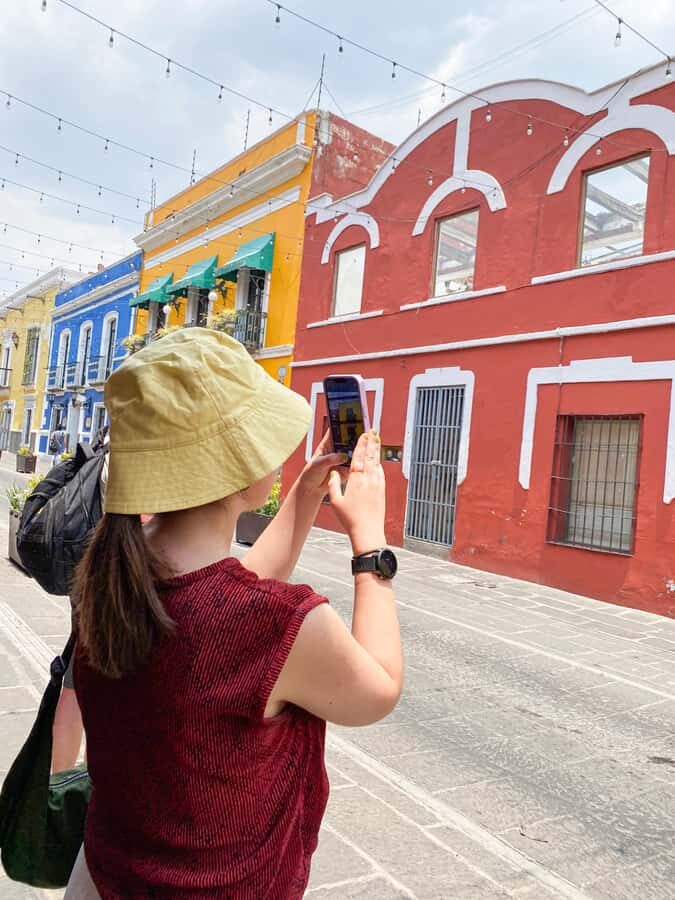
Then it’s Puebla. This part of the day is about colonial architecture and street-level atmosphere.
In Puebla, you’ll have a mix of:
- photo time for key viewpoints,
- visits guided by your bilingual guide,
- and free time to stroll and absorb the city at your own pace.
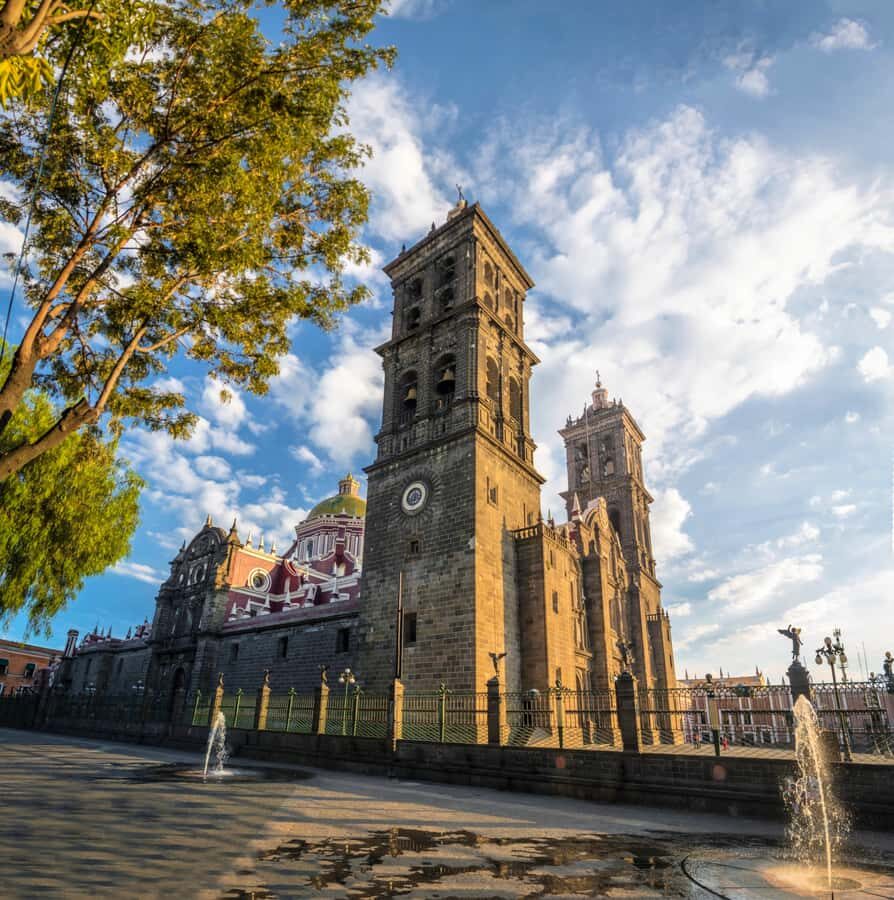
The tour highlights major landmarks such as Puebla Cathedral and the Chapel of the Rosary. Both are worth your attention for different reasons. The cathedral hits you with its grand presence, while the Rosary Chapel stop gives you another angle on Puebla’s religious and artistic identity.
What I like about this structure is that you get guidance to connect the buildings to the city’s story, then you get time to walk the surrounding streets yourself. That free time is where you start noticing the details—doorways, tilework, the rhythm of the streets—without feeling rushed.
Also, Puebla’s vibe can be a welcome change after the more concentrated feel of Cholula and the church interior at Tonantzintla. It’s more open-air, more strolling, and easier to stretch your legs if you pace yourself.
Mercado de Parián: where crafts feel local instead of generic
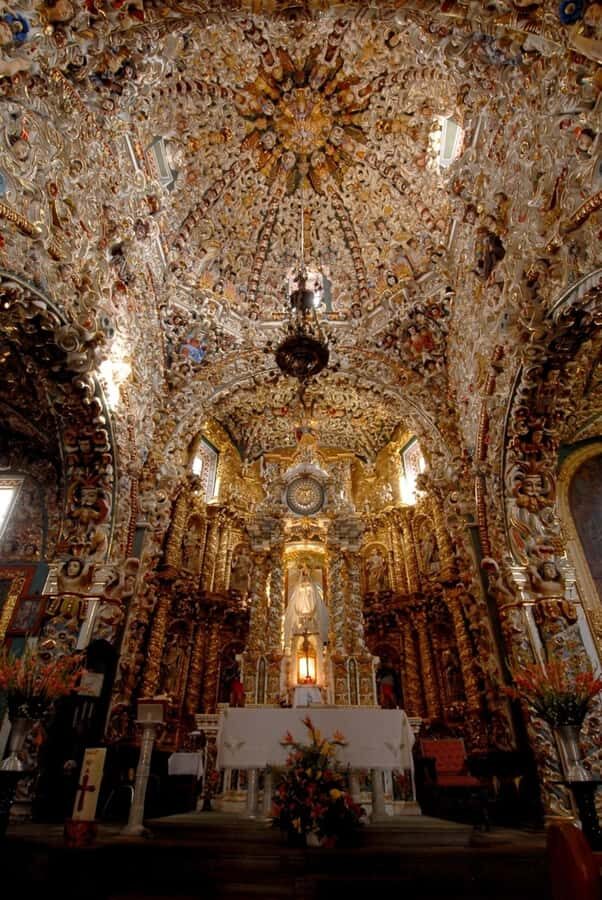
If you like souvenirs that don’t feel like they came off the same conveyor belt, don’t skip Mercado de Parián. This market is known for its craft variety, and it’s a standout stop because it’s built for browsing with purpose.
Parián works well as a final “buy time” moment. You’re already in Puebla’s historic center, so it feels connected to the places you’ve seen, not tacked on at the end. You can look for handmade items and gifts with a stronger sense of place.
Even if you don’t plan to buy much, you’ll probably enjoy just watching how the market is laid out and how vendors present their products. It’s a good way to get Puebla without needing a long detour.
If ceramics and craft traditions are your thing, pay attention to how local artists talk about materials and techniques—especially if you’re shopping for something like Talavera-style ceramics, which Puebla is famous for.
A few more Mexico City tours and experiences worth a look

Lunch in Puebla: chiles en nogada and cemitas when you choose the option
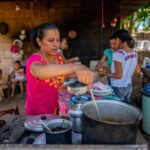
You have an option to add lunch at a local restaurant. When that option is selected, expect typical Puebla dishes such as chiles en nogada and cemitas.
This is good value in one key way: you’re not forced to figure out where to eat while juggling the timing of a guided day. In a long tour schedule, that one solved problem can be worth something.
Still, be realistic. Lunch choices can have constraints—limited tables, seating in sun, or waiting depending on the day’s flow. One traveler said the suggested lunch tables were few and too exposed to the sun. If you’re sensitive to heat or prefer specific seating, bring water, take breaks when you can, and stay flexible. If you decide not to do the included lunch, you’ll still have time on your own in Puebla to find another option nearby.
The guides and drivers: why the day feels smooth
On a day like this, logistics are everything. Your guide’s role is not just “talking”—it’s making the timing work so you don’t spend the whole day in transit or stressing about where to stand next.
The guiding experience here varies by person, but the patterns in the information you’re given are consistent. People highlight guides such as Rene for strong humor and knowledge, and Ara for being committed and excited about showing the places. Alvaro is also mentioned as helpful, with a driver team described as entertaining and careful in traffic.
You can also learn something practical from their style. For example, one traveler noted help when a phone battery was nearly dead. That’s the kind of small, real-life problem-solving that makes a long day go easier.
Driver quality matters too. A safe, steady drive reduces fatigue, and the day already has multiple time blocks. The smoother the driving, the more energy you’ll have for the walking parts.
Fitness, walking, and sun: the trade-off for seeing three cities
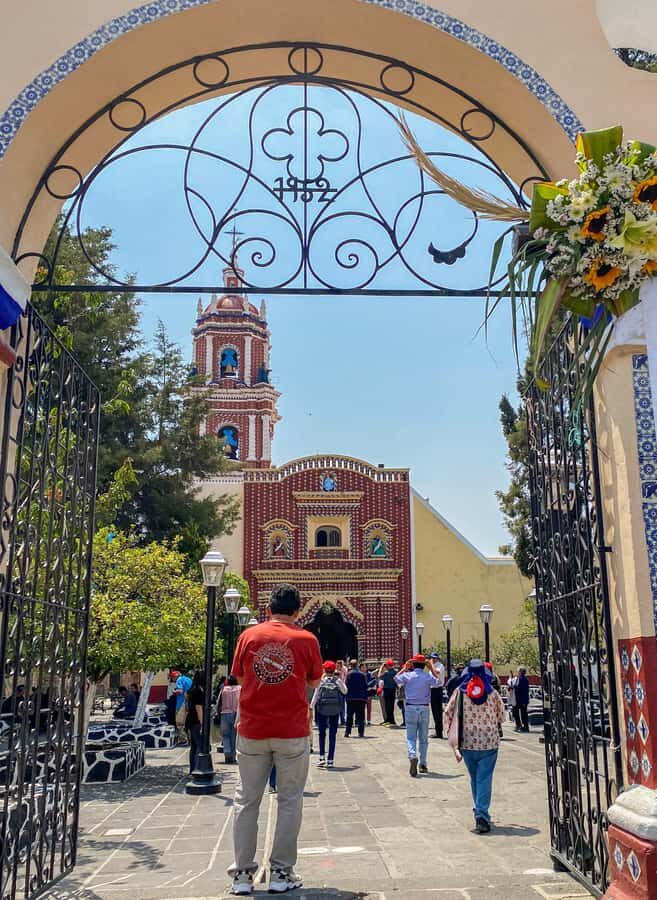
This is not a “sit on the bus and watch” tour. You’ll do moderate walking on uneven terrain, and parts of the route can include uphill stretches. That matters for comfort, especially if you’re traveling with limited mobility or you’re not used to cobblestones and uneven ground.
The good news: the tour is listed as wheelchair accessible, which helps. The walking is still part of the day, so you’ll want to consider how much mobility support you truly need for the specific places on the route.
Also factor in the sun. Even if you start early, you can still end up outside during the brightest hours, especially with any uphill walking. Bring sun protection—hat, sunscreen, and water if allowed by the rules you’re following.
Price and value: what $85 buys you in one packed day
At $85 per person, this is priced like a structured full-day tour rather than a DIY adventure. For that price, you’re getting:
- round-trip transportation,
- a bilingual guide (English and Spanish),
- visits including Santa María Tonantzintla,
- and optional lunch (only if you pick the food option),
- plus hotel pickup and drop-off if you choose the private option.
Here’s how I think about value: the heavy lifting is done for you. Getting between Mexico City and Puebla-area stops takes time, and using a guided format reduces confusion. Also, three sites in one day means someone else is managing the “where do we go next” piece.
You’ll still want to budget for drinks, since those are not included. That’s the main extra cost to plan for. If you add lunch, you’ll likely feel more comfortable for the day, and you’ll avoid the hassle of finding a restaurant that matches the schedule.
If you hate long commutes, this is the trade-off: a long day but one where you don’t have to plan the connections.
Practical tips to make this day feel easier
A few small things can make a big difference on a schedule this packed:
- Bring your passport: customers must present a passport, either digital, original, or a photocopy.
- Wear grippy shoes: uneven terrain plus cobblestones can be tiring.
- Plan for sun: even early starts can lead to bright hours during walks.
- Have cash or card ready for crafts: Mercado de Parián is a browse-and-buy spot.
- If Tonantzintla entry is limited, stay flexible: service schedules can affect access.
Another smart move: if you’re serious about photos, don’t wait for the perfect angle. Use the photo stops for quick shots, then use the free time to get the views you care about most.
Should you book this tour?
Book it if you want a high-yield day from Mexico City: Cholula’s Great Pyramid, Tonantzintla’s mixed-faith church interior, then Puebla’s cathedral and Rosary Chapel plus a craft market in Parián. It’s a solid choice for first-time visitors or anyone who wants history and art without spending hours on transit planning.
Skip or rethink if you have low stamina for walking uneven ground, or if you strongly need guaranteed entry at Tonantzintla at a specific time. In that case, you may prefer a more flexible plan that you can adjust on the day.
If you go in with realistic expectations—some walking, possible access limits due to services, and a full-day rhythm—you’ll come away with a stack of memorable places and a better sense of how Puebla-area culture connects past and present.
FAQ
What time and where do I meet the guide?
You meet your guide at Calle Isabel la Católica 61-A in Mexico City’s Historic Center at either 6:20 a.m. or 8:10 a.m., depending on the selected start time.
How long is the tour?
The total duration is about 390 minutes to 11 hours, depending on the starting time you select.
Is lunch included?
Lunch is included only if you select the option with typical lunch at a local restaurant. Drinks are not included.
What languages is the tour guide available in?
The live tour guide is available in English and Spanish.
Is the tour wheelchair accessible?
Yes, the tour is listed as wheelchair accessible. You should also note there is moderate walking on uneven terrain.
What documents do I need to bring?
You must present your passport (digital, original, or a photocopy is accepted).