REVIEW · CABO SAN LUCAS
Educational Sunrise Whale Watching with Photos Included
Book on Viator →Operated by Proyecto Cetáceo · Bookable on Viator
Waking up early feels worth it here. You get a true Baja sunrise from the sea and the chance to listen to whale sounds with a hydrophone in the quiet bay. The main catch is timing and weather: you start at 6:00 am and this trip needs good conditions.
I like that the group stays small (max 10), so you’re not packed in for the hunt. You’ll cruise out from the Cabo San Lucas marina with Proyecto Cetáceo, then come back past classic photo spots like Lovers Beach and the arch. One consideration: even with planning, wildlife sightings depend on what the ocean is doing that morning.
In This Review
- Key highlights you’ll actually care about
- Why this Cabo sunrise whale watch feels different than a regular boat tour
- Getting started at 6:00 am: where Proyecto Cetáceo meets you
- The quiet bay and hydrophone setup: the most “educational” part
- About two hours searching the open ocean for whales
- Lovers Beach, sea lion area, and the famous arch on the return
- What to wear, what to bring, and how to time your photos
- Guide and captain teamwork: why it improves your odds
- Price and value: is this whale watch worth it?
- Weather, seasickness, and the reality of morning conditions
- Who should book this sunrise whale watching?
- Should you book Proyecto Cetáceo’s sunrise whale watch?
- FAQ
- What time does the sunrise whale watching tour start?
- How long is the experience?
- Where is the meeting point in Cabo San Lucas?
- Is the tour offered in English?
- What group size should I expect?
- Does it require good weather, and what happens if conditions are poor?
Key highlights you’ll actually care about
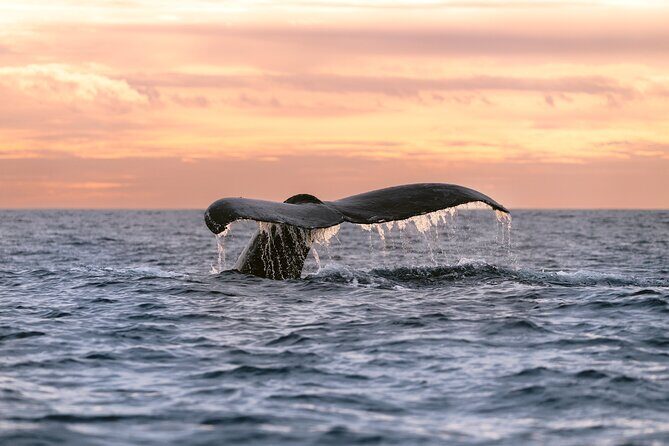
- Sunrise light over the horizon for an experience that looks as good as it feels
- Hydrophone time in the quiet bay to hear whales before you even spot them
- About 2 hours on open water focused on finding whales, not just cruising around
- Small group size (up to 10) for a more attentive, less chaotic outing
- Photo stops on the return route at Lovers Beach, a sea lion area, and the famous arch
Why this Cabo sunrise whale watch feels different than a regular boat tour
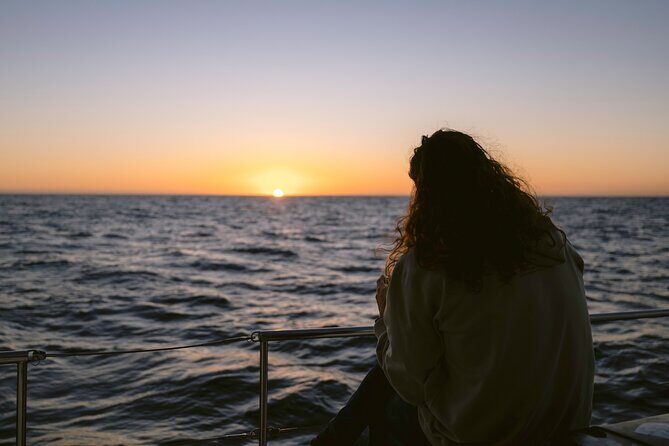
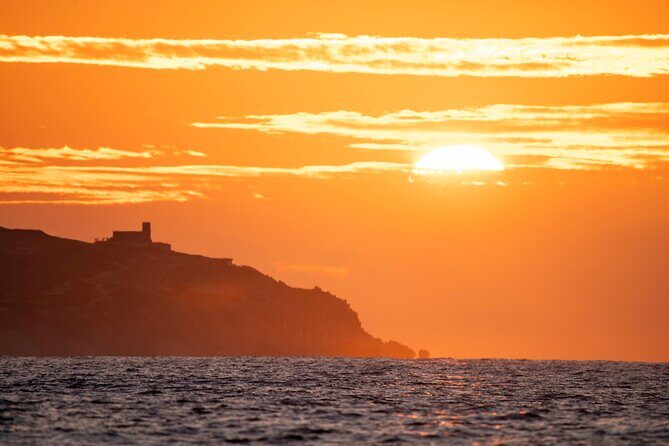
This is one of those mornings where the “tour” part fades and the ocean takes over. You leave at 6:00 am, when Cabo is still cool and the sky is turning from dark to gold. Then you do something I wish more whale trips would build in: a quiet listening phase before the main search.
The hydrophone matters because it changes how you experience the wildlife. Instead of only watching for a fluke or a spout, you’re also listening. When whales are nearby, those sounds can make the whole bay feel alive in a new way. It also sets the tone: calm, focused, and less like a group activity.
And yes, you still do the classic part—time out on the water to look for whales. You’re not just getting a sunset photo and calling it done. The plan gives you about two hours in the open ocean looking, which is exactly what you want if whale watching is your goal.
You can also read our reviews of more whale watching tours in Cabo San Lucas
Getting started at 6:00 am: where Proyecto Cetáceo meets you
The morning starts at Proyecto Cetáceo at Blvd. Paseo de la Marina, Centro, Cabo San Lucas (the trip ends back at the same meeting point). Since the start time is 6:00 am, build in time to park, walk in, and get settled before it’s time to leave.
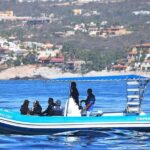
I also like that this is built around a small group—maximum 10 travelers. In practice, that tends to mean more order on deck, and it’s easier for the crew to manage where everyone stands while they’re scanning the horizon.
This tour is offered in English, and you’ll receive confirmation when you book. If you prefer contactless check-in, the experience uses a mobile ticket. And if you’re traveling with a service animal, service animals are allowed.
Bottom line: the logistics are straightforward, but the early wake-up is real. If mornings drain you, this may not feel like a vacation; if you’re okay with an early start, it’s a big part of why the sunrise portion lands so well.
The quiet bay and hydrophone setup: the most “educational” part
The first stage is designed for stillness. You head out from the marina, then the boat looks for a quieter area in the bay. The goal here is not just sightseeing. It’s to set the hydrophone so you can listen for whale activity while the water is calm.
This is where the educational side comes through. With a good listening window, you can connect whale behavior to what you’re hearing. Even if you’re not an ocean expert, the crew’s explanations help you understand what you might be sensing: how sound carries in water, why listening matters, and what whale calls can mean in terms of location and presence.
One practical tip: during the hydrophone time, keep your attention forward and avoid rushing around for photos. If you’re trying to catch whale sounds, you’ll get more out of stillness than constant movement.
The “quiet bay” approach also changes the vibe of the trip. Instead of feeling like you’re immediately hunting, you ease into it. That makes the later search more satisfying, because you’ve already started the experience on whale time, not human time.
About two hours searching the open ocean for whales
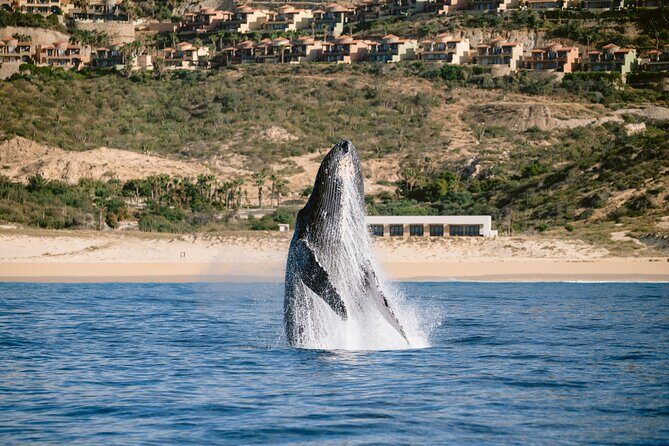
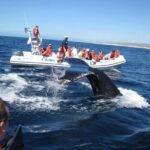
After the listening phase, you shift gears. The plan is to spend about two hours in open ocean looking for whales. This is the part most people came for, and it’s structured like an actual hunt: out on the water, scanning, repositioning as needed, and staying focused on sightings.
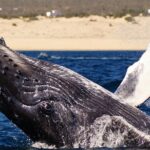
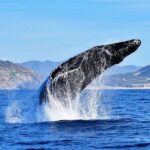
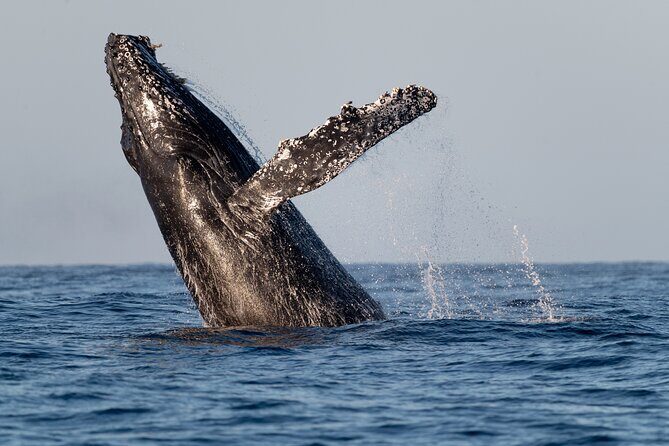
From what the experience is known for, the trip often aims to find whales that are active near the surface. And when conditions line up, you may get unforgettable moments—like whales surfacing close enough for you to see movement clearly, and in some cases, young whales in the group.
Here’s the realistic expectation to hold: whale watching is never guaranteed. The good news is that the time window isn’t token. Two hours gives the crew enough chance to work different areas and keep searching without turning it into a quick drive-by.
If you’re the type who gets frustrated by “maybe” activities, this is still worth it, because the effort is built in. You’re not leaving the marina and then hoping. You’re actively out there long enough for whale watching to have a chance to happen.
Lovers Beach, sea lion area, and the famous arch on the return
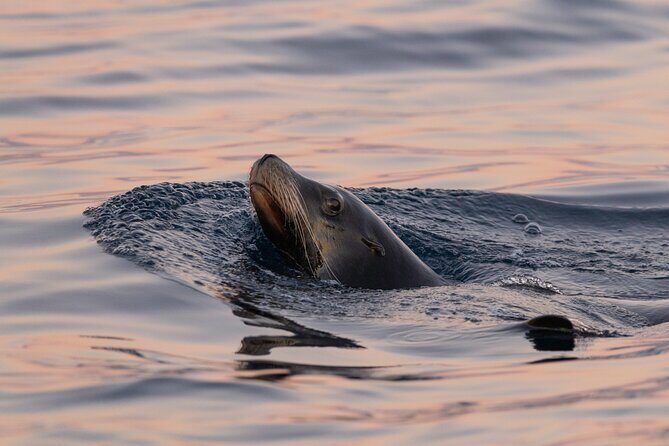
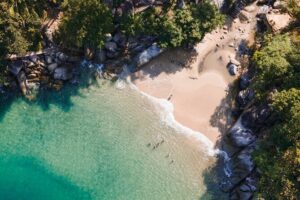
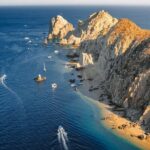
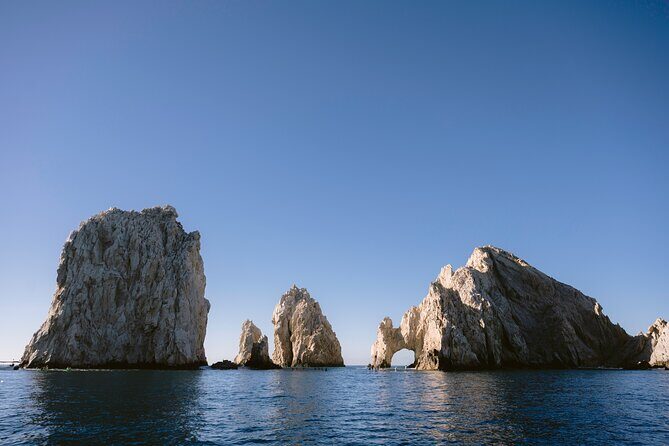
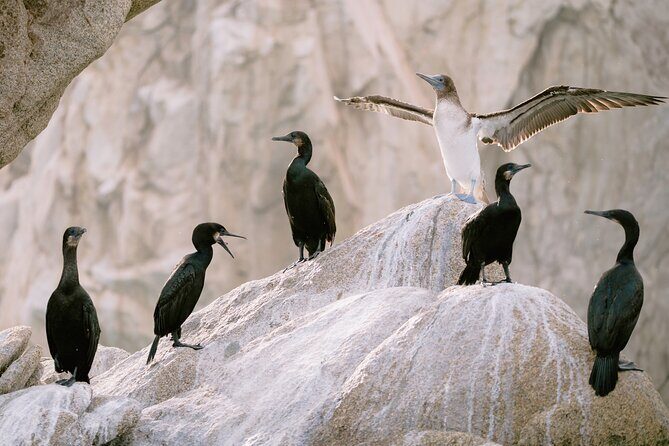
On the way back, the tour adds classic Cabo stops. You’ll visit Lovers Beach, see the sea lion colony area, and pass the famous arch so you can get photos.
This is a smart addition because it gives you something scenic even if the morning was slow on whale sightings. And even if you did see whales, these stops are a nice contrast—moving from wildlife and sky color to Cabo’s signature shoreline views and landmark shapes.
Lovers Beach is all about the photo angle and the stretch of coast. The sea lion colony area brings a different kind of wildlife energy—more fast-moving and more visual than whale time. And the arch is the big, recognizable Cabo silhouette that makes a perfect “we were here” shot.
One note: since you’re coming back from open ocean, you may feel the shift in energy from search mode to sightseeing mode. That’s normal. It’s also exactly when the crew can slow down and let you enjoy the scenery.
You can also read our reviews of more photography tours in Cabo San Lucas
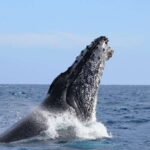
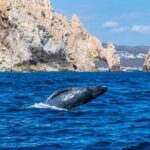


What to wear, what to bring, and how to time your photos
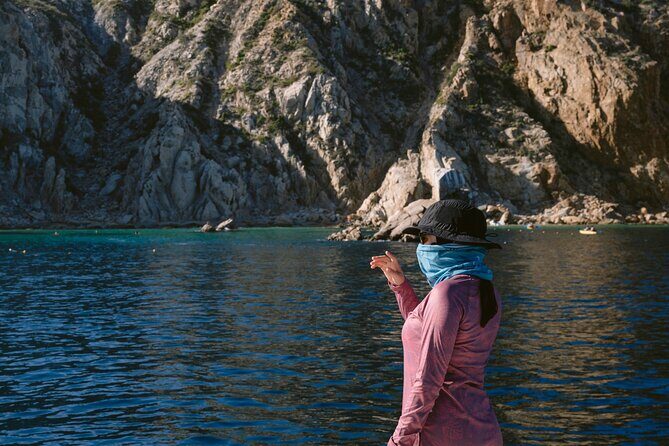
Sunrise boat trips are a little tricky because the morning can feel cool even in Mexico. Dress in layers so you’re comfortable when you’re waiting and when the boat picks up speed. You’ll be outside for the whale search, and early light means you might not feel “warm” the same way you would at midday.
For photos, plan around the fact that you’ll have two different “photo worlds”:
1) Low-angle sunrise lighting over the horizon during the early part.
2) Wildlife shots during the search, where you’ll want quick access and stable framing.
At the return stops—especially the arch—you get calmer scenery time for photos where you don’t need to react to sudden movement. That’s helpful if you’re not a pro with camera settings.
Also, keep in mind you’ll be on a boat with other people. Don’t block sightlines. If you’re shooting video, do it with awareness so you’re not standing in the way when the crew spots something.
Finally: bring a way to keep your phone or camera protected from sea spray. This isn’t glamorous advice—it’s just the difference between getting great images and worrying about gear the whole trip.
Guide and captain teamwork: why it improves your odds
One of the best parts of this experience is the way the crew runs the day. The boat captain’s job is getting you where you need to be, fast and safely, while the guide helps you make sense of what you’re seeing and hearing.
The name Angelica comes up in the stories about this tour, and that matters. A strong guide does two things well: they explain in a way you can actually follow, and they keep the group calm and attentive while conditions change.
When you’re on the water hunting whales, it helps to have someone steering the “what we’re looking for” and “what it means” portion. That way, the experience feels intentional instead of chaotic.
If you care about learning, this is where you’ll feel it most. The hydrophone setup and the explanations connect the dots between sound, behavior, and what you spot—or don’t spot—that morning.
Price and value: is this whale watch worth it?
Since no price is listed here, I’ll judge value by what’s included and how the time is used. This trip is built around a few high-value choices:
- A real listening phase with a hydrophone, not just scanning with binoculars.
- About 2 hours on the open ocean looking for whales, which is enough time to matter.
- Small group size (max 10), which usually improves the experience compared with big boat crowds.
- Return route stops at Lovers Beach, sea lion area, and the arch, giving you scenic payoff even on mixed mornings.
Value also comes from simplicity: the trip ends where it starts, it’s offered in English, and you get a mobile ticket system. And if the weather forces a change, the experience can be rescheduled or refunded (details are in the FAQ).
So, I’d treat this as a solid buy if your priority is whales at sunrise plus learning, with enough time on the water to give the day a real chance.
Weather, seasickness, and the reality of morning conditions
This experience requires good weather. If weather is poor and the trip is canceled, you’ll be offered a different date or a full refund. That matters because sunrise whale watching depends on visibility and sea conditions—not just enthusiasm.
If you’re sensitive to motion, plan like it’s open water. Even if you’re usually fine, early-morning boat movement can be different when you’re out longer and scanning.
If you’re planning to go, check the forecast the day before and keep flexibility. The trip starts at 6:00 am, so last-minute changes are more about the day’s ocean than your schedule. Still, the policy approach is fair: the tour won’t run when conditions aren’t right.
Think of it this way: the sunrise window is part of the appeal, but you’re not paying for sunrise alone. You’re paying for time on the water, hydrophone listening, and the chance at whale activity.
Who should book this sunrise whale watching?
I’d book this if you:
- Want education and atmosphere, not just a quick wildlife sighting
- Like mornings and enjoy the idea of sunrise views from the sea
- Prefer a small group experience
- Are okay with an early start for a chance at the bay’s quieter mood
You might skip it if:
- You can’t do early mornings at all
- You want a guaranteed “see whales” outcome (no whale trip can promise that)
- You hate being outdoors for a focused search block on the water
If you’re traveling as a couple, with friends, or as a solo traveler who likes guided structure, this format works well. It’s intimate enough to feel personal, but still run like a professional operation.
Should you book Proyecto Cetáceo’s sunrise whale watch?
Yes, with eyes open. If you want a meaningful sunrise experience with the extra layer of hydrophone listening and real time searching for whales, this tour has the right ingredients. The small group size and the return photo stops at Lovers Beach, the sea lion area, and the arch add extra value to the day.
Book it if your schedule can handle 6:00 am and you’re flexible with weather. Skip it only if you’re strongly against early mornings or you’re looking for guaranteed whale sightings, because the ocean always gets the final word.
FAQ
What time does the sunrise whale watching tour start?
The tour starts at 6:00 am.
How long is the experience?
It runs for about 3 hours.
Where is the meeting point in Cabo San Lucas?
You meet at Proyecto Cetáceo, Blvd. Paseo de la Marina, Centro, 23410 Cabo San Lucas, B.C.S., Mexico, and the activity ends back at the meeting point.
Is the tour offered in English?
Yes, the tour is offered in English.
What group size should I expect?
The tour has a maximum of 10 travelers.
Does it require good weather, and what happens if conditions are poor?
Yes, it requires good weather. If it’s canceled due to poor weather, you’ll be offered a different date or a full refund.