REVIEW · CABO SAN LUCAS
Cabo: Whale-Whatching Boat Trip w/ All-Women Crew and Photos
Book on GetYourGuide →Operated by CABO NATURE · Bookable on GetYourGuide
A whale song soundtrack is the real prize here. This Cabo Nature trip pairs a marine biologist with an intimate small boat run (max 12) so you can watch humpbacks up close, then hear them through the onboard hydrophone when conditions allow. I love that the crew includes digital photos, so you’re not stuck fiddling with your camera the whole time.
One thing to plan for: you may get wet from wave spray. Morning trips tend to run calmer, which usually makes sightings better, so if you can choose your start time, lean morning.
In This Review
- Key Points You’ll Care About
- Cabo Nature Whale Watch: What You’re Really Setting Out To Do
- Meeting at La Terminal de Cabo, Then Straight Into Sea-Life Mode
- The El Arco Photo Stop: Quick Cabo Energy Before the Whale Search
- Search Time: Pacific or Sea of Cortez Depending on Weather
- The Small 8-Meter Boat Advantage: Up Close Without the Chaos
- Your Marine Biologist Moment: Turning Breaches Into Meaning
- Hearing Whale Songs with the Hydrophone
- Ethical Watching: Respecting Wildlife While Still Getting Great Views
- Photos Included: How to Stop Stressing About Getting the Shot
- What Else Might You See Besides Humpbacks?
- Price and Value: Why $98 Can Be a Good Deal Here
- Timing Tips: When to Go for Calm Water and Better Viewing
- What to Bring (So You Actually Enjoy the Trip)
- Who This Tour Works For (and Who Should Skip It)
- Should You Book Cabo Nature’s Whale-Whatching Boat Trip?
Key Points You’ll Care About
- All-women crew focus in Cabo Nature operations, with guides and captains often including Maria, Aurora, Dani, Nicky, and Belem on recent sailings
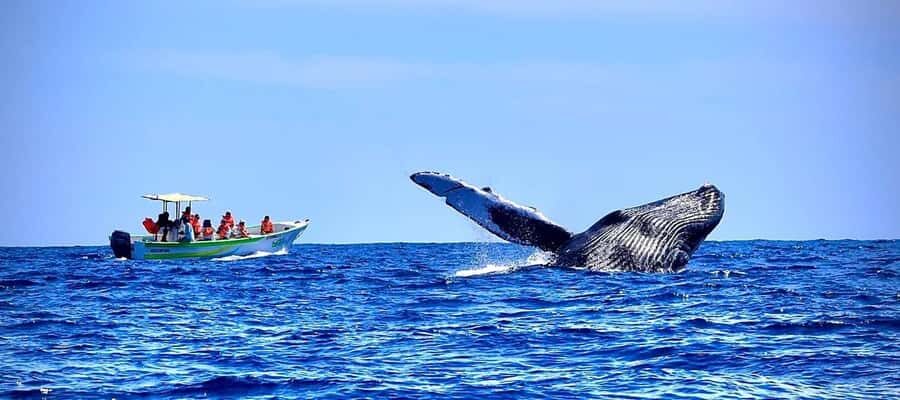
- Hydrophone whale songs when time allows, plus clear explanations of humpback behavior
- Small-group setup (max 12) on an 8-meter boat for easier viewing and less crowding
- Photo stops and included digital photos, including pictures taken at the iconic Arch (El Arco)
- Whale-watching warranty: if you don’t see whales, you get a second tour free
- Eco-leaning mission support, including beach cleanups and whale rescue efforts
Cabo Nature Whale Watch: What You’re Really Setting Out To Do
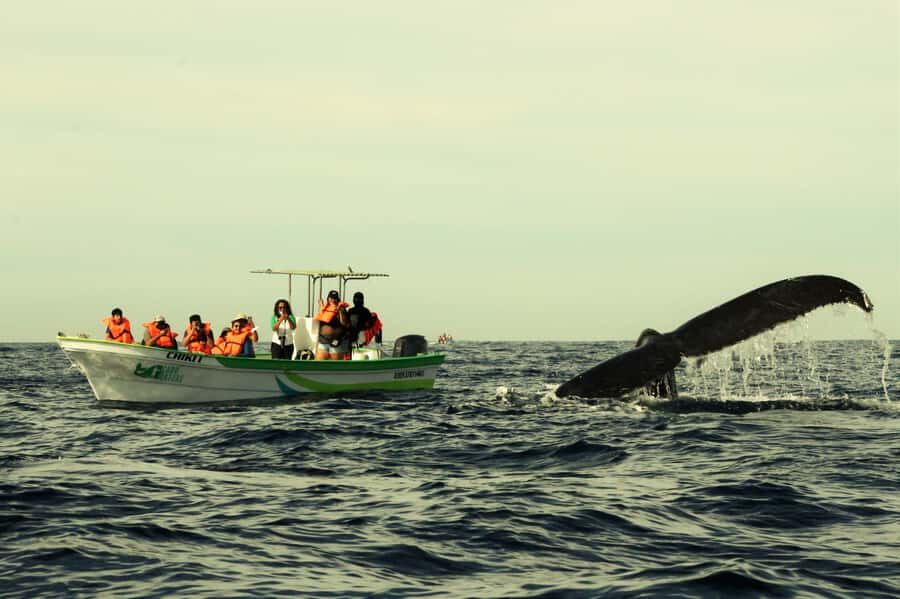
Los Cabos whale watching is a simple idea with a big payoff: you go to the water to find humpback whales, then you learn how to see them the right way. This tour makes that feel practical, not performative. You’re not just hunting for a photo; you’re watching animal behavior, listening for whale sound, and staying in sync with the sea.
What makes this one especially appealing is the mix of science and experience. A marine biologist on board turns random splashes into patterns you can understand. And because the group is small (max 12) on a boat that’s built for getting around, you usually spend more time actually watching instead of waiting.
Yes, it’s still “wildlife rules apply.” Weather determines where you search—Pacific Ocean or the Sea of Cortez—so you go in with flexibility in mind.
You can also read our reviews of more boat tours in Cabo San Lucas


Meeting at La Terminal de Cabo, Then Straight Into Sea-Life Mode
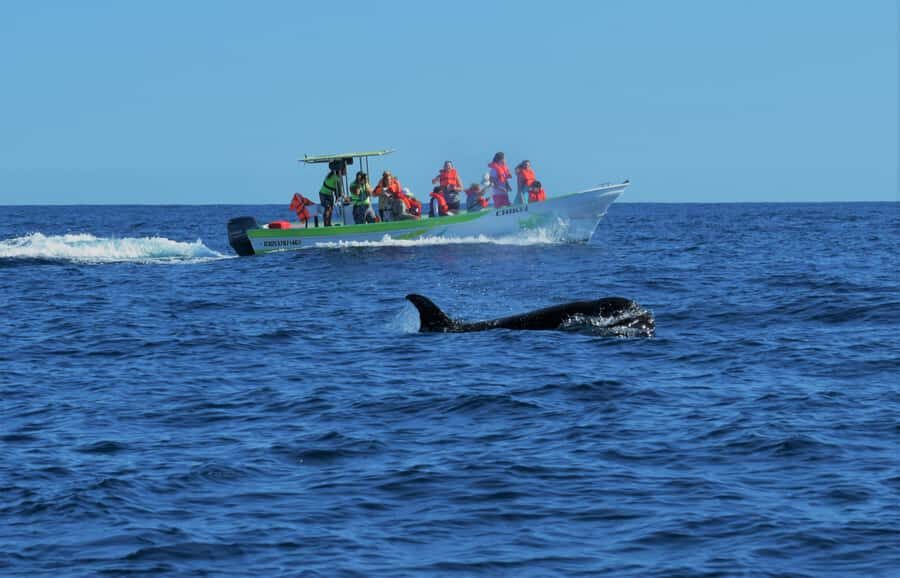
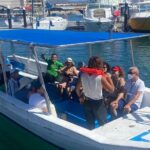
The meeting point is easy: La Terminal de Cabo, right in front of Breathless Hotel. Your guide waits there in a green shirt with the Cabo Nature logo.
There’s no hotel pickup or drop-off, which I like because it keeps things straightforward. You just show up, get set, and get on the water. If you’re staying nearby, you can arrive early, take a breath, and be ready when your departure time hits.
Before you leave shore, the crew keeps it efficient. Once you’re aboard, you’ll feel the small-boat difference fast: you can move for better views, and the conversation with the guide doesn’t disappear over a crowd.
The El Arco Photo Stop: Quick Cabo Energy Before the Whale Search
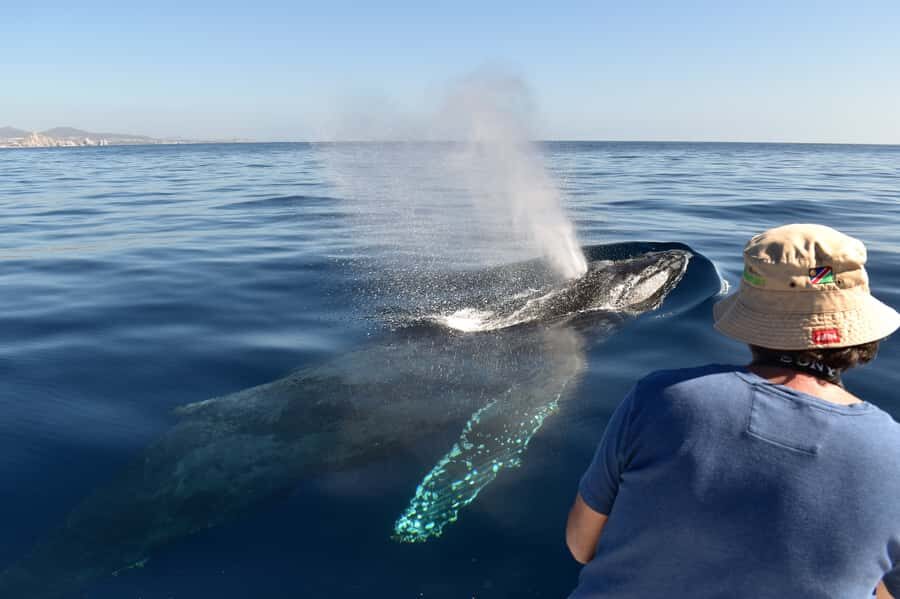
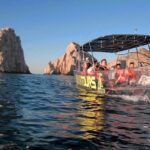
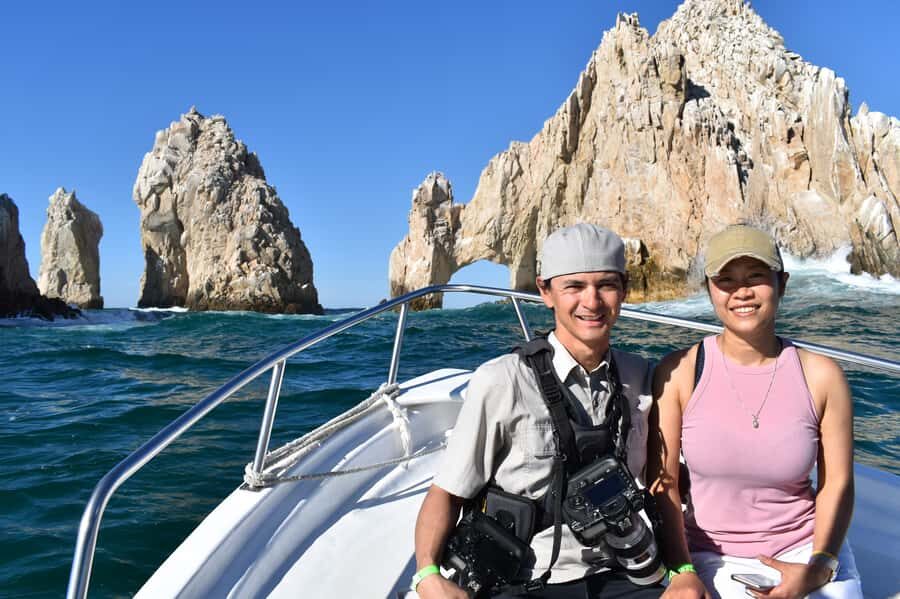
A big part of the start is a visit to Cabo’s top coastal sights, including a photo stop at the iconic Arch (El Arco). This is a short, scenic break that helps you get your bearings. Even if you don’t end up loving “land views,” it’s a good moment because it gets you into the vibe of Cabo before the search becomes serious.
You’ll also get a photo captured by the crew here. That matters because once you’re offshore, conditions change—wind, spray, and shifting angles can make “selfie mode” frustrating. Having the crew handle the camera work means you can focus on watching the water.
Search Time: Pacific or Sea of Cortez Depending on Weather
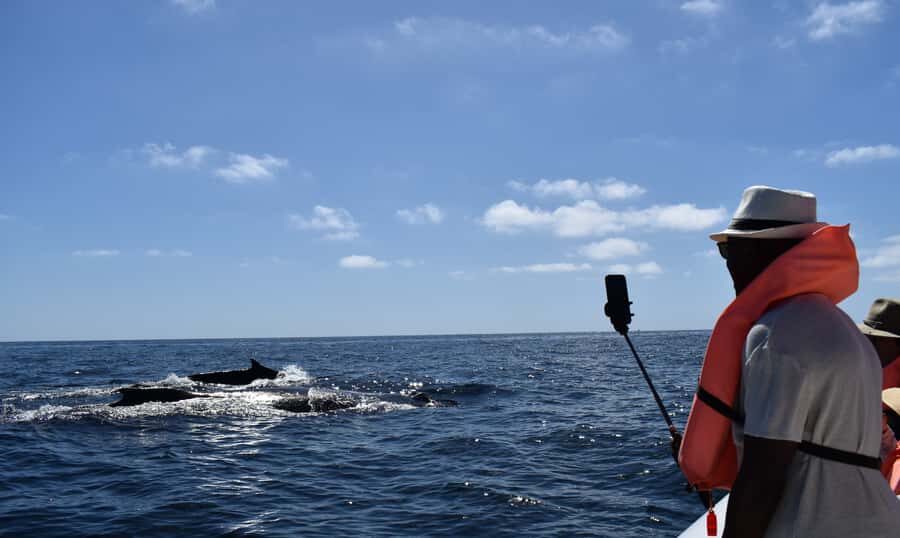
After the Arch stop, the tour heads out to search for humpback whales. The key detail is that the crew chooses between the Pacific Ocean or the Sea of Cortez depending on weather.
That choice is more than logistics. Weather can affect visibility, sea state, and how whales position themselves. A calmer water window usually means less bouncing around and more stable viewing—one reason the morning tip is gold. If you can pick your time, go early.
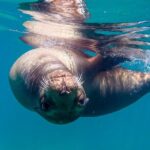
On recent outings, people also reported seeing other animals on the same trip, including bottle-nose dolphins and sea lions, and in some cases extras like rays or even a sea turtle. You shouldn’t book this expecting a guaranteed zoo variety, but it’s a nice reminder that when the whales are active, other marine life often shows up too.
The Small 8-Meter Boat Advantage: Up Close Without the Chaos
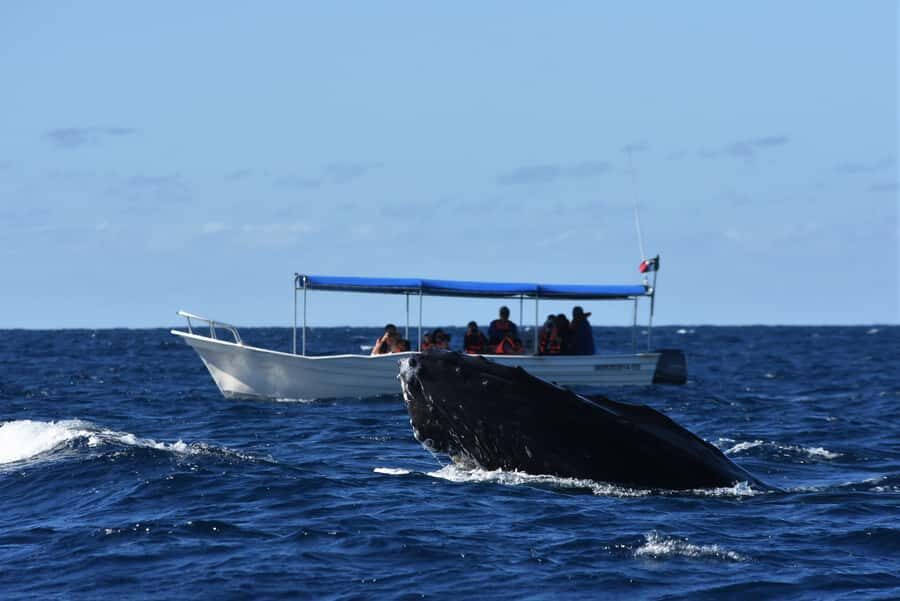
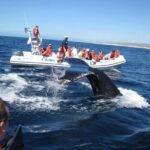
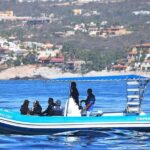
This is an 8-meter boat and the group is capped at 12 people. That size changes everything.
First, it makes whale watching feel more personal. You’re not craning your neck over strangers. Second, it can help with positioning—when whales surface in the same general area, a smaller boat can work more efficiently to keep sightlines clear.
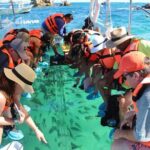
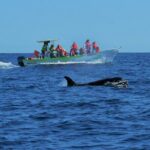
In the real world, that showed up in what people described: close encounters, steady viewing time, and lots of chances to watch whales swim alongside and even underneath the boat. Some departures also mention a covered setup and even a glass-bottom style viewing moment, which adds a different way to spot what’s going on below the surface. If that’s important to you, it’s worth asking when you book.
You can also read our reviews of more whale watching tours in Cabo San Lucas
Your Marine Biologist Moment: Turning Breaches Into Meaning
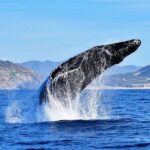
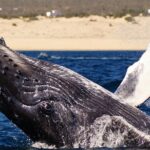
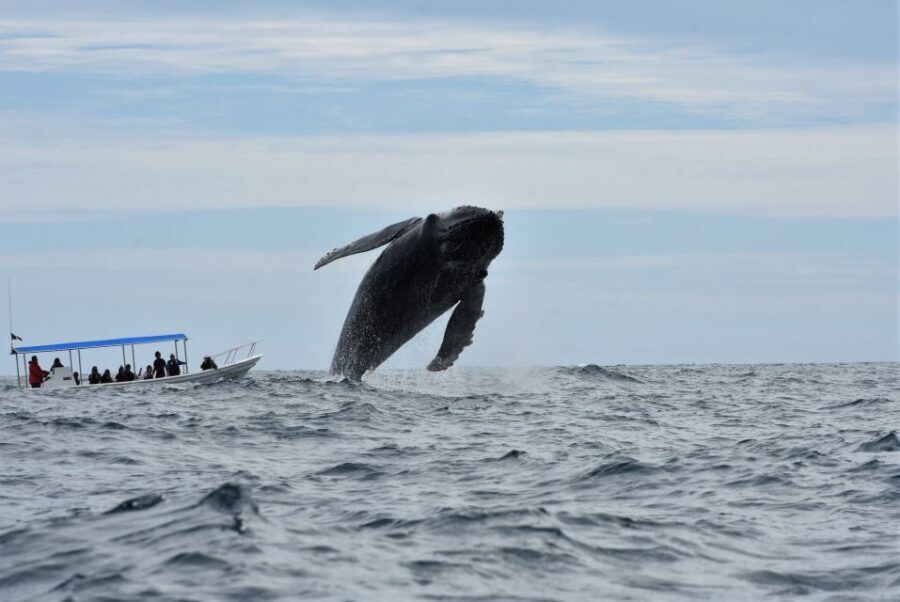
What you get on board goes beyond “here’s a whale fact.” The marine biologist is there to explain behavior you can actually see: breaching, surfacing patterns, and what it means when whales linger near the boat.
You’ll likely hear names like Maria, Aurora, Dani, Nina, and others tied to recent departures. People repeatedly highlighted that the guides make whale behavior click, and that the explanations are tied to what’s happening right then. That’s the difference between hearing whale facts and understanding why the crew is doing what it’s doing.
One practical upside: when the guide can point out what you’re seeing, you waste less time guessing. You also feel more confident with questions—like what you should expect next or why you might move positions slightly during the search.
Hearing Whale Songs with the Hydrophone
This is the “wait, what?” part.
If there’s time and conditions cooperate, you’ll get access to a hydrophone—an underwater microphone. Then you can hear whales singing. Multiple recent sailings included reports of hearing males sing, and that experience is often described as unforgettable because it turns your whale watch from visual-only into full-body sound.
Even if whale song isn’t available every departure, it’s still a strong reason to book this specific tour. Many Cabo whale watches focus only on sighting time. Here, the sound component is built in.
Ethical Watching: Respecting Wildlife While Still Getting Great Views
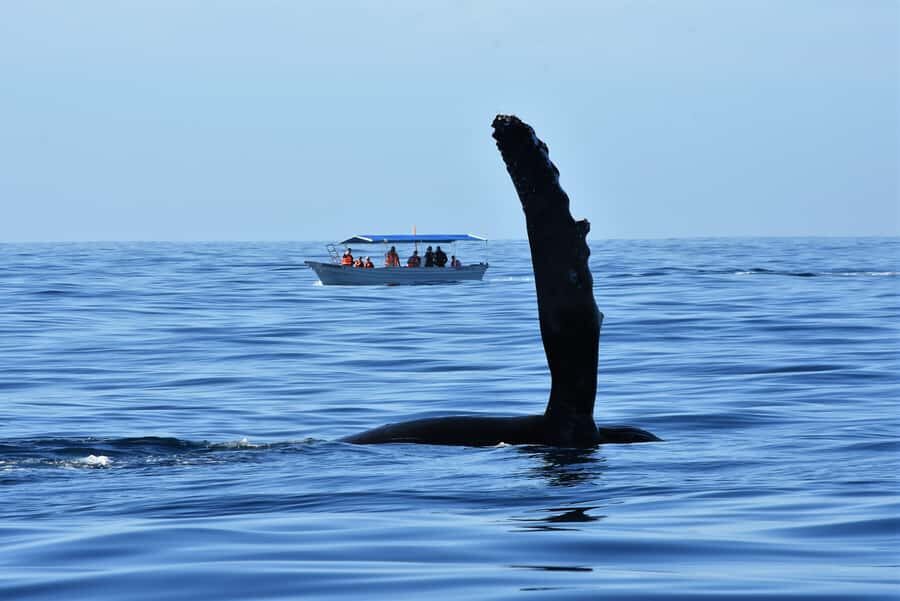
One of the most consistent themes is how the crew handles proximity. People described the operation as responsible and careful—getting you close enough for real viewing, without the aggressive chasing behavior that can disturb animals.
That balance is hard to fake. When the crew works ethically, your experience feels calmer. You’re not watching a stressed animal dodge and sprint away; you’re watching a whale do whale things, with you present at the edges.
There’s also a sense that the crew coordinates with other boats to focus on the most active whales. That helps sightings stay productive without turning the ocean into a moving traffic jam.
Photos Included: How to Stop Stressing About Getting the Shot
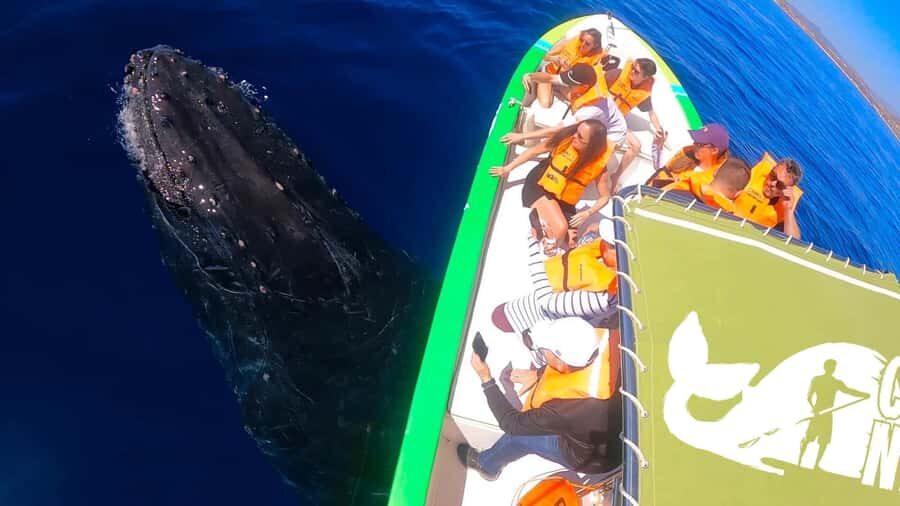
This tour includes digital photos, which is a big value add at $98. The crew captures images both at the Arch stop and during the whale viewing.
In practice, it means you can keep your attention on the water. You’re less likely to miss a breach because you were busy searching for the “right angle.” Several people also described the photos as professional quality.
One small caution: in at least one case, a person noted a delay or issue receiving photos. That’s not “common knowledge” from the data, but it’s enough to justify a simple habit: double-check the email you give during booking, and keep an eye on spam folders after your trip.
What Else Might You See Besides Humpbacks?
Your main target is humpback whales. That said, Cabo’s ocean can be eventful. Recent trips reported:
- Bottlenose dolphins
- Sea lions
- In some cases, grey whales
- Occasional other marine wildlife such as a sea turtle, rays, or birds
Think of this as a bonus layer, not the core guarantee. The core promise is centered on whale sighting, with the second-tour option if whales aren’t found during the first attempt.
Price and Value: Why $98 Can Be a Good Deal Here
$98 for a 2-hour whale watch isn’t “cheap,” but it also isn’t overpriced when you look at what’s included.
You’re paying for:
- A marine biologist on board
- A hydrophone (when time allows)
- Digital photos
- Bottled water
- A small-group, 8-meter boat experience
- A whale-watching warranty (second tour free if no whales during the first one)
That warranty matters because whale watching is weather-dependent. If you’ve ever paid for a tour that ends with “we couldn’t find them,” you know how quickly the value math breaks. Here, the pricing is wrapped in a risk-reducer.
The smaller boat also helps you get more “time observing” per minute, which feels like value even if it doesn’t show up in a simple spreadsheet.
Timing Tips: When to Go for Calm Water and Better Viewing
Morning is recommended for calmer waters and better sightings. That tip makes sense because fewer waves usually means:
- Less bouncing for you
- Easier spotting at the water surface
- Better comfort for watching long enough to catch behavior
Since the tour is only 2 hours, every minute counts. If you’re choosing between time slots, pick the one that keeps seas steadier.
What to Bring (So You Actually Enjoy the Trip)
Plan for spray and changing temps. Bring:
- Warm clothing and a jacket
- Sunglasses
- A camera (or phone with a case)
- Biodegradable sunscreen
- Anything you’d use for sun plus wind
Also keep in mind this activity can get you wet from wave spray. If you hate that feeling, bring something you’re okay wearing in salt air. Lightweight layers work better than trying to carry a bulky outfit.
Who This Tour Works For (and Who Should Skip It)
This tour is not suitable for:
- Children under 5
- Pregnant travelers
- People with back or neck issues
It’s also not described as a food-included experience, so plan accordingly if you get hungry before or after. The experience is focused on being on the water, watching, and learning—so you’ll likely want to eat outside of that 2-hour window.
If you have mobility or comfort concerns related to boat motion, this is where you should be honest with yourself. The ocean can be unpredictable, and you’ll enjoy the trip more if your body is comfortable with that reality.
Should You Book Cabo Nature’s Whale-Whatching Boat Trip?
Book it if you want a small-group whale watch with real educational context and extras that make the day easier—especially included photos and a chance to hear whales with a hydrophone. At $98, it’s also a smart bet because the whale-watching warranty reduces the biggest whale-watch risk: paying and coming up empty.
Skip or reconsider if you fall into the listed no-go categories (pregnancy, back/neck issues, young children). And if you’re extremely sensitive to getting wet, know that wave spray is part of the deal.
If you’re going to do one whale watching trip in Los Cabos, this one has a strong mix of value, respect for wildlife, and experiences that go beyond simply spotting spouts.