REVIEW · HUATULCO
Traditional Mexican Cooking Class
Book on Viator →Operated by Wahaca Cooking Classes · Bookable on Viator
If you like food with a backstory, start here. This hands-on Huatulco cooking class pairs real cooking time with ingredient talk, including La Bocana as your morning first stop. I especially like the small-group feel (max 12) and the way the kitchen becomes a social table where you actually eat what you make. The one drawback to plan for: it’s about 3 hours total, so if you’re hoping for a long beach hangout, you’ll need to pair this with other time on your own.
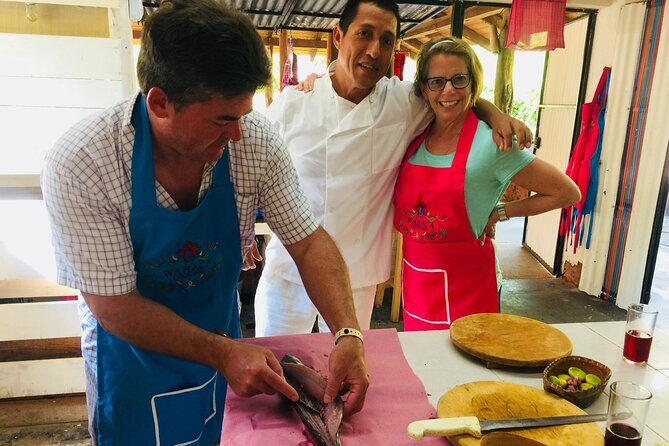
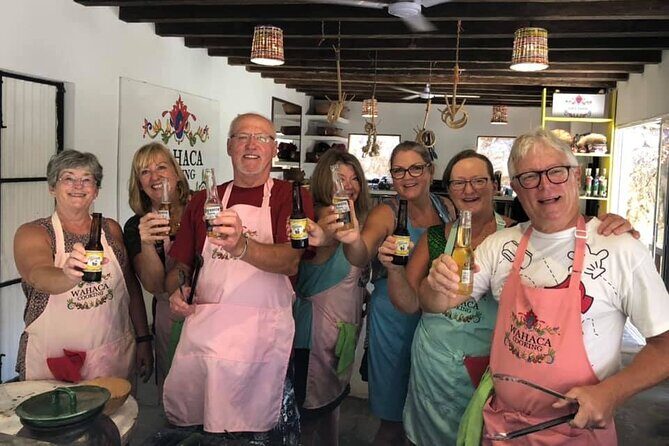
The chef at Wahaca Cooking, often Alfredo, runs things like a calm family lesson. You chop, dice, mix, learn tortillas and sopes, and sip hibiscus water while the food comes together. The outdoor setup is comfortable, and the group stays relaxed.
You’ll also leave with practical take-home tools: recipes are sent by email after the class. I just recommend bringing a light appetite, because the meal (plus margaritas) is a big part of the value.
In This Review
- Key highlights worth planning around
- La Bocana Pickup and the Morning Flow You’ll Actually Feel Good About
- Wahaca Cooking Classes: A Comfortable Outdoor Kitchen and Real Work
- The Menu: Empanadas, Salsas, Tortillas, and Sopes (With Oaxaca Flavor Clues)
- Hibiscus Water, Margaritas From Scratch, and the Meal Part You Earn
- Market and Ingredient Stories: Why the Background Makes the Cooking Stick
- Group Size, Pace, and English-Friendly Instruction
- Dietary Needs and How to Ask Without Stress
- Price and Value: What You’re Really Paying For
- Practical Tips for Your Cooking Class Morning in Huatulco
- Should You Book This Huatulco Cooking Class?
- FAQ
- How long is the Traditional Mexican Cooking Class in Huatulco?
- Is pickup included from hotels in Huatulco?
- What language is the class taught in?
- How many people are in the class?
- Will I get the recipes after the class?
- What is the cancellation policy?
Key highlights worth planning around
- La Bocana first stop: You start the morning with a beach outing before the kitchen work begins.
- Max 12 travelers: You get hands-on help without feeling rushed or lost.
- Tortillas and sopes training: You practice key techniques, then eat them right away.
- Hibiscus water and fresh margaritas: Drinks are part of the experience, not an afterthought.
- Family-style setting: The kitchen experience feels personal, not staged.
La Bocana Pickup and the Morning Flow You’ll Actually Feel Good About
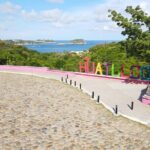
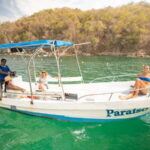
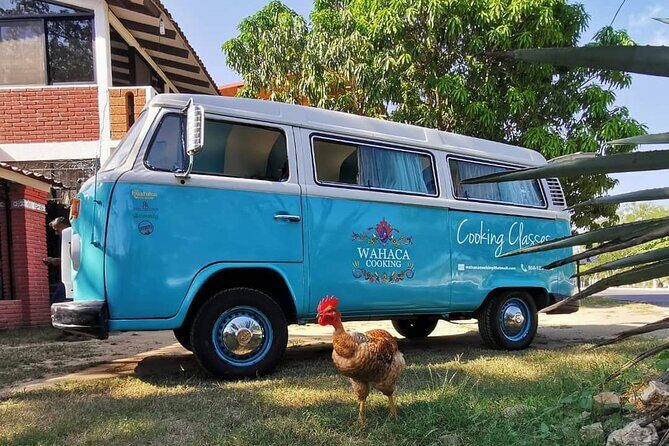
This class is built for convenience. You’re picked up from hotels across the Huatulco area, so you’re not spending your morning figuring out transportation or hunting a meeting address. The start time is 9:30 am, and the whole experience runs about 3 hours.
The first stop is Playa La Bocana. Based on how the day is paced, think of it as a quick scene-setter: you get fresh air, a beach mood, and then head into the cooking without waiting around forever. That matters in Huatulco, where a slow start can turn into heat-time stress if you’re not careful.
What I like about this structure is how it respects your limited vacation time. You get both “Huatulco morning” and “real Mexican food skills” without the day stretching into a full-day commitment. The consideration: you’ll likely get only a short window at the beach, so plan a longer beach visit separately if that’s your priority.
You can also read our reviews of more cooking classes in Huatulco
Wahaca Cooking Classes: A Comfortable Outdoor Kitchen and Real Work
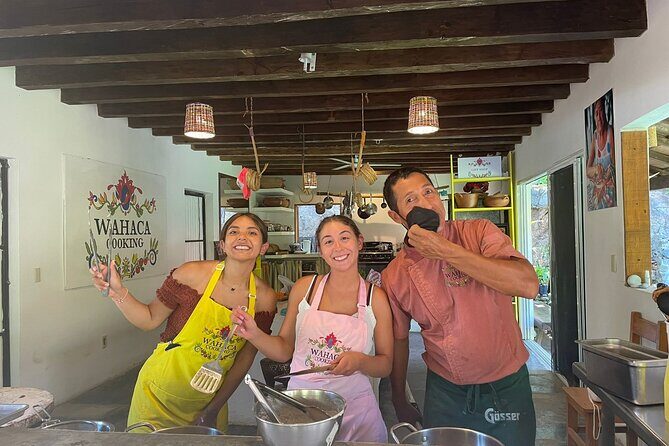
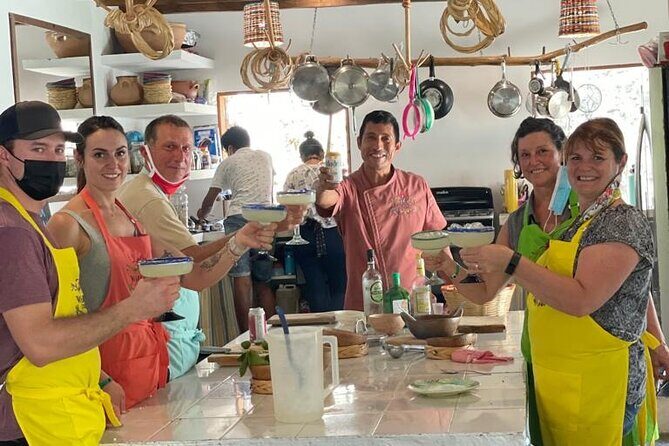
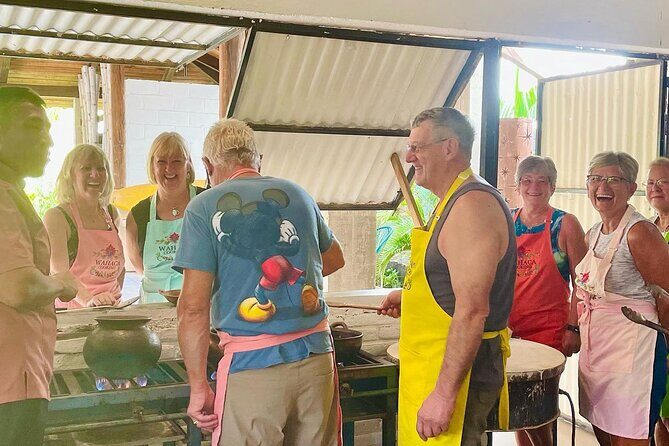
When you arrive at Wahaca Cooking, the day turns into active learning right away. You’re doing the prep: chopping, dicing, mixing—hands-on work from the start. Hibiscus water shows up early, which helps you settle in because you’re not just watching and waiting.
A lot of the positive energy comes from the setting. The kitchen and dining area are described as breezy and comfortable, often set up outdoors. Alfredo’s team is also family-centered in how they host, so the atmosphere feels warm rather than formal.
You’ll also get ingredient and technique talk along the way. In one strong review highlight, the guide explained plants, fish, and produce while teaching with respect and clarity. Even if you only remember a few details, that kind of context changes how you shop and cook later, because you stop treating ingredients as mystery items.
One practical note: cooking classes can get messy, even when you’re careful. Wear clothes you don’t mind staining slightly, and expect to spend time at prep surfaces rather than “holding a fork and taking photos.”
The Menu: Empanadas, Salsas, Tortillas, and Sopes (With Oaxaca Flavor Clues)
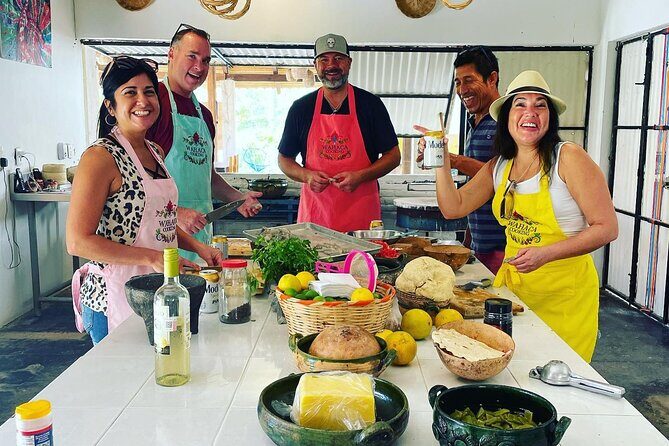
The class menu centers on hands-on Mexican staples. From the sample menu, you can expect to work on:
- Main: Empanadas with corn dough stuffed with huitlacoche and squash a la mexicana
- Salsas: roasted red salsa and a tomatillo salsa verde
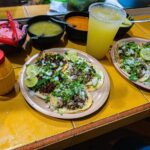
- Tortillas and sopes: tortilla-making practice plus sopes topped with refried beans and queso fresco
That combination is smart for value. Empanadas test dough and filling balance. Salsas teach flavor structure—heat, acidity, and smokiness—so you learn how to season beyond salt and pepper. Then tortillas and sopes force you to practice technique, not just taste.
Huitlacoche is a great example of why this class earns its cultural credibility. It’s not an ingredient you stumble across every day outside Mexico, so learning how it’s handled (and why it works with squash) makes your future cooking more interesting. Even if you’ve never tried it, the class format gives you a guided way to appreciate it.
Some days may also include broader Mexican cooking variety. Reviews mention sessions where you might make tamales or build different taco styles, but the consistent core seems to be tortillas, salsas, and that Oaxaca-leaning comfort-food feel.
A key consideration for your expectations: you’re learning technique, not following a timed recipe showdown. If you want speed, you may feel like it moves slower than a cooking show. If you want skill, this pace makes sense because you’re doing it the hands-on way.
Hibiscus Water, Margaritas From Scratch, and the Meal Part You Earn
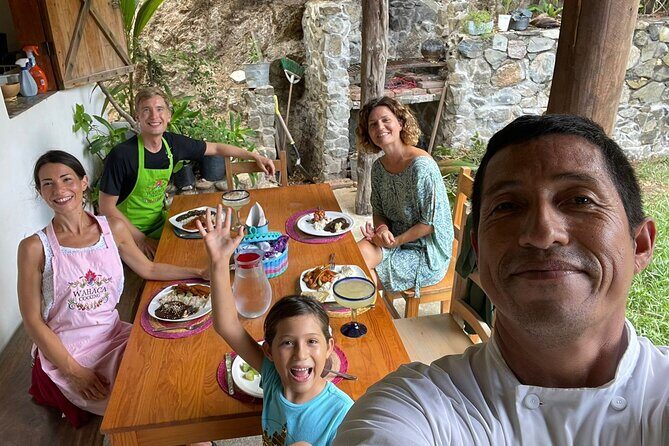
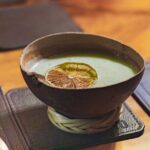
One of the best parts of this experience is what happens when the cooking stops and the group eats. You sit down together and enjoy the meal you prepared, and the drinks are part of the ritual. Hibiscus water is served during the prep, then freshly made margaritas come later.
The margaritas are described as made from scratch, which changes the vibe from snack-time drinking to a real part of the program. In at least one review, passion fruit margaritas were mentioned, so the flavor profile may shift by day and ingredient availability.
This is where small-group size matters. With a maximum of 12 travelers, you’re not swallowed by the room. You get more time to ask questions, chat, and actually taste. It also helps the chef teach without repeating instructions to large clusters.
If you’re someone who enjoys social travel, you’ll likely leave with more than recipes. You’ll remember the table talk: questions about ingredients, how certain tortillas should feel, and what to pay attention to when you cook at home.
Market and Ingredient Stories: Why the Background Makes the Cooking Stick
A great cooking class doesn’t just hand you a dish. It teaches you what to notice. Reviews point to a market component where you can learn about produce, fish, and plants, plus the history tied to the food and rural traditions.
This matters because most people fail at recreating recipes later—not because they lack interest, but because they recreate the steps without understanding the choices. When you learn what makes a roasted red salsa work, or why a tomatillo salsa has a specific tang, you stop copying and start cooking.
You’ll also hear dish and tradition stories. Alfredo is often highlighted for sharing the cultural background of what you’re making, including family traditions and growing up in the region. Another guide mentioned in reviews is Antonio, praised as a great teacher. Either way, the common thread is clear: the instruction is cultural, not only technical.
Here’s the practical benefit for you: when you shop next time, you’ll know what to look for. You’ll pick tomatillos that are ready for salsa, and you’ll understand why certain ingredients pair in Mexican cooking. That turns this from a one-time meal into a skill upgrade.



Group Size, Pace, and English-Friendly Instruction
This class is offered in English, and the host is described as multi-lingual and able to explain clearly. In real life terms, that means you’re not stuck guessing what to do at the tortilla station or when someone says mix until it looks right.
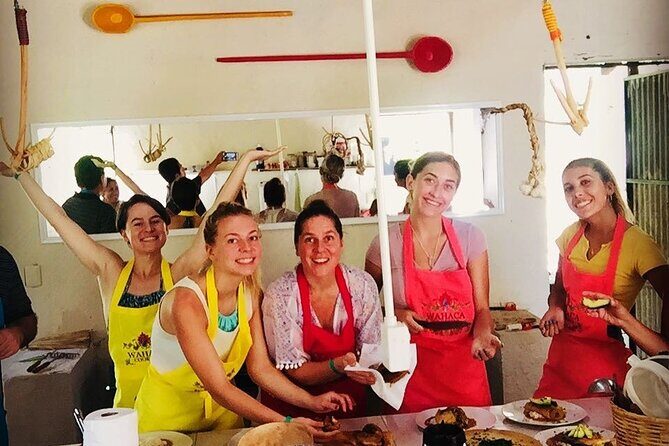
The group size stays under control at 12 travelers maximum. That small number is not just a comfort detail. It’s how you get hands-on coaching instead of standing in the background waiting for someone to correct your technique.
Pace is another practical factor. The day is structured to fit into about three hours. That’s enough time to learn key steps and eat a full meal, but not enough time for a full restaurant-style dinner service where you linger for hours.
If you’re traveling with a mixed group—some people who love cooking and some who just want good food—this setup usually works well. It keeps busy participants busy and gives the rest a clear reason to stay at the table.
Dietary Needs and How to Ask Without Stress
One of the most encouraging bits of feedback is that the class can adapt. A review specifically called out vegan accommodation, including learning how to make refried beans and tortillas in that context.
That doesn’t mean every ingredient will be swapped automatically for every diet, so it’s smart to message in advance if you have needs. Still, the positive signal is there: the hosts aren’t treating food preferences like a deal-breaker.
If you’re gluten-sensitive or have strong allergies, you’ll want to ask direct questions about what’s used in doughs and fillings. The menu includes corn dough empanadas, huitlacoche, squash, refried beans, and queso fresco, so it’s easy to see where questions might matter.
For most people, the experience is straightforward: you cook what’s on the menu and you eat what you made, with some flexibility when possible.
Price and Value: What You’re Really Paying For
Because no price is listed here, I’ll focus on value. The cost of a cooking class only makes sense when you’re getting more than entertainment.
In this case, your value comes from four big buckets:
1) Transportation included via hotel pickup across the Huatulco area
2) A true hands-on cooking format, not a watching-and-asking exercise
3) A full meal plus hibiscus water and margaritas
4) A take-home component, since recipes are emailed after
Even if you’re not a confident cook, you get guided repetition in tortilla-making. That’s the kind of skill that changes what you do after your trip, because you can recreate it.
Also, you’re paying for a guided sense of context. The history and tradition stories don’t sound like a lecture—they show up while you cook, so the explanation connects to the food in front of you.
Practical Tips for Your Cooking Class Morning in Huatulco
A few small choices can make the experience smoother.
First, plan your schedule so you’re not rushing right after. This takes up most of your morning window, starting at 9:30 am, and wraps up quickly after the meal.
Second, wear comfortable clothes. You’ll be at an outdoor kitchen setup and working with food prep. Long sleeves aren’t required, but closed-toe shoes help if you’re standing around a prep area.
Third, bring a notebook or save a note in your phone. Since recipes are emailed afterward, you don’t need to write everything. But it helps to jot down what you personally found tricky—like tortilla thickness or salsa balance—so you remember what to practice next time.
Finally, if you’re interested in photos, take them during downtime rather than at the exact moment someone is explaining a technique. You’ll enjoy the class more if you treat the hands-on part as the main event.
Should You Book This Huatulco Cooking Class?
I’d book this if you want an authentic traditional Mexican cooking experience that blends technique, ingredient stories, and a shared meal. The combination of hotel pickup, a small group, and hands-on tortilla and salsa work makes it a strong choice for couples, solo travelers, and families who want something more meaningful than another beach-only day.
I’d think twice if you need lots of beach time built in. The tour includes Playa La Bocana, but the day is designed around cooking and eating, not long ocean lounging.
If you enjoy Oaxaca-style food vibes, fresh salsas, and learning how tortillas actually work, this is one of the better ways to spend a few focused hours in Huatulco.
FAQ
How long is the Traditional Mexican Cooking Class in Huatulco?
The class runs for about 3 hours.
Is pickup included from hotels in Huatulco?
Yes. Pickup is offered from hotels across the Huatulco area.
What language is the class taught in?
The experience is offered in English.
How many people are in the class?
The group size has a maximum of 12 travelers.
Will I get the recipes after the class?
Yes. Recipes are sent via email after the experience.
What is the cancellation policy?
You can cancel for a full refund up to 24 hours before the experience’s start time. If you cancel less than 24 hours before, the amount paid is not refunded. The local time of the experience is used for cutoff, and the tour can also be canceled if a minimum number of travelers isn’t met, with an offer of a different date or a full refund.