REVIEW · HUATULCO
Ocean Eco Adventure with Marine Biologist Guides
Book on Viator →Operated by Oceanico · Bookable on Viator
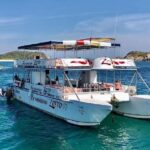
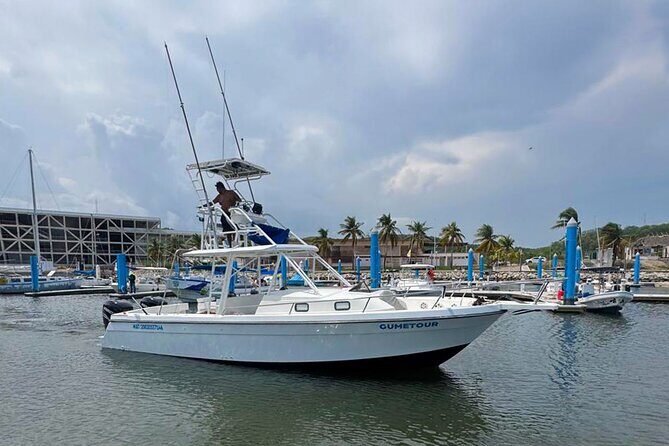
Big animals, calm vibes, and real science in motion. This Oceanico outing takes you offshore to look for dolphins, sea turtles, and whales, then eases you back through Huatulco National Park bays with hands-on marine guidance from guides like Peter and Isabel. I love that the trip blends wildlife searching with reef time, not just one or the other.
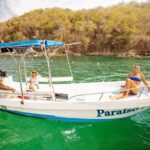
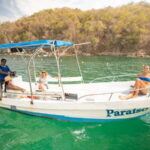
The second thing I like is the small-group feel. You’re typically on a compact boat with just a handful of people, which makes it easier to hear the science talk, get closer views, and snorkel in a more private spot. I also appreciate that you get water and snacks (granol bars and apples), plus life jackets and snorkel vests are on hand.
One drawback to know up front: this is not a sit-and-watch cruise. If you get motion sick, can’t swim about 100 meters, or struggle with a ladder entry, you’ll feel it fast. Also, there’s no bathroom onboard, so plan for that.
In This Review
- Key points before you go
- Ocean Eco Adventure: a small-boat way to see Huatulco like it matters
- The wildlife game plan: offshore time, plus science you can feel
- Dolphins, sea turtles, manta rays, and whales: what you can reasonably hope for
- Huatulco National Park cruising: bays with names you’ll remember
- Snorkeling at the best reef spots: what to expect and how to prepare
- Safety and comfort: ladder entry, weight limits, and sea-sickness planning
- Price and extras: is $83.64 a good deal here?
- Timing, whales season, and weather reality
- Who should book this, and who should skip it
- Should you book Ocean Eco Adventure with Marine Biologist Guides?
- FAQ
- How long is the Ocean Eco Adventure tour?
- What time does the tour start and where does it meet?
- Is snorkeling gear included?
- What extra fees should I bring cash for?
- What are the participation requirements for snorkeling?
- Do whales show up year-round?
- What should I do if I get motion sickness?
Key points before you go
- Marine biologist-led wildlife search offshore, with time spent on observation and data
- Seasonal humpback whale odds: 90% of tours Dec–Mar for sightings
- Private-feeling snorkeling in the national park, away from the loud crowd scene
- Small-boat pacing (about 4.5 hours total) focused on views, not rushing
- Bring cash for add-ons: park fee, marina entry, and possible snorkel gear rental
- Ladder access and no bathroom mean you’ll want basic comfort with boat movement
Ocean Eco Adventure: a small-boat way to see Huatulco like it matters
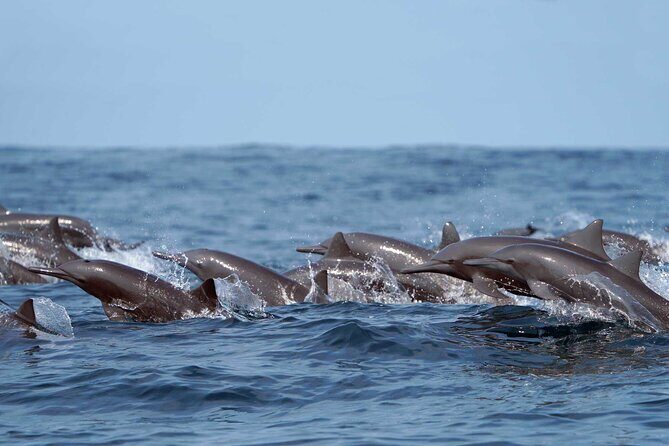
This tour works because it’s built around how the ocean actually behaves. You leave the marina and spend real time offshore, then you return along scenic bays for a reef stop that doesn’t feel like a cattle call. With Marine Biologists guiding the trip, you’re not just chasing photos—you’re learning what you’re seeing and why it’s there.
The group size is the other big reason it feels different. The boat carries a small number of people at a time (max 14, and in practice often around a dozen or fewer total), so you get more personal attention when wildlife shows up. That matters because sightings can happen fast, and you’ll want everyone in the right place at the right time.
And yes, you do get that classic Huatulco “wow” moment when you spot dolphins near the boat or see sea turtles cutting through the water. The difference here is that the guides keep you oriented—so you’re not just pointing and hoping.
You can also read our reviews of more tours and experiences in Huatulco.

The wildlife game plan: offshore time, plus science you can feel
The basic structure is simple. First, you cruise several miles offshore to search for dolphins, sea turtles, and whales. Then the guides share what they’re observing while the team collects research data as part of their marine work.
What I like about this approach is that it turns waiting into something useful. You’re out on the water long enough that you’ll get more than one “check the bucket list” moment, but the team keeps the experience educational instead of drifting into boredom. If you’re the type who asks why a sea turtle might surface in a certain pattern or how dolphins behave around a boat, you’ll appreciate the way the guides explain it.
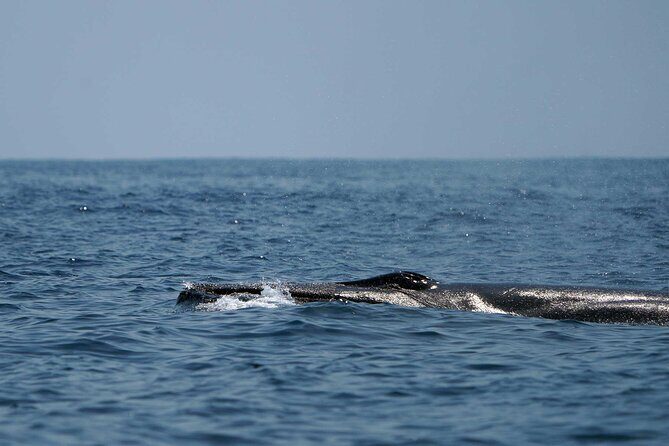
Also, whales have a real seasonal rhythm here. Humpback whales are seen on 90% of tours from December through March, so winter bookings have a major advantage. If you’re traveling outside that window, whales can still happen, but the odds are naturally lower—so set expectations accordingly and focus on dolphins, turtles, and the reef stop.
Dolphins, sea turtles, manta rays, and whales: what you can reasonably hope for
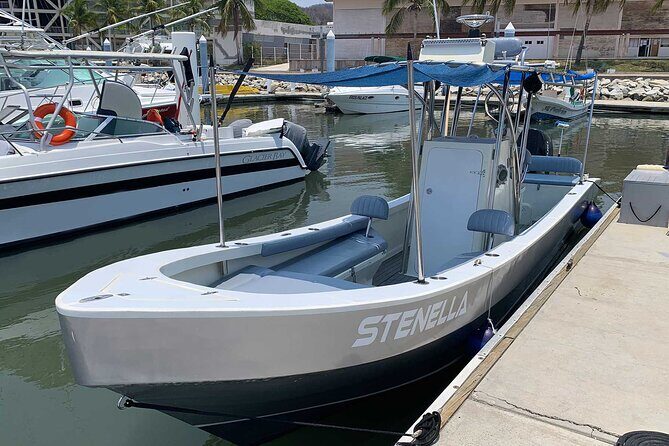
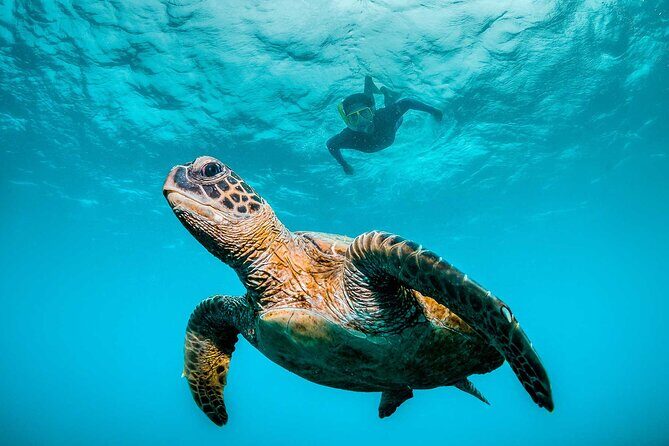
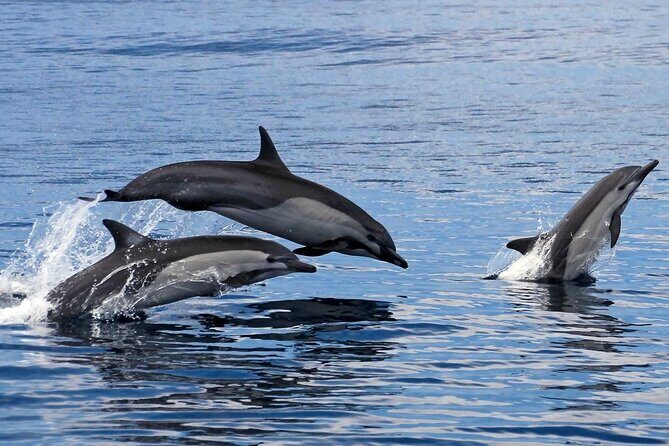
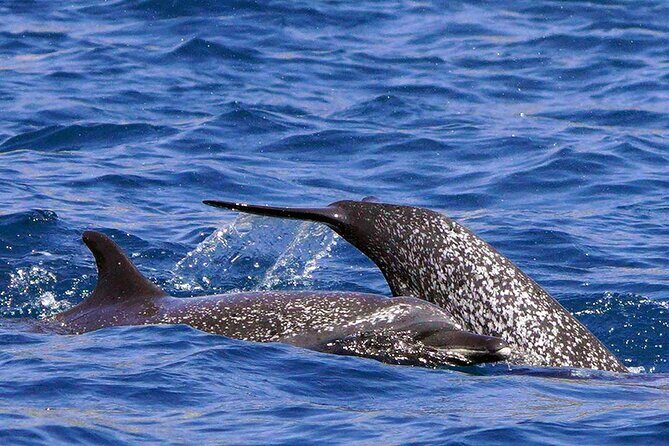
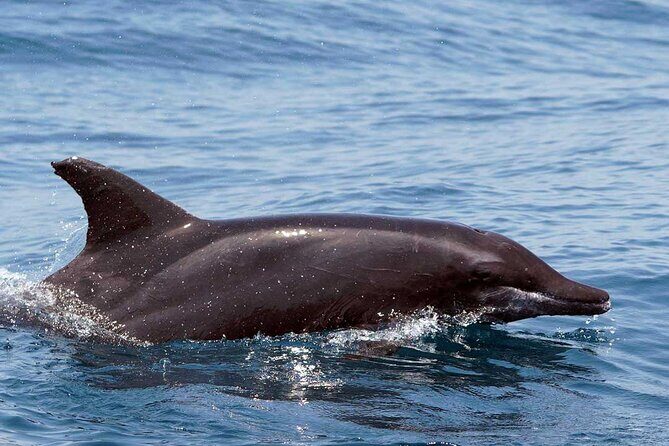
From what you can expect on the water, dolphins and sea turtles are the “steady performers.” Many trips include pods of dolphins (including spotted dolphins in some cases) and frequent sea turtle sightings, including olive ridley turtles. You might also see manta rays and other ocean wildlife during the offshore search.
Whales are the headline, but they’re also the ocean’s headline. The crew can work hard to find them, but they can’t control the whales’ movement or the day’s conditions. That’s why the best mindset is: come for the full experience—wildlife search plus reef time—so the tour still feels like a win even if whales are just quiet that day.
One neat detail that adds to the whale magic: when whales are around, there may be a chance to use an underwater microphone so you can experience the sound activity. On some trips, the team has even sent recordings afterward, which turns a fleeting sighting into a memory you can replay.
Huatulco National Park cruising: bays with names you’ll remember
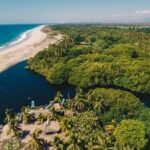
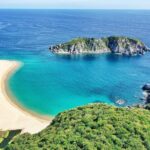
After the offshore portion, you head back toward shore through Huatulco National Park. You’ll cruise by a chain of bays, including Chachacual, La India, Cacaluta, Maguey, Organo, Santa Cruz, and Chahué. Even when wildlife slows down, the scenery keeps the energy up.
What makes this cruising segment valuable is that you’re traveling at a “see-and-learn” pace, not a speed-through situation. The guides point out things that connect what you saw offshore with what you’ll see at the reef—so the day starts to feel like one linked story.
It also helps that the boat isn’t trying to please a big party crowd. You’ll have the space to hear instructions clearly, follow where to look, and stay tuned when something breaks the surface.
Snorkeling at the best reef spots: what to expect and how to prepare
The snorkeling stop is the other major highlight. You’ll snorkel at coral reefs in Huatulco National Park, and it’s designed to be done away from the busiest, mass-excursion crowd scene. In practice, your time in the water is often around an hour, with plenty of time to take it slow and enjoy the fish and reef structure.
Here’s the practical part you need to plan for: you swim with equipment you bring only if you rented it, and access is via a ladder. Snorkel gear rental costs 250 pesos cash per person if you need it, and life jackets and snorkel vests are available (including for children up to adult size up to the posted weight limits). If you’ve snorkeled in open water before, you’ll feel more confident here.
You should also plan for movement. Even at calm-ish moments, the boat can roll. One review called out choppy water directly, and the general takeaway is that you’re not just stepping into a pool. If you have any motion-sickness history, it’s smart to be proactive.
And a small but important reality check: there’s no onboard bathroom. It’s the kind of thing you won’t think about until you need it, so plan your timing before you board.




Safety and comfort: ladder entry, weight limits, and sea-sickness planning
This is a swimming-and-climbing style excursion. You’ll need to swim about 100 meters and be able to climb the boat ladder to snorkel. If you want to stay onboard instead, that’s an option, but most of the value of the tour comes from being able to do the reef stop.
Also note the eligibility limits. The tour isn’t for everyone: people over 130kg can’t participate, pregnant travelers may not join, and it’s not recommended for serious medical conditions, recent surgeries, or heart problems. Because of inherent boat motion, you should skip it if you have back or neck problems.
On the motion-sickness side, take it seriously. Guides specifically suggest taking medicine in advance, with the practical note that it takes about 30–45 minutes to start working. If you use something like Gravol/Bonine, follow the label directions and consider trying it before this trip if you haven’t used it before.
Price and extras: is $83.64 a good deal here?
At $83.64 per person, this tour is priced as a mid-range ocean outing. The “value” comes from three things you don’t always get together: a small group, Marine Biologist guidance, and snorkeling in the national park.
What’s included matters. You get bottled water, snacks (granola bars and apples), life jackets, and snorkel vests. The trip is also run by Marine Biologists, so you’re not just buying access to water—you’re buying interpretation, wildlife searching, and research support.
What costs extra is also clear:
- Snorkel gear rental: 250 pesos cash per person (only if needed)
- Huatulco National Park fee: 65 pesos cash per person
- Chahué Marina entry fee: 10 pesos cash per person
So if you rent gear, your total day cost will be higher than the base price. Still, compared to bigger all-in-one catamaran formats that may feel rushed, the small-boat structure and reef time can justify the difference—especially if you care about wildlife and want a quieter experience.
One more practical detail: hotel pickup isn’t included. You’ll need to make your own way to Oceanico Huatulco, Sector P at Marina Chahue (start around 11:00 am). If you’re coordinating with taxis, give yourself extra buffer time so you’re not rushing with beach-level shoes and loose gear.
Timing, whales season, and weather reality
The tour runs only when weather allows. If it’s canceled due to poor weather, you’ll be offered a different date or a full refund.
Because you’re on open water part of the day, conditions can change your comfort level quickly. Even if you’re not scared of rough water, seasickness is a real factor for many people. The best prep is simple: bring your plan for motion sickness, keep your expectations flexible, and focus on what you can control—like being ready for ladder entry and taking your snorkeling time slow.
If seeing humpbacks is your priority, plan for Dec–Mar, when humpbacks are reported on the majority of tours. If you’re going in warmer months, you’ll still have plenty to see, but aim for the reef and the dolphins/turtles as your “sure things.”
Who should book this, and who should skip it
This tour is a great fit if you want:
- A small-group marine experience rather than a big party boat
- Wildlife searching led by Marine Biologists, with explanations that make the sightings stick
- Snorkeling in a national park reef stop with less crowd pressure
- A tour where you can stay calm, follow instructions, and enjoy the ocean’s pace
It’s not the right fit if:
- You can’t swim roughly 100 meters or don’t feel comfortable with ladder entry
- You struggle with motion sickness and don’t want to medicate or prepare
- You have limitations listed by the operator (pregnancy, serious medical issues, recent surgery, heart problems, back/neck problems, or weight over 130kg)
If you want a “no-effort” cruise with zero ladder or zero swimming, you might be happier with a different style of boat outing.
Should you book Ocean Eco Adventure with Marine Biologist Guides?
If you like marine life, want hands-on science storytelling, and enjoy snorkeling, I’d book it. The blend of offshore wildlife searching and a private-feeling reef stop is what makes this tour feel worth the money, and the Marine Biologist leadership turns sightings into something you understand—not just something you spot.
Do it especially if you’re traveling Dec–Mar and humpbacks are on your must-see list. If you’re going in another month, still book with the right mindset: whales aren’t guaranteed, but dolphins, sea turtles, and reef time are the core strengths of this outing.
One last tip: pack for comfort like this is a working boat day. Bring sun protection, stay aware of the ladder entry, and plan your snack timing. When the ocean behaves, you’ll get a very memorable half day out of it.
FAQ
How long is the Ocean Eco Adventure tour?
It runs about 4 hours 30 minutes.
What time does the tour start and where does it meet?
It starts at 11:00 am at Oceanico Huatulco, Sector P (Marina Chahue), Bahias de Huatulco, Oaxaca.
Is snorkeling gear included?
Snorkel gear rental is not included. It costs 250 pesos cash per person if you need it. Life jackets and snorkel vests are provided.
What extra fees should I bring cash for?
Bring cash for the Huatulco National Park fee (65 pesos) and the Chahué Marina entry fee (10 pesos). Snorkel gear rental (250 pesos) is extra only if needed.
What are the participation requirements for snorkeling?
You need recent snorkeling experience, be able to swim 100 meters, and be able to climb the boat ladder to participate in snorkeling.
Do whales show up year-round?
Humpback whales are seen on 90% of tours December through March. Outside that season, sightings aren’t guaranteed.
What should I do if I get motion sickness?
Because boat motion can be an issue, take motion-sickness precautions ahead of time. One practical note from the experience info is that medicine needs about 30–45 minutes to work.