REVIEW · MEXICO CITY
Tour to Teotihuacan from CDMX with entrances included
Book on Viator →Operated by Born to Travel Mexico · Bookable on Viator
Pyramids get way better with context. I like this Teotihuacán trip because it combines an air-conditioned vehicle with entrances included, so you lose less time and keep the day moving. My main caution: you’re in the open at high altitude with plenty of stairs and climbing, so pack good shoes and expect a workout.
You meet in Condesa at the Fuente de los Cántaros (easy to find, and a popular spot), then head out early with a guide in English. I also enjoy that the itinerary doesn’t waste the morning on stop-and-shop distractions; it focuses on the site itself, including housing areas and mural-packed spaces.
The day runs about 6 hours from pickup to drop-off, capped at a maximum of 16 people. That smaller group size keeps the pace lively and makes it easier to ask questions as you walk the Avenue of the Dead and around the major structures.
In This Review
- Key Highlights Worth Your Time
- Meeting at Parque México (Condesa) and the 7:00 am Start
- A Comfortable CDMX-to-Teotihuacán Transfer (Plus Rosetta Coffee)
- Quetzalpapálotl’s Housing Complex: Murals You Can Actually See
- Pirámide de la Luna: Stages, Purpose, and the Real Scale
- Pirámide del Sol: The Largest Giant Moves Fast
- Palacio de Tetitla: Murals in Great Condition
- Templo de Quetzalcóatl: Stone Carving and Peak Art
- Getting the Most Value: Entrances Included and a Focused Route
- Your Guide Makes (Or Breaks) It: Gio and Bruno’s Teaching Style
- What the Day Feels Like on Your Feet
- Who Should Book This Teotihuacán Tour?
- Should You Book This Teotihuacán Tour from CDMX?
- FAQ
- What time does the tour start?
- Where do I meet for the Teotihuacán tour?
- Is the tour in English?
- How long is the tour?
- Are the entrance fees included?
- What’s included besides the guide and entrances?
- What if weather is bad?
Key Highlights Worth Your Time
- Entrances included so you can focus on the ruins, not tickets or ticket lines
- Small-group size (up to 16) keeps the tour personal and question-friendly
- More than the pyramids: you also visit mural-rich housing complexes like Tetitla and Quetzalpapálotl
- A history-heavy guide style with clear explanations of what you’re seeing and why it mattered
- Smart use of time: the route is planned to cover major areas without turning into a shopping loop
- Start at 7:00 am to beat crowds and get comfortable before the hottest part of the day
Meeting at Parque México (Condesa) and the 7:00 am Start
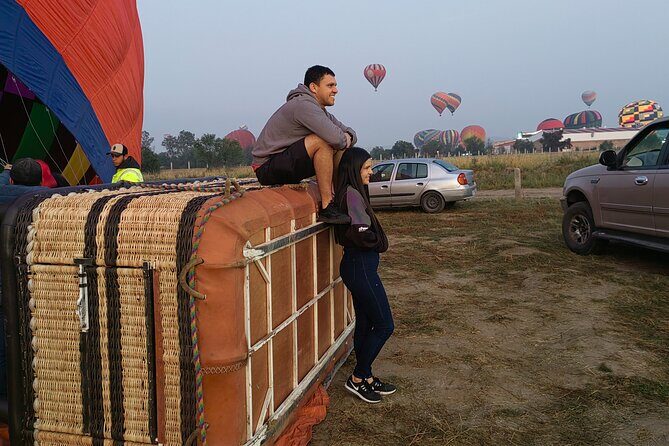
The whole trip is built around a simple plan: meet near Parque México in Condesa and roll out early. The starting point is Fuente de los Cántaros, Hipódromo, Cuauhtémoc, 06100 Ciudad de México, CDMX. It’s also near public transportation, which matters in a city where traffic can make a “close” meeting spot feel far.
A 7:00 am departure is not random. Teotihuacán is popular, and early timing helps you get your bearings before the site fills up. It also means you get the hardest walking and the bigger pyramid views while you’re still fresh.
One more detail I appreciate: the tour includes the full back-and-forth from the same meeting spot. You don’t have to figure out what bus goes where, or scramble for a ride after you’ve climbed and sweated through the morning.
You can also read our reviews of more tours and experiences in Mexico City.


A Comfortable CDMX-to-Teotihuacán Transfer (Plus Rosetta Coffee)
Transfers are half the battle for a day trip. This one includes an air-conditioned vehicle, which can feel like a luxury when you’re leaving Mexico City in the morning. The drive time in practice can vary with traffic; you should plan for a block of time for the trip out and then another for the return.
Before you hit Teotihuacán, there’s a quick stop at Panadería Rosetta for coffee. It’s short—just enough for a caffeine reset—so you don’t lose the morning to a long meal. If you’re the type who likes to start the day with something familiar, coffee here is a nice bridge from city life to ancient stone.
Practical tip: drink a little water before you get moving. The site is exposed and the walking adds up fast, even if you’re only doing “half a day.”
Quetzalpapálotl’s Housing Complex: Murals You Can Actually See
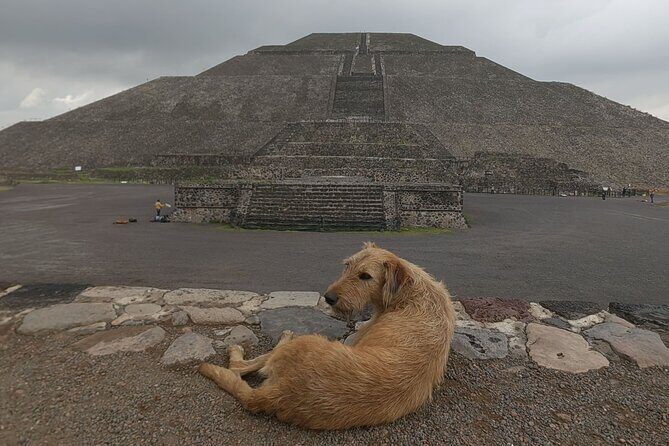
Instead of jumping straight to the biggest pyramids, the tour starts in a residential area: Palacio de Quetzalpapálotl. Think of it as an early lesson in how Teotihuacán wasn’t just monumental architecture. People lived here—built spaces, decorated walls, and used techniques that show real artistic planning.
At this stop, you’ll explore:
- Construction style in a housing complex
- The murals that once decorated these spaces
The value of starting here is pacing. Early on, you’re still thinking like a student. Then the trip gets bigger and bolder as you move toward the pyramids.
A small but meaningful point: mural sites can be harder to appreciate on your own because it’s easy to miss what’s a decoration versus what’s just stone. A good guide helps you read the walls—so you leave with more than “it was impressive.”
Pirámide de la Luna: Stages, Purpose, and the Real Scale

Next comes Pirámide de la Luna (Pyramid of the Moon). This is one of the anchor sights of the complex, and the tour focuses on two things: the monument’s greatness and its different construction stages.
At this stop, expect explanations about:
- How the pyramid was built through multiple phases
- What these major monuments were built for (in the sense of function and meaning, not just who built what)
It’s also one of those places where scale hits you differently when someone gives you the mental map. On your own, you can stare at the pyramid and still not understand why that shape matters. With interpretation, the pyramid becomes a story.
And yes—this is part of the workout. You’ll climb, walk, and move at altitude. The site is open, so bring sunscreen and a hat if you’re the sun type.
Pirámide del Sol: The Largest Giant Moves Fast
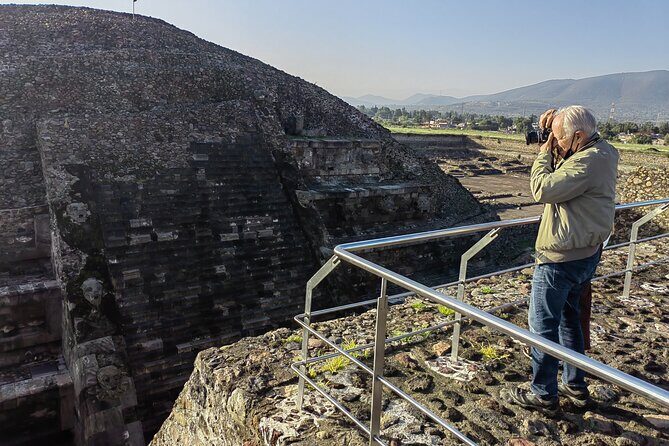
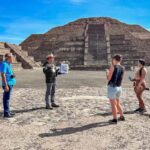
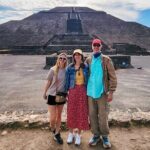
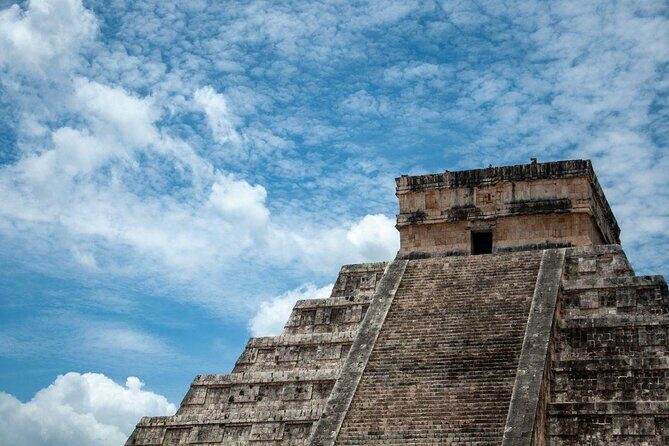
Then it’s Pirámide del Sol (Pyramid of the Sun). This is the big one—largest construction in Teotihuacán—and the tour treats it like the centerpiece it is.
The time here is shorter than the Moon pyramid, so you’ll want to be ready to absorb fast:
- Magnitude and overall layout
- What makes it the largest construction
- How it fits into the bigger religious and civic picture
If you’re hoping for a slow, contemplative visit, this is the part that can feel a little quick. But the payoff is that you get to see it properly and still cover the other major areas—especially the mural-rich housing complexes that a lot of generic tours skip.

Palacio de Tetitla: Murals in Great Condition
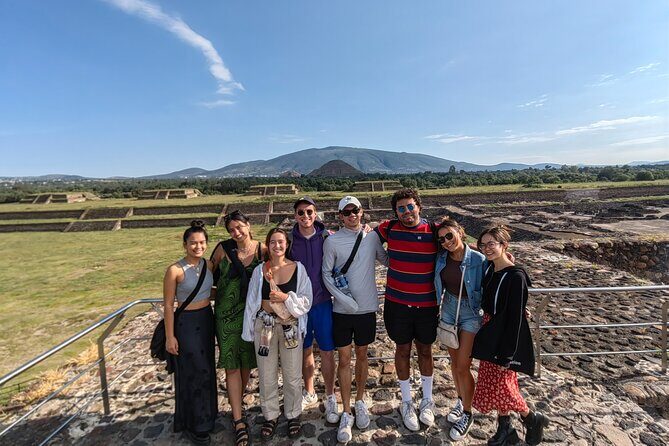
After the big pyramids, the tour shifts back to art and daily life with Palacio de Tetitla. This is another housing area, and it’s often the relief you didn’t know you needed after climbing and broad vistas.
Here, the key draw is the murals and their conservation—described as in very good state. That matters because mural detail is where you can actually feel the craft of Teotihuacán. When paintings survive well, it’s easier to see what artists wanted you to notice.
This is also where the tour’s “more than the postcards” strength shows. The pyramids are iconic, sure. But the mural sites make you understand Teotihuacán as a living culture that used walls as communication—religion, status, and symbolism all mixed into the architecture.
Templo de Quetzalcóatl: Stone Carving and Peak Art

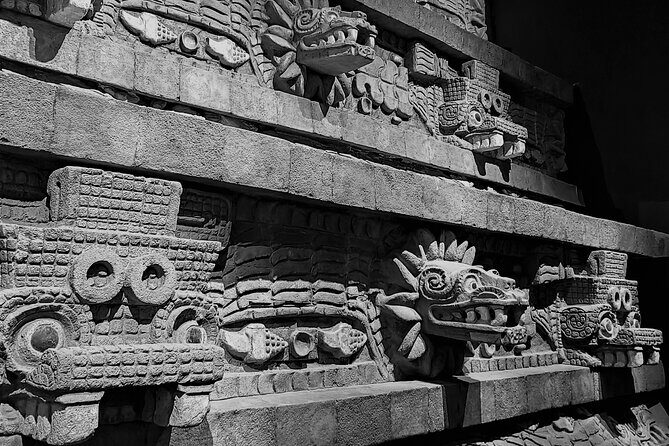
The tour then heads to Templo de Quetzalcóatl (Temple of Quetzalcóatl). This stop focuses on grandeur and the precision of art carved into stone—described as a pinnacle of art and stone carving.
Why this matters to you: temples like this aren’t just “pretty rocks.” They’re high-signal points for meaning, design, and craftsmanship. Without guidance, it’s easy to glance at a façade and move on. With the right explanations, you start noticing the design logic that ties symbolism to stonework.
Timing here is generous—about 45 minutes—which is a good sign. A longer stop helps you absorb the carvings and the way the space communicates its purpose.
Getting the Most Value: Entrances Included and a Focused Route
This trip is priced at $83.63 per person for about 6 hours, including the site entrances. That sounds basic, but in practice it’s a big deal. Entrance fees are one of those travel costs that can sneak upward, and they also add friction if you’re coordinating your own tickets while trying to keep pace with your day.
You also get a planned route that aims to cover major areas quickly. One of the most praised parts of this tour style is that it doesn’t turn into a parade of tourist shops. That matters if you’re short on time and you’d rather spend your hours looking at structures instead of buying trinkets you don’t really need.
Vehicle logistics also help. The plan uses a setup where you can cover more ground without committing to every steep uphill walk. You’ll still walk a lot, but it’s managed.
In short: the “entrances included + focused routing” combo gives you a more efficient day, and you finish with a clearer sense of Teotihuacán as a complete complex rather than a quick highlight reel.
Your Guide Makes (Or Breaks) It: Gio and Bruno’s Teaching Style
This tour’s standout ingredient, based on the people who lead it, is how the guide teaches. Names you may encounter include Gio and Bruno. In both cases, the common thread is clarity: they explain what you’re looking at and connect it to the human story behind the stones.
A few things I’d plan for, based on what’s been praised:
- Strong English delivery, with at least one guide (Gio) described as unaccented and easy to understand
- Answers to questions, even when curiosity pulls the group off-script
- Check-ins during walking so the pace stays comfortable
- Bathroom and water/snack planning, which you’ll appreciate on a long morning in the sun
One of my favorite guide habits is when they manage attention. They don’t just point at things; they teach you how to look. That’s what turns Teotihuacán from huge into meaningful.
And the guides seem to care about safety and comfort: the meet-up spot in Condesa is described as easy and safe, and the tour pacing includes built-in breaks rather than a nonstop march.
What the Day Feels Like on Your Feet
Here’s the honest shape of the experience: you’ll cover a lot of ground in half a day. That’s why good shoes and water are non-negotiable. Altitude can make you feel it faster, and the open-air walkways mean you don’t get much shade.
Expect a rhythm like this:
- Morning starts calm with coffee and early residential areas
- Midday shifts to the big pyramids (more climbing, more exposure)
- Afternoon finishes with art-heavy stops like Tetitla and the Quetzalcóatl temple
The benefit of this rhythm is variety. You don’t just repeat “look at another pyramid.” You see Teotihuacán as both a ceremonial center and a lived-in world.
Who Should Book This Teotihuacán Tour?
I’d book this if you want:
- A history-and-architecture style visit, not a rush-through photo stop
- A guide-led way to understand what the structures were built for and how they connect
- Included entrances and an efficient route that respects your time
- An English-speaking guide and a small-group feel (up to 16)
You might skip it if:
- You hate climbing and long outdoor walking
- You need a super-slow, flexible schedule with lots of free time to wander alone
- Your plan depends on being fully shade-covered, because the site is largely exposed
This is best for first-timers to Teotihuacán who want the big sights and the context that makes the sights click.
Should You Book This Teotihuacán Tour from CDMX?
If you’re choosing between DIY and a guided day trip, this one is an easy “yes” for most people. The value comes from the combination of entrances included, a small group, and a guide who focuses on understanding what you’re seeing—not just counting pyramids.
Book it if your priority is a clear, educational half-day with major stops plus mural-packed housing areas like Tetitla and Quetzalpapálotl. I’d also lean toward booking if you’re staying near Reforma/Condesa since the meet-up spot is simple to find.
The only real reason to hesitate is if you’re not up for altitude, stairs, and sun. If you can handle that, you’ll leave with a much better mental map of Teotihuacán—and a sense that you didn’t just visit, you actually learned.
FAQ
What time does the tour start?
It starts at 7:00 am, and it ends back at the same meeting point.
Where do I meet for the Teotihuacán tour?
The meeting point is Fuente de los Cántaros at Hipódromo, Cuauhtémoc, 06100 Ciudad de México.
Is the tour in English?
Yes. The tour is offered in English.
How long is the tour?
The duration is about 6 hours.
Are the entrance fees included?
Yes, entrances to the site are included.
What’s included besides the guide and entrances?
The tour includes an air-conditioned vehicle and a tour guide. It also uses a mobile ticket.
What if weather is bad?
This tour requires good weather. If it’s canceled due to poor weather, you’ll be offered a different date or a full refund.