REVIEW · GUADALAJARA
Tonalá and Tlaquepaque Tour: Private Mexican Pottery Experience
Book on Viator →Operated by Jalisco Trip Tours · Bookable on Viator
Tonalá and Tlaquepaque can feel like one long artist’s day. This private tour strings together live ceramic workshops with market time and historic churches, so you’re not just looking at art behind glass. I especially love getting face-to-face with families who still make Jalisco ceramics the old-school way, and I also like that you get a private guide who can shape the pace around what you care about, from craft details to shopping.
One thing to consider: the schedule is appointment-based, so you won’t have total free roam in Tonalá or Tlaquepaque. Also, lunch isn’t included, so plan on buying your own meal (or snacks) while you’re out.
In This Review
- Key highlights you’ll care about
- Why this Tonalá and Tlaquepaque tour works as a full day
- Your private guide experience: more than “a person with a van”
- Touring Tonalá: from Galería Bernabe to the municipal building
- The Tonalá market windows: when you actually get the craft stalls
- Churches that teach architecture: Santiago Apostol and what to notice
- The best hands-on moment: the Pilar Núñez ceramic workshop
- Tlaquepaque center on foot: colonial streets and the main square
- El Parián de Tlaquepaque: the cantina-style break
- Two more church stops: San Pedro Apóstol and Our Lady of Solitude
- Ceramic Museum and Sergio Bustamante Gallery for context
- Shopping that’s actually interesting: Nuestros Dulces and Plazoleta Art
- How the timing feels in an 8-hour private day
- Price and value: what $179.54 buys you in practice
- Who should book this pottery tour, and who should skip it
- Should you book the Tonalá and Tlaquepaque pottery tour?
- FAQ
- How long is the Tonalá and Tlaquepaque tour?
- What time does the tour start?
- Is this a private tour?
- Is hotel pickup included?
- What pottery experiences are included?
- Is the Tonalá craft market visit always available?
- Is lunch included?
- Is the cocktail at El Parián included?
- What happens if I need to cancel or if the weather is poor?
Key highlights you’ll care about
- Two pottery workshops with time to watch techniques and make something yourself
- Guided Tonalá craft market that runs only on Thursdays and Sundays
- Church-and-architecture stops where you’ll actually learn what you’re seeing (not just pass by)
- Jardín Hidalgo and Tlaquepaque’s historic center for colonial streets, galleries, and street food areas
- El Parián de Tlaquepaque for a classic cantina-style drink stop (cocktail not included)
- Sergio Bustamante Gallery + Ceramic Museum for museum-level context without making your day feel too academic
Why this Tonalá and Tlaquepaque tour works as a full day
If you’ve ever wondered how Tonalá’s pottery becomes the pieces you see all over Mexico and abroad, this tour is built to answer that. Instead of only sightseeing, you see the “how” first: clay, shaping, and workshop routines led by local artisan families. Then you shift to Tlaquepaque, where the same craft culture shows up in galleries, stores, and the town’s historic core.
I like that the day is structured but not rushed in the way some factory-style tours are. You get real guided time in town centers, plus real workshop time. In particular, guides like Fernando and Polo show up in the experience as coordinators who keep things smooth, which matters when you’re traveling between multiple neighborhoods and appointments.
That said, the day is paced around scheduled workshop visits and timed stops. So if your dream is wandering Tonalá streets for hours on your own, this won’t be that trip. Think of it as a curated artisan day with room to breathe, not a free-form roam.
You can also read our reviews of more private tours in Guadalajara



Your private guide experience: more than “a person with a van”
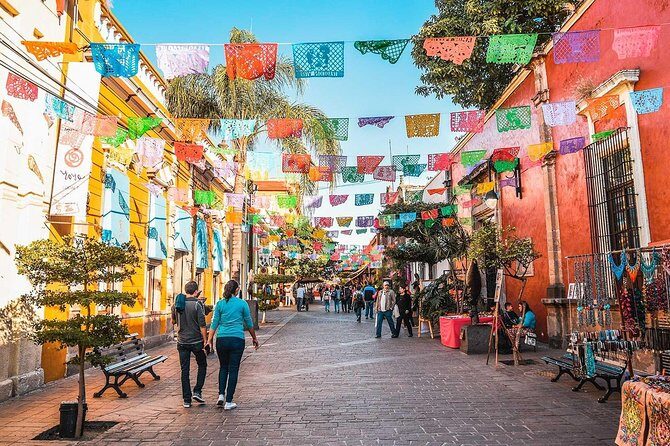
You’re not booking a shared bus tour where you’re stuck in a group rhythm. This is a private experience with hotel pickup and dropoff, plus private transportation. That means you can ask questions, change your pace inside limits, and get the kind of context that makes ceramics and architecture click.
From the names people remember most, Fernando and David stand out as guides who explain history with clarity and keep the day moving at a comfortable speed. And yes, that matters. When you’re watching pottery processes, the details are easy to miss if nobody explains what’s happening and why.
You’ll also feel the planning behind the scenes. The route is designed around workshop appointments, so you’re not bouncing around “on your own time” and risking being late to a studio visit. That’s a hidden benefit, even if you like spontaneity—because pottery is schedule-driven.
Touring Tonalá: from Galería Bernabe to the municipal building
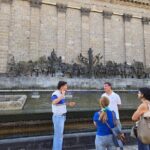
The Tonalá portion starts with a workshop visit at Galería Bernabe, where you’ll see a recognized artisan’s studio life up close. The stop is about 45 minutes and includes admission, which is a helpful sign you’re not just doing a quick photo stop. In a ceramics town, this is the part that teaches you what to look for later—surface texture, shapes, and how techniques differ by family.
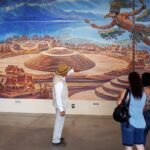
Then you head toward the Tonalá Municipal Building. This is shorter—around 20 minutes—and it’s focused on architecture plus a mural dedicated to Tonalá’s history. One practical note: access to murals and specific interiors can depend on availability from local authorities. If it’s open, it adds a strong “place story” between workshops and markets.
The Tonalá market windows: when you actually get the craft stalls
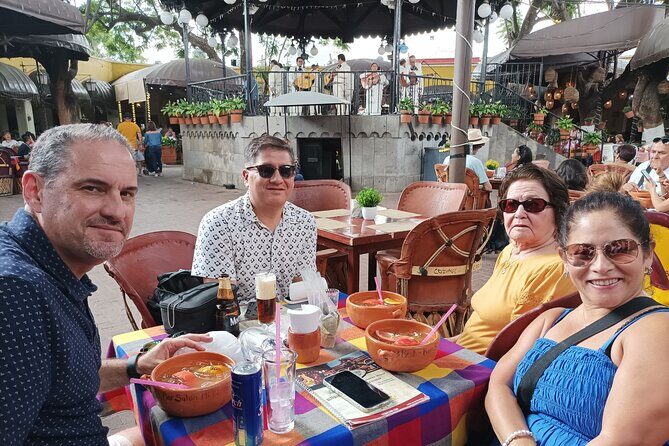
The tour’s market segment hits the heart of Tonalá’s reputation. You’ll visit the Tonala Craft Market, billed as the largest craft marketplace in Guadalajara—but there’s a catch. It’s only available on Thursday and Sunday.
Plan accordingly. If your travel dates land on other weekdays, you may not get that specific market block. The itinerary still covers core Tonalá stops, but you should treat the craft market as date-dependent value.
Right after that, you’ll have time at the Mercado Municipal Tonalá, where you’ll see the everyday version of local food and shopping. This is about 15 minutes, and it’s a great chance to smell what’s cooking and look at everyday stalls selling items like produce and meats, plus food counters where dishes such as birria, menudo, chilaquiles, tortas, and tacos are common. The only downside is the time is short—so go hungry for taste, not for a long sit-down meal.
Churches that teach architecture: Santiago Apostol and what to notice
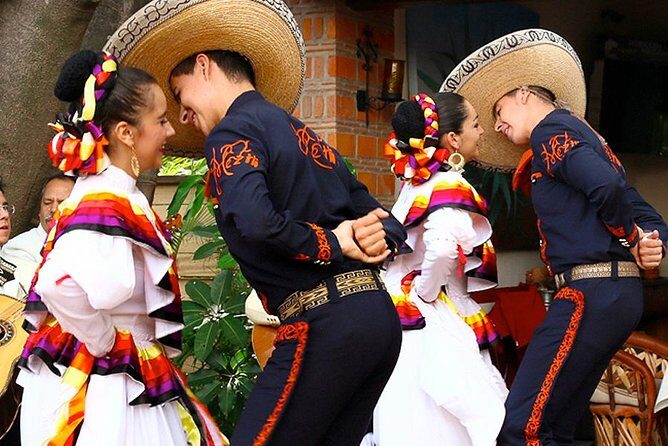
Tonala’s church stop is the Parroquia de Santiago Apostol, and it’s one of those places where learning a few details makes the building far more interesting. Construction began in the late 1500s and early 1600s, then finished in the late 1700s, so the church shows multiple architectural influences.
You’ll see references to Neoclassical structure mixed with Baroque and even Neocolonial elements. Inside, the plan is described as three naves with Tuscan columns and 21 groin vaults. If that sounds nerdy, good—it’s also the kind of thing a guide can help you spot with your eyes once you know what to look for. The altarpiece dates to 1954 and was designed by architect and priest Pedro Castellanos.
Timing is about 15 minutes, so you’re not getting a cathedral-hour experience. But you are getting a quick, guided “architecture primer” that connects the town’s craft identity to its colonial-era roots.




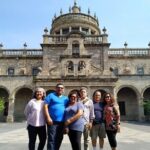
The best hands-on moment: the Pilar Núñez ceramic workshop
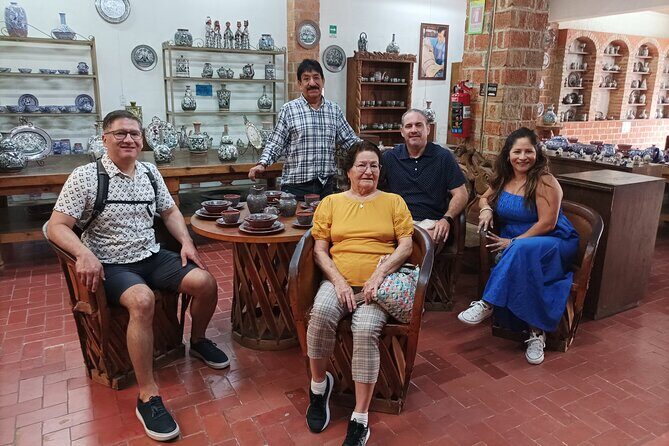
This is the stop most people remember for the practical reason: you make something.
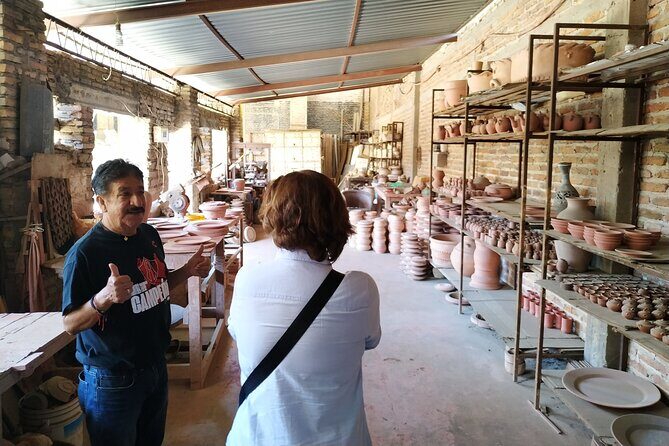
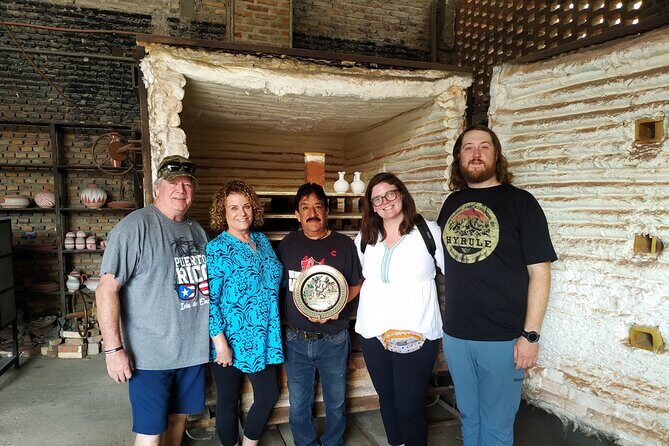
At Pilar Núñez, the workshop is associated with artisans from a fourth generation family, and the studio is described as specializing in modeling clay figures and busts. The workshop session lasts about 1 hour 30 minutes and includes admission. It’s set up as a guided creation time with a local artisan, so you’re not left staring at clay like it’s a mystery.
One smart way to think about this stop is: it’s not just souvenir production. It’s a mini lesson in form. When you shape a piece, you start understanding why certain ceramics look the way they do—proportions, thickness, and how details show up after firing (even if you aren’t doing the firing yourself).
Practical note: you’ll be crafting in a workshop environment, so your “shopping energy” might shift after. If you’re planning to buy delicate ceramics, keep in mind you’ll have just spent time making your own.
Tlaquepaque center on foot: colonial streets and the main square
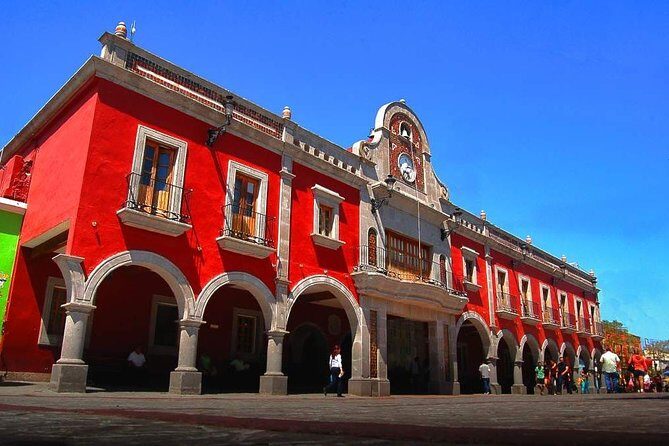
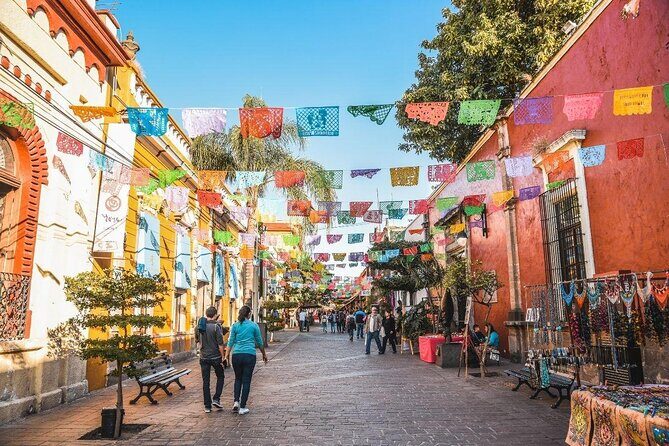
After the Tonalá craft focus, the mood changes in Tlaquepaque Centro. This part is about an hour with a local guide, and it’s built around strolling. You’ll see colonial architecture, squares, churches, museums, monuments, art galleries, and areas where local cuisine is easy to spot.
The main square is Jardín Hidalgo, with a central kiosko/gazebo and the two big church anchors: San Pedro and Santuario. The stop is short (around 10 minutes), but the setting is exactly what you want in Tlaquepaque—an easy place to pause, watch street life, and connect the buildings you just learned about to the town’s day-to-day rhythm.
El Parián de Tlaquepaque: the cantina-style break
Then you’ll step into El Parián de Tlaquepaque, described as the largest “cantina” in Mexico. This is a great contrast stop after church and market walking. You can enjoy a typical cocktail here, but it’s not included, so treat it like a pay-what-you-want moment or skip if you’d rather use time for other shops.
This stop is about 20 minutes with admission included, and it’s mostly about atmosphere. The building and setting help you understand why Tlaquepaque is so popular for evenings and casual hangouts, not just daytime sightseeing.
Two more church stops: San Pedro Apóstol and Our Lady of Solitude
The itinerary adds two more major religious landmarks.
First is Parroquia San Pedro Apóstol. Construction began in 1670 but wasn’t completed until 1813 due to financing issues. It’s built from gray quarry stone and described as blending Baroque, Roman, and Byzantine styles. The stop is about 15 minutes, so it’s a “spot the style mix” kind of visit.
Next comes the Our Lady of Solitude Sanctuary, begun in 1741. It faced funding problems and was suspended during part of the 1800s before finishing in 1878. This sanctuary blends Baroque, Neoclassical, and Neo-Gothic styles.
If you want one tip for these church stops: slow down for ten seconds and look up. In these buildings, the details you learn from a guide are easier to catch when you aren’t speed-walking the whole time.
Ceramic Museum and Sergio Bustamante Gallery for context
If you like turning a craft experience into something you can explain later, the Ceramic Museum (Museo Regional de la Ceramica) helps. It’s in an old 19th-century mansion turned into a museum. You’ll see essential Jalisco pottery pieces, and there’s also mention of a representation of a Mexican kitchen from about 200 years ago, depending on availability. This stop is about 20 minutes and includes admission.
Then you’ll visit Sergio Bustamante Gallery for about 15 minutes with admission included. This gallery stop matters because it reminds you pottery isn’t the only art language in the area. It’s a quick way to expand from craft tradition into contemporary creative expression.
Shopping that’s actually interesting: Nuestros Dulces and Plazoleta Art
In most tours, shopping means wandering. Here, the stops point you toward places with strong identity.
At Nuestros Dulces, you’ll visit a shop that holds a Guinness World Record for the largest number of tequila bottles for sale—reported as more than two thousand. You can also buy typical regional sweets. The stop is short (about 10 minutes) but it’s memorable because it’s so specific.
Finally, you end in Plazoleta Art, where you’ll find the giant Tlaquepaque letters plus craft shops and bars. You’ll have about 15 minutes there before returning to your hotel with your guide.
How the timing feels in an 8-hour private day
This tour runs about 8 hours starting at 9:30 am. That full-day length matters because you’re combining three different “modes” in one trip: workshops, markets/food walking, and historic center sightseeing.
Expect the day to feel like:
- Morning: Tonalá craftsmanship and market culture
- Midday: hand-making a ceramic piece
- Afternoon: Tlaquepaque streets, churches, and art stops
Because workshops are scheduled, you should save the most flexible energy for the ceramic-making portion. It’s the point where you’ll likely get the most out of slowing down.
Also, wear walking shoes. You’ll be outside in town centers and around squares more than once. The church stops are short, but the walking between them adds up.
Price and value: what $179.54 buys you in practice
At $179.54 per person, this is not a budget “see a few sites” tour. So here’s the value math that matters.
You’re paying for:
- Private transportation plus hotel pickup and dropoff
- Bottled purified water and soda/mineral water
- Two pottery workshops (admission included at those stops)
- A local guide for history and context across both towns
- Entry where listed (some churches and museums are included; others are free)
The biggest value driver is the hands-on pottery time plus the fact that you’re not doing it as a hurried group stop. The workshop experience is the part you can’t replicate as easily on your own without knowing the right studios, and the private format saves you from splitting attention.
The main reason the price can feel high is also the main reason it works: it’s a full, scheduled day with appointments. If you’re the type who only wants two quick stops and a photo, you’ll feel the cost. If you want an all-in artisan day with real studio time, it’s easier to justify.
One more cost consideration: lunch isn’t included, and the cocktail at El Parián isn’t included either. Build in a meal budget and a drinks budget if you plan to indulge.
Who should book this pottery tour, and who should skip it
This tour is a good match if you:
- Want real workshop time and not just looking at ceramics
- Like architecture and want explanations that help you notice details
- Prefer a private guide who can keep the day comfortable
It might not be your best fit if you:
- Want total free wandering and lots of unscheduled time in Tonalá
- Are only interested in markets and not the ceramic-making process
- Are on a tight schedule that can’t handle an 8-hour day
One practical check: the experience notes it requires good weather. If skies are unpredictable, you may be offered a different date or a refund, depending on how the cancellation is handled.
Should you book the Tonalá and Tlaquepaque pottery tour?
I’d book this if you want a full artisan day that mixes craftsmanship, markets, and guided town walking without turning into a scavenger hunt. The standout strength is that the tour is built around live pottery workshops and a guided understanding of why these places matter, not just where they are.
Skip it if your ideal Guadalajara day is shorter, more self-directed, or centered only on galleries with no hands-on making. In that case, you may prefer building your own route.
If you do book, come with two mindsets: one for watching how artisans work, and one for accepting that the schedule is appointment-based. That’s what keeps the day running smoothly and makes the hands-on pottery moment actually work.
FAQ
How long is the Tonalá and Tlaquepaque tour?
The tour is about 8 hours.
What time does the tour start?
It starts at 9:30 am.
Is this a private tour?
Yes. It’s private, and only your group participates.
Is hotel pickup included?
Yes, pickup and dropoff are included. You’ll be picked up from your accommodation in the metropolitan area of Guadalajara, and you need to notify the provider of your location at least 24 hours before.
What pottery experiences are included?
You’ll visit two pottery workshops, and admission is included for those workshop visits. A ceramic lesson is part of the experience at the workshop where you make your own piece.
Is the Tonalá craft market visit always available?
No. The Tonalá craft market is only available on Thursday and Sunday.
Is lunch included?
No, lunch isn’t included.
Is the cocktail at El Parián included?
No. You can enjoy a typical cocktail there, but it’s not included.
What happens if I need to cancel or if the weather is poor?
The experience is non-refundable and cannot be changed for any reason. If the experience is canceled due to poor weather, you’ll be offered a different date or a full refund.