REVIEW · GUADALAJARA
Private Cultural and Gastronomy Tour Full Day Tapatío
Book on Viator →Operated by Noemi Castillo · Bookable on Viator
Guadalajara hits different with food and art. This private Tapatío cultural and gastronomy day links downtown history to real local flavors, led in English by Noemi Castillo.
I especially like how the route feels built for your attention span: you get big sights, then you get fed, then you get more stories.
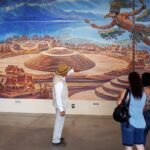
What makes this tour shine is the hands-on rhythm. You’ll start with a traditional breakfast you can order right there—Birria de Chivo plus fresh tortillas and an included pot coffee—and it keeps going with clearly planned stops for snacks, lunch, and even a late final drink. You’ll also see José Clemente Orozco’s murals in a way that actually explains what you’re looking at, including The Man on Fire.
The main drawback to plan for: it’s a long walking day. Expect heat, cobblestones, and a finish that runs late afternoon into early evening, plus not every stop is a meal-heavy sampling situation. Also, tips aren’t included, so budget for that if you want to thank your guide.
Top reasons this tour works so well
- Birria de Chivo breakfast with coffee included at a historic-style restaurant (Nueve Esquinas)
- Orozco + Guadalajara landmarks tied together with stories, not random photo stops
- Full meal momentum: Tejuino snack, Mercado Libertad lunch, plus a sweet stop at El Santuario
- Market lunch choices like Enchiladas, Chile Relleno, Tampiqueña, and drinks such as Jamaica water or horchata
- A real ending at Los Famosos Equipales with the alcoholic drink Las Nalgas Alegres (for legal age)
In This Review
- A full-day Tapatío plan built around eating and walking smart
- Nueve Esquinas breakfast: birria de chivo, tortillas on display, and coffee
- From Los Dos Templos to Avenida 16 de Septiembre: city layers under your feet
- The mural stop you don’t want to rush: José Clemente Orozco in context
- Plaza de Armas and the Guadalajara Cathedral: squares, kiosks, and Santa Inocencia
- A square-to-legend sequence: small cemetery, dome painting, fountain stories, then tejuino
- Plaza Tapatía and the Cabañas Hospice: where Orozco becomes unavoidable
- Mercado Libertad lunch: Enchiladas, Chile Relleno, Tampiqueña, Jamaica or horchata
- Museo del Periodismo, El Santuario fritters, and the final drink at Los Famosos Equipales
- Price and value: what you really get for about $224
- How to prepare so the long walk feels like a win
- Should you book the Private Cultural and Gastronomy Tour Full Day Tapatío?
- FAQ
- How long is the full-day tour?
- What food and drinks are included?
- Are museum or attraction entry tickets included?
- Is this tour private, and is it in English?
- Where does the tour start and is pickup available?
- Is alcohol included, and are tips covered?
- Can I cancel for a full refund?
A full-day Tapatío plan built around eating and walking smart
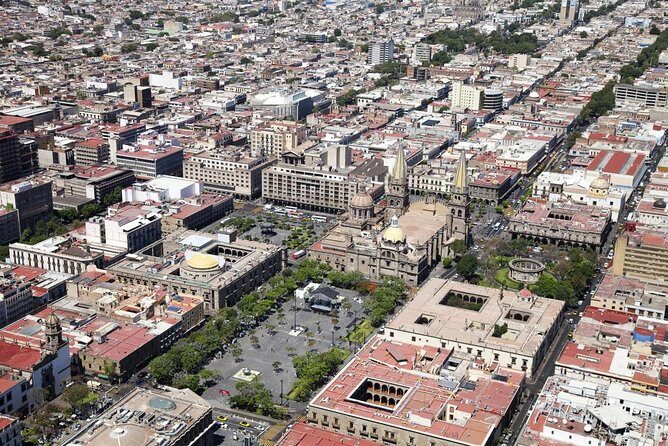
This is the kind of Guadalajara day trip I like for first-timers, because it doesn’t treat food as an afterthought. It’s a straight downtown-to-neighborhood cultural walk, and each stop supports a theme: how people lived here, how the city changed, and how that history shows up in food, art, and religious stories.
You’ll move through major squares and churches, then step into the market for lunch, then finish with one of the oldest canteens in town. The pacing aims for a casual walk, but it’s still real walking. If you’re the type who gets tired after 90 minutes outside, you’ll want to treat this like a hike with breaks—bring water, plan for heat, and wear shoes you trust.
A bonus: this tour is private, so your group sets the vibe. And Noemi Castillo (the provider) is known for being energetic and adapting when you care more about churches, murals, or time in the market.
Nueve Esquinas breakfast: birria de chivo, tortillas on display, and coffee
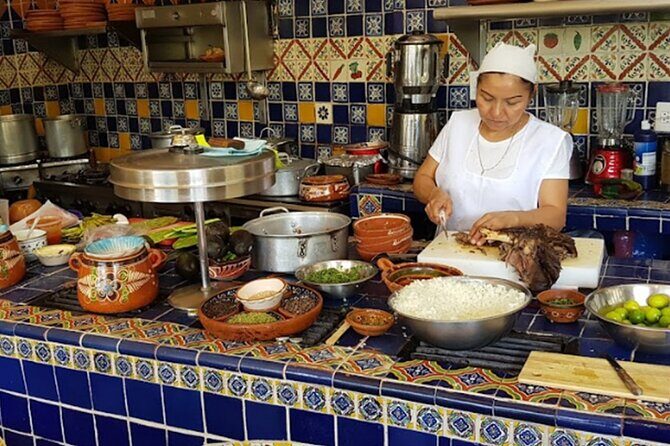
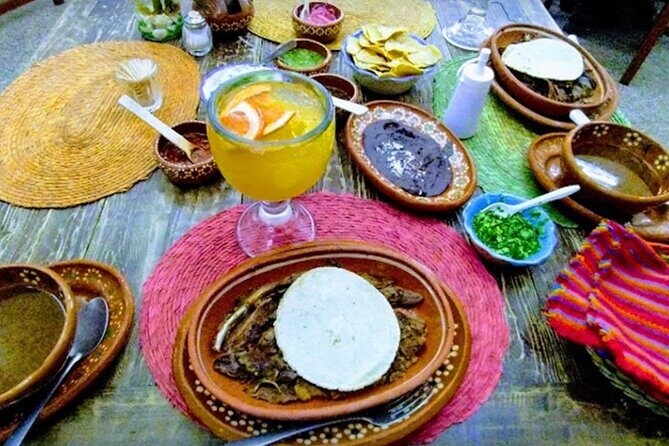
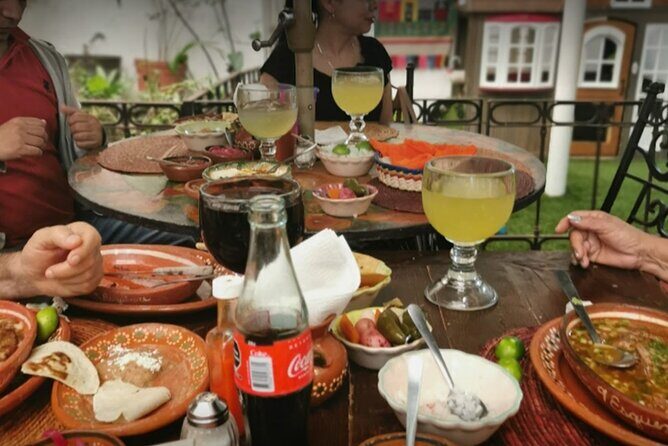
The day starts at Plaza de las 9 Esquinas in Zona Centro, then you head to Nueve Esquinas for breakfast at a restaurant that preserves the original structure of an old mansion. The setting matters because it changes how you taste. You’re not eating in a generic “tourist stop.” You’re eating in a place with character.
Here’s what you can look forward to:
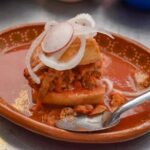
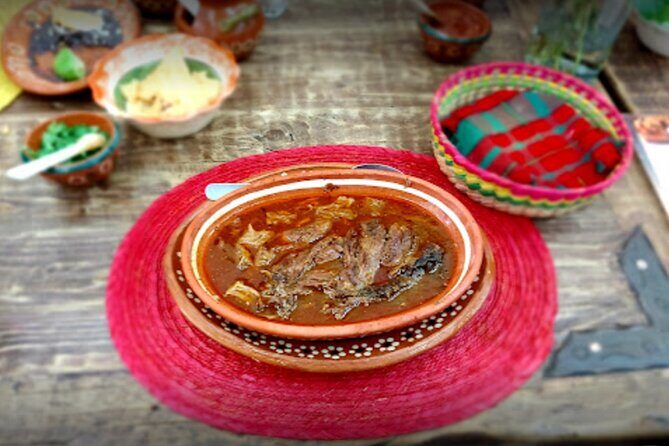
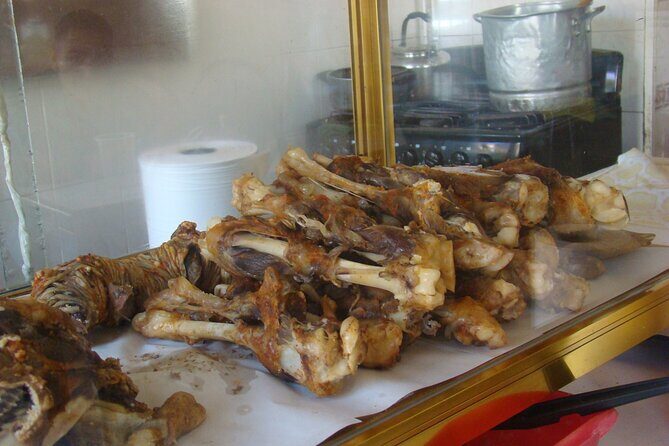
- Birria de Chivo you can order, with roasted goat served alongside freshly made tortillas that you can see prepared
- An aromatic pot coffee included in the cost
- A breakfast that’s filling enough to fuel a full day of downtown walking
Practical note: this stop includes admission, but tips are not included. If you’re happy with the service, set aside a little cash for it.
This first meal is also a smart move. Guadalajara gastronomy is everywhere on this route. Starting with something savory and traditional helps you pace yourself before the sweet and snack stops later.
You can also read our reviews of more private tours in Guadalajara

From Los Dos Templos to Avenida 16 de Septiembre: city layers under your feet
After breakfast, you’ll walk back toward the two temples area (Los Dos Templos). The experience here is mostly about what you can’t fully see. The guide uses photographs to show how the surroundings looked before changes, then explains how the structure evolved. It’s a classic Guadalajara trick: the city is always rebuilding, and archaeology often shows up during renovations.
On the walk, you’ll also pass by the outside of the house associated with José Cuervo, now used by a tax collector. It’s a quick stop, but it’s the kind of detail that makes downtown feel lived-in, not staged.
Then you’ll head to Avenida 16 de Septiembre, where what used to be a major avenue now gives way to the New Paseo Mayor, described as walkable and safe. The guide points out archaeological ruins buried in the area that you can partially see thanks to remodeling work.
This segment is valuable because it turns “walking through the center” into a lesson. You’ll come away seeing Guadalajara as a city that changes in layers, not as a list of monuments.
The mural stop you don’t want to rush: José Clemente Orozco in context
Between the major squares, there’s a stop where the guide focuses on the history of a building, shares anecdotes, and shows images of one of José Clemente Orozco’s famous murals. Even if you only catch it through images, the point is that you learn what to look for later when you reach Instituto Cultural Cabañas.
I like this approach because Orozco can be intense. If you see the art first without context, it can feel like a wall of big paintings. Getting a preview stop helps you connect the style and themes before you enter a full museum space.
Plaza de Armas and the Guadalajara Cathedral: squares, kiosks, and Santa Inocencia
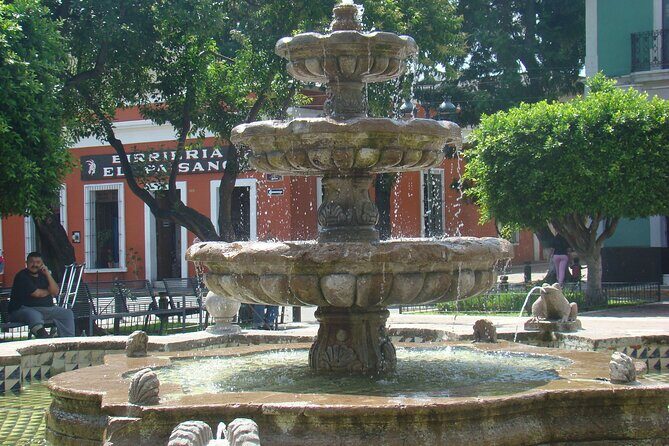
Next up is Plaza de Armas, the classic main square. You’ll see how it’s changed over time through old photos, and you’ll hear the story of its radical change and why the alignment has a French tone. The square’s kiosk is described as one of the most emblematic and beautiful in the city, and it’s the kind of focal point that makes the rest of the center feel coherent.
Then comes Guadalajara Cathedral, where you’ll do a two-part approach:
1) Exterior: you’ll look at the façade and hear about changes caused by major events
2) Interior: you’ll enter and hear the legend of Santa Inocencia, plus stories and legends tied to the cathedral experience, including a tour of the interior catacombs
This is one of the more atmospheric stretches of the day because you’re not just looking at architecture. You’re being guided through the meaning people attach to places of faith.
After the cathedral, you’ll also visit the smallest cemetery in Guadalajara, where the guide explains illustrious characters remembered there. It’s short, but it adds a human scale to the larger religious sites.
A square-to-legend sequence: small cemetery, dome painting, fountain stories, then tejuino
The itinerary then strings together a few moments that are more story-driven than ticket-driven.
You’ll walk a square where the guide explains how cultural elements combine in Guadalajara, plus another stop tied to a beautiful enclosure with structural details and a legend. Entrance can be not always allowed, so if you can’t go in, you’ll still get shown photos of the interior and a guide explanation of a painting in an enormous dome. That “plan B” approach matters when you’re on a schedule and you don’t want the day to stall.
After that, there’s a “mysterious point” stop with legends and a funny story about a fountain of mischievous children. Then the tour rewards you with a snack moment: the guide invites you to a typical Guadalajara snack and Tejuino, explaining where it comes from and how it’s prepared.
Why this matters: after long museum and cathedral stretches, tejuino and a snack act like a reset button. You get a taste of everyday Guadalajara culture, not just landmark culture.
A few more Guadalajara tours and experiences worth a look


Plaza Tapatía and the Cabañas Hospice: where Orozco becomes unavoidable
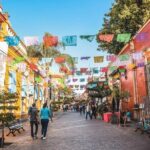
You’ll then reach Plaza Tapatía, walking through this huge central square while the guide explains how the city’s structure connects back to the first paintings, plus the origin of the name and what it represents to Jaliscienses.
Plaza stops are sometimes boring on tours. Here, the guide uses it as an orientation tool, helping you connect street-level landmarks to the city’s identity.
Next is the big museum moment: Instituto Cultural Cabañas (the Hospice). This is a ticketed stop and a highlight for people who love art tied to place. You’ll go inside and hear the historical origin of the enclosure, described as the largest neoclassical building in all of Latin America. Then you enter the main chapel to hear the meaning behind José Clemente Orozco murals, including his famous work The Man on Fire. You’ll also walk corridors with old photographs to spot what daily life in the enclosure looked like.
I like Cabañas in a guided format. Without explanation, Orozco’s work can feel overwhelming. With context, you start seeing themes, symbolism, and the emotional logic behind the paintings.
Mercado Libertad lunch: Enchiladas, Chile Relleno, Tampiqueña, Jamaica or horchata
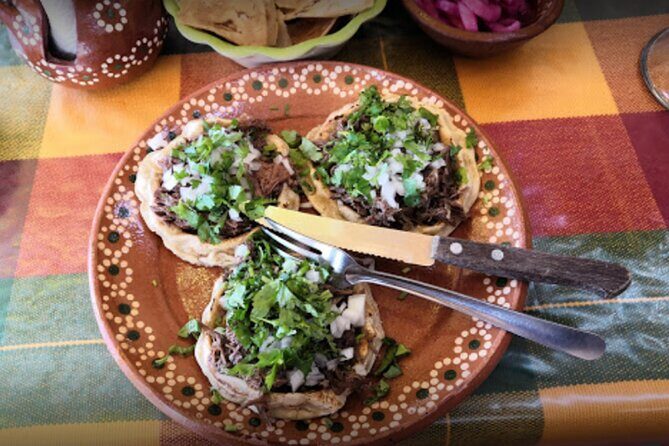
After Cabañas, it’s time for the best part of many peoples’ day: Mercado Libertad.
You’ll enter from the back and move through corridors by sections, until you reach a restaurant for lunch. This flow helps you avoid the chaos of choosing on your own. You’re guided to the dishes that are worth your time.
The lunch menu described includes typical Guadalajara picks such as:
- Enchiladas
- Chile relleno
- Meat in its juice
- Tampiqueña, along with water options like Jamaica or horchata
- Dessert options like vanilla ice cream or jamoncillo (dulce de leche)
Then you head out through the Independence Road, followed by a quieter safe walk where you can appreciate handicrafts. There’s also a stop connected with the house associated with all “Tapatíos,” which adds another identity-layer to the day.
This market lunch is valuable because it’s not just “eat something.” You’re eating a Guadalajara-style combination—savory first, then sweet—while your guide explains how the food fits the city.
Museo del Periodismo, El Santuario fritters, and the final drink at Los Famosos Equipales
The afternoon continues with a switch from food to narrative and then back to food.
Museo del Periodismo y las Artes Gráficas comes next. You’ll visit a beautiful house now used as a small journalism museum, where you’ll listen to stories, stories, and legends connected with the place.
Then comes El Santuario, a major Catholic site. You’ll hear stories related to Catholic faith, learn about the structure, and get context on the origin and history of Fray Antonio Alcalde and his legacy. Here, you’ll also enjoy a delicious fritter included in the cost, or a gordita de nata.
The day closes at Los Famosos Equipales, one of the oldest canteens in Guadalajara, with more than 100 years of history. You’ll taste its famous alcoholic drink Las Nalgas Alegres, with the cost including one drink per legal-age person.
This ending works because it’s memorable and fun without being pointless. You finish with a drink that’s part of local tradition, not just a standard bar stop.
Price and value: what you really get for about $224
At $224.03 per person for about 8 hours, the value depends on how you plan to travel. If you were to independently pay for multiple meals, a museum admission like Cabañas, plus guided explanations that tie the day together, it adds up fast.
This price includes:
- Breakfast
- Coffee and/or tea
- Soda/pop
- Snacks
- Lunch
- Bottled water
- Alcoholic beverages: one drink per person of legal age
- Admission tickets on key stops (including major indoor moments like Cabañas and the journalism museum, plus the ending canteen)
It’s also private, so you’re not fighting for time inside cathedrals, museums, and markets with a crowd.
The one reason some people feel disappointed is usually expectation. This isn’t a “sample 12 restaurants” day. It’s a structured cultural walk with focused food moments—big breakfast, then lunch, then snacks and sweets, plus a final drink.
If you want a guided day that helps you understand what you’re eating and seeing, this feels like a fair deal.
How to prepare so the long walk feels like a win
This is a walking-heavy day. Based on what many participants report, you should expect something like 12k to 16k steps and a finish close to 7–7:30 pm. The good news is that the pace is casual and often described as mostly flat, but you’ll still be outside a lot.
Here’s what I’d do before you go:
- Wear comfortable shoes (not “cute but questionable” shoes)
- Bring a water bottle and plan for sun and heat
- If weather looks iffy, pack an umbrella since rain can happen
- Bring a light layer, because indoor air-conditioning in museums can feel sharp after walking
Also, because tips aren’t included, decide ahead of time how much you’ll tip your guide. A quick plan in your phone keeps you from scrambling later.
Finally, go in hungry, and don’t force yourself to finish everything. With birria, market lunch, sweets, and a final drink, your appetite will get a workout.
Should you book the Private Cultural and Gastronomy Tour Full Day Tapatío?
Book it if:
- You want a first-timer-friendly Guadalajara day that mixes art, architecture, and Catholic legends with real food
- You’re happy to walk a lot in exchange for context and good meal pacing
- You’d rather have a guide handle the choices at Mercado Libertad than spend your day zigzagging for the best tacos
Skip it (or adjust expectations) if:
- You don’t enjoy long walking days or hate heat outside
- You want a heavy restaurant-hopping food crawl with lots of tiny samples at many different places
My bottom line: this tour is best when you want a guided “how Guadalajara works” day—food as a map, art as the explanation, and legends as the soundtrack.
FAQ
How long is the full-day tour?
It runs about 8 hours (approx.).
What food and drinks are included?
You get breakfast, coffee and/or tea, soda/pop, snacks, bottled water, lunch, and alcoholic beverages (one drink per person of legal age). There are also included sweet treats such as fritters and dessert options at the market.
Are museum or attraction entry tickets included?
Some entrances are included, including ticketed stops such as Instituto Cultural Cabañas and Museo del Periodismo y las Artes Graficas, plus the final canteen. Other stops like squares and exterior views are listed as free.
Is this tour private, and is it in English?
Yes. It’s private (only your group participates) and offered in English.
Where does the tour start and is pickup available?
It starts at Plaza de las 9 Esquinas, Zona Centro, 44100 Guadalajara. Pickup is offered, and the guide will recognize you using traditional dress.
Is alcohol included, and are tips covered?
A drink (Las Nalgas Alegres) is included for legal-age participants, with one drink per person of legal age. Tips are not included.
Can I cancel for a full refund?
Yes. You can cancel up to 24 hours in advance for a full refund. If you cancel less than 24 hours before the start time, the amount paid is not refunded.