REVIEW · MEXICO CITY
The Real Mexico City: Under the skin of CDMX
Book on GetYourGuide →Operated by Warriorgastrotours · Bookable on GetYourGuide
CDMX feels different after you ride with Olin. This isn’t a cookie-cutter highlights loop. I love the way food tastings are built into the story, and I really like how Olin uses local context so the city feels human, not just photo-friendly. One thing to consider: you walk close to 3 miles, so comfortable shoes are non-negotiable.
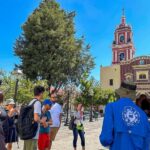
You’ll start in Guerrero near Lerdo 196, eat a classic breakfast, then move through some of the city’s biggest landmarks with stops that explain what you’re seeing and why it matters. The pacing stays manageable for a half day, and the mix of Metro, markets, and Centro Histórico gives you a fast “under the skin” feel for CDMX.
In This Review
- Key things that make this tour a standout in CDMX
- What makes The Real Mexico City feel different from a typical walk
- Price and what $70 covers in 270 minutes
- Where you start in Guerrero and why that matters
- Mercado Martínez de la Torre: breakfast leads to a food lesson
- Riding the Metro like you belong (and why locals do it)
- Monumento a la Revolución: history you can actually picture
- Alameda Central and Palacio de Bellas Artes: art breaks between bites
- Pulque, tepache, and the deep-fried quesadilla stop
- Centro Histórico highlights: Zócalo, street food, and Templo Mayor
- The rooftop bar and Aztec ruins: your last view of the day
- Walking distance, pace, and who should book
- Tips to make the most of the day (without over-planning)
- Should you book The Real Mexico City: Under the skin of CDMX?
- FAQ
- How long is the tour?
- Where does the tour start?
- Is there a lot of walking?
- What’s included in the price?
- What languages is the guide available in?
- Is it suitable for children or wheelchair users?
Key things that make this tour a standout in CDMX
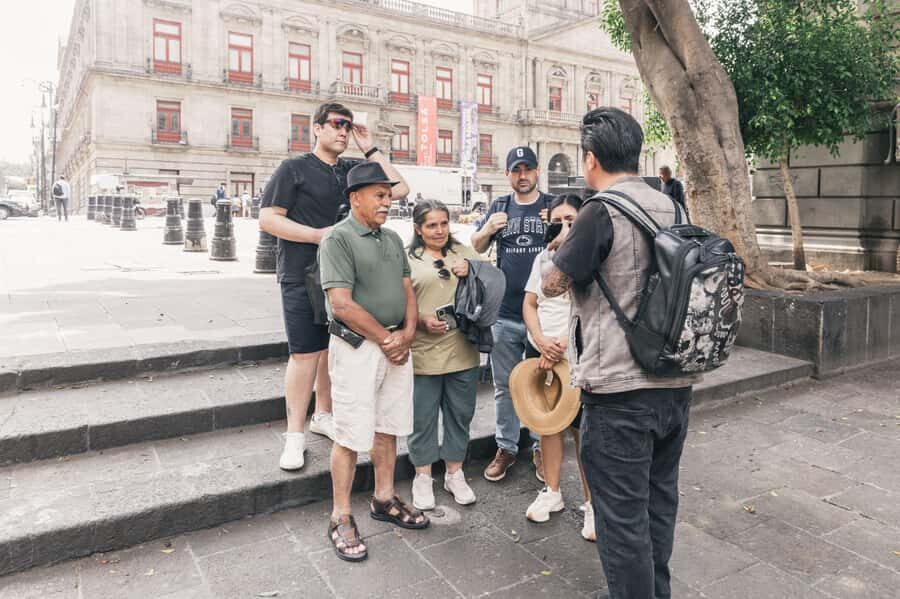
- Olin guides the day with city stories, urban context, and humor that keeps the walk from feeling like a lecture
- Guerrero first, tourist map later so you get perspective early instead of only postcard areas
- Metro ride included to show daily Mexico City life rather than just sightseeing
- Tasting-heavy format with tamal and chocolate breakfast plus stops for tepache, pulque, deep-fried quesadilla, and tacos de cecina
- Major sights plus small moments like Alameda Central, Palacio de Bellas Artes, and Templo Mayor Museum
- Rooftop finish with Aztec ruins views and a final push toward Centro Histórico’s atmosphere
What makes The Real Mexico City feel different from a typical walk
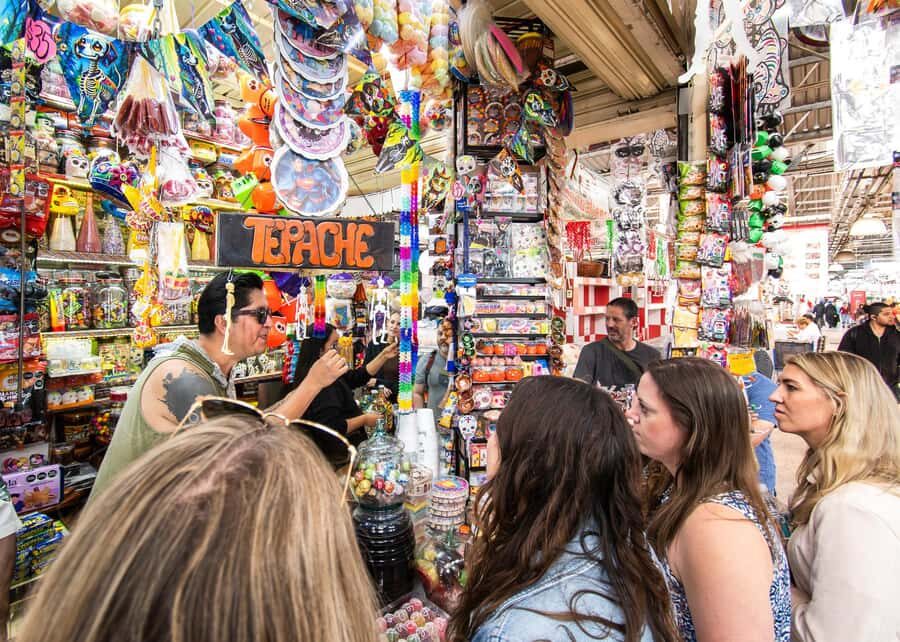
If you’ve already skimmed a few guidebooks, you might worry Mexico City tours will all feel the same: a checklist, a few photos, and a “good luck getting lunch” moment. This one is designed to work the other way. You start in a neighborhood most visitors don’t lead with, and the guide keeps pulling the story back to daily life, not just famous facades.
Olin’s style is part of the value. The tour is described as fun, chaotic, and hilarious in the best way, but it’s also structured: food, transit, monuments, art stops, and then Centro Histórico. That matters because CDMX is layered. If you only see the top layer, you miss the reasons behind it.
You also get a rare mix: architecture and museum-adjacent sights sit right next to markets, bars, and street-food moments. You’re learning how people live, not just what they built.
You can also read our reviews of more city tours in Mexico City

Price and what $70 covers in 270 minutes
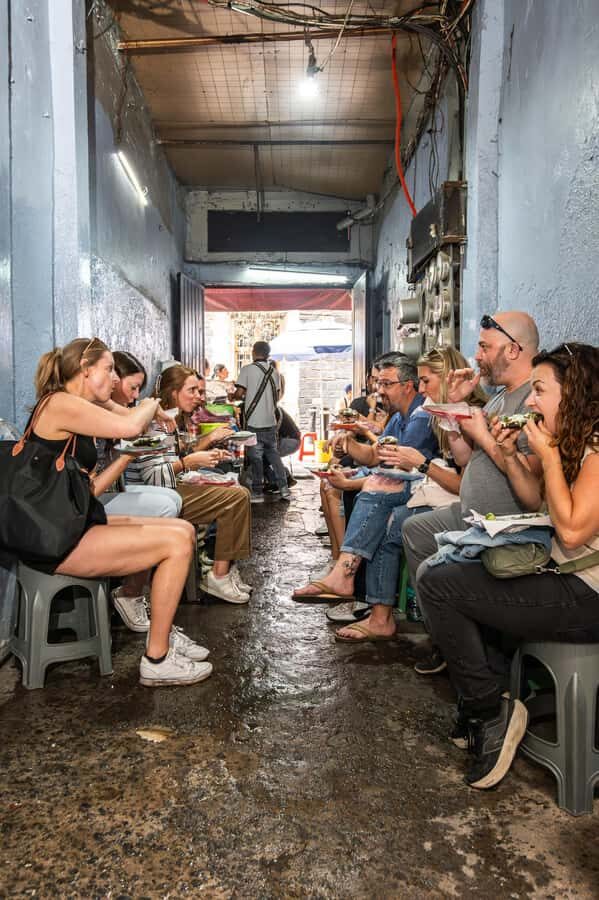
At $70 per person for about 270 minutes, you’re paying for four things that add up fast in Mexico City:
- A local guide who coordinates multiple stops and explains what you’re looking at
- Food and drink tastings spread throughout the walk (breakfast plus multiple tastings)
- Guided entry-style sightseeing at big landmarks like Zócalo and Templo Mayor Museum
- Transportation included for at least one key segment via the Metro
The biggest value boost is that you’re not spending your time searching for the right places. The tour routes you through local eateries and markets, then times the tastings so you’re fed while you’re learning. That’s especially useful on a first trip, when you’re still figuring out how far things are and how CDMX neighborhoods connect.
One cost detail to keep in mind: drinks/snacks at the rooftop bar are not included. You’ll still get the rooftop experience and views, but plan for that last step if you want to order.
Where you start in Guerrero and why that matters
The meeting point is at LA ZARZA OAXACA, just steps from Salón Los Angeles, in the Lerdo 196 area. Starting here is smart because it sets the tone. Guerrero is not the first neighborhood most people think of when they only picture Centro Histórico and museum-heavy days.
You begin with a breakfast that includes tamal and chocolate. That’s not just a nice start; it’s practical. You get energy before the walking-heavy part, and you also get a baseline taste of classic Mexican food early in the day.
More than that, the first segment helps you build confidence. Instead of starting with crowded tourist sights, you start in a real neighborhood rhythm. It changes how you experience the rest of the tour.
Mercado Martínez de la Torre: breakfast leads to a food lesson
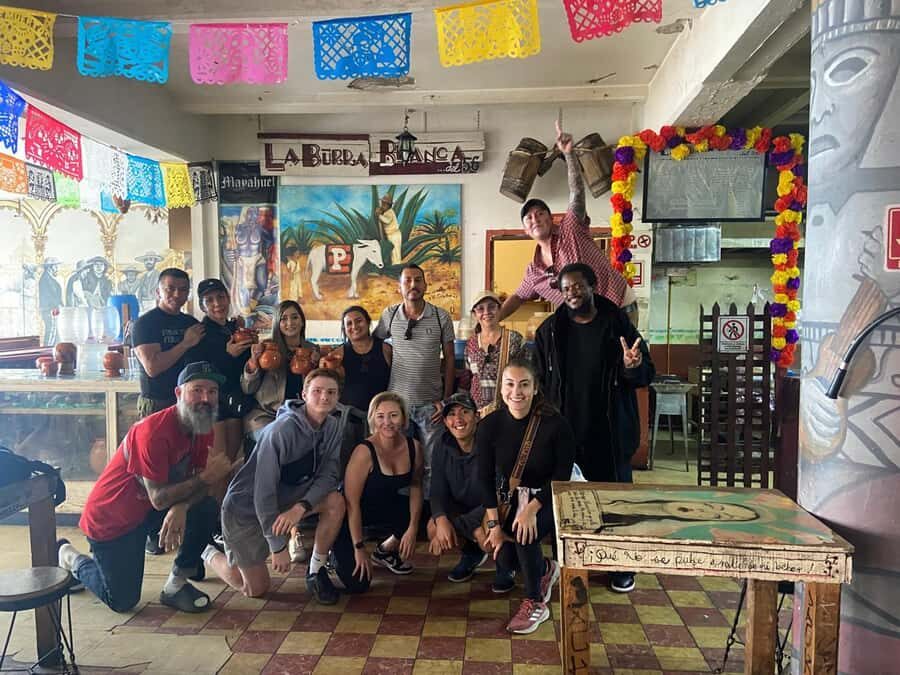
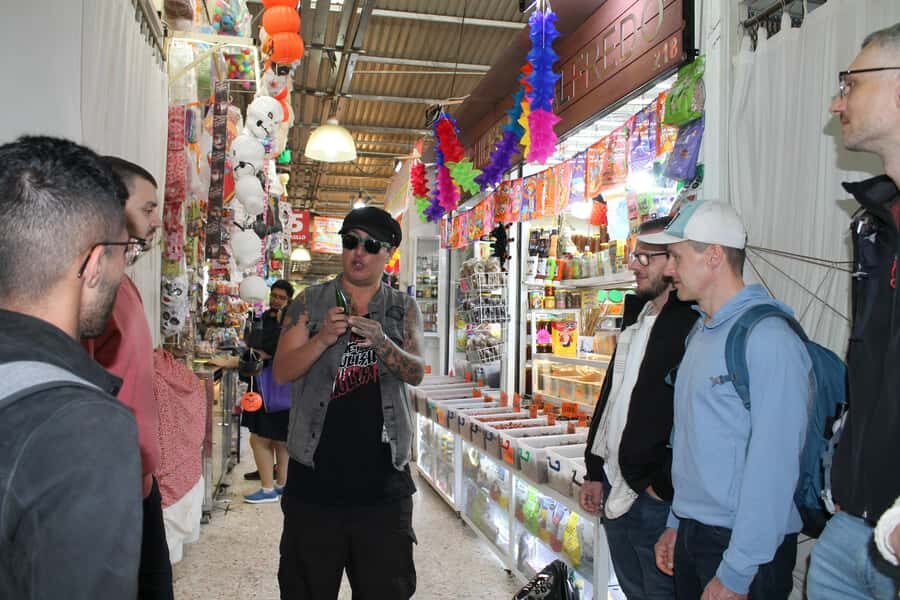
Next up is the Mercado Martínez de la Torre, with about 40 minutes of guided market time plus a walk. This is where the tour earns its name. Markets are where CDMX food culture stops being abstract.
You’ll talk about Mexican cuisine and get a better sense of how ingredients, cooking styles, and daily habits connect. The tour also includes a taco de cecina, which gives you a clear, edible anchor for what you’re learning.
Here’s the practical takeaway: a guided market visit helps you notice details you’d otherwise miss. You’ll be looking at food like a local shopper instead of only searching for something to photograph. Even if you’re vegetarian-friendly, the tour notes plenty of options, and Olin is described as handling dietary requests smoothly.
Riding the Metro like you belong (and why locals do it)
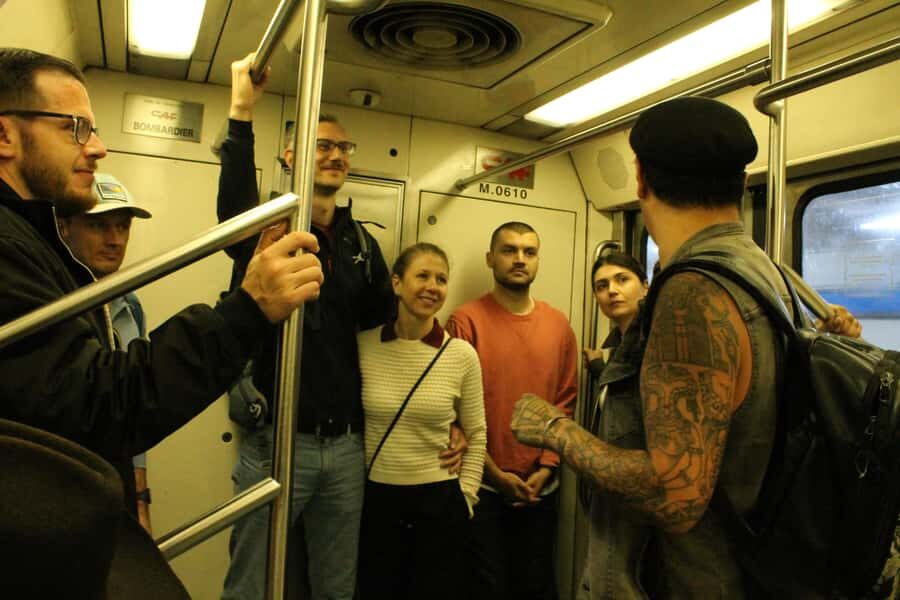
Then you hop on the Metro for a short ride (about 10 minutes). This is one of the best “real CDMX” moves because it’s not a tourist transport solution. You’re experiencing the city’s daily pulse—exactly what makes Metro rides so helpful for first-timers.
Even with just a short segment, it changes your mental map. You stop thinking of CDMX as distant points on a phone screen and start seeing how neighborhoods connect in real life.
Practical note: the day includes walking and a Metro segment, so treat this like a comfortable-shoes day, not a flip-flop-and-sprint day. You’re going to want your feet to feel good.



Monumento a la Revolución: history you can actually picture
After the Metro, you go to Monumento a la Revolución. Expect a guided stop of around 30 minutes. This isn’t presented as dry facts. You’ll hear about Mexico’s violent past through stories with sharp humor and vivid true details—stuff that doesn’t tend to land in a textbook.
Why this works on a walking tour: monuments become more meaningful when you understand the human drama around them. You’re not just standing in front of a landmark. You’re hearing why it exists in the way it does, and what the city wants you to remember.
The result is a different kind of sightseeing. You look at the monument with context, not just admiration.
Alameda Central and Palacio de Bellas Artes: art breaks between bites
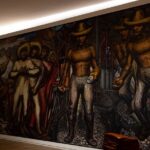
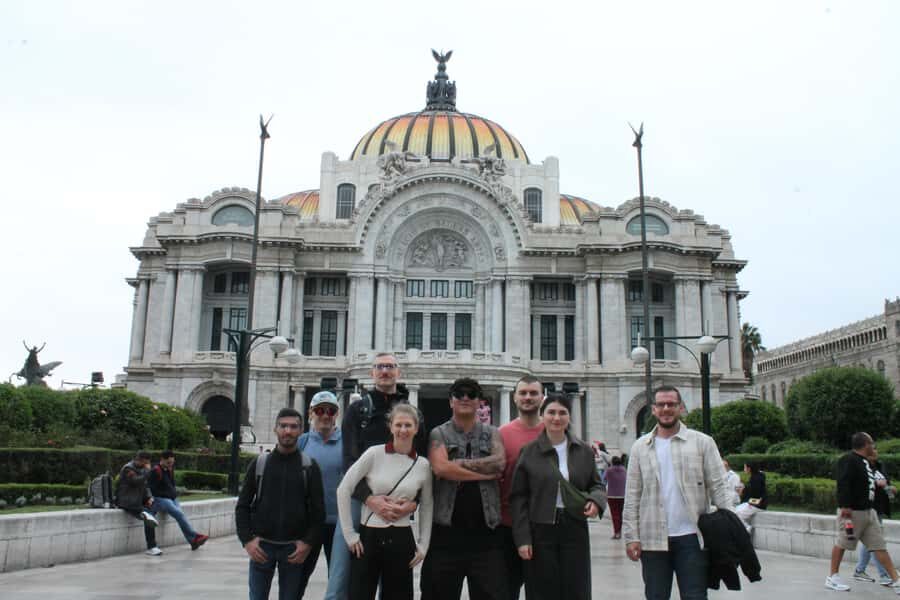
From the Revolution area, the route moves toward Alameda Central Park, then Palacio de Bellas Artes. You’ll spend about 10 minutes sightseeing at Alameda, and a short guided visit at Bellas Artes, plus time at an arts and crafts market.
These stops matter because they slow the pace just enough to let your brain catch up. You’ve had food moments and story moments, and now you get architecture and culture in a more visual form.
You’ll also get a viewpoint toward Torre Latinoamericana, which adds a skyline contrast—how CDMX balances old layers with modern intensity. It’s a quick look, but it keeps the day from becoming only museum-and-food. You’re getting the city’s shape.
Then you continue with nearby sightseeing stops including Palacio de Correos de México and the National Museum of Art, Mexico City. Even when the time is short, having a guide helps you pick up key visual cues instead of just passing by beautiful buildings.
Pulque, tepache, and the deep-fried quesadilla stop
Now we hit the part most people remember. The tour includes multiple drink and snack tastings, including:
- Tepache (traditional drink)
- Pulque tasting in a local bar
- A deep-fried quesadilla snack stop
On top of that, there are local bar segments with tastings of spirits and later beer, cocktail, coffee, and spirits options depending on the stop.
This is more than food-for-food’s-sake. Pulque and tepache connect you to long-running drinking traditions, and they also make the city’s cultural mix feel real. You’re tasting something that isn’t just a generic beverage—something that carries place and history in its flavor.
The deep-fried quesadilla is a great energy boost too. It’s exactly what you want mid-tour: warm, salty, filling, and easy to share.
Centro Histórico highlights: Zócalo, street food, and Templo Mayor
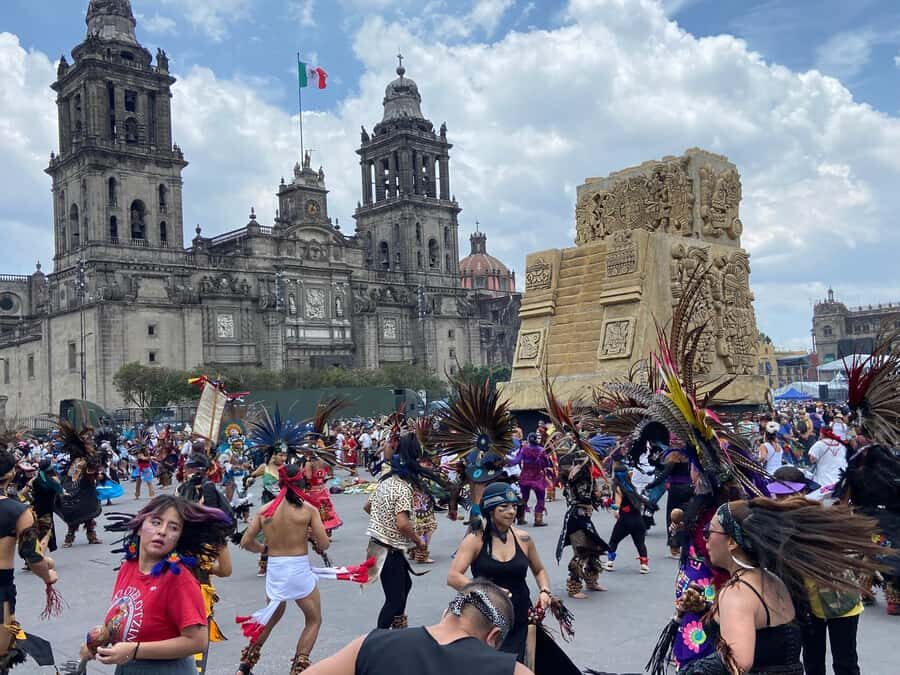
The day’s “big finish” energy comes when you move into Centro Histórico. You’ll visit Zócalo and spend time on Centro Histórico highlights, plus a dedicated street-food tasting stop.
The Zócalo stop is about 20 minutes, and it’s not just for photos. It’s a chance to see how the city’s central square feels when you’re there for food and stories, not only for monuments.
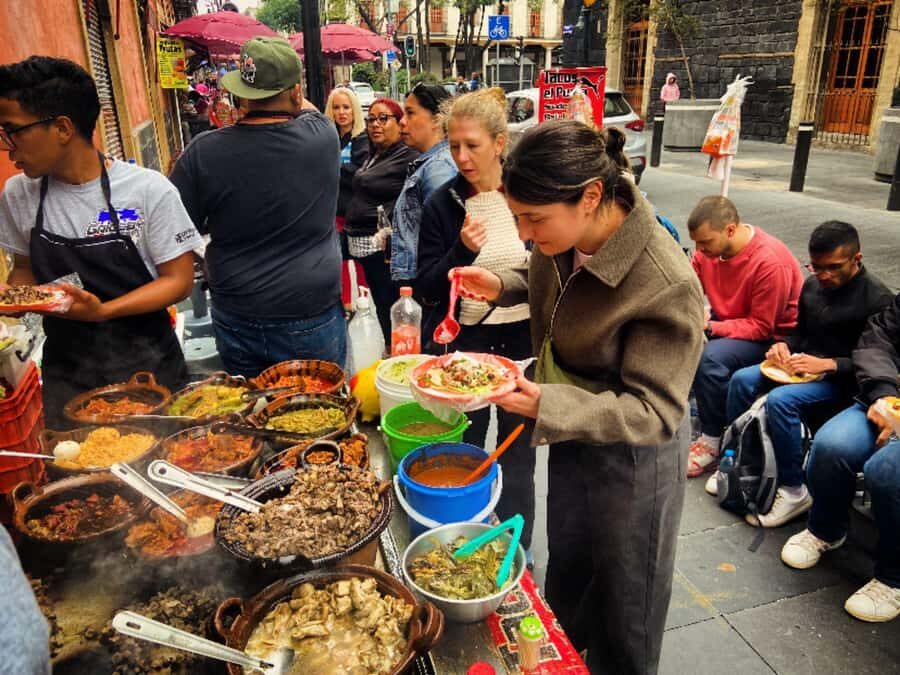
Then comes the street-food moment (about 20 minutes) at a secret stop. The tour also includes a taco tasting and specifically mentions what’s considered the best tacos in the city, served with the fun challenge of local opinion. Either way, you’re eating something you can’t easily replicate at home—plus you’re learning how to order with confidence.
Finally, you reach Templo Mayor Museum for about 10 minutes of sightseeing. That connects the day to Aztec-era roots in a concrete way. Even a short stop can change your understanding of what you’ve been walking through.
The rooftop bar and Aztec ruins: your last view of the day
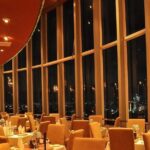
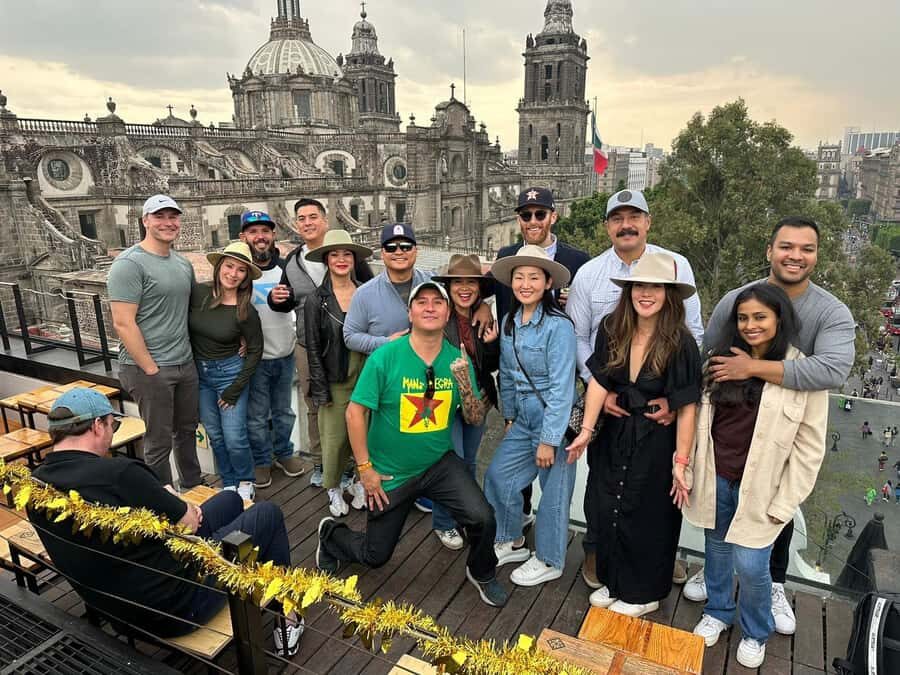
You end with a rooftop bar experience overlooking ancient Aztec ruins. The tour description frames it as drinks and views and vibes included, but there’s also a specific note: drinks/snacks at the rooftop bar aren’t included. So you can plan for the view and atmosphere as the main included value, and treat any orders as optional add-ons.
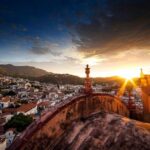
This finish works because it gives you a payoff: the day started with breakfast and neighborhood rhythm, and it ends with a skyline-to-ancient connection. You’ll likely see the city differently as you look down from above.
Walking distance, pace, and who should book
This is a 270-minute half-day experience with about 3 miles of walking. That’s manageable for many people, but it’s not a slow stroll. Plan your day around it. If you tend to skip meals or power through museum days, this will feel more intense than you expect.
A few fit notes from the data:
- Comfortable shoes are required in practice (also explicitly suggested)
- Camera and water are recommended
- No smoking is allowed
- The tour is listed as wheelchair accessible, but it’s also marked as not suitable for wheelchair users—so if you use a wheelchair, I’d confirm details before booking
- It’s not suitable for children under 15
Who I think this suits best:
- First-time visitors who want a fast, local-leaning orientation to CDMX
- Food lovers who like learning as they eat
- People who enjoy transit-included tours (Metro ride included here)
- Solo travelers who value a guide who keeps the group together and makes the day feel welcoming
If you hate crowds, you might find the Centro Histórico segments busy. This isn’t a quiet, sit-down kind of experience. It’s active, social, and very much CDMX.
Tips to make the most of the day (without over-planning)
You’ll enjoy this more if you show up ready to eat and walk. Bring water, wear shoes you can move in, and keep your camera charged. Since tastings are spread through the route, it helps to avoid a heavy breakfast before you go. The included tamal and chocolate will do the job.
Also, come with curiosity. The guide’s stories are a big part of the value. When Olin points out what you’re looking at—history, architecture cues, or the meaning behind a place—it’s useful to ask short questions instead of waiting for the tour to end.
Finally, treat it like a first-day itinerary that teaches you how CDMX works. You’ll leave with a stronger sense of neighborhoods and what you want to return to on your own.
Should you book The Real Mexico City: Under the skin of CDMX?
I’d book it if your goal is a first real taste of CDMX that mixes food, transit, and landmark context in one smooth half-day block. The $70 price makes sense because you’re not only paying for a guide—you’re also getting breakfast plus multiple tastings and a Metro ride, with major sights like Zócalo, Alameda Central, and Palacio de Bellas Artes tied into the story.
I wouldn’t book it if you want a low-walking day, or if you need a very quiet experience. And if accessibility is a concern, confirm the contradiction between wheelchair notes before you commit.
If you’re aiming to get past the tourist surface and understand why CDMX feels the way it does, this is a solid bet.
FAQ
How long is the tour?
The tour duration is 270 minutes (about 4.5 hours).
Where does the tour start?
The meeting point is LA ZARZA OAXACA, a few steps beside Salón Los Angeles, at Lerdo 196.
Is there a lot of walking?
Yes. The tour notes that you’ll walk close to 3 miles.
What’s included in the price?
Included items include breakfast (tamal and chocolate), a local market visit, taco de cecina, tepache, a Metro ride, visits to the Revolution Monument, deep-fried quesadilla, pulque tasting, time at Alameda Central, Bellas Artes, Latino Tower, Centro Histórico highlights with taco tasting, Aztec ruins, and a rooftop bar experience.
What languages is the guide available in?
The live guide speaks English and Spanish.
Is it suitable for children or wheelchair users?
It is not suitable for children under 15. For wheelchair access, the activity lists wheelchair accessible, but it also states not suitable for wheelchair users, so you should confirm details with the operator before booking.