REVIEW · MEXICO CITY
The Best of Santa Maria de la Ribera
Book on Viator →Operated by Eat Mexico Culinary Tours · Bookable on Viator
Food shows you a city’s real personality. This small-group tour through Santa María la Ribera (a part of Mexico City most people skip) is built around real eating stops, from a tamales factory to a pulquería with no sign, plus real neighborhood context from the guide Nico Garcia. I love the personal feel of a group capped at 8, and I love how the food connects to culture and local resilience instead of just being a list of dishes. One thing to plan for: you need to show up ready to eat and walk a bit, because the food and drink keep coming and transport isn’t included.
What makes this one especially useful is how you leave with practical ideas for where to eat next. You’re not just tasting; you’re learning what to look for—like how a working tamales factory can churn out 20+ varieties a day, or what makes pulque culture stick around for more than a century in the same streets. The tour also ends with a friendly place to keep your momentum going, Restaurante El Estanquillo El 32, where craft beer and artisanal mezcal are part of the vibe.
The main drawback is simple: the schedule starts at 1:00 pm, so if you’re arriving that day expecting a “light snack” kind of outing, it won’t match that mood. Expect a full food experience—enough for something like a large breakfast plus lunch—plus included drinks, with no extra transportation arranged.
In This Review
- Key highlights you’ll actually feel during the tour
- Santa María la Ribera: the side of CDMX most people skip
- Price and what $122.46 really buys
- Start time at 1:00 pm: how to plan your day
- Herb-infused salt, a market stroll, and a real tamales factory
- The cooking school stop: food as support for local entrepreneurs
- The pulquería with swinging saloon doors and no sign
- Buñuelos, coffee or tea, and the geology museum context
- Ending at El Estanquillo El 32: keep tasting after the tour
- Who should book Best of Santa María la Ribera
- Should you book this tour?
- FAQ
- How long is the tour?
- What time does the tour start?
- Where do we meet and where does the tour end?
- Is the tour offered in English?
- How many people are in the group?
- What food and drinks are included?
- Is pulque included?
- Does the tour include mezcal or microbrew?
- Is transportation to and from included?
- What if the weather is poor?
Key highlights you’ll actually feel during the tour
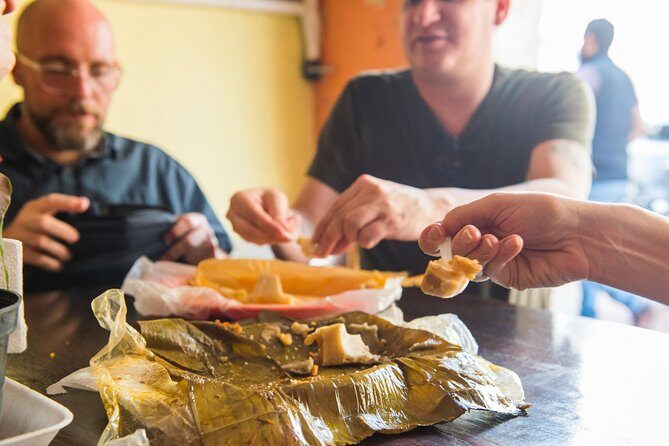
- Small-group access capped at 8 for a more direct conversation with Nico Garcia
- Herb-infused Mexican salt made in a local garden stop
- Working tamales factory with 20+ varieties daily
- Hidden pulquería details: swinging saloon doors, no sign, and a long local legacy
- Support in action at a neighborhood cooking school and restaurant that helps locals start food businesses
- Sweet finish with buñuelos plus a coffee or tea to wrap things up
Santa María la Ribera: the side of CDMX most people skip
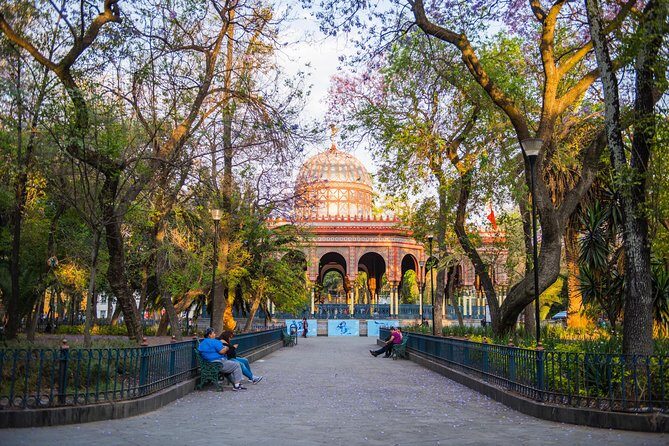
Santa María la Ribera has that turn-of-the-century feel you want in a neighborhood tour, not the polished, tourist-only version of Mexico City. Founded in the 1860s, it still carries a strong local character, and that matters because the food you’ll try makes more sense when you see the streets and the everyday rhythm around you.
This is also the neighborhood where local institutions and habits survive. You’ll get the context for why certain places keep drawing people in—like the pulquería culture that traces roots back to prehispanic times and has kept going for more than 100 years. The guide’s job isn’t to sound dramatic; it’s to help you connect the dots between what you taste and the community that shaped it.
If you like wandering with a purpose—seeing markets, stepping into working spaces, and learning how local food systems work—this style is a good match. And because the group stays small, you’re more likely to ask the follow-up questions you actually care about.
You can also read our reviews of more tours and experiences in Mexico City.


Price and what $122.46 really buys
At $122.46 per person for about 3 hours 30 minutes, the price won’t feel cheap at first glance. But it’s set up as a full food-and-drink lunch experience, not a “few bites” snack tour.
Here’s what you’re really paying for:
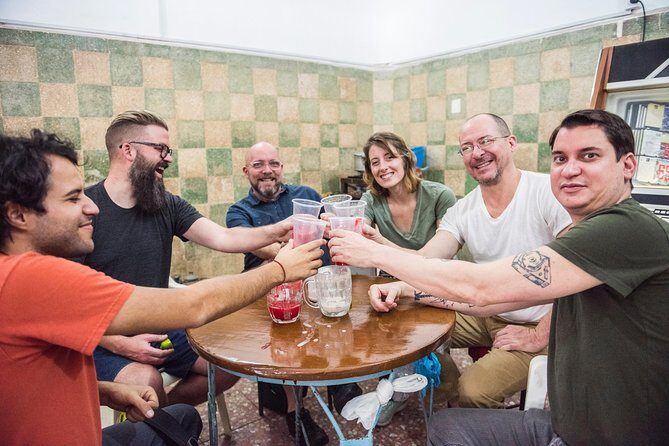
- As much food as you can eat, enough for a large breakfast and lunch combined
- One agua fresca plus one coffee or tea at the end
- A generous taste of traditional pulque
- One Mexican microbrew or Mezcal
When you add that up, the math starts to make sense—especially in Mexico City, where a single hearty meal can already set you back, and drinks plus tastings can turn into a separate bill. The small-group limit also has value here: you’re not waiting your turn to order, you’re not being rushed through each stop, and you get more direct guidance on what you’re tasting.
If you’re the type who hates group tours where the guide talks at you, this price is buying time and attention as much as it is buying food.
Start time at 1:00 pm: how to plan your day
The tour starts at 1:00 pm at Alameda de Santa María (Calle Salvador Díaz Mirón, Santa María la Ribera). You’ll end at Restaurante El Estanquillo El 32 (Dr. Enrique González Martínez 32, Santa María la Ribera).
Because it’s an early afternoon slot, I recommend eating lightly before you go. Even with a slower morning, you’ll still end up eating a full run of foods. Wear comfortable shoes. The itinerary includes market time and strolls, plus stops in places like a garden and a working factory area, so you’ll want solid footing.
Also note what’s not included: transportation to and from the meeting and end points. Since the meeting point is near public transit, you can keep it easy, but you’ll still want to get yourself there and back.
Herb-infused salt, a market stroll, and a real tamales factory
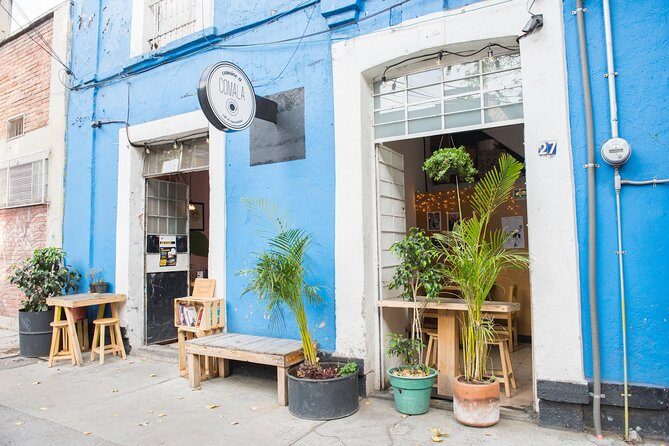
Your first stops set the tone: neighborhood feel, hands-on detail, and food you can recognize even if you’re new to Mexico City street specialties.
You begin at Santa María la Ribera and visit a neat local garden, where you make your own herb-infused Mexican salt. This is more than a fun photo moment. It trains your palate. Once you’ve built the salt flavor, you start noticing how Mexican dishes use salt not just as a seasoning, but as a whole personality—bright, herbal, and tuned to the food it’s meant for.
Next comes the market stroll. You’ll see how a traditional city market looks and feels, which helps you understand the supply chain behind what you’re eating. It also gives you context for why tamales are so central here: tamales don’t show up randomly. They fit into a daily food culture supported by markets and local production.
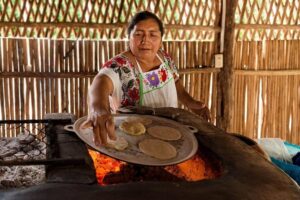
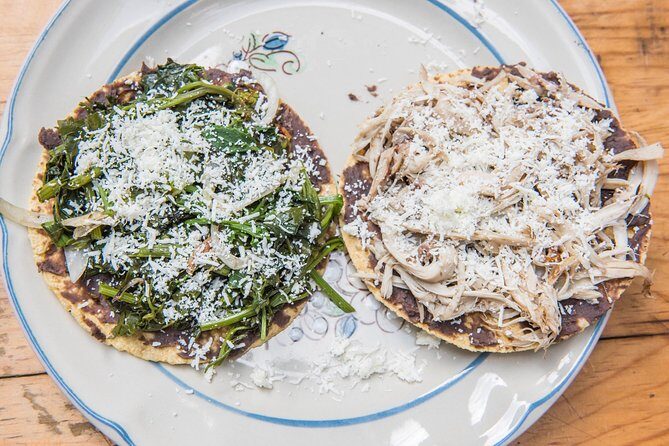
Then you hit the working tamales factory—described as offering more than 20 varieties daily. What I like about this stop is that it’s not staged. You’re tasting what’s actually being produced and sold, and you get to see how wide tamales can be, not just the one or two types most first-time visitors think of.
Potential drawback: because it’s a production-style stop, it can feel busier than a calm sit-down restaurant. If you prefer everything quiet and orderly, adjust your expectations. If you like seeing how food actually gets made and moved, you’ll enjoy it a lot.
The cooking school stop: food as support for local entrepreneurs
A standout part of the tour is that it doesn’t treat food culture as only something to consume. You’ll pop into a neighborhood cooking school and restaurant that helps locals who may want to start their own food businesses.
This is one of those stops that changes how you look at the rest of the day. When a place trains people to work in food and gives them a path toward starting a business, you’re seeing food culture as something living and local, not a museum display.
You’ll also likely find yourself paying attention to the small details that matter in a restaurant or school environment: how staff operate, how kitchens function, and how food skills translate into opportunity. That context pairs nicely with the way your guide connects what you’re eating to local history and resilience.

The pulquería with swinging saloon doors and no sign
Here’s the moment that makes this tour feel different from typical eating crawls: the hidden pulquería stop. There’s no sign, and the entrance has that classic swinging saloon door look that makes you feel like you’ve stepped into something old-school.
The guide gives you the backdrop: pulque is a fermented Mexican beverage tied to prehispanic roots, and the spot has drawn neighborhood residents for more than 100 years. That long continuity matters. It’s one thing to taste a traditional drink. It’s another to understand why the same kind of place keeps surviving in the same part of town.
The tour includes a generous taste of traditional pulque, so this isn’t a tiny sip “for the experience.” It’s enough that you’ll actually notice flavor and character, and enough that you can compare what you like (and what you don’t) to how the drink is described.
A practical consideration: pulque is an acquired taste for some people. If you’re sensitive to fermented flavors, don’t panic, but go in aware that this isn’t a mild soda-like drink. Let the guide’s context help you appreciate what you’re tasting.
Buñuelos, coffee or tea, and the geology museum context
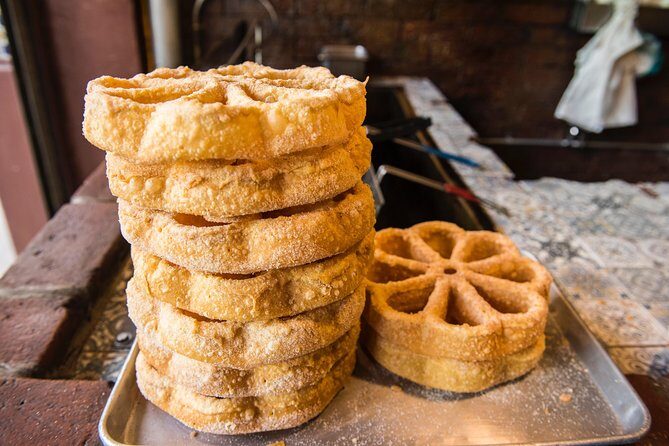
After pulque, the sweet finish helps reset your palate. You’ll try buñuelos, described as crunchy fried dough topped with sugar syrup. It’s the kind of finish that makes the whole day feel like a complete meal arc: savory stops, fermented drink, then something crisp and sugary to bring you home.
You’ll also see landmarks that make Santa María la Ribera what it is, including a century-old geology museum. Even if you’re not a geology person, this stop gives you a broader lens. It’s a reminder that a neighborhood identity isn’t only food. It includes institutions, buildings, and long-running curiosities that shape how people experience their own streets.
At the end, you get one agua fresca earlier in the tour and then one coffee or tea at the end. That final drink is practical: it helps you slow down, digest, and talk through what you liked most so you know what to seek out again.
Ending at El Estanquillo El 32: keep tasting after the tour
The tour ends at Restaurante El Estanquillo El 32, a family-run restaurant/store that sells things like craft beer, artisanal mezcal, coffee, honey, and salsas.
This matters because you’re not dropped off at a random corner. You’re ending at a place built for taking the day’s tastes home with you. Plus, the tour includes one Mexican microbrew or Mezcal, so you can treat the ending like your last stop, not your final destination.
If you want to keep sampling responsibly (and not blow your budget), this kind of store-and-restaurant ending gives you options. You can buy something small, ask questions, and plan your next meal with local logic instead of guessing from menus.
Who should book Best of Santa María la Ribera
I’d book this if you want:
- A small-group food tour with real conversation
- A neighborhood experience focused on food systems, not just a tasting parade
- A guide who connects dishes to culture and local resilience, not only techniques
- Enough food that you won’t need to plan lunch after
It also fits well if you’re traveling with a partner or as a solo eater who likes to meet people without getting herded around. The max of 8 keeps it focused, and since it’s offered in English, you can follow the explanations and ask questions without a language barrier.
If you’re trying to eat very light, this probably isn’t your tour. The included food volume is designed to cover a large breakfast and lunch combined.
Should you book this tour?
Yes, if your idea of a great day in Mexico City is food with context and you like smaller groups. This tour earns its top rating by doing three things well: it feeds you enough to be satisfied, it takes you into a part of town most people don’t prioritize, and it uses a guide (Nico Garcia) who ties the tastings to culture and local resilience.
Book it especially if you want the pulquería experience with real understanding, plus the tamales factory stop that shows food production in action. The only times I’d hesitate are if you hate fermented drinks, you want a very short or very light outing, or you don’t want to handle walking between nearby stops.
If you do book, show up hungry, wear comfy shoes, and keep an eye on what the guide suggests tasting first versus saving for later. That’s where the day gets most fun.
FAQ
How long is the tour?
It runs for about 3 hours 30 minutes.
What time does the tour start?
The start time is 1:00 pm.
Where do we meet and where does the tour end?
You meet at Alameda de Santa María, Calle Salvador Díaz Mirón, Santa María la Ribera, Cuauhtémoc, 06400 CDMX, Mexico. The tour ends at Restaurante El Estanquillo El 32, Dr. Enrique González Martínez 32, Santa María la Ribera, Cuauhtémoc, 06400 CDMX, Mexico.
Is the tour offered in English?
Yes, the tour is offered in English.
How many people are in the group?
The tour has a maximum of 8 travelers.
What food and drinks are included?
The tour includes as much food as you can eat (enough for a large breakfast and lunch combined), one agua fresca, and one coffee or tea at the end.
Is pulque included?
Yes. You’ll get a generous taste of traditional Mexican pulque.
Does the tour include mezcal or microbrew?
Yes. It includes one Mexican microbrew or Mezcal.
Is transportation to and from included?
No. Transport to and from the meeting and end points isn’t included.
What if the weather is poor?
The experience requires good weather. If it’s canceled due to poor weather, you’ll be offered a different date or a full refund.