REVIEW · MEXICO CITY
Teotihuacan: The myth of the gods + secret murals (New route)
Book on Viator →Operated by Kactus Free Walking Tour · Bookable on Viator
Teotihuacan feels like a living myth. This tour strings together the Moon and Sun pyramids, the quieter mural areas, and the stories that connect the site to the Aztecs and even Egypt-themed legends. It’s built for people who want more than photos.
I especially like the pacing: you start early with a climb up Piramide de la Luna before the area gets busy. I also love that the day isn’t only stones—you’ll hear religion and city myths while also seeing how pigments were made, including cochineal and plant-based colors.
One thing to consider is physical effort. You’re walking between major points and climbing the Moon pyramid, so if you prefer flat ground only, plan for a slower pace.
In This Review
- Key highlights you’ll care about
- Teotihuacan’s myths: Aztecs, gods, and the Egypt link you’ll hear about
- Starting at Frontón México: a smooth morning, small group, and real walking time
- Piramide de la Luna: climb early for calmer views and a better read of the place
- Avenue of the Dead to the 65-meter Pyramid of the Sun: scale with context
- Palacio de Zacuala: a lesser-known mural stop where everyday religion shows up
- Citadel and the Temple of Quetzalcoatl: myths you can point to
- How cochineal and plant pigments create mural colors you can learn
- Obsidian and silver workshops: souvenirs with a story (and real craft time)
- Value check: why this route feels worth your time
- Who this Teotihuacan tour suits best
- Should you book the Teotihuacan myth-and-murals route?
- FAQ
- How long is the Teotihuacan tour?
- Is lunch included?
- What’s included in the price?
- Do I need to buy tickets for the pyramids?
- What do we do with colors and murals?
- Is the tour in English and what’s the group size?
Key highlights you’ll care about
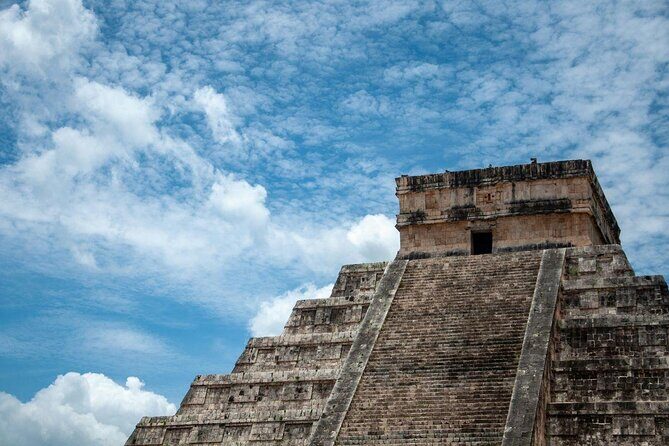
- Early start at Piramide de la Luna for calmer photos and breathing room
- Myth-focused storytelling tied to Aztec connections (and Egypt-linked legends)
- Palacio de Zacuala: a lesser-known stop with impressive murals and everyday-religion context
- Citadel and Quetzalcoatl Temple in a best-preserved setting
- Hands-on color knowledge with a cochineal + plant pigments workshop
- Workshop time for souvenirs via obsidian and silver stops
Teotihuacan’s myths: Aztecs, gods, and the Egypt link you’ll hear about
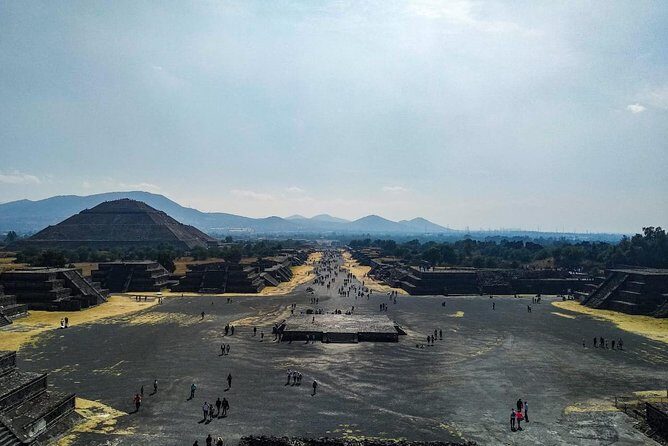
Teotihuacan is the kind of place where “what happened here” and “what people believed” get tangled together—in the best way. This tour leans into the myth layer, so you’ll hear how stories shaped how the city was understood, not just dates and measurements.
You’ll also learn about links people make between Teotihuacan and later Aztec culture. And yes, the route includes an Egypt connection topic. Even if you treat that part as legend rather than hard proof, it’s a fun lens for understanding how different cultures and ideas can get braided into local storytelling.
If you like archaeology but also enjoy human beliefs—rituals, symbols, and meaning—this format fits.
You can also read our reviews of more tours and experiences in Mexico City.


Starting at Frontón México: a smooth morning, small group, and real walking time
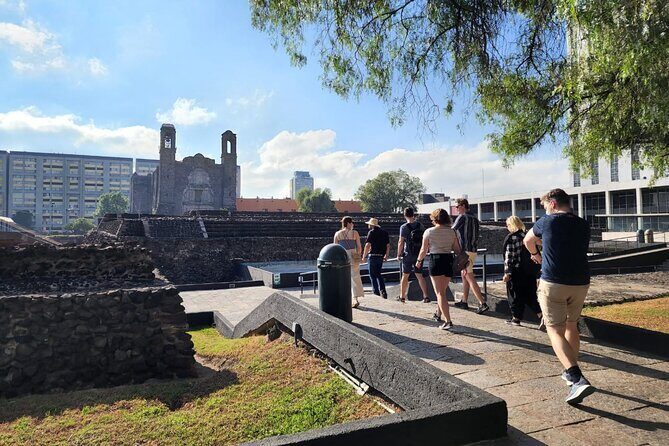
The tour meets at Frontón México, at Av. de la República 17 in the Tabacalera area (Cuauhtémoc). The start time is 8:15 am, and the entire experience runs about 6 hours.
You’ll travel by private round-trip transportation, and the group is capped at 19 travelers. That matters because you get a steadier flow at each stop, rather than feeling like you’re herding through the site with hundreds of people.
Language note: this tour is offered in English. You’ll also use a mobile ticket, which is usually simpler than digging for paper.
What I’d plan around: bring a water bottle, sun protection, and shoes that handle uneven ground. The day includes climbing and walking, so comfortable footwear is not optional.
Piramide de la Luna: climb early for calmer views and a better read of the place
The first stop is Piramide de la Luna. You’ll visit and climb the Moon pyramid, and the timing is set so the area is not crowded at that hour. That’s a big deal at Teotihuacan, because late mornings can get packed and noisy.
The payoff here is twofold. First, you get space for photos and for simply looking out over the complex. Second, it’s easier to follow your guide’s explanation when you’re not constantly navigating crowds.
Why this stop works on a guided tour: the Moon pyramid isn’t just a climb. You’ll hear the bigger picture behind Teotihuacan’s sacred layout and why people treated the area like more than a monument.
Practical consideration: climbing takes some stamina. If you’re traveling with knee issues or limited mobility, take it slow and use the natural pace your group sets.
Avenue of the Dead to the 65-meter Pyramid of the Sun: scale with context
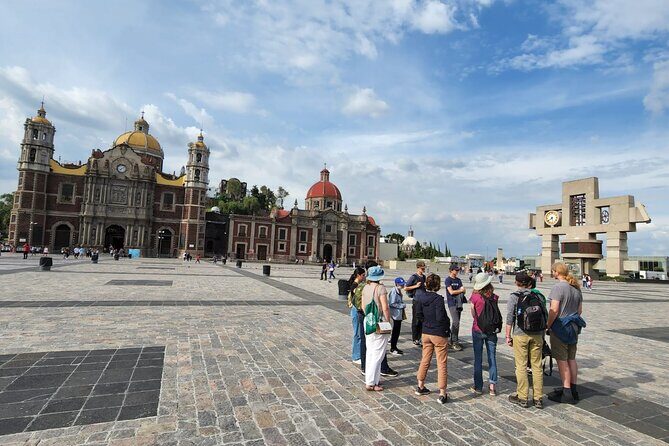
Next you walk along the Avenue of the Dead to Pyramid of the Sun. This pyramid is about 65 meters high, and it’s one of Teotihuacan’s most important structures.
A self-guided visit can turn into a blur of “big pyramid, next pyramid.” With this route, the walk is part of the learning. You’re not just seeing monuments—you’re getting the story of how the city was organized and why that main axis mattered.
This is also the moment when you’ll want to look back and connect locations. Once you know how the sites relate to each other, you’ll feel like you’re reading the city instead of passing by it.
Possible drawback: the route includes outdoor walking between stops. If the weather is hot or bright, plan on shade breaks when your guide allows time.
Palacio de Zacuala: a lesser-known mural stop where everyday religion shows up
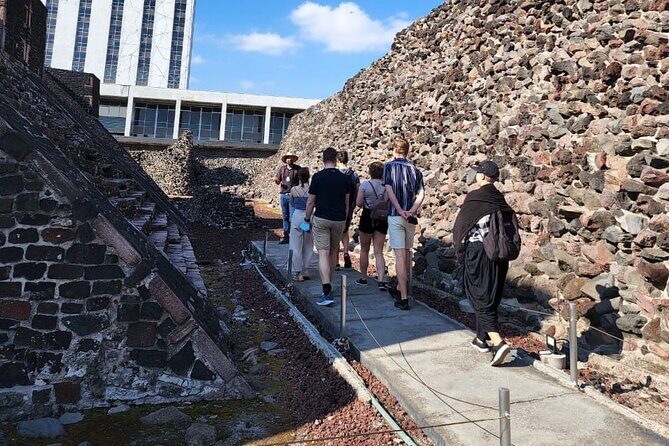
After the Sun pyramid, you move to Palacio de Zacuala, described as a little-known part of Teotihuacan. This is one of the best “less crowded, more interpretive” choices on the route.
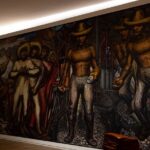
Here, you’ll learn about how people lived and how they understood religion. You’ll also see impressive murals, which is where the tour earns its “secret murals” vibe. Instead of only focusing on the pyramids as icons, you’re getting closer to the visual language Teotihuacan used—painted meaning on palace walls.
If murals are your thing, this is a stop to stay mentally alert for. The more you listen to how the guide explains symbols and beliefs, the more the paintings make sense.
Time at this stop is about 45 minutes, which is enough to look carefully without feeling rushed. Still, go at least once more slowly over key sections so you can match what you’re hearing to what you’re seeing.

Citadel and the Temple of Quetzalcoatl: myths you can point to
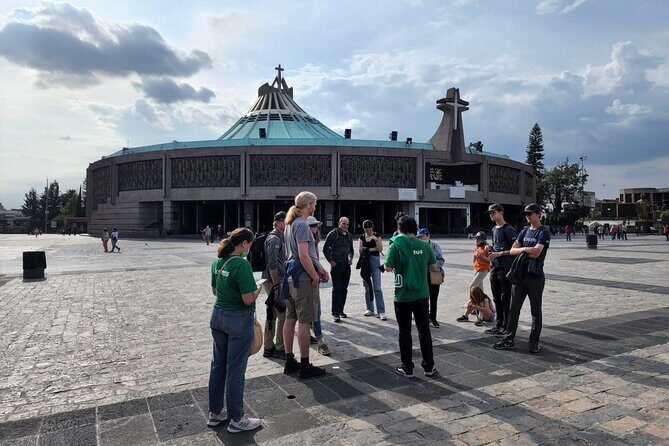
The tour then visits the Citadel, where the Temple of Quetzalcoatl is located. This is one of the best-preserved sites on the route, and it’s a strong capstone for the “myths of the gods” theme.
You’ll talk about myths that shaped the city—especially the way sacred stories show up in built forms and ceremonial spaces. When you’re standing in a place like this, myth stops being abstract. You can point at the structure and understand why people would treat it as spiritually central.
This stop lasts about 1 hour, which is helpful because there’s enough time to slow down. For many people, this is also where the guide’s narration really clicks with the physical layout.
How cochineal and plant pigments create mural colors you can learn
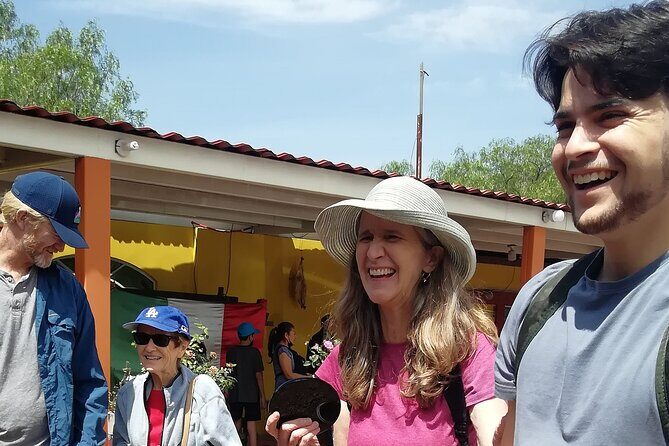
One of the most practical and memorable parts is the colors. At the later Zona Arqueologica De Teotihuacan portion, a local artisan explains how native people obtained colors to paint the murals.
You’ll see cochineal and vegetable pigments, and you’ll get a workshop-style explanation rather than only a quick photo stop. This is exactly the kind of detail that turns a good sightseeing tour into a useful experience.
Why it matters: many mural tours show you art. This one explains materials. You’ll leave with a better sense of how color was achieved in the real world, not just how murals look now.
This is also where you’ll likely notice how your own viewing changes. After hearing what those colors came from, you might start noticing contrasts and tones more actively.
Obsidian and silver workshops: souvenirs with a story (and real craft time)
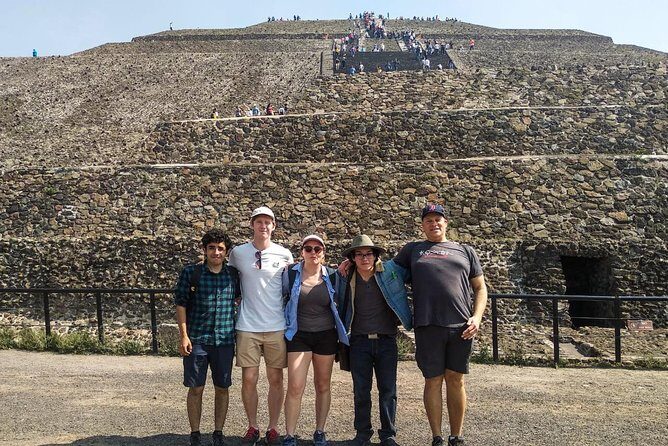
The highlights mention stops at obsidian and silver workshops. This is a smart add-on because it gives you a place to ask questions and learn how artisans approach materials.
One review specifically noted a guide named Jose giving a Mexico City context route and also showing a workshop view of onyx sculpture making. Another review credited guides Ricardo and Dani for a well-paced day with strong historical framing. Those details align with the general idea here: the workshop stops aren’t only shopping—they’re a chance to see the craft process.
A practical tip: buy only if you understand what you’re paying for. If an item is meaningful, you’ll know why. If the pitch is fast, slow down and ask what it’s made from and how it’s finished.
Value check: why this route feels worth your time
This tour is built around included entry fees and round-trip transport, so you’re not juggling tickets and transit math mid-day. That’s a real convenience in Mexico City, especially when you’re aiming for an early arrival at Teotihuacan.
You also get a mix of experiences:
- Major monuments (Moon and Sun pyramids)
- A lesser-known mural/palace area (Palacio de Zacuala)
- The sacred centerpiece (Temple of Quetzalcoatl at the Citadel)
- A hands-on learning stop centered on pigments (cochineal + plant pigments)
- Workshop time for obsidian and silver souvenirs
Even without a stated price in the details you provided, the value story is clear: you’re paying for guided context and guided access, plus a workshop that teaches materials rather than only selling objects.
What’s not included: lunch. There are convenience stores near the meeting point, and it’s wise to grab something earlier so you don’t end up hunting for food with a tired group later. Tips are also not included, so budget a little for that.
Who this Teotihuacan tour suits best
This is a strong fit if you:
- Want a guided explanation of myths, religion, and city meaning—not just pyramid selfies
- Like when tours include small “craft thinking” moments (the pigment workshop is excellent for that)
- Prefer an early start to reduce crowds at key viewpoints
It may be less ideal if you:
- Have a low tolerance for walking or climbing, since you’ll climb Piramide de la Luna
- Need a strict schedule with lots of long sit-down breaks (this is mostly a walk-and-look day)
Group size is small enough to feel personal, but not private enough to be totally flexible on the fly.
Should you book the Teotihuacan myth-and-murals route?
Yes, if your ideal Teotihuacan visit includes stories and hands-on learning. The early Moon pyramid timing is a practical win, and the added mural-focused stops (especially Palacio de Zacuala) make the day feel more complete than the standard “pyramids only” approach.
I’d book this route especially for the cochineal and plant pigments workshop, because it gives you a detail you can remember long after the photos fade. Add the obsidian and silver workshop stops, and you get both meaning and tangible craft knowledge.
If you’re sensitive to physical effort, go slower on the climb and bring the right shoes. Otherwise, this is the kind of Teotihuacan day that turns big ruins into a story you can actually follow.
FAQ
How long is the Teotihuacan tour?
It runs for about 6 hours.
Is lunch included?
No. Lunch isn’t included, but there are convenience stores near the meeting point where you can buy food to take along.
What’s included in the price?
The tour includes round-trip private transportation, the Teotihuacán entrance fee, and the cochineal and plant pigments workshop.
Do I need to buy tickets for the pyramids?
You do not need to handle entrance tickets separately for the stops, since entrance fees are included on the tour.
What do we do with colors and murals?
You’ll visit a workshop where a local artisan explains how native people obtained mural colors, including cochineal and plant pigments.
Is the tour in English and what’s the group size?
The tour is offered in English, and it has a maximum group size of 19 travelers.