REVIEW · MEXICO CITY
Teotihuacan & Guadalupe Shrine + Xochimilco, Coyoacán & Frida Kahlo Combo Tour
Book on Viator →Operated by Amigo Tours · Bookable on Viator
Two days, Mexico City sorted fast. This combo tour pulls together Teotihuacán and the Basilica of Guadalupe, then spends the second day in Coyoacán and the Frida Kahlo Museum before you float through Xochimilco on a trajinera. I love how the guides connect what you’re seeing to real culture and everyday meaning, and I love that transport plus key entrance tickets are handled for you. One possible drawback: the schedule is tight, and some portions can include shopping stops that can steal time from the sights.
You start early (7:30am) and you’ll be on the move across neighborhoods, with a maximum group size of 50. You’ll want comfy walking shoes, plus a backup plan for heat—Teotihuacán especially can feel intense depending on timing.
Two extra notes to keep in mind: some Teotihuacán areas may be closed due to COVID restrictions, and the Frida Kahlo Museum (Casa Azul) is not open on Mondays. If you’re booking for a Monday, double-check what your date means for that second-day stop.
In This Review
- Key highlights at a glance
- A two-day Mexico City plan that hits the essentials
- Tlatelolco and the Plaza de las Tres Culturas: where eras collide
- Guadalupe Shrine: massive devotion, big symbolism
- Teotihuacán pyramids: Sun and Moon climb + tequila tasting
- Day 2 in Coyoacán: cobblestones, Casa Azul energy, and a slower mood
- Frida Kahlo Museum (Casa Azul): plan your hour wisely
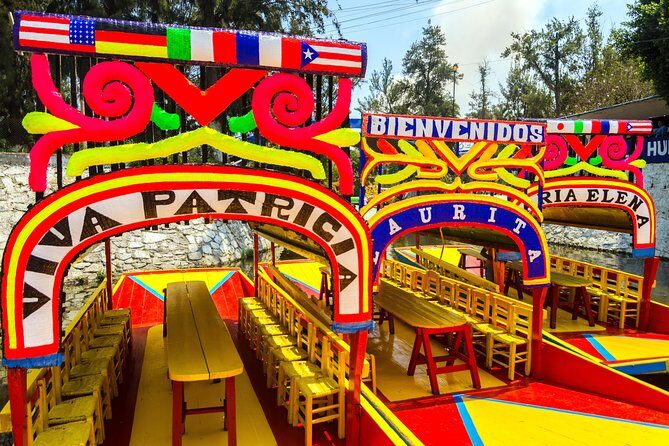
- Xochimilco floating gardens: the trajinera ride you’ll remember
- UNAM Central Campus: a mural stop that adds context fast
- How much you’re really paying: $149 for a two-day value bundle
- Guides and pacing: why the day feels smooth (or tight)
- Who this tour is best for
- Should you book this combo tour?
- FAQ
- What is included in the tour price?
- How long is the experience?
- What time does the tour start?
- Is food included?
- What days are the attractions scheduled for?
- Is the Frida Kahlo Museum open every day?
Key highlights at a glance
- Teotihuacán + Guadalupe on Day 1: two of Mexico City’s biggest “start here” landmarks with guided context
- Sun and Moon Pyramids access: you can climb up for big views
- Xochimilco trajineras: UNESCO-listed canal-area cruising with music and snack vendors
- Frida Kahlo tickets included: a lifesaver when Casa Azul can sell out online
- Bilingual guiding style: several guides are used to English/Spanish explanations and Q&A
- A mural stop at UNAM: short but smart if you like art history beyond museums
A two-day Mexico City plan that hits the essentials
This is the kind of tour that helps you get your bearings fast. You’ll bounce between pre-Hispanic sites, Catholic pilgrimage energy, major art, and a living canal tradition from the Aztec-era water system. The structure works well if you’re new to the city and want the “main chapters” without piecing everything together yourself.
The value comes from the fact that you’re not just buying entrances—you’re buying time saved. Roundtrip transport from central meeting points and ticket coverage for Teotihuacán and the Frida Kahlo Museum cut out a lot of planning stress. On top of that, Teotihuacán includes a tequila tasting on the tour, which is a fun add-on when it’s done right.
You can also read our reviews of more tours and experiences in Mexico City.


Tlatelolco and the Plaza de las Tres Culturas: where eras collide
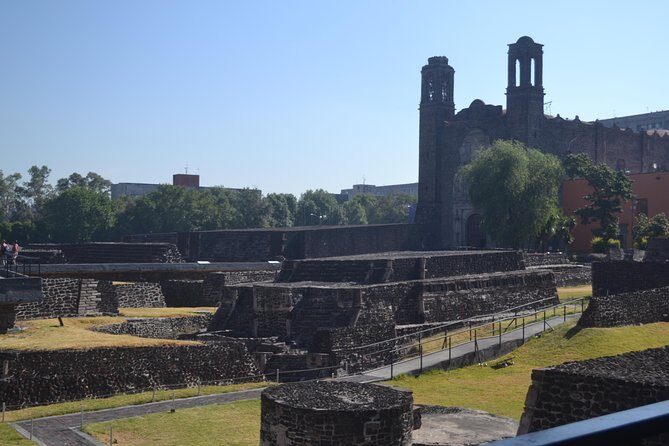
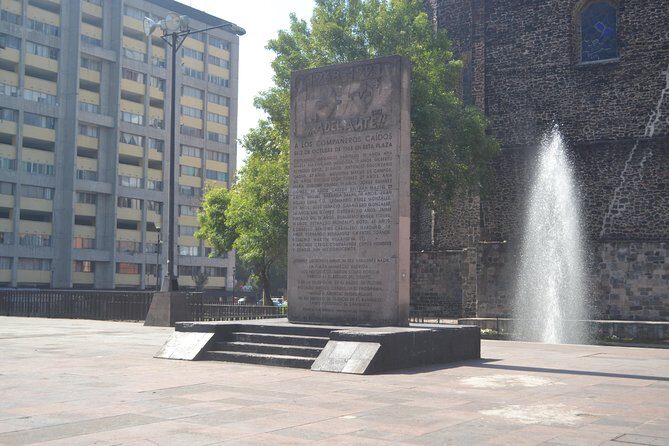
Your first day starts with Tlatelolco, one of Mexico City’s biggest archaeological sites. It’s tied to the Tlatelolcas, founded in 1337 A.D., and it once sat on an islet within Lake Texcoco. What I like about starting here is the perspective: before you see the grand pyramids, you understand the city had layered power and commerce long before colonial streets took over.
You’ll also see the Plaza de las Tres Culturas, named for the way the surrounding ensembles reflect three historical stages: Mesoamerican, Spanish, and modern Mexico. It’s the kind of place where you can literally stand in one spot and realize Mexico City is built on top of itself—history stacked, not replaced.
Practical note: this part is shorter (about 50 minutes), so you’ll get a guided orientation rather than a deep dig. If you’re the type who wants to linger on carvings, consider viewing the area photo-worthy spots quickly and saving “slow time” for a separate return visit.
Guadalupe Shrine: massive devotion, big symbolism
Next up is the Basilica de Santa Maria de Guadalupe (Basilica of Our Lady of Guadalupe). This is described as the most important religious building in Mexico and one of the most visited Catholic sites in the world. It draws more than 20 million pilgrims each year, which tells you the scale right away.
What you’ll take from the stop isn’t only architecture—it’s the meaning. The guide context helps you read the site as more than a postcard. Even if you’re not a church person, you’ll feel the difference between this and a typical museum: people come with purpose, and the atmosphere reflects that.
Timing can matter here. The tour allots about 1 hour 30 minutes total for the basilica portion, so you’ll have time to absorb the space without feeling rushed out of the moment.
Teotihuacán pyramids: Sun and Moon climb + tequila tasting
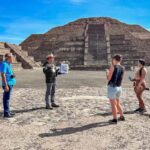
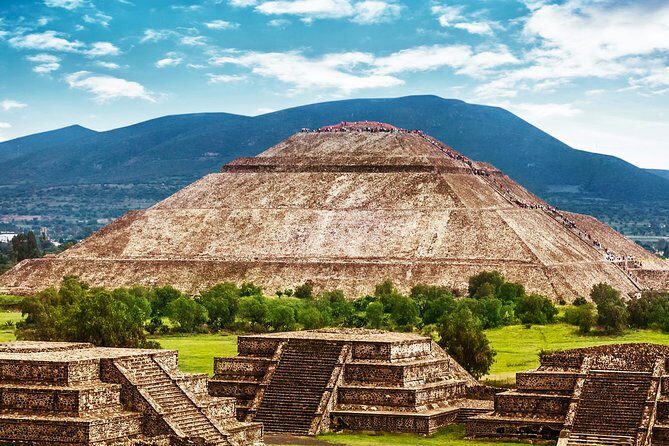
Then comes the big-ticket day: Teotihuacán, the UNESCO World Heritage Site often described as the City of the Gods. The tour focuses on guided storytelling as you walk the ruins and take in the scale of the ancient city.
You’ll visit the most famous pyramids—especially the Sun Pyramid and Moon Pyramid—and you can go up for views. That climb is the difference between seeing Teotihuacán and understanding it. From up top, it’s easier to grasp why this city could feel so monumental to the people who built it.
And yes, there’s a tequila tasting included on the Teotihuacán portion. It’s a small break in a long day, and it gives you a chance to reset before you move on.
Two realities to plan for:
- Heat: multiple guides keep the pace moving, and a few people noted it can be very hot later in the day. Even if your tour doesn’t run late, sunscreen is smart.
- Possible closures: some areas at Teotihuacán may be closed due to COVID restrictions. You’ll still see the core highlights, but your exact path could vary.
Day 2 in Coyoacán: cobblestones, Casa Azul energy, and a slower mood
Day two is calmer in vibe but still busy in stops. You start with Coyoacán, a neighborhood that dates back to pre-Hispanic times. Expect cobblestone streets and picturesque houses, plus that “Mexico City as neighborhood” feeling you don’t get when you’re only in downtown.
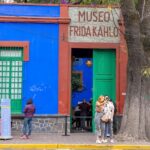
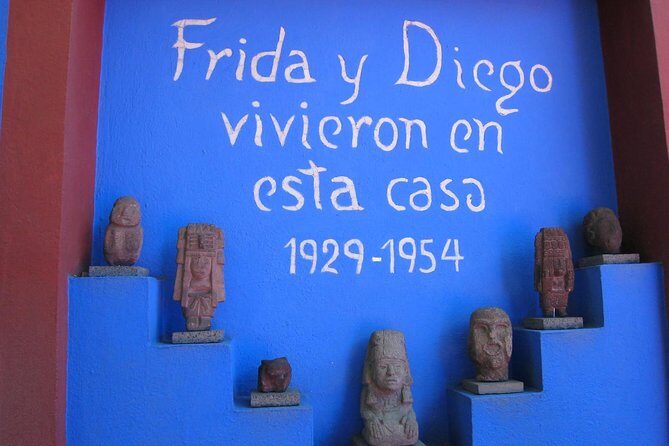
This is also where the tour sets you up for Frida Kahlo. You’ll either visit or get your bearings around Casa Azul (the Frida Kahlo Museum). One thing I like: the tour doesn’t act like Frida is just a quick photo moment—it treats her as part of a lived place, not a standalone attraction.
Be ready for a wait component at Casa Azul. Some people flagged that the process of getting into the Blue House museum can take time. It’s not always the tour’s fault; museums have systems. But it does mean you should treat the museum time as precious.

Frida Kahlo Museum (Casa Azul): plan your hour wisely
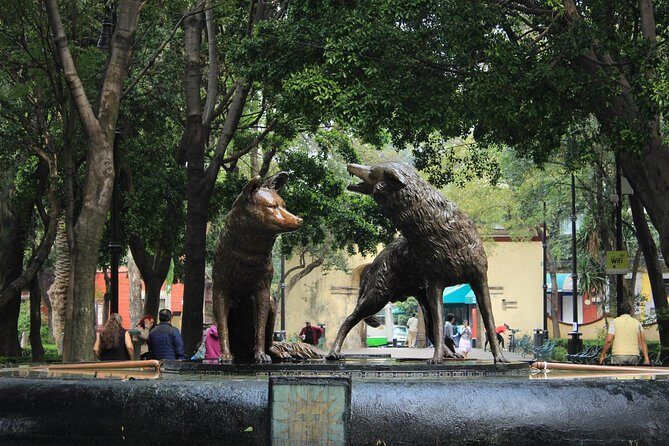
The Frida Kahlo Museum stop is built in with included admission and about an hour of free time inside. This matters because it gives you control. You can speed-run famous rooms if you want, or slow down to study the themes the guide mentioned earlier.
What helps is that the tour context often comes with practical art-and-life framing: how Diego Rivera’s life overlaps with Frida Kahlo’s world, and why certain objects and aesthetics show up again and again. If you like art history but don’t want a lecture hour-by-hour, this format hits a good balance.
Also: there’s an important scheduling note—Frida Kahlo Museum is not open on Mondays. So if you’re picking a Monday date, your second day may not line up the way you expect. Confirm what the operator does for that schedule before you go.
Xochimilco floating gardens: the trajinera ride you’ll remember
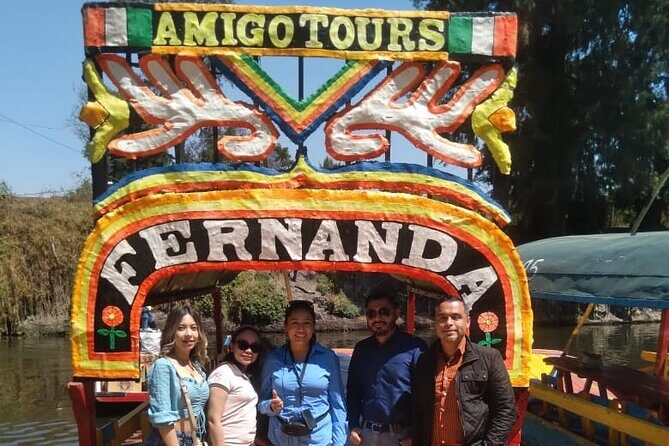
If Teotihuacán is about ancient power, Xochimilco is about living tradition. You’ll head to Xochimilco, about 28 km (17 miles) south of Mexico City, where the canals are the last remnants of the extensive transportation system created by the Aztecs. It’s also a UNESCO World Heritage site and was a lake during Aztec times.
The highlight is the trajinera boat ride for about an hour. You’ll hear festive music from other boats, and you’ll see vendors selling snacks (snacks not included). The practical win here is that you can take in a full “city-to-water” contrast without having to navigate it alone.
A few tips that make this stop better:
- Bring sun protection. You’re on open water.
- Plan to buy only what you truly want, since vendors are part of the atmosphere.
- Keep your expectations realistic: this is not a quiet museum experience. It’s a social canal scene.
Many people called Xochimilco a standout, and I get why. It’s one of the rare times in the itinerary when you can just relax and let the day’s imagery catch up.
UNAM Central Campus: a mural stop that adds context fast
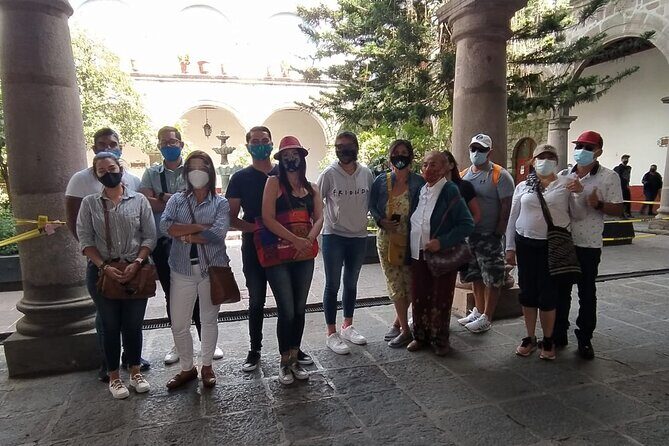
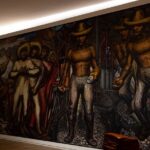
To round things out, you’ll stop at UNAM (the National Autonomous University of Mexico). The tour references UNAM being built in 1551, and you’ll see the UNESCO-listed Central Campus. There’s also a mural-art connection—work associated with Diego Rivera and Juan O’Gorman.
This portion is shorter (about 30 minutes), so treat it as a context boost rather than a full museum day. If you like learning how art is tied to public spaces and national identity, this stop is a smart way to connect Frida’s world to the broader Mexican mural movement.
How much you’re really paying: $149 for a two-day value bundle
At $149 per person for roughly two days, the price is about “big sights with minimal hassle.” The tour includes:
- Professional guide
- Roundtrip transport from central meeting points
- Admission tickets to Teotihuacán and the Frida Kahlo Museum
- Tequila tasting on the Teotihuacán tour
- A visit to Tlatelolco
Meals and drinks are not included. That’s normal for this style of combo tour, and it’s worth planning around. In real life, lunch breaks can turn into quick restaurant stops or buffet-style pauses depending on the day. If you’re picky about food, I recommend eating a good breakfast and carrying snacks/water so you’re not dependent on the lunch timing.
Value-wise, the tour shines if you want organization more than flexibility. If you enjoy researching and building your own itinerary, you might find standalone ticket prices add up in a different way. But if you’re trying to cover Teotihuacán, Guadalupe, Frida Kahlo, and Xochimilco in one package, the ticket-and-transport combination makes sense.
Guides and pacing: why the day feels smooth (or tight)
One of the most praised parts across the experiences is the guide quality and how they narrate what you’re seeing. Names that came up include Alexa, Yair, Mario, Emmanuel, Alan, Hector, Salvador, Christian, and Leonardo, with several people highlighting bilingual English/Spanish support and a friendly, approachable style.
The pace is generally doable, including for people traveling with elderly parents, but you should expect walking. Some people specifically warned to wear walking shoes for the pyramids. If you’re not in regular walking shape, plan to go slowly, drink water, and don’t try to “win the day.”
One downside that shows up: shopping stops. Some riders mentioned jewelry/silver shop time that felt like it could’ve been used on the main attractions. Not everyone minds, but it’s worth noting so you can decide in advance what you’ll tolerate.
Who this tour is best for
This combo tour is a strong fit for:
- First-time visitors who want the big Mexico City hits without logistics headaches
- People who learn best with a guide’s storytelling (history, religion, art, culture)
- Families and multi-generational groups, when walking pace matters
- Solo visitors who want built-in safety and structure during a busy sightseeing stretch
It may be less ideal if you:
- Hate shopping interruptions and want maximum time on-site
- Are very schedule-sensitive and need a relaxed rhythm
- Plan to have a departure day immediately after, since road delays can happen in Mexico City and affect timing
Should you book this combo tour?
Yes, if your goal is to see Teotihuacán, Guadalupe, Coyoacán/Frida, and Xochimilco in two structured days with transport and key tickets handled. The itinerary makes sense for first-timers, and the included Frida Kahlo Museum access is a big advantage when demand is high.
I’d book it with two expectations set: the day is full, and you’ll want to manage heat and wear sturdy shoes. If shopping stops drive you nuts, you can still enjoy the main attractions—just go in mentally prepared to say no and keep moving toward the sites you came for.
FAQ
What is included in the tour price?
The tour includes a professional guide, roundtrip transport from central meeting points, entrance tickets to Teotihuacán and the Frida Kahlo Museum, tequila tasting on the Teotihuacán tour, and a visit to Tlatelolco.
How long is the experience?
It’s a two-day experience, approximately two days total.
What time does the tour start?
The start time is 7:30am.
Is food included?
No. Food and drinks are not included.
What days are the attractions scheduled for?
Your chosen date is for Teotihuacán and the Guadalupe Shrine. The Xochimilco and Frida Kahlo portion happens the following day.
Is the Frida Kahlo Museum open every day?
No. The note says that on Mondays, the Frida Kahlo Museum is not open.