REVIEW · MEXICO CITY
Teotihuacan Archaeology Tours
Book on Viator →Operated by Teotihuacan Real Archaeology Tours · Bookable on Viator
Sunrise at Teotihuacán hits different. This tour is built around that early-light feeling, plus the chance to move through the main monuments with an archaeology-and-anthropology expert like Jorge Archer or David. I especially like the way the guide turns the Avenue of the Dead and the pyramids into an actual story, not a slideshow.
The only real drawback I’d flag is cost creep: the $100 price does not include entrance fees or the small on-site parking fee, and you’ll also be doing some climbing. If you have heart concerns or serious medical issues, this is also not recommended because part of the experience involves climbing the pyramids.
You get a private format, a mobile ticket, and a focused morning route that can feel surprisingly long if the guide’s explanations pull you in. It runs about 2 to 4 hours, but if you’re a history nerd (or you just have questions), expect to linger.
In This Review
- Key highlights worth planning for
- Sunrise, Quiet Walks, and Why Timing Changes Everything at Teotihuacán
- Jorge Archer or David: The Expert Factor That Makes the Ruins Feel Real
- The Core Circuit: Avenue of the Dead, Citadel, and the Sun and Moon Pyramids
- The Street of the Dead (Avenue of the Dead)
- The Citadel
- Pyramid of the Sun
- Pyramid of the Moon
- Palaces and Wall Paint Palace: When Details Start to Matter
- Quetzalpapalotl Palace and other key structures
- Wall Paint Palace (with an optional museum stop)
- Price and What You’re Really Paying For at $100
- How to Get There: Mexico City to Teotihuacán Without Drama
- How Hard Is It, and Who This Tour Is For
- Should You Book This Teotihuacán Archaeology Tour?
- FAQ
- How long is the Teotihuacán archaeology tour?
- Is this tour private?
- What’s included in the $100 price?
- What’s not included?
- What time of day does the tour run?
- Do I need to arrange transportation from Mexico City?
- What if the weather is bad?
- Who shouldn’t do this tour?
- What’s the cancellation policy?
Key highlights worth planning for
- Sunrise timing for calmer viewpoints over the pyramids
- Archaeologist or anthropologist-led guiding with insider-style context
- Climbing the Pyramid of the Moon and other key viewpoints on the circuit
- A route that covers the Avenue of the Dead, Citadel, and major palaces
- Wall Paint Palace plus an optional museum stop for extra context
- Private group pacing, so you can ask questions without a rush
Sunrise, Quiet Walks, and Why Timing Changes Everything at Teotihuacán
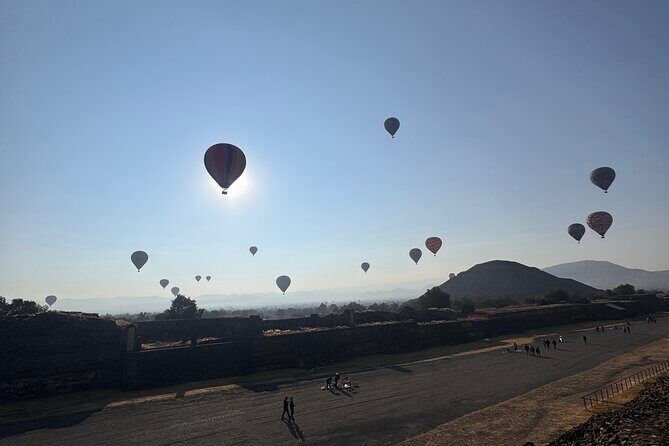
Teotihuacán is one of those places where the time of day is not a detail. Morning works because the light is softer on stone carvings and because you start before the site gets fully loud. The tour is designed to meet early at the archaeological zone and then guide you through the most important structures while the sun is rising, so you get that clean view of the pyramids and their surroundings.
I like that this tour doesn’t waste your morning. You’re not stuck in a long intro lecture first, then rushing through the monuments. Instead, you’re already on the ground in the zone, learning as you walk—Citadel, the Street of the Dead, and the Sun and Moon pyramids, in a sequence that keeps the place making sense.
If you’re the type who hates feeling herded, this timing helps. Multiple mentions point to the magic of being near the pyramids early—almost alone at moments—so you can actually look up, take in scale, and absorb what you’re seeing instead of just passing by.
You can also read our reviews of more tours and experiences in Mexico City.


Jorge Archer or David: The Expert Factor That Makes the Ruins Feel Real
What you’re paying for here is not only access to the monuments. The big value is the guide.
This tour includes a professor-level archaeologist/anthropologist expert connected to Teotihuacán. In practice, that means you don’t just get what the structures are called—you get how researchers interpret them and why certain theories stick. People specifically highlight Jorge Archer for sharing context like an insider, including how scholars know what they know and what’s still debated.
Another standout is David, who shows up in multiple write-ups as a trained archaeologist with a real passion for Mesoamerican history. Several comments emphasize that David doesn’t treat the site like a list of facts. He explains things in a way that helps you understand what you later see in museums too, and he’s praised for giving commentary across multiple areas of the zone rather than only the headline pyramids.
Two practical tips based on what’s been shared:
- If you want a more in-depth experience, ask whether there’s an expanded route (some people note extra coverage of the palaces and additional time inside the circuit).
- If you like Q&A, plan to go a bit slower. Private guiding plus an enthusiastic expert can stretch the visit beyond the 2 to 4 hour estimate.
The Core Circuit: Avenue of the Dead, Citadel, and the Sun and Moon Pyramids
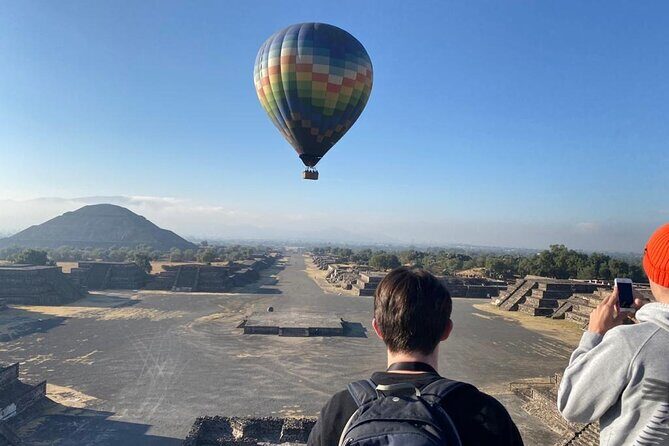
The heart of the experience is walking through Teotihuacán’s signature layout. You start at the Zona Arqueológica de Teotihuacán early, meet the guide right at the site, and then move through a set of major stops that anchor your understanding of the city.
The Street of the Dead (Avenue of the Dead)
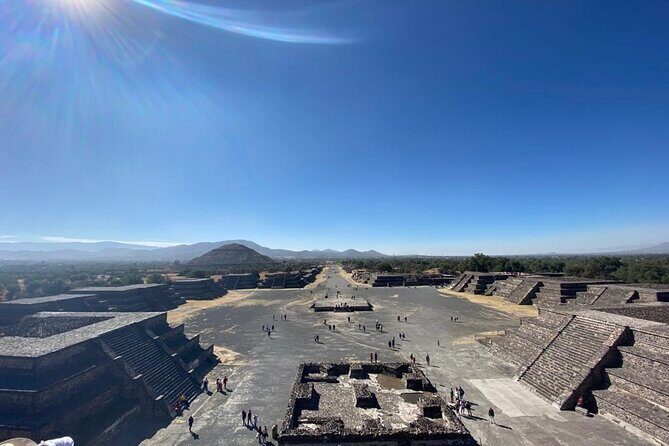
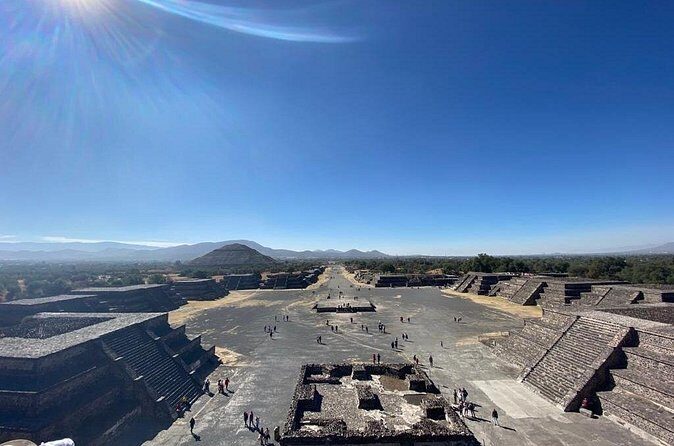
The Avenue of the Dead is the spine of the complex, and it’s the first place where a strong guide can make you see more than shape and symmetry. With an expert, you can focus on what you’re looking at: the alignment, the way the structures relate to each other, and what the space might have meant to the people who built and used it.
The practical payoff: if you later try to explore on your own, the avenue gives you a mental map fast. You stop getting lost among ruins and you start understanding how the city’s plan is telling a story.
The Citadel
Then comes the Citadel, a major focal point that helps set Teotihuacán’s civic and ceremonial tone. This stop is where you start to get a feel for why the site is often described as a center of power and meaning—not just an impressive backdrop.
One thing I appreciate about expert guiding here is pacing. The guide can point out details you might otherwise miss, without rushing you. In a private setup, that’s a big deal.

Pyramid of the Sun
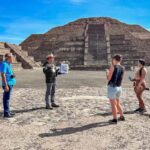
The Pyramid of the Sun is the headline for a reason: scale, presence, and that unmistakable pyramid silhouette. You’ll climb and then get a viewpoint that makes the whole zone feel like a designed environment, not random ruins.
There is a straightforward consideration: climbing means stairs, and the tour notes you should have moderate physical fitness. Also, it’s not recommended for participants with heart complaints or other serious medical conditions.
Pyramid of the Moon
Many people love the Pyramid of the Moon because it brings you back to a narrower set of sightlines and a different angle on the surrounding structures. Reviews specifically call out that steps climbed recently made the experience feel extra worth it, with the hike itself part of the fun.
Even if you’re not trying to break records, build in a slower pace. The goal isn’t only reaching the top; it’s taking in the relationship between monuments while you’re there.
Palaces and Wall Paint Palace: When Details Start to Matter
Once you’ve done the big pyramids and the classic avenues, the tour shifts into the areas that reward attention. This is where guided context pays off most, because palaces and decorated buildings can look similar if you don’t know what to look for.
Quetzalpapalotl Palace and other key structures
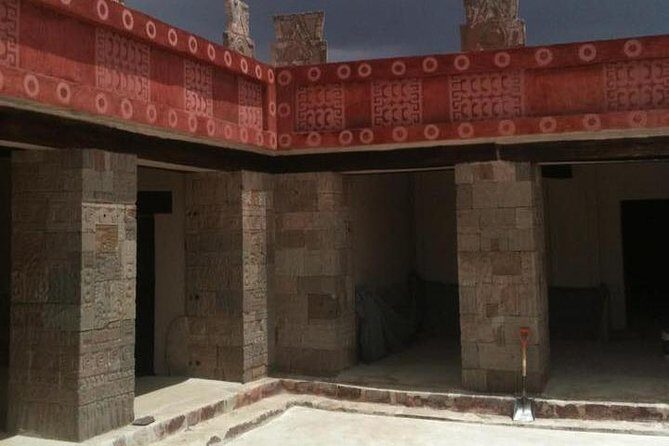
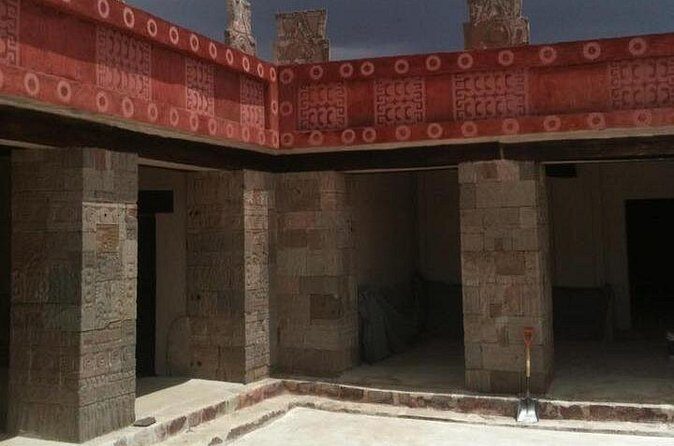
The route includes major palace areas such as Quetzalpapalotl Palace. These stops help you move beyond the idea of Teotihuacán as just pyramids. Palaces matter because they suggest how elite life worked, how spaces were used, and how art and power were connected.
A good guide helps you notice patterns: how architectural choices support ceremonial or administrative roles, and why certain decorations or layouts matter.
Wall Paint Palace (with an optional museum stop)
Wall Paint Palace is included, and the museum visit is optional. If you’re someone who likes to learn by comparing what you see on-site with what you see indoors, this optional stop can be a strong finish.
What I like about including this area is that it changes the tone of the visit. After the long sightlines of the pyramids, you start paying attention to textures, design, and interpretive details.
The practical reality: if you’re tired, you can scale it. Since the museum is optional, you can decide based on energy and interest.
Price and What You’re Really Paying For at $100
Let’s talk money in plain terms.
The listed price is $100 per person, and it’s positioned as a private tour. That matters because you’re not splitting expert time with a huge group. You’re hiring an expert to guide you through the site while you learn, ask questions, and connect the monuments to the broader story of Teotihuacán.
Then there are the extras you need to plan for:
- Entrance fees are $5 USD and are not included.
- There’s also a $3 parking fee payable at check-in.
- Food and drinks are not included.
- Hotel pickup and drop-off are not included.
- Transport to the site is also not included, though you can arrange it for an additional cost.
So yes, the true out-the-door number is higher than $100 once you add site entry and parking. But the expert factor and private format can still make it good value, especially if this is likely your one and only Teotihuacán visit. In multiple accounts, people describe the tour as better than standard site tours because the guide provides research-level context rather than a quick overview.
My rule of thumb: if you’re the type who reads signs but wishes they explained more, this tour fits you. If you only want a short photo stop and don’t care about interpretation, you might find a cheaper approach sufficient.
How to Get There: Mexico City to Teotihuacán Without Drama
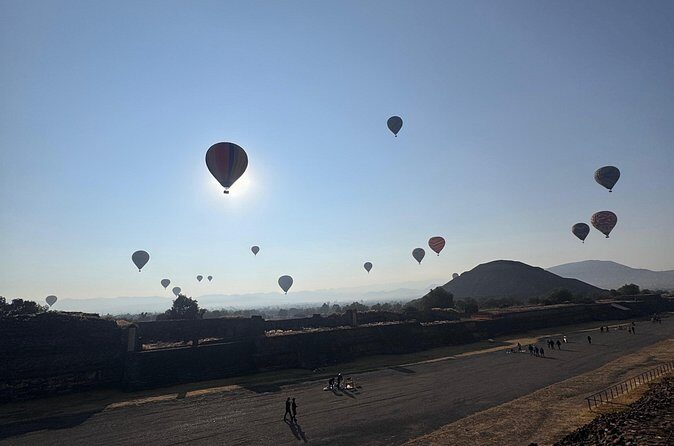
This tour meets at the site early and includes guidance on transport choices. You can get there by taxi or bus from Mexico City, or you can ask about transportation arrangements (not included, additional cost).
Because the tour has a set start area and a distinct end point, it helps to check directions before you go. The start is listed at Tuxpan (55825 Méx.) and the end is at Palacio de Quetzalpapálotl in Teotihuacán Centro. If you’re using a rideshare, you’ll want to confirm that the drop-off matches the correct end location.
Some people also describe using Uber from central Mexico City or taking a bus via Terminal del Norte. That’s useful if you like controlling your schedule, but it’s not required. The key is planning for an early start so you don’t arrive late and lose the sunrise magic.
Also, the meeting style is important: you meet your specialist guide right at the archaeological zone early in the morning. That means you should show up with enough buffer for parking or last-minute navigation.
How Hard Is It, and Who This Tour Is For
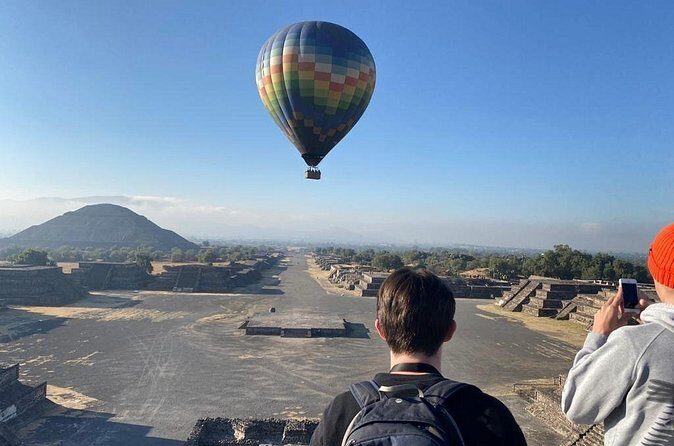
This isn’t a sit-and-stare tour. You’ll be walking and you’ll be climbing as part of the experience. The tour advises moderate physical fitness, and it’s explicitly not recommended for people with heart complaints or serious medical conditions because of the pyramid climbs.
So who should book?
- You like archaeological context and want more than labels.
- You’re comfortable with stairs and uneven ancient surfaces.
- You enjoy morning plans and want the site before the crowds fully arrive.
Who should reconsider?
- Anyone who can’t manage climbing or has medical concerns tied to exertion.
- People who prefer flat walking only.
If you’re unsure, I’d choose the cautious route. Teotihuacán is awe-inspiring, but it also has real physical demands.
Should You Book This Teotihuacán Archaeology Tour?
Here’s my straight answer: I think you should book it if your goal is understanding, not just sightseeing.
The best reason to pick this tour is the expert guiding—the combination of an archaeologist/anthropologist approach and a route that hits the key monuments in the right order. If you care about how researchers interpret structures, how evidence is used, and how the story of the city connects across avenues, pyramids, and palaces, this experience matches that mindset.
Book it even faster if:
- You want sunrise views with a calmer feel.
- You want a private group format where questions don’t get swallowed by a crowd.
- You’re hoping for a guide like Jorge Archer or David specifically, since multiple people highlight them by name for going beyond the usual tour script.
Skip or adjust if climbing is a dealbreaker for you, or if you’re on a tight budget and don’t want extra site fees and parking added on.
If you do book, plan to wear comfortable walking shoes and give yourself room for the guide’s pace. The site rewards attention, and this tour is designed for exactly that.
FAQ
How long is the Teotihuacán archaeology tour?
The tour is listed as 2 to 4 hours approximately.
Is this tour private?
Yes. It’s a private tour/activity, meaning only your group participates.
What’s included in the $100 price?
The tour includes a prof. archaeologist/anthropologist expert in Teotihuacán.
What’s not included?
Entrance fees (listed as $5 USD), a $3 parking fee at check-in, food and drinks, hotel pickup and drop-off, and transport to the site are not included.
What time of day does the tour run?
It’s a morning tour and meets early so you can see sunrise over the pyramids.
Do I need to arrange transportation from Mexico City?
Transport to the site is not included. You can get there by taxi or bus from Mexico City, and you can also ask to arrange transportation for an additional cost.
What if the weather is bad?
The experience requires good weather. If it’s canceled due to poor weather, you’ll be offered a different date or a full refund.
Who shouldn’t do this tour?
It’s not recommended for participants with heart complaints or other serious medical conditions, because the experience includes climbing the pyramids.
What’s the cancellation policy?
Free cancellation is available. You can cancel up to 24 hours in advance for a full refund, and changes made less than 24 hours before the start time are not accepted.