REVIEW · SAN LUIS POTOSI CITY
Private Tour of the Mezcal Route with Ancestral Drinks
Book on Viator →Operated by Auténtico San Luis · Bookable on Viator
Agave drinks get serious on this rural route. This private tour from San Luis Potosí takes you beyond bars and into magueyeras, a family mezcal patio, and a tasting session built around how your senses actually work.
I especially like the way the day mixes people and process: you meet hosts including David and Eufemia for prehispanic pulque, then you learn how mezcal is prepared with the campanilla clay-pot method. I also like that your guide is SECTUR certified (NOM-009-TUR-2002) and the tour runs in English with guide Miguel leading the experience.
One possible drawback: there’s no lunch. You’ll get a snack (GORP energy bar), water, and small pours (about one ounce mezcal plus a little pulque), so you’ll want to plan food timing and not show up starving.
In This Review
- Key highlights to look for
- Why this Mezcal Route feels different from a typical tasting
- Getting set up in San Luis Potosí (and timing that matters)
- Stop 1 in the magueyeras of Derramaderos: pulque, prehispanic style
- Stop 2 in the mountains near San Miguel de Mexquitic: campanilla mezcal patio
- Stop 3 in Mexquitic de Carmona: learning how to taste mezcal
- What’s included (and why that matters for value)
- The guide makes the difference: Miguel and the local relationships
- Logistics you can plan around (simple, but don’t ignore them)
- Who should book this Mezcal Route (and who might skip it)
- Should you book this private Mezcal Route with ancestral drinks?
- FAQ
- How long is the private Mezcal Route tour?
- Is the tour private or shared?
- What language is the tour offered in?
- What alcoholic drinks are included?
- Is there lunch included?
- What’s the meeting point and start time?
- Are there age restrictions for alcohol?
- What’s the main tasting method you’ll learn?
Key highlights to look for
- David and Eufemia’s pulque stop in the Derramaderos magueyeras area
- Campanilla distillation using clay pots that shape the flavor profile
- A mezcal patio visit in the mountains near the first Spanish settlement area (San Miguel de Mexquitic)
- A guided tasting technique in Mexquitic de Carmona that trains your senses
- A private, SECTUR-certified English tour led by Miguel, with close local access
Why this Mezcal Route feels different from a typical tasting
This tour is built like a lesson, not like a drink menu. Instead of dropping you into a place where everything already feels finished, you’re taken through the steps behind pulque and mezcal—from the plants and preparation to how tasting should feel in your body.
The private format matters. You’re not competing with a busload of people for a quick sip and a photo. Your group gets time to ask questions, slow down, and actually learn what you’re tasting. And that’s where this tour earns its high score: Miguel’s explanations connect history, technique, and taste in a way that sticks.
At the same time, it’s not stuffy. Expect a rustic, hands-on feel with real families involved—like Angel, Daniel, Manuel, and Maria de la Luz at the mezcal patio stop—so the day feels human, not theatrical.
You can also read our reviews of more tours and experiences in San Luis Potosi City.
Getting set up in San Luis Potosí (and timing that matters)
You’ll meet at Av Manuel J. Clouthier 1923, Tangamanga, 78269 San Luis Potosí, S.L.P., Mexico. The listed start time is 9:00 am, and the tour departs San Luis Potosí at 10:00 am, so plan on a short check-in window before you roll out.
This timing is useful for two reasons:
- It gets you out of the city while it’s still comfortable for driving and talking.
- It spaces the tasting so you don’t feel rushed when you’re meeting the producers.
The tour lasts about 5 hours, and it stays focused on drinks and process. That’s great if you’re short on time. It also explains why you’ll want to treat the included snacks as just that—snacks—since lunch isn’t part of the package.
Stop 1 in the magueyeras of Derramaderos: pulque, prehispanic style
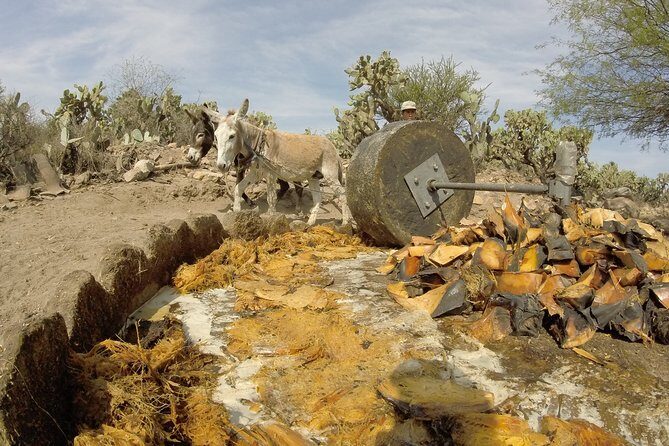
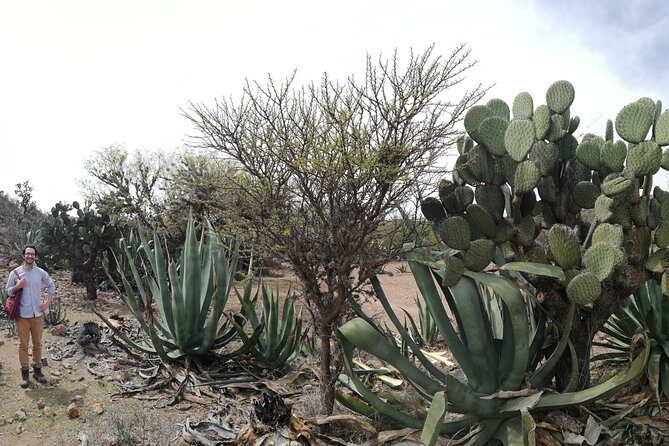
The first stop leaves from San Luis Potosí at 10:00 am and takes you to the magueyeras of Derramaderos, a community on the outskirts of the capital. This is where you start connecting the drinks to the land.
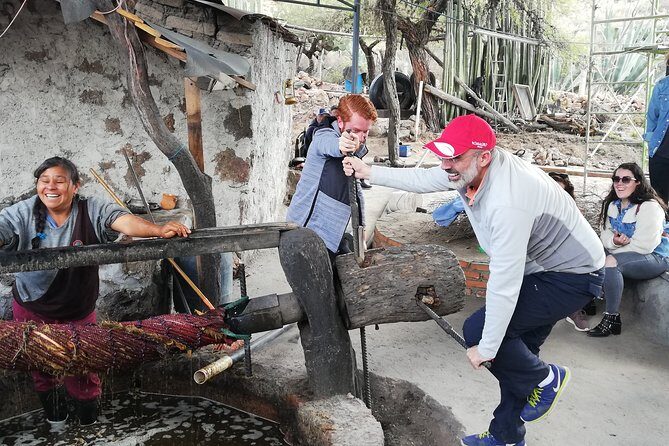
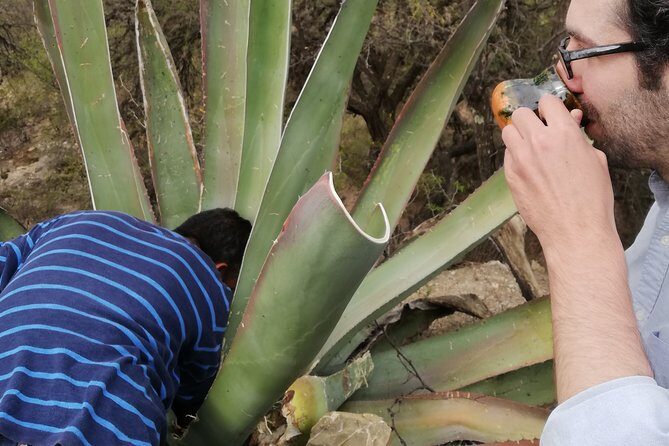
You’ll meet David and his mother Eufemia. They’ll take you into their world and demonstrate the elaboration of pulque, a drink with pre-Hispanic roots. During this part, you may also be involved in collecting mead and/or ingredients—think of it as learning by doing, not watching from behind glass.
What I like about this stop is that it sets your palate up early. Pulque isn’t just another pour. It gives you a baseline for how fermentation and agave-based flavors can show up before you switch to mezcal distillation later in the day.
A practical note: pulque is served in a small amount, but it’s still alcohol. If you’re sensitive to alcohol or want a calmer pace, you can slow down during the explanation and take your time with the sip.
Stop 2 in the mountains near San Miguel de Mexquitic: campanilla mezcal patio
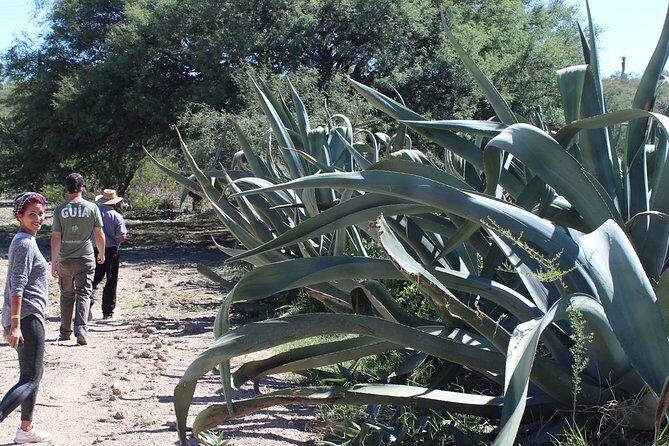
After the pulque visit, you get back into the vehicle and head along the potosino mezcal route. This is where the scenery and the story shift. You’ll enter the mountains and reach the area associated with San Miguel de Mexquitic, noted as the first Spanish settlement in the state.
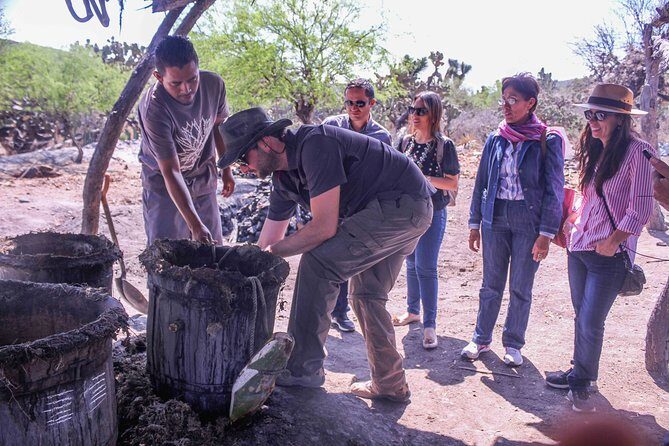
Then you arrive at a community where families—Angel, Daniel, Manuel, Maria de la Luz, and relatives—invite you to see their vinata, basically their mezcal patio.
This is the part with the signature technique: the tour focuses on mezcal preparation and elaboration using campanilla, an ancestral method that uses clay pots for distillation. That clay-pot approach is the key difference you’re looking for. It affects the character of the spirit, so when you taste later, you’re not guessing why it tastes the way it does.
The campanilla technique also changes how you listen. You’ll hear the process explained in terms of what it does to flavor, not just in terms of what happens step-by-step. And because it’s happening right there on the patio with the people who make it, you get a real sense of continuity—skills passed through families and daily work, not a one-off demonstration.
The tour timing for this stop is about 1 hour 30 minutes, which is long enough to ask questions and still keep the day moving.
Stop 3 in Mexquitic de Carmona: learning how to taste mezcal
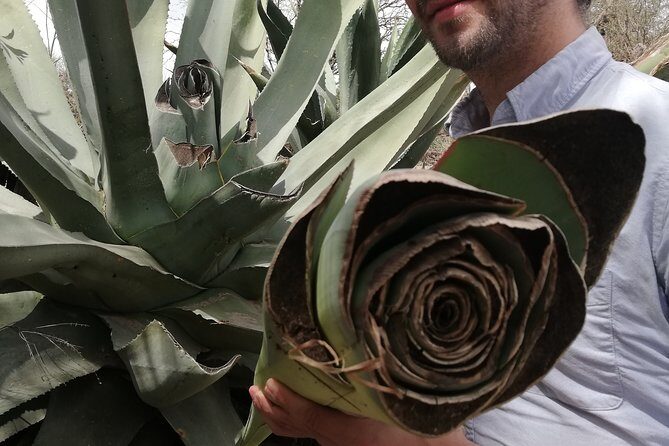
The last stop is in Mexquitic de Carmona. It’s shorter—about 30 minutes—but it’s built to change how you taste.
Forget the chaotic idea of mezcal as a quick shot. This tasting is taught as a sensory exercise. You’ll learn a technique that builds your experience with smell, mouthfeel, and flavor order, so the spirit doesn’t just register as strong—it becomes readable.
This is the moment where the day clicks. If you’ve been paying attention to the pulque baseline and the campanilla distillation approach, the final tasting helps you connect method to results. You’re not just tasting mezcal; you’re learning a way to interpret it.
Also, this is the part you’ll feel most clearly in your body. The tour includes about 1 ounce of ancestral mezcal in total, plus a little pulque earlier. That’s enough to learn without turning the whole experience into a drinking contest.
What’s included (and why that matters for value)
At $89.57 per person, the big question is whether you’re paying for drinks only—or for access and teaching. Here’s what you do get:
- Private transportation
- A SECTUR certified guide (NOM-009-TUR-2002)
- Snacks: a GORP energy bar
- Bottled water
- Alcoholic beverages: about one ounce ancestral mezcal and a little cup of pulque
- All fees and taxes
- Admission tickets (listed as free for the stops)
You’re also getting a format that usually costs extra on its own: private time with a specialist guide. Miguel’s background and English ability keep the day understandable, and the tour’s focus on ancestral methods keeps it from feeling like a generic “tasting route.”
Is it a steal? If your goal is a real cultural and process-based experience, it’s strong value. If your goal is a long, food-heavy day with big pours, you’ll find the alcohol amounts modest and lunch absent.
The guide makes the difference: Miguel and the local relationships
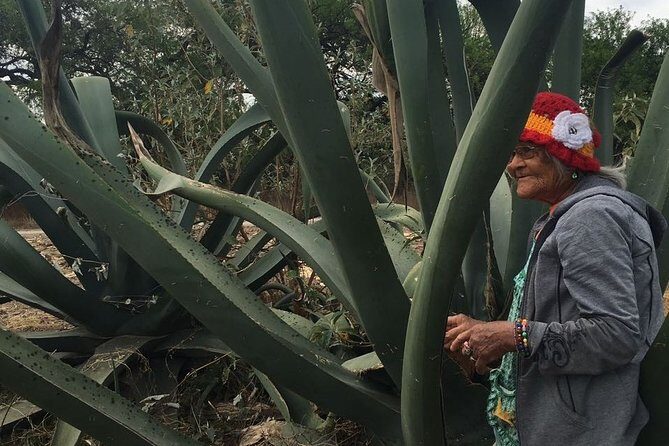
This tour’s consistency shows in how much attention is placed on the guide’s role. Miguel leads in English and brings you into contact with the makers directly, not just through a sales counter.
The names you hear during the day aren’t just decoration. David and Eufemia appear at the pulque stop, and the families at the mezcal patio stop are part of the actual teaching. That’s exactly what you want if you’re trying to understand why ancestral practices still matter.
A useful bonus: Miguel may also help with connecting you to a local experience elsewhere in the region, handling translation and details if you need it. That kind of follow-through is practical when you’re trying to see more than just one attraction.
Logistics you can plan around (simple, but don’t ignore them)
Here’s the practical reality of a 5-hour private route focused on tasting and process:
- No lunch included. Eat a real breakfast before you go, or plan a snack earlier than the included energy bar.
- Alcohol is part of the tour. You’re 18+ for alcoholic beverages, and the pours are modest but still enough to affect you.
- Dress for rural travel. You’ll be driving into mountains and spending time outdoors around production spaces, so wear comfortable shoes and bring a layer if mornings feel cool.
- Mobile ticket means you don’t have to chase paperwork.
If you’re the kind of traveler who likes to stay sharp (and you will, because this tour asks you to pay attention), pace your sips and take your time during the tasting lesson.
Who should book this Mezcal Route (and who might skip it)
Book this tour if:
- You want hands-on cultural access to pulque and mezcal makers
- You care about technique, not just getting a buzz
- You like learning a tasting method so you can remember what you experienced
Skip it if:
- You’re hungry for a full meal day (lunch isn’t included)
- You prefer a nightlife-style drink outing rather than a paced tasting with instruction
- You don’t want any alcohol involved at all
It’s a great fit for food-and-culture lovers, couples who want something more meaningful than a standard tasting room, and solo travelers who enjoy structured learning with time to ask questions.
Should you book this private Mezcal Route with ancestral drinks?
If you want to taste mezcal with context, this is the kind of tour that rewards your attention. The combination of pulque at the magueyeras stop, campanilla clay-pot distillation at the mezcal patio, and a taught tasting technique in Mexquitic de Carmona creates a complete loop: land → process → taste.
The decision comes down to one thing: do you mind that lunch isn’t included and that pours are small? If you plan your food and hydration smartly, the price starts to make sense as payment for private access, certified guidance, and real teaching.
If you’re visiting San Luis Potosí and want one standout day that’s more than a sip-and-smile stop, I’d book it.
FAQ
How long is the private Mezcal Route tour?
It runs about 5 hours.
Is the tour private or shared?
It’s private. Only your group participates.
What language is the tour offered in?
The tour is offered in English.
What alcoholic drinks are included?
You’ll receive about one ounce of ancestral mezcal and a little cup of pulque.
Is there lunch included?
No, lunch isn’t included.
What’s the meeting point and start time?
You meet at Av Manuel J. Clouthier 1923, Tangamanga, 78269 San Luis Potosí, S.L.P., Mexico. The start time is 9:00 am, and the tour departs at 10:00 am.
Are there age restrictions for alcohol?
Yes. Alcoholic beverages have an age restriction of +18.
What’s the main tasting method you’ll learn?
You’ll learn how to taste mezcal properly using a unique technique designed to build the experience with your senses.
If you want, tell me your travel dates and whether you’re a mezcal beginner or already know agave spirits—I can suggest the best way to prep (food timing and what to pay attention to) so you get the most out of the tasting lesson.