REVIEW · SAN MIGUEL DE ALLENDE
Private Pre-Hispanic Cooking Class with a Mexican Grandmother
Book on Viator →Operated by Traveling Spoon · Bookable on Viator
Cooking with a grandmother beats any restaurant meal. In San Miguel de Allende, Isabel picks you up and takes you to her home for a private class focused on pre-Hispanic flavors, not cooking show theater.
I love that you don’t just watch. You help prep and cook 3–4 seasonal dishes from scratch, including things like nopales salad and black bean soup. One consideration: because the menu is seasonal and ingredient-led, you can’t count on the exact dishes every time.
The second thing I really like is the warm, home-kitchen feel: a fresh margarita or non-alcoholic agua de jamaica, garden harvesting, and even small moments like meeting Isabel’s dog in the house. It’s the kind of experience that makes San Miguel feel personal.
In This Review
- Key highlights to know before you book
- Pickup, margaritas, and walking into Isabel’s kitchen
- Pre-Hispanic cooking, minus the museum talk
- The garden harvest: where flavor starts
- What you’ll cook (and what changes by season)
- Starters that set the stage
- Main dishes with pre-Hispanic character
- Dessert
- Hands-on techniques you can actually use again
- The meal experience: cozy, family-style, and a little joyful
- Price and value for a 3-hour private class
- Who should book this cooking class in San Miguel de Allende?
- Should you book? My take
- FAQ
- How long is the private cooking class?
- Is this a private experience?
- Do I get pickup in San Miguel de Allende?
- What types of dishes will I cook?
- Is there a vegetarian option?
- Is the class taught in English?
- Where does the experience start and end?
- Is the experience family friendly?
- Are service animals allowed?
Key highlights to know before you book
- Private, home-based cooking with Isabel, just your group, so you get real back-and-forth
- Garden-first prep, with seasonal vegetables and herbs you pick yourself
- Pre-Hispanic techniques and ingredients, including the traditional three-sisters method (corn, beans, squash)
- A hands-on meal: 3–4 dishes cooked from scratch plus dessert
- Flexible menu for diets, with a vegetarian option available if you request it
- English instruction, with a calm pace that works for complete beginners and repeat cooks
Pickup, margaritas, and walking into Isabel’s kitchen
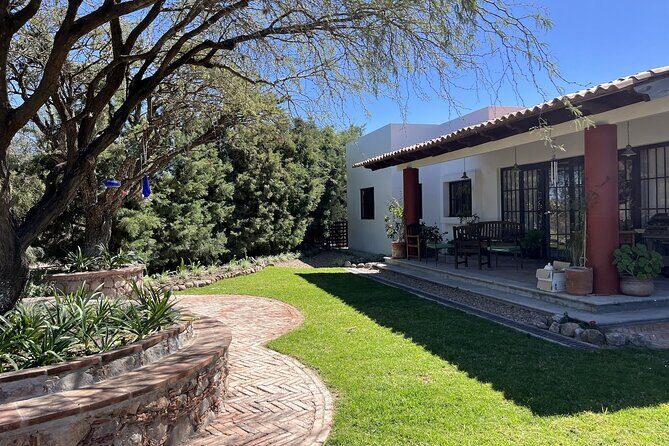
This is set up to feel easy from the start. You begin at 37893 Presita de Santa Rosa, Gto., Mexico and the experience ends back at the same meeting point. Pickup is offered, and you’ll want to include your pickup location when booking (or at least 3 days before), since that’s how they route you to Isabel’s home.
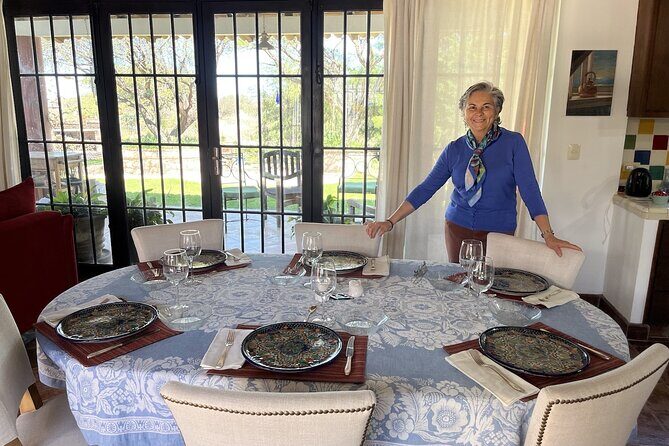
Once you arrive, Isabel welcomes you into her world. You’ll likely start with a margarita (or a non-alcoholic agua de jamaica), then move through her space before you start cooking in earnest. The standout here is that it’s not a classroom vibe. It’s a real home. You’ll see the garden and get to pick seasonal vegetables and herbs, which sets the tone for everything that follows.
Practical takeaway: even if you’re not the most confident cook, this format is friendly. The focus is on explaining ingredients and techniques as you go, so you’re not standing around waiting for someone else to do the work.
You can also read our reviews of more private tours in San Miguel de Allende


Pre-Hispanic cooking, minus the museum talk
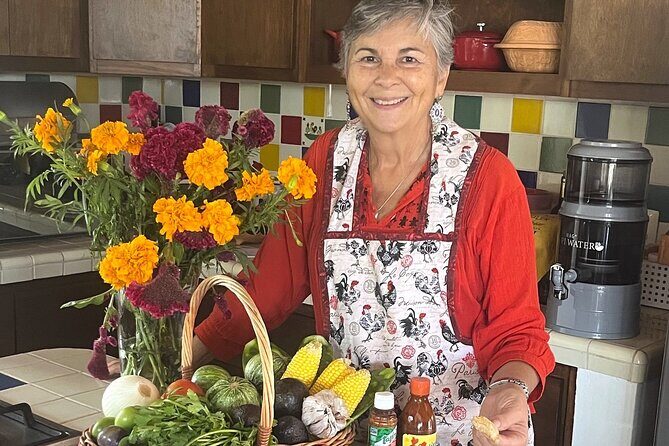
This class is built around pre-Hispanic Mexican cuisine basics. That matters, because it changes what you pay attention to while cooking. Instead of only chasing sauces and shortcuts, you learn why certain ingredients work together.
One key concept you’ll hear about is the three-sisters method—the traditional way of growing food together: corn, beans, and squash. You’ll see that logic reflected in the meal components (like corn paired with stews, squash blossoms, and beans served as soup). Even if you’ve cooked Mexican food before, this kind of ingredient planning helps you understand flavor relationships, not just recipes.
Expect the conversation to land on practical pantry knowledge too: things like onions, tomatoes, garlic, nopales, and fresh or dried chiles. Some dishes lean on tangy, herb-driven combinations, and others highlight earthy ingredients like black beans. Either way, Isabel’s approach keeps it grounded in how people actually ate and cooked before modern restaurant habits took over.
If you want to bring something home, bring this mental framework: pre-Hispanic cooking is about balance, seasonal produce, and smart ingredient pairing. You’ll leave knowing how to think about a dish, not just how to reproduce it.
The garden harvest: where flavor starts
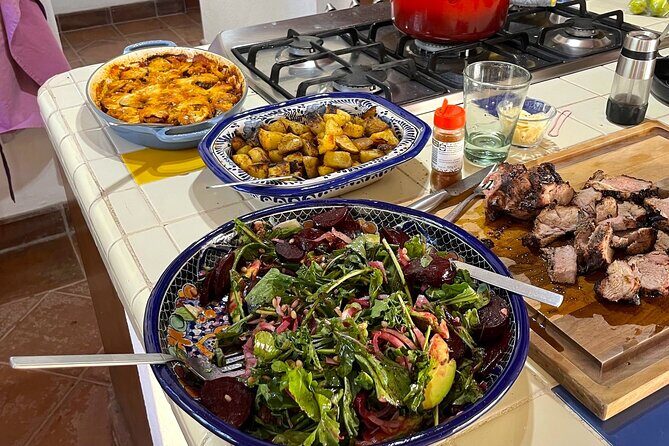
Before you touch a knife, you’ll spend time in Isabel’s garden picking seasonal produce. Sometimes it’s obvious stuff (things you already recognize), and sometimes it’s ingredients you don’t handle often at home.
In past classes, guests have talked about picking tomatillos from the garden, which then became part of a refreshing starter. Even when your specific picks differ, the idea is the same: you’re learning how season drives the menu.
Why it’s worth your attention: you’ll understand the difference between buying an ingredient and choosing one when it’s at its best. Herbs, chiles, and tender vegetables taste different depending on freshness and ripeness. When you cook what you picked, the meal has a different kind of snap.
Small tip: wear comfortable shoes. You may be moving around outdoors while you harvest, and you’ll want steady footing.
What you’ll cook (and what changes by season)
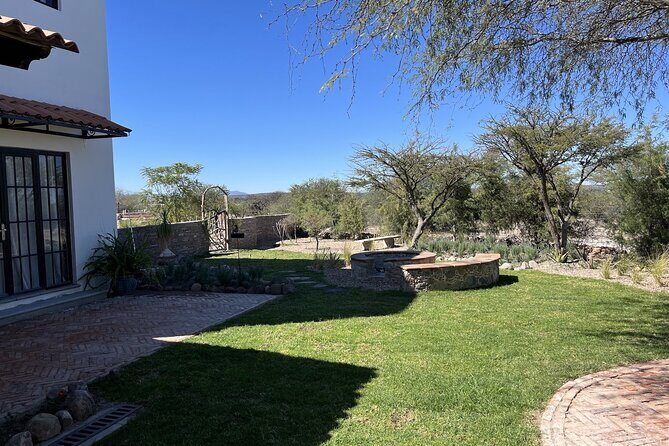
You’ll cook 3–4 dishes from scratch in Isabel’s open kitchen. The exact lineup depends on what’s in season, so treat the menu as a guide, not a promise.
Here are dishes you may make:
Starters that set the stage
- Nopales salad: cactus, tomatoes, onion, and cilantro in an oregano and vinegar dressing. The flavors are bright and a little tangy, and nopales stop being intimidating after you see how they’re handled.
- Fresh guacamole with chips: creamy, herbal, and made to taste, not to impress.
- Sopa de frijoles negros: black bean soup topped with crispy tortilla strips. It’s hearty without being heavy, and it gives you a clear idea of how beans can be comforting rather than just filling.
You can also read our reviews of more cooking classes in San Miguel de Allende

Main dishes with pre-Hispanic character
One standout possibility is pollo santo. This is chicken (or sometimes rabbit, depending on what’s on hand) stewed in a green tomato sauce with cilantro and hoja santa. It’s served with sides like corn, mushrooms, and squash blossoms.
You might also find other seasonal dishes on the schedule, such as ceviche or nopales variations. Some classes include learning how to make salsa picante in a molcajete (a Mexican mortar and pestle), which is worth it if you like making salsa the old-school way and feeling the texture change under your own hands.
Dessert
You’ll end with ate con queso, a simple traditional dessert that feels like a quiet finish after a busy cooking session. It’s not complicated, which is part of the charm.
Vegetarian option: a vegetarian menu is available—just request it when booking so Isabel can plan what you’ll cook together.
Hands-on techniques you can actually use again
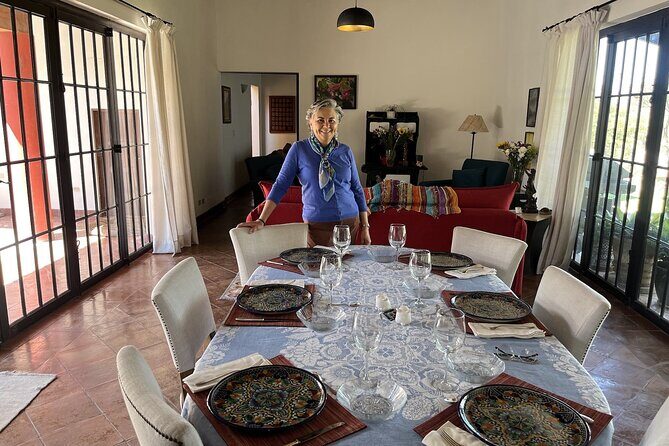
A good cooking class doesn’t just feed you. It teaches you a workflow.
Here’s what you’re likely to pick up during the session:
- How to build flavor with aromatics like onion, garlic, and tomatoes, then connect them to chiles and herbs
- How nopales fit into a meal beyond being “a health food” on a menu
- How soups get their character, especially with toppings like crispy tortilla strips
- How to understand sauces as part of the whole plate, not a separate thing you pour on at the end
Also, this class is designed to work for different skill levels. If you’re a confident cook, Isabel can tailor the pace so you can move with purpose. If you’re a beginner, you still get real instruction while you do the work.
One more small detail that matters: you’ll be eating what you make together at the end. That’s where techniques lock in. When you taste the dish you built, you notice things you’d miss watching someone else cook—salt balance, chile heat, acidity, and herb timing.
The meal experience: cozy, family-style, and a little joyful
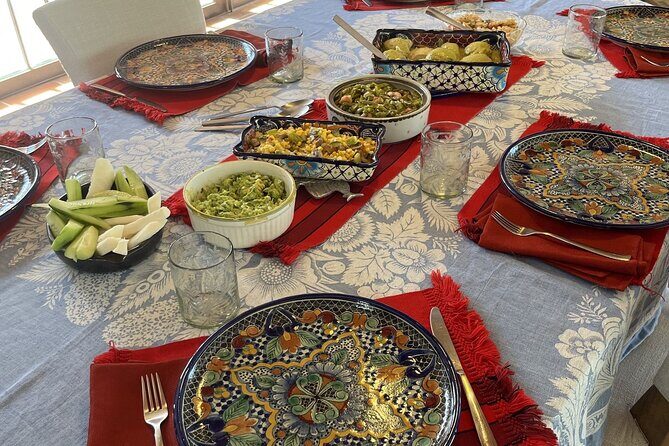
After the cooking, you sit down and eat. This is where the home setting really shines.
You’re not in a loud restaurant with plates arriving in waves. You’re in someone’s kitchen and home rhythm. Isabel’s hospitality is a core part of why people rate this class so highly.
In past experiences, guests have mentioned:
- Spending time with Isabel’s dog, Nacho
- Enjoying margaritas on the patio
- Feeling like they were cooking with family, not just attending a class
- Bringing teens along and keeping them engaged during the process
- Talking about local culture and history during pickup or early conversation
That all adds up to a different kind of value: conversation, comfort, and a sense that you’re invited into an authentic routine, not sent through a checklist.
If you’re traveling with food sensitivities, tell them ahead of time. The class asks you to advise any dietary requirements when booking, and you can request the vegetarian option.
Price and value for a 3-hour private class
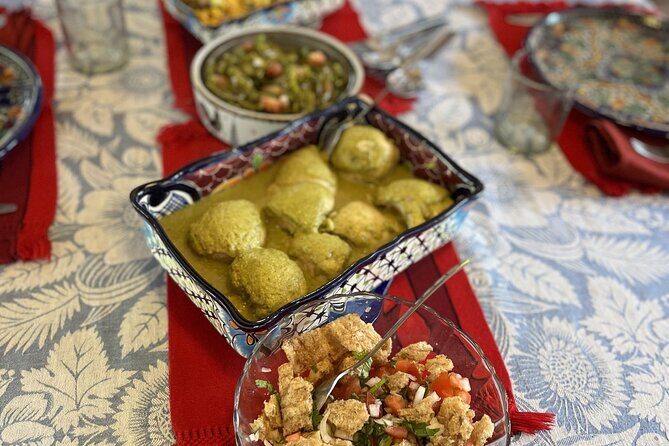
The price is $114.00 per person for about 3 hours (approx.). At first glance, that’s not “cheap.” But for a private, home-based cooking class that includes pickup, ingredients gathering, and a full meal you cook and eat, it can be good value.
Here’s how I’d think about it:
- You’re paying for access to a real kitchen and a host who teaches, shops in her own garden (seasonally), and guides the whole experience.
- You get the meal: starters, mains, and dessert are included in the class flow, so you’re not doubling up dining costs that day.
- Private usually means more instruction. With only your group, you’re more likely to ask questions and adjust techniques to your comfort level.
It also tends to be booked ahead. On average, it’s reserved about 43 days in advance, which suggests it’s popular enough that you should plan rather than hoping for last-minute space.
Group discounts exist too, which can lower the per-person cost if you’re traveling with friends or family.
Who should book this cooking class in San Miguel de Allende?
This is a great fit if you want more than a food photo. I’d book it if you:
- Want to learn pre-Hispanic Mexican cooking fundamentals, not just modern restaurant variations
- Like hands-on lessons where you cook and eat the same day
- Enjoy home-host experiences with real personality and local context
- Travel with family (it’s family friendly) and want an activity that works across ages
It’s also a good choice for vegetarians since a vegetarian meal option is available. If you’re picky about spice, tell Isabel about preferences during booking; the class includes chiles, but you can often adjust heat once the cooking starts.
Should you book? My take
I think you should book this if your goal is to learn how Mexican food is built at the ingredient level. The combination of garden harvesting, pre-Hispanic focus, and a private kitchen setting makes it feel practical and personal.
The one thing I’d watch for is that the exact dishes can change with the season. If you’re hoping for one specific recipe every time, this may feel a little unpredictable. Still, the core payoff stays the same: you’ll cook multiple dishes from scratch, taste them together, and leave with techniques you can repeat.
Also, if plans shift, there’s free cancellation up to 24 hours before the start time, which makes it easier to take the leap.
FAQ
How long is the private cooking class?
It lasts about 3 hours (approx.).
Is this a private experience?
Yes. It’s a private activity, so only your group participates.
Do I get pickup in San Miguel de Allende?
Pickup is offered. You’ll need to include your San Miguel de Allende pickup location when booking or at least 3 days before the experience.
What types of dishes will I cook?
You’ll prepare a seasonal traditional Mexican meal and typically cook 3–4 dishes. Examples include nopales salad, sopa de frijoles negros, fresh guacamole, and pollo santo (chicken in green tomatoes, cilantro, and hoja santa), plus sides like corn, mushrooms, and squash blossoms. You might also learn salsa picante in a molcajete depending on the season.
Is there a vegetarian option?
Yes. A vegetarian meal option is available. You should advise this when booking.
Is the class taught in English?
Yes. It’s offered in English.
Where does the experience start and end?
It starts at 37893 Presita de Santa Rosa, Gto., Mexico and ends back at the meeting point.
Is the experience family friendly?
Yes. It’s described as family friendly.
Are service animals allowed?
Yes. Service animals are allowed.