REVIEW · COSTA MAYA
PADI Discover Scuba Diving
Book on Viator →Operated by Mar Adentro Diving · Bookable on Viator
A real reef day, minus the months of prep. I love the small group attention and the shallow-water skills practice that helps you feel in control fast. One thing to plan for: if the water is rough, the boat ride and timing can be tougher (and one guest even had to stop).
This Costa Maya experience runs about 3 hours 45 minutes and is built for first-timers who want the real underwater view without doing a long certification course. You’ll do a bit of classroom theory, practice in shallow water where you can stand, then head out around 10 minutes by boat to a coral garden spot for a supervised session with a max depth of 40 feet.
In This Review
- Key Points Before You Go
- Costa Maya’s Short-Path Scuba Plan (What You Actually Do)
- The main flow of the day
- Price and Value: What $100 Gets You in Costa Maya
- Gear, Water, and the Comfort Zone: Skills Before the Reef
- Theory first, but not in a scary way
- Shallow practice where you can stand
- Names you might hear during your session
- The Short Boat Trip to the Coral Garden
- Underwater Plan: Max Depth, Mooring-Line Descent, and Timing
- Depth rules (safety first)
- Mooring line descent (to make it smoother)
- How long you’ll be underwater
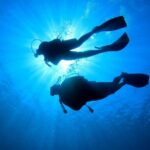
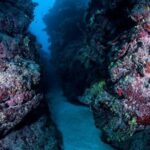
- What you might see
- Small Group Size: Why It Changes Everything
- When You Might Need to Rethink This Experience
- Medical checks are required
- Age minimum
- The altitude rule after scuba
- Language clarity can vary
- Logistics That Matter: Meeting Point, Taxi Costs, and Timing
- Photo options
- Beach-side comfort
- Who This Is Best For (And Who Should Skip)
- Final Call: Should You Book Mar Adentro’s PADI Discover Scuba?
- FAQ
- Is this experience only for certified divers?
- What’s the maximum depth during the underwater session?
- How long will I be out and how long is the underwater time?
- What’s included in the price?
- Do I need to bring my own gear or swimwear?
- How do taxis work if I’m coming from the port area?
- Is there a medical or altitude restriction?
Key Points Before You Go
- Small groups (up to 16) mean you’re not lost in the shuffle.
- Shallow skills first so you can practice breathing and control before the reef time.
- Reef access close to shore makes the whole outing feel manageable.
- Max depth 40 feet with safety-first pacing and a mooring-line descent.
- Value at $100 because equipment and bottled water are included, not added at the end.
Costa Maya’s Short-Path Scuba Plan (What You Actually Do)
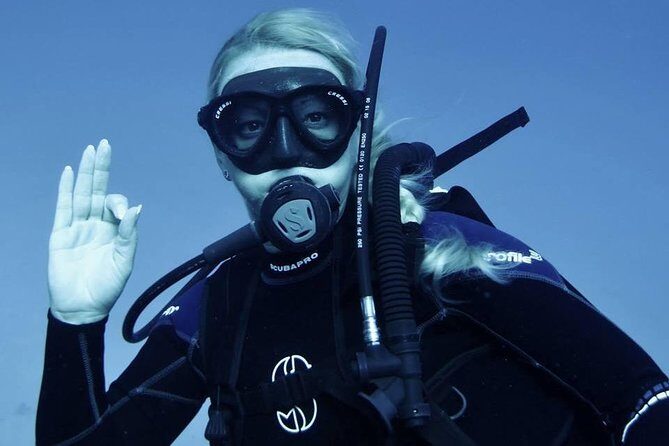
If you’re picturing scuba training that feels like it takes weeks, this program is designed to cut the stress. The goal is simple: get you comfortable with the basic gear and movements, then take you to a nearby coral area for a controlled underwater session.
The day starts at Huachinango, 77976 Q.R., Mexico, and ends back there. You’ll be there about 3 hours 45 minutes total, which includes fitting gear, theory, shallow practice, a quick boat ride, and time underwater. There’s also a mobile ticket and the activity is offered in English, which matters when you’re learning equipment and safety steps.
The whole structure is why I like it for beginners. You get guided learning in the water where you can stand up, so you’re not thrown straight into the deep end (even if you’re excited and nervous at the same time). And you still get a true reef experience, not just pool time.
You can also read our reviews of more scuba diving tours in Costa Maya
The main flow of the day
- A short theory block (physiology of scuba and an overview of the SCUBA unit)
- Confined/shallow water skills (the kind where you can stand)
- A brief 10-minute boat trip to the coral garden
- Underwater time up to 40 feet, with safety-focused pacing
Price and Value: What $100 Gets You in Costa Maya
At $100 per person, this is priced for a “try it now” outing, not a full certification track. The value really comes from what’s bundled.
You get:
- Scuba equipment
- Bottled water
You also benefit from the small-group format. When you’re learning buoyancy, mask fit, and breathing control, that extra attention can be the difference between enjoying the reef and spending half the time fighting nerves.
What’s not included:
- Transportation to the start point (a taxi from the Costa Maya port is commonly around $4 USD per person per ride, with solo passengers sometimes paying $8 USD)
That last bit matters because port schedules can make taxis feel last-minute. I’d budget for it so you’re not negotiating while you’re already anxious about being late.
Gear, Water, and the Comfort Zone: Skills Before the Reef
This is not a “jump in and figure it out” experience. It’s set up to teach you the basics, then repeat them in easier water conditions.
Theory first, but not in a scary way
You begin with theory covering:
- Physiology of scuba (how your body handles changes at depth)
- A SCUBA unit overview
This is the kind of foundation that helps when something feels unfamiliar—especially if you’re one of those people who needs to know what’s going on.


Shallow practice where you can stand
Next comes the confined water skills training. The water is shallow enough to stand, which is huge for your confidence. You’ll practice core techniques with your instructor close by, so if your mask leaks, your ears feel off, or your weight feels wrong, you have time to correct it with support.
I’ve seen plenty of first-timer issues in programs like this: one person needed help with ear pressure, another mentioned mask leakage and a weight belt that wasn’t secure. The pattern is the same—good instruction plus patience.
Names you might hear during your session
In past outings with this operator, instructors have included Sebastian (also called Sea Bass), Brenda, Rodrigo, Jesse, Gala, David, and Lucia. You shouldn’t count on a specific person on a specific day, but it’s a good sign that you’re likely to get calm coaching from an experienced team.
The Short Boat Trip to the Coral Garden
After your shallow practice, you’ll take a 10-minute boat trip to the dive spot described as a coral garden area. That short ride is part of why this works well for people who are new or not sure how they’ll feel on the water.
That said, water conditions are real. One guest described rougher seas making the boat ride intimidating, and they weren’t able to finish the underwater session that day. The crew stayed supportive and professional, but the lesson is clear: plan with flexibility if you’re sensitive to choppy water.
Practical tip: bring a little extra calm into your head. If you start the day already braced for every wave, you’ll spend less energy trying to keep your body relaxed.
Underwater Plan: Max Depth, Mooring-Line Descent, and Timing
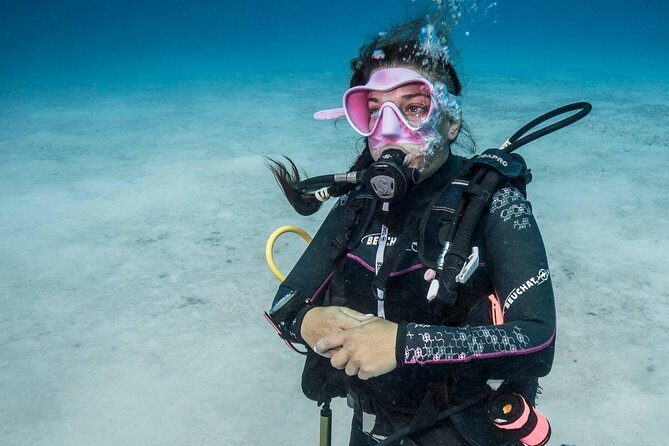
Here’s the part most people book for: seeing the reef up close while breathing on scuba equipment—without going way down.
Depth rules (safety first)
- Maximum depth: 40 feet (about 12 meters), per safety standards
- Descent starts so the bottom begins around 25 feet, then you continue to the safe target area
Mooring line descent (to make it smoother)
You’ll descend along a mooring line. That matters because it gives you something stable to follow as you adjust breathing, buoyancy, and awareness in a new environment.
How long you’ll be underwater
Your underwater time depends on air consumption. The average is about 43 minutes, but don’t treat that as a guarantee. If you’re breathing faster because you’re nervous, your time may be shorter at first—yet that’s normal and part of what you’ll learn.
What you might see
Based on what guests report:
- Coral formations in good condition
- Lots of small schooling fish
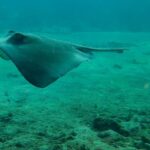
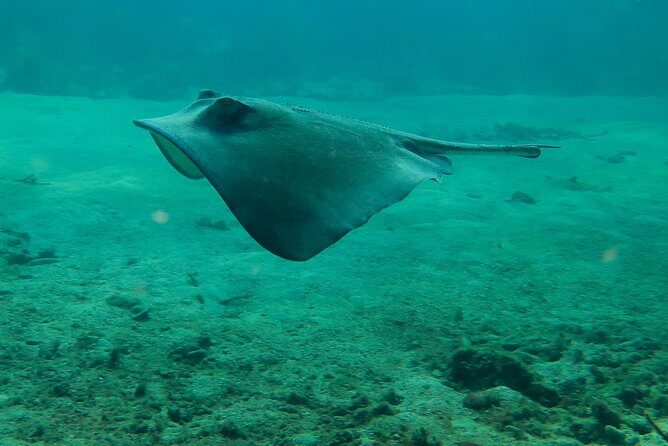
- Stingrays (and sometimes larger rays)
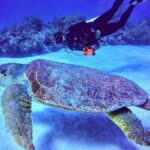
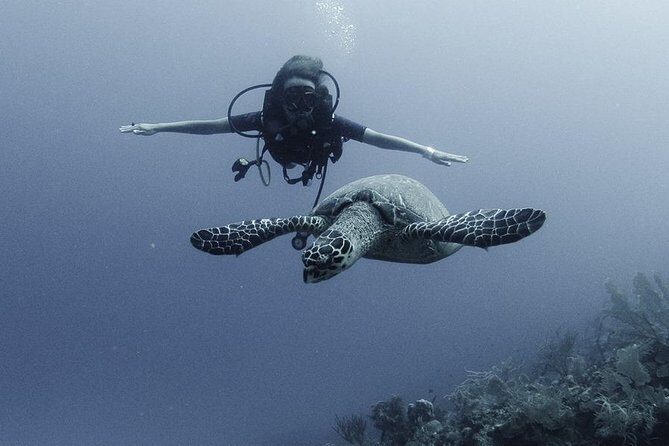
- Turtles
- Even lobsters spotted near a hidden cave
Some sessions also include the kind of “wow” moment for first-timers: once you stop thinking about your gear and start focusing on what’s moving around you.
Small Group Size: Why It Changes Everything
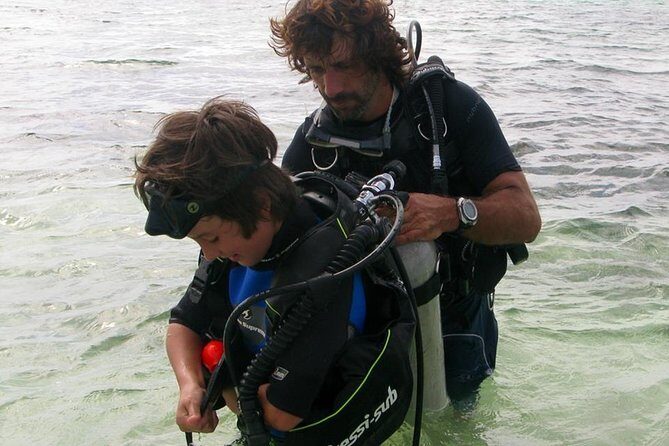
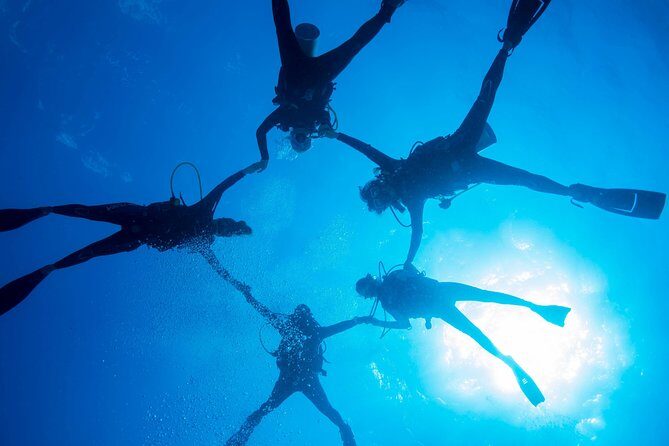
One of the biggest strengths here is that you’re in a maximum group of 16. And in some cases, it gets much smaller. Guests have reported trips where the group was just them and one other person, with instructors staying very close.
When you’re new, you want two things:
- Quick feedback on what’s going right (or wrong)
- Clear safety signals before something becomes a problem
That’s why small groups feel different in real life. You’re not waiting for attention. Your instructor can watch your breathing, your buoyancy, and your ear-pressure comfort, and adjust coaching on the spot.
It also helps if you’re with a mixed group—like a certified diver plus a newbie. The instruction portion and support can be handled in ways that keep everyone moving, even when abilities differ.
When You Might Need to Rethink This Experience
This program is “most travelers can participate,” and it’s set up for beginners. Still, it’s not for everyone.
Medical checks are required
You should talk to your doctor if you have:
- High blood pressure or angina, or if you take medication to control blood pressure
- A history of collapsed lung (pneumothorax) or chest surgery
- A history of seizures/blackouts/fainting/convulsions/epilepsy or medications to prevent them
- Heart disease, heart attack, heart surgery, or blood vessel surgery
These aren’t rules to scare you off—they’re about risk management. If you’re unsure, a doctor’s OK beats guessing.
Age minimum
Minimum age is 10 years old. If you’re traveling with a kid, check how comfortable they are with instructions and water confidence.
The altitude rule after scuba
You need a 12-hour period between your underwater session and ascending to an altitude above 300 meters (about 1,000 feet). That’s especially relevant if you’re flying out the same day or staying in higher areas.
Language clarity can vary
Even though the experience is offered in English, at least one non-Spanish-speaking group reported that the English instruction was hard to follow for some participants. If language clarity is a top concern for you, consider asking ahead about English comfort and how they handle misunderstandings.
Logistics That Matter: Meeting Point, Taxi Costs, and Timing
You’ll start and end at Huachinango, 77976 Q.R., Mexico. The activity is near public transportation, which can help if you don’t want to rely on a taxi.
If you’re arriving from the Costa Maya port area, plan for the taxi cost mentioned earlier:
- Roughly $4 USD per person per ride
- Solo passengers may pay $8 USD
Also note the timing: several guests compared schedules with cruise timing and found that the operation can work around it without drama. Still, you should build in buffer time. First-timer scuba is rarely a place to “arrive exactly at the deadline.”
Photo options
Some guests mention photography being offered. If you want that, ask when you arrive—so you can set expectations on what’s included and what might cost extra.
Beach-side comfort
One guest noted the toilet facilities at the beach bar weren’t great. It’s not a deal-breaker, but it’s good to know if you’re the type who likes a solid bathroom setup before getting on a boat.
Who This Is Best For (And Who Should Skip)
This experience is a great match if:
- You’re new to scuba and want a real reef moment with lots of safety coaching
- You want to try it before committing to certification
- Your group has mixed experience levels, and you want everyone to share the same day underwater
- You value small-group attention and patient instruction
It might be less ideal if:
- You’re highly uncomfortable on boats when conditions are choppy
- You’re very sensitive to ear pressure changes and haven’t been able to manage that in past activities
- You need very clear English instruction and can’t risk miscommunication
If you’re the person who can stay calm when something feels slightly awkward in your first hour of learning gear, you’ll likely do well here.
Final Call: Should You Book Mar Adentro’s PADI Discover Scuba?
I’d book it if you want the most direct path from land to the reef—with instruction that prioritizes comfort, safety, and getting you through the scary parts early (the gear, the breathing rhythm, and the first minutes underwater).
Spend the money if:
- You want a guided intro that feels structured, not rushed
- You like the idea of shallow-water practice first
- You’re excited about coral life and fish sightings like stingrays and turtles
Hold off if:
- You’re traveling with tight altitude schedules and can’t meet the 12-hour rule
- You’re expecting rough conditions and get easily overwhelmed on boats
- You or your group has medical risks that your doctor hasn’t cleared
FAQ
Is this experience only for certified divers?
No. It’s designed for people trying scuba for the first time or wanting a basic introduction without completing a long certification course.
What’s the maximum depth during the underwater session?
The maximum depth is 40 feet for safety standards.
How long will I be out and how long is the underwater time?
The full experience is about 3 hours 45 minutes. The underwater time depends on your air consumption, and the average time reported is about 43 minutes.
What’s included in the price?
The price includes scuba equipment and bottled water.
Do I need to bring my own gear or swimwear?
The experience includes scuba equipment. You should plan to wear appropriate swimwear, but the only guaranteed items listed are the equipment and bottled water.
How do taxis work if I’m coming from the port area?
Taxis are not included. A taxi is commonly about $4 USD per person per ride, and solo passengers may pay about $8 USD.
Is there a medical or altitude restriction?
Yes. You should check with your doctor if you have conditions like high blood pressure, collapsed lung history, chest surgery history, seizures/epilepsy, or heart problems. After your underwater session, you need to wait 12 hours before ascending above 300 meters (1,000 feet).