REVIEW · MEXICO CITY
Nevado De Toluca: Reach the Summit with Professionals
Book on GetYourGuide →Operated by Travesías México · Bookable on GetYourGuide
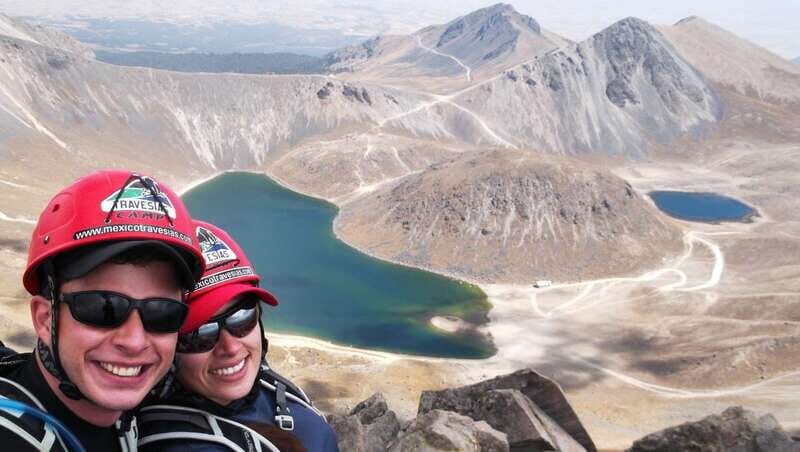
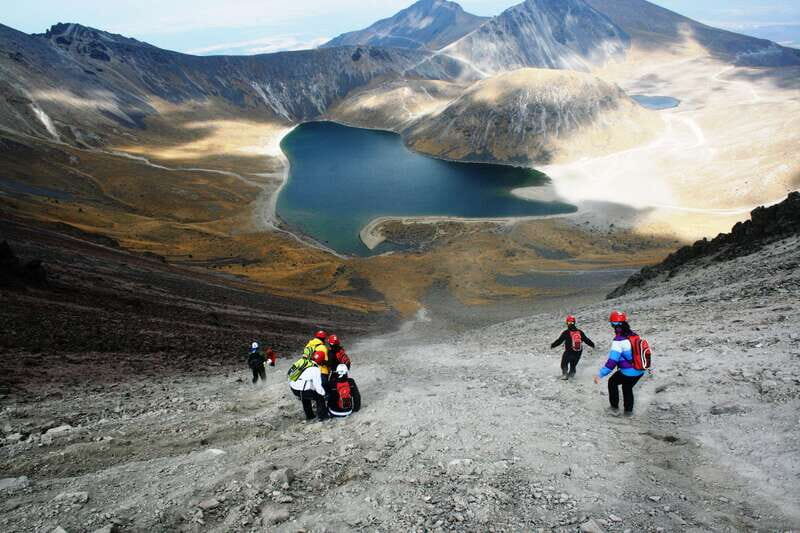
One day, serious altitude. El Nevado de Toluca is a real mountain climb to the summit area via the Paso del Quetzal, run with professional guides like Alan and Carlos who keep you safe and moving toward the crater. At the top, you’re rewarded with sweeping views over woods and valleys, plus the chance to spot lakes inside the crater.
I especially like how much of the hard stuff is handled for you: technical equipment comes along (including key gear for the climb), and the day includes lunch and food so you’re not scrambling for snacks at height. I also like the small-group feel, capped at 12, so the guides can actually watch your footing and pacing instead of herding a crowd.
My main caution is that this is physically demanding at 4,680 meters. Expect steep, rocky sections and real altitude pressure—if you’re not used to hiking uphill at elevation, you’ll feel it fast.
In This Review
- Key things to know before you go
- Why El Nevado de Toluca feels different from a normal day hike
- Meeting at Mercado Michoacán and the ride up the mountain roads
- Altitude buildup: how the day ramps up before the real climbing
- The climb to the summit: Paso del Quetzal, rocks, and safety systems
- At the top: crater lakes, panoramic views, and the 1pm summit reality
- The descent: dusty, slippery sections where gloves help
- What’s included in the package (and what isn’t)
- Food and breaks: why the lunch matters more at altitude
- Difficulty, safety, and who should skip this summit attempt
- Price and value: is $162 a good deal here?
- Tips I’d follow to make the summit attempt feel more in control
- Final decision: should you book this Nevado de Toluca summit hike?
Key things to know before you go
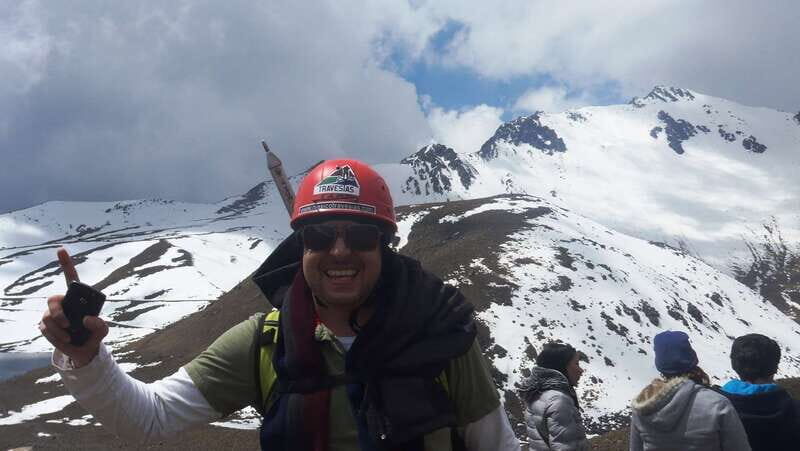
- Paso del Quetzal route: scenic approach plus the kind of terrain that makes the summit feel earned.
- Crater lakes at the top: you’re not just chasing a view; you’re looking into the volcano itself.
- Gear included: helmets, walking poles, and other technical setup mean less “oops, I forgot” stress.
- Hard time pressure: there’s a summit cutoff around 1pm so you descend with enough daylight.
- Descent can be dusty and sandy: bring rain protection and plan for slippery footing.
Why El Nevado de Toluca feels different from a normal day hike
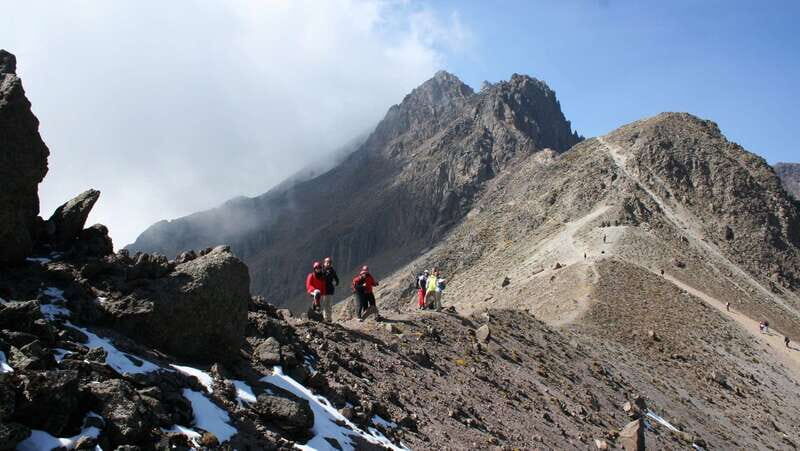
This is sold as a one-day tour, but it doesn’t feel like a casual stroll. You climb to the high zone of Nevado de Toluca, officially noted at 4,680 meters, and that altitude changes everything: your breathing, your legs, and even how fast you move. The rewards are big: panoramic views across the surrounding woods and valleys, and inside-the-crater lakes.
What makes it interesting is that the experience is built around a guided route rather than a generic “walk until you’re tired” plan. The route follows the famous Paso del Quetzal to the summit area, so the day has structure and a clear goal. And with professional guiding, you’ll spend less time guessing and more time focusing on your pace.
You can also read our reviews of more tours and experiences in Mexico City.
Meeting at Mercado Michoacán and the ride up the mountain roads
Your day starts at the Mercado Michoacán meeting point at the corner of Vicente Suarez and Michoacan, with benches in front of the market. From there, you’ll head toward the volcano area with transportation included.
Most hikers find the drive part matters. You’re going up from Mexico City elevation into higher baselines, and the roads can be winding and gravelly. If you’re prone to motion sickness, it’s worth taking that seriously before you go, because you can end up riding for a good chunk of the morning.
The payoff is that the tour handles logistics like transportation, guide coordination, and mountain fees. That means you spend your energy on the climb instead of organizing permits, maps, and gear swaps.
Altitude buildup: how the day ramps up before the real climbing
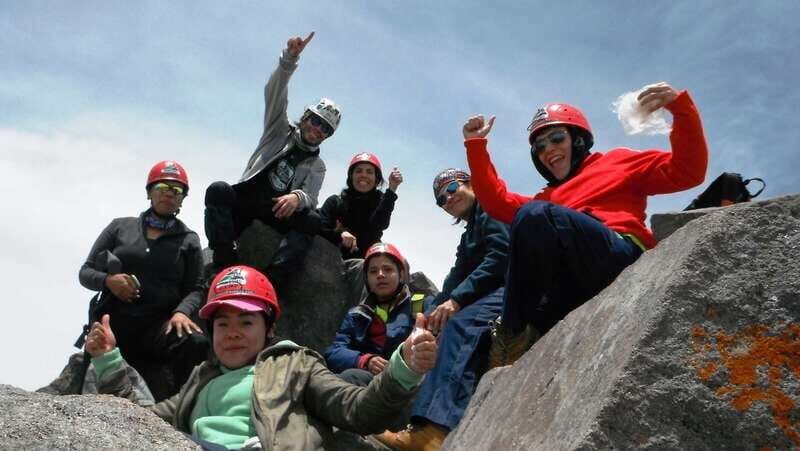
You’ll gain altitude in stages. One common rhythm is a longer drive up to a parking area around 3,800 meters, then another shuttle closer to the trail start around 4,100 meters. That’s already high, even before the steep parts begin.
This is why acclimatization is such a big deal here. Mexico City itself sits at about 2,240 meters, so if you flew in from sea level the day before, you might not have enough time to adjust. I’d plan either to arrive earlier or to keep your first day in Mexico City easy—altitude headaches and breathlessness can hit even when you’re in good shape.
The guides also play a practical role here. They’ll adjust pacing for weather and for how your body is handling the altitude, and that’s a huge advantage on a mountain like this.
The climb to the summit: Paso del Quetzal, rocks, and safety systems
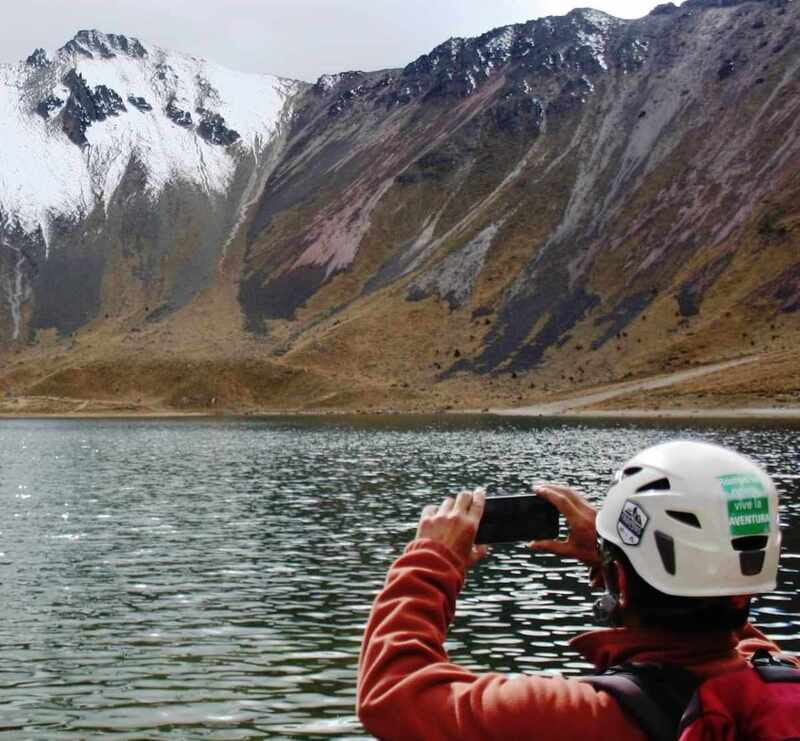
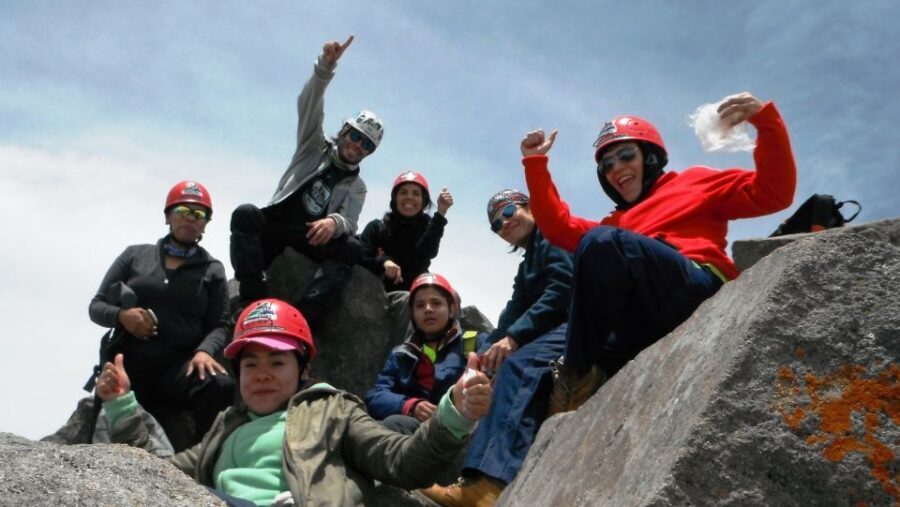
Once you’re on the route, you’re climbing through steep terrain on the volcano’s sides. You’ll use included technical gear like helmets and walking poles, which makes a visible difference when the path turns rocky or uneven.
The hike is not just “uphill.” There are sections where you scramble over rocks, and near the summit area there can be very steep climbing. One hiker specifically flagged a near-vertical stretch that takes focus and careful movement. If you don’t love heights or you tend to freeze up when the ground gets uneven, this is the part to think about.
Weather is another factor. If storms roll in or the conditions turn dangerous, guides can adjust plans. On some days, people have reported summit attempts being changed or paused due to hail or storms. That kind of flexibility is part of why having professionals matters.
At the top: crater lakes, panoramic views, and the 1pm summit reality
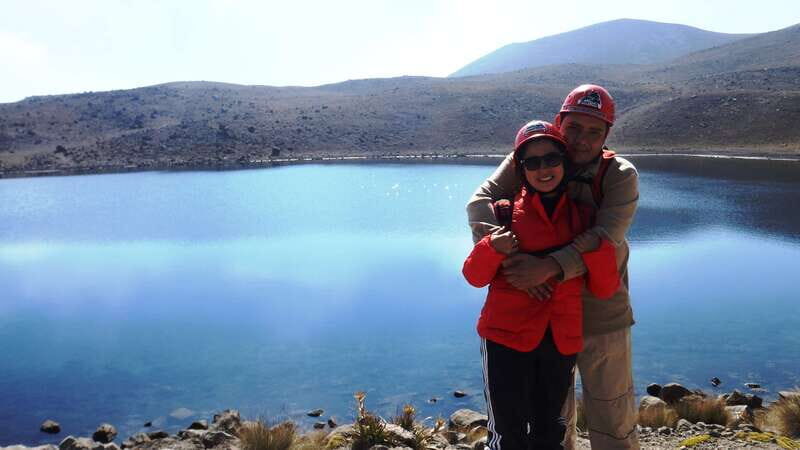
Reaching the summit area is the big moment: views over woods and valleys, plus crater lakes you can sometimes spot from the high zone. The volcano feels close up there. You’re not watching a mountain from far away—you’re standing in its upper world.
There’s also a time constraint. A summit cutoff around 1pm is mentioned, designed to protect everyone on the descent. Translation: if you move slower than you hoped—or if you’re affected by altitude—you might not make it to the top even if you’re motivated.
On fit days, the climb can happen quickly for some hikers. But you should plan for a challenging pace, not a sprint. The goal is to get everyone down safely, and that includes leaving enough margin for the final push and the return trip.
The descent: dusty, slippery sections where gloves help
The top is only half the battle. The descent can be harder on your body than the ascent, especially because the trail can turn sandy and slippery. That’s when good footwork becomes your best friend.
Cold and wind can also show up faster than you’d expect at elevation, even if the day starts sunny. People have pointed out that conditions can turn really fast, including hail or rain in some cases. Layering and rain gear aren’t optional comforts here—they’re part of staying comfortable and stable.
Gloves are a smart idea too. Even with included gear, you may end up bracing yourself on rough ground during scrambling or negotiating rocky steps. Extra warmth and grip help your hands when the trail gets technical.
What’s included in the package (and what isn’t)
This tour is built as an all-in package. What you get includes:
- Transportation
- Guide
- Mountain fees
- Technical equipment (key gear for the hike)
- Lunch plus food
- Insurance
- Loan of a backpack
A practical detail: you’re not just given a helmet and poles. You also get a backpack loan that helps organize the day, and the food setup is designed for a long mountain outing.
What’s not included: alcoholic drinks.
Food and breaks: why the lunch matters more at altitude
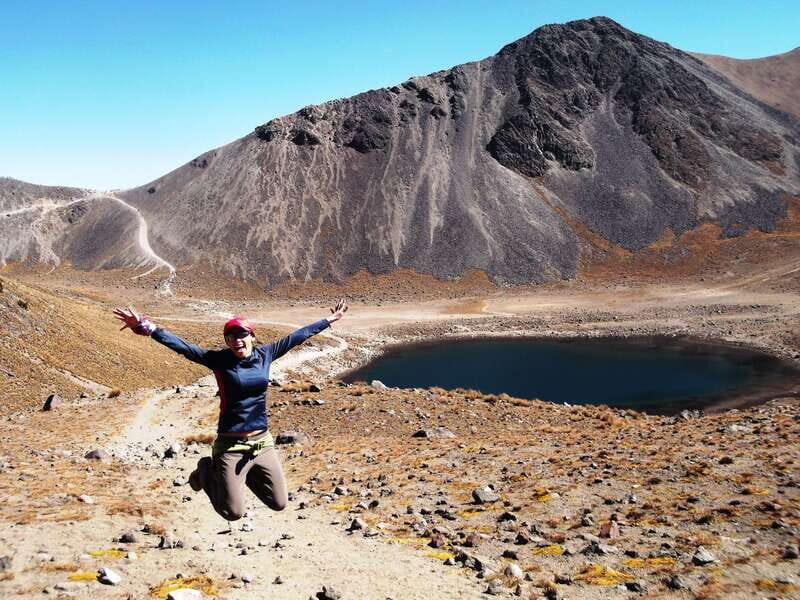
At 4,680 meters, energy management isn’t a “nice to have.” If you don’t keep fuel and fluids consistent, your pace tends to fall apart. This is one reason the included lunch and food feel genuinely valuable—you don’t have to figure out when to stop for a sandwich while your breathing is already working overtime.
Some guides and hikers also suggest carrying more than you think you’ll need, because the day can run longer than expected depending on weather and group pace. If you can, bring your own extra water capacity too, especially if you tend to drink often.
Difficulty, safety, and who should skip this summit attempt
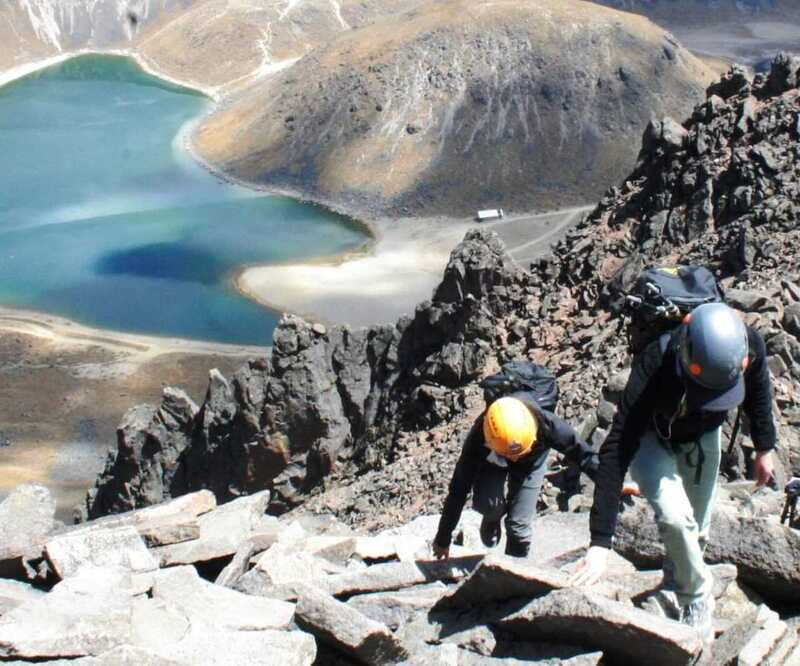
This is recommended for people who do exercise. In plain terms: you should be comfortable hiking uphill and you should be ready for rocky terrain. Even hikers who are generally fit have reported exhaustion from altitude, and beginners should treat this as a serious physical challenge.
It’s not suitable for:
- Pregnant women
- People with back problems
- People with mobility impairments
- People with respiratory issues
- People with epilepsy
- People with haemophilia
If any of those apply, don’t push it. The mountain is unforgiving, and your health comes first.
Also consider the mental side. Heights, scrambling, and the steep rocky sections can be more stressful than you expect, even if your legs are willing. If you’re uneasy with exposure, plan to prioritize safety over summit bragging rights.
Price and value: is $162 a good deal here?
At $162 per person for a full one-day outing, the value comes from what’s bundled. You’re paying for:
- transportation to the volcano area
- a professional guide
- mountain fees
- technical climbing/hiking equipment
- lunch and food
- insurance
- and even a loan backpack
If you tried to DIY this, you’d still need permits/fees, a guide you trust, and the gear. The tour also reduces the risk of showing up unprepared—something that’s common when hikes look straightforward on paper but feel brutal at altitude in real life.
The other value piece is group size. With a cap of 12, you’re not an anonymous number. Guides can keep an eye on pacing, weather adjustments, and safety decisions, which matters on a rocky, high-altitude route.
Tips I’d follow to make the summit attempt feel more in control
Here’s the checklist that helps most people have a smoother day:
- Hiking shoes (not thin sneakers)
- Rain gear (even sunny days can switch)
- Gloves (for cold and for rocky footing)
- Sunglasses (wind and sun can both be strong)
- Comfortable clothes in layers
- A change of clothes (because you’ll come back cold and dusty)
- Weather-appropriate clothing
- A towel (small, but useful)
Based on what hikers have shared, I’d also consider:
- A small face covering or mask for dust on the descent
- Extra water planning beyond what you expect to need
- Cash for small conveniences at the trail area (one review mentions a paid bathroom at the trailhead)
And if you can control your schedule: plan at least a day in Mexico City for acclimatization. It makes the day more enjoyable, not just survivable.
Final decision: should you book this Nevado de Toluca summit hike?
Book it if you:
- want a structured climb with professional guides and included gear
- are comfortable with long, uphill hiking
- can handle altitude and rocky terrain
- want crater-lake views and a summit that feels like a true objective
Skip or choose an easier mountain plan if you:
- have any of the listed health conditions
- don’t exercise regularly
- get anxious with steep scrambling or heights
- think altitude might catch you completely unprepared
If you meet the physical requirements and show up geared for cold, rain, and dust, this tour is one of the best ways to turn your Mexico City trip into a real high-altitude adventure.