REVIEW · MEXICO CITY
Museo Nacional de Antropología – Small Groups
Book on Viator →Bookable on Viator
Six rooms beat wandering aimlessly. This small-group visit at Mexico City’s Museo Nacional de Antropología is set up for a relaxed pace, with an English guide who helps you make sense of what you’re seeing.
I especially like the way the tour connects artifacts to the big story of Mesoamerica before 1521, including Olmeca, Zapoteca, Teotihuacan, and Mexica. I also like the museum-focus: you’re not just looking at objects, you’re learning the thinking behind this museum and which archaeology rooms deserve your time.
One consideration: the 3-hour format is efficient, not leisurely. If you want to linger in every room, you’ll likely need a second visit, and you’ll still pay the on-site admission fee (MX$210), since it’s not included.
In This Review
- Key takeaways before you go
- Entering Museo Nacional de Antropología: why small groups feel better
- Price and what you’re actually paying for: $83.63 plus admission
- The 3-hour game plan: six archaeology rooms without the museum fatigue
- What this format is good at
- What this format can’t do
- What you’ll learn: Olmeca, Zapoteca, Teotihuacan, and Mexica before 1521
- The museum’s design story: why the building changes what you understand
- The archaeology rooms you’ll prioritize (and why it’s smarter than random picks)
- A note on pace
- The 1985 theft story: why preservation stories belong in your museum visit
- Meeting point, timing, and how to start smoothly
- Who should book this tour (and who might skip it)
- After the tour: how to keep your momentum inside the museum
- Should you book Museo Nacional de Antropología small groups?
- FAQ
- How long is the Museo Nacional de Antropología small-group tour?
- What’s the group size for this tour?
- Is the tour offered in English?
- What’s included in the price?
- What’s not included, and how much is admission?
- Where is the meeting point?
- Do I need to print anything?
- How many archaeology rooms does the tour cover?
- Is there a cancellation option if my plans change?
- Do I need to be very mobile to join?
Key takeaways before you go
- Max 6 travelers keeps the energy calmer and the Q&A more doable
- English interpretation helps when most labels are in Spanish
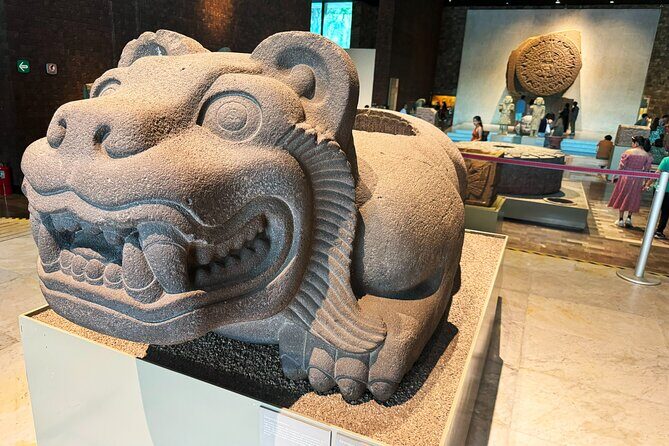
- Six archaeology rooms out of 11 helps you use limited time well
- Olmeca, Zapoteca, Teotihuacan, Mexica are used as time-travel anchors
- Museum design context explains how the space shapes what you notice
- A real preservation story includes the December 25, 1985 theft of gold, jade, and obsidian
Entering Museo Nacional de Antropología: why small groups feel better
The Museo Nacional de Antropología is huge. That’s the problem and the promise. You can easily end up sprinting between rooms, or spending time in places that don’t match your interests.
This small-group approach fixes that. With a maximum of 6 travelers, you’re not fighting for the guide’s attention. You’re also less likely to get lost in the shuffle of tour groups that move like a school of fish. The guide can slow down when you need a clearer explanation of what you’re looking at.
Another win is that this is an English-offered tour. Inside the museum, you’ll see a lot of Spanish labels. An English guide doesn’t just translate words—it helps you understand what the objects mean in context. That’s what turns a “look at this mask” moment into “oh, this connects to how people organized power, trade, and belief.”
You can also read our reviews of more tours and experiences in Mexico City.


Price and what you’re actually paying for: $83.63 plus admission
The tour price is $83.63 per person, and it runs about 3 hours. Here’s the key detail: the guide is included, but the admission ticket is not.
That admission fee is MX$210.00 per person, and tickets are only available through the museum’s official site (not third parties). So you should budget for both:
- Tour: $83.63 (includes guide service)
- Museum admission: MX$210 at the museum’s official ticket channel
Is it good value? I think so—because you’re paying for direction. The museum is not “one room, one story.” It’s a full education space. A guide that helps you pick the most representative cultures and the most important archaeology rooms can save you hours of guesswork.
Also, this kind of tour tends to get booked early (about 14 days in advance on average). If your trip dates are fixed, don’t treat it like a last-minute accessory.
The 3-hour game plan: six archaeology rooms without the museum fatigue
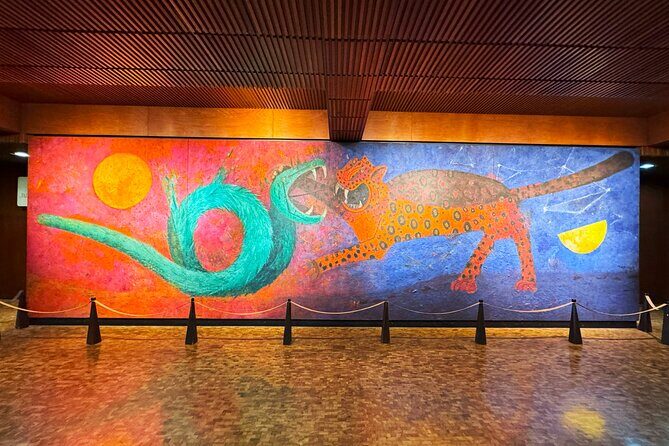
This tour is built around a simple idea: you don’t have enough time to absorb everything, so you should absorb the right things first.
You’ll focus on 6 of the museum’s 11 archaeology rooms. That ratio matters. It means you get variety—enough to see how different cultures expressed themselves—without turning your visit into a marathon.
The itinerary is centered on one main stop: the museum itself. Within that window, the guide uses specific cultures as a backbone for the experience, so you’re not just moving your feet—you’re stacking understanding as you go.
What this format is good at
- Helping you hit major stops in a logical order
- Explaining how artifacts fit into broader cultural stories
- Preventing the common problem of “I saw a lot, but I can’t remember why it mattered”
What this format can’t do
If you’re the type who wants to stand in front of one object for a long time, you may feel time pressure. The museum is not built for quick photo stops; it rewards attention. The tour gives you structure, but it can’t replace your own slow walk afterward.

What you’ll learn: Olmeca, Zapoteca, Teotihuacan, and Mexica before 1521
The tour’s focus is on Mesoamerica before the fall of Mexico Tenochtitlan in August 1521. That time frame is more than trivia. It’s a way to understand why certain symbols, materials, and political ideas repeat across centuries—and how they change.
The guide uses pieces from major cultures as vehicles for moving through time:
- Olmeca (often treated as a foundational influence in the region)
- Zapoteca
- Teotihuacan
- Mexica
That set of cultures is practical for first-timers. You get examples of different regions and different systems of power, not just one “default” civilization.
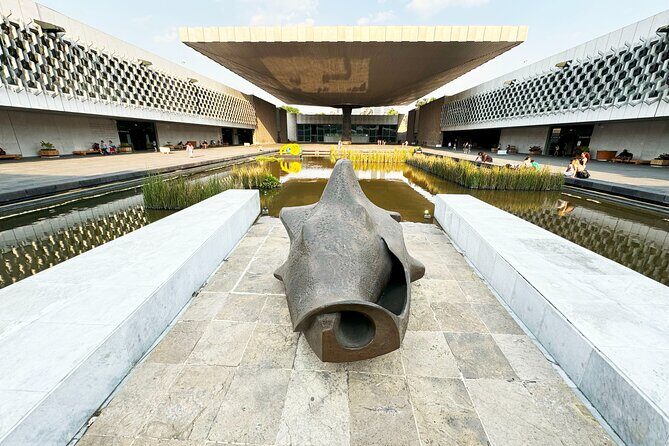
The tour also spends time on a theme that many independent visits skip: the project behind the design of the National Anthropology Museum. In plain terms, you’ll learn how the museum space was meant to guide what you notice. That changes your experience. Instead of treating rooms like random collections, you start to see them as an organized narrative.
The museum’s design story: why the building changes what you understand
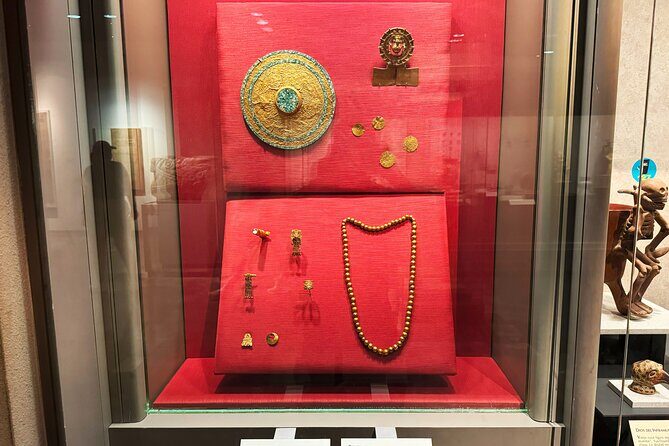
Most big museums have displays. This one also has an intentional plan for how knowledge should unfold as you move through it.
This tour gives you insight into the museum’s design project and how that design supports the storytelling of the archaeology rooms. That matters because the museum is vast enough that your brain will try to “sort” things quickly to reduce confusion. When you get the design logic from your guide, you sort more accurately, and faster.
You’ll also get help with the problem that language adds. Even if your Spanish is fine, object descriptions still take time. The guide can connect the dots while you’re standing there, so you don’t have to translate everything word-for-word just to understand the point.
If you like museums where the architecture and layout actually teach, you’ll appreciate this angle.
The archaeology rooms you’ll prioritize (and why it’s smarter than random picks)
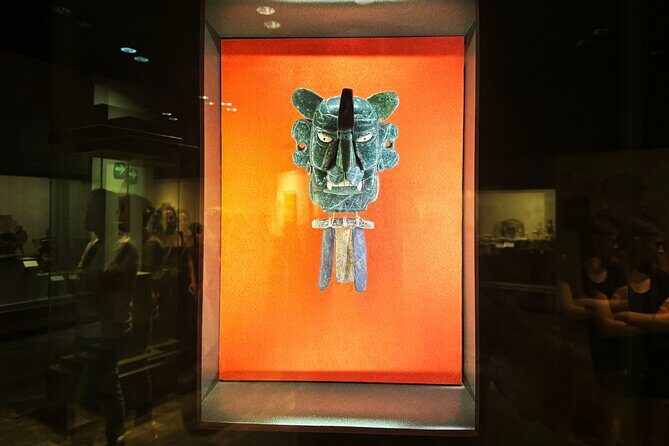
Because you’re covering six rooms, the guide isn’t trying to do everything. Instead, you’ll focus on archaeology highlights that represent the cultures most tied to the Mesoamerican story before 1521.
Here’s why that’s a smart choice for a first visit: it reduces the “I’m in the museum, now what?” feeling. In a place like this, your biggest risk isn’t missing a single artifact. It’s missing the narrative thread that makes the artifacts feel connected.
You’ll see pieces connected to the Olmeca, Zapoteca, Teotihuacan, and Mexica cultures, and you’ll learn how those objects reflect the complexity of the societies that made them. That’s the difference between viewing objects and understanding cultural systems.
A note on pace
In feedback, people mention that time flew and that it felt like the tour made the museum come alive. That usually happens when your guide keeps the story moving and also checks in when someone needs a slower explanation.
If you personally prefer slower stops, you’ll still get value, but you might want to add extra time afterward to revisit your favorite room.
The 1985 theft story: why preservation stories belong in your museum visit
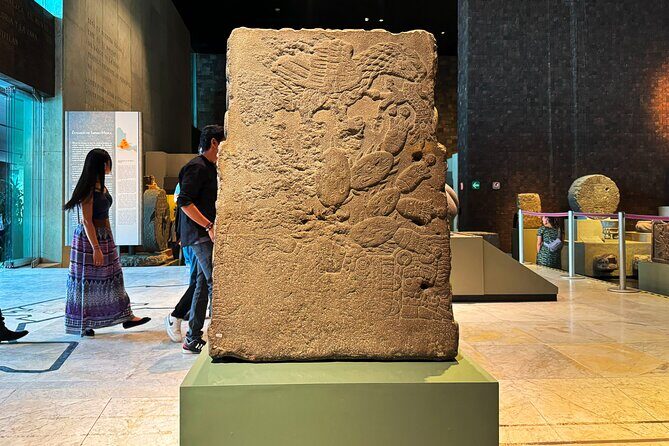
One of the standout moments in this tour is a story about theft and preservation: some pieces made of gold, jade, and obsidian were stolen on December 25, 1985.
This isn’t included just for drama. It adds a layer of realism to the whole experience. You’re not only looking at history; you’re looking at objects that have survived political shifts, institutional changes, and real-world threats. The museum isn’t just a display case—it’s a caretaker.
When your guide connects that preservation context to the materials and craftsmanship, you understand why certain objects matter even more. You also get a more grounded view of what it takes to protect cultural heritage over time.
Meeting point, timing, and how to start smoothly
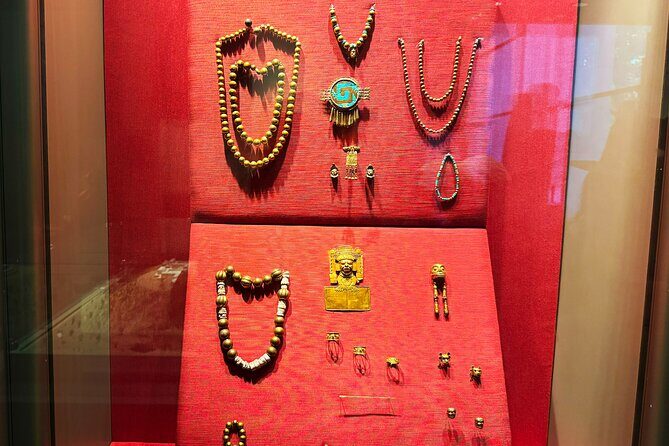
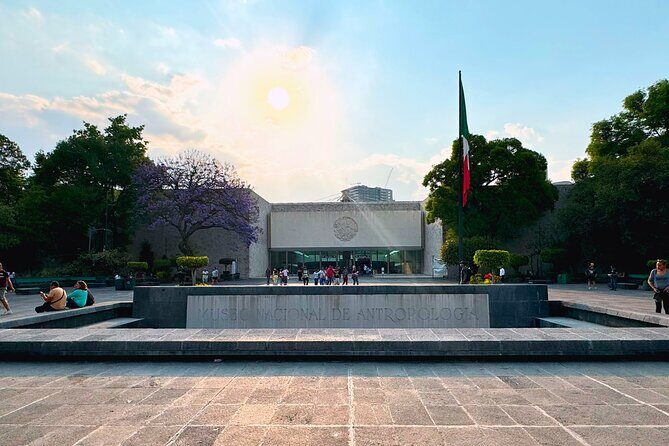
You’ll meet at Museo Nacional de Antropología, Av. P.º de la Reforma s/n, Polanco, Bosque de Chapultepec I Secc, Miguel Hidalgo, 11560 Ciudad de México, CDMX, Mexico. The tour ends back at the meeting point.
This is listed as near public transportation, which is helpful in a city where routes can be unpredictable. Still, give yourself buffer time—this museum area can have a lot going on.
A small practical tip: it can be easy to miss your guide when the lobby is busy. If you arrive early, take a moment to check your mobile ticket/confirmation details before wandering off. That way, you don’t lose time trying to identify who you’re meeting.
Who should book this tour (and who might skip it)
This tour makes the most sense if you:
- Want a guided path through a big museum in a short time
- Prefer structured explanations over reading everything on your own
- Like seeing multiple key archaeology rooms without guesswork
- Are comfortable with a moderate amount of standing and walking
It’s also a good fit if you’re planning big-ticket archaeology trips afterward, because it gives you the cultural background that makes pyramids and sites feel less like “rocks” and more like connected societies. The guide links the museum objects to the broader story of Mesoamerica, so your later visits land with more meaning.
You might consider skipping—or pairing with extra solo time—if you:
- Only want a casual stroll with no pressure to cover rooms efficiently
- Want maximum time per object rather than structured coverage
- Need a very flexible schedule for accessibility reasons (the activity notes moderate physical fitness)
After the tour: how to keep your momentum inside the museum
When you finish, don’t treat it like you’re done. Think of the tour as your map and your story starter.
If you have energy left, use what you learned during the guided time to pick one or two rooms to revisit with your own pace. Since you already understand which cultures the tour emphasized and why, your independent walk becomes more targeted.
Also, keep an eye out for anything tied to the themes you heard—materials, symbolism, and cultural context. Museums like this can feel like a wall of objects at first. After a guided foundation, it starts to feel like a set of connected chapters.
Should you book Museo Nacional de Antropología small groups?
If you’re visiting the Museo Nacional de Antropología for the first time, I’d book this. The combination of small group size, English guide support, and a 6-room focused route is exactly what helps you get value in limited time. You’ll get cultural context for major Mesoamerican civilizations before 1521, plus the museum design perspective that many self-guided visits miss.
Just go in with the right expectations: this is a smart overview, not a slow, object-by-object study session. Plan to spend a little time afterward if you want deeper lingering in the rooms that grab you most.
If that sounds like your style, this tour is a strong, practical way to make the museum click.
FAQ
How long is the Museo Nacional de Antropología small-group tour?
It lasts about 3 hours.
What’s the group size for this tour?
The tour has a maximum of 6 travelers.
Is the tour offered in English?
Yes, it is offered in English.
What’s included in the price?
The guide service is included.
What’s not included, and how much is admission?
Admission fee is not included. Tickets are MX$210.00 per person and should be bought through the museum’s official site only.
Where is the meeting point?
The meeting point is at Museo Nacional de Antropología, Av. P.º de la Reforma s/n, Polanco, Bosque de Chapultepec I Secc, Miguel Hidalgo, 11560 Ciudad de México, CDMX, Mexico.
Do I need to print anything?
You’ll have a mobile ticket.
How many archaeology rooms does the tour cover?
The tour focuses on 6 of the museum’s 11 archaeology rooms.
Is there a cancellation option if my plans change?
Yes, free cancellation is available. You can cancel up to 24 hours in advance for a full refund.
Do I need to be very mobile to join?
The activity notes a moderate physical fitness level, so you should be comfortable with standing and walking for the duration.