REVIEW · MEXICO CITY
Mexico City: Tequila and Mezcal Museum Tour with Tasting
Book on GetYourGuide →Operated by MUSEO DEL TEQUILA Y EL MEZCAL · Bookable on GetYourGuide
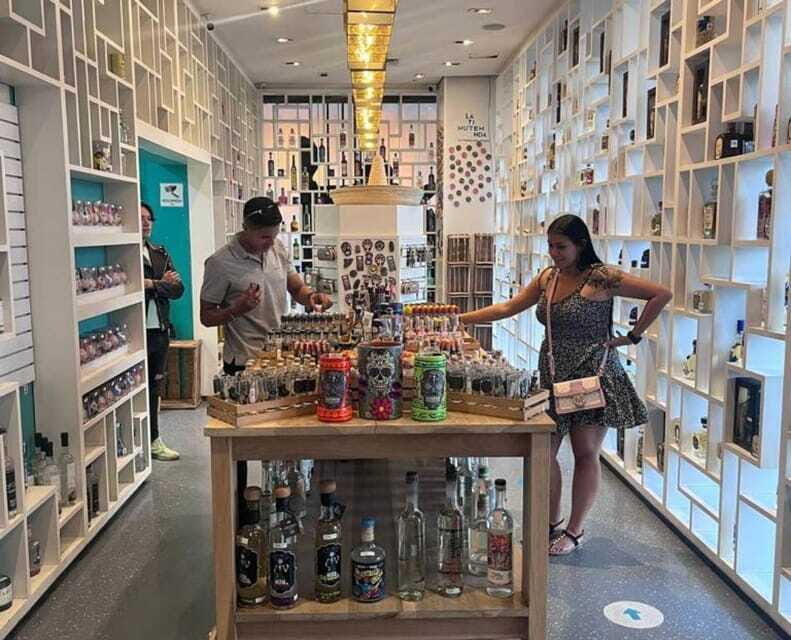
A mezcal lesson starts with a wall of bottles. This small-group visit at the Museo del Tequila y el Mezcal pairs a guided museum walk with a hands-on tasting, so you leave with real flavor and production context. I particularly like the bilingual, question-friendly guide and the chance to compare two tequilas and two mezcals back-to-back. One heads-up: it’s focused on drinking, not food, and there’s no transportation included.
The museum itself is a big part of the payoff: you’ll see thousands of bottles (more than 2000 is the figure used) arranged as a visual timeline, plus cultural details tied to Plaza Garibaldi and the UNESCO-recognized mariachi tradition. After the tasting, you get time to roam, browse the shop, and grab a bite at the restaurant on-site if you want. If you’re hoping for a long, scenic outing, this is more like a concentrated spirits class in a compact setting.
In This Review
- Key moments that make this tour worth your time
- Where the tour starts: Museo del Tequila y Mezcal and Plaza Garibaldi context
- The 105-minute museum walk: more than bottles, it’s a way to read agave
- Tequila vs mezcal: the production story in plain language
- The tasting: Blanco, Reposado, and two wild mezcals (and why it’s structured that way)
- How the guide teaches you to taste, not just sample
- After the tasting: museum free time, shop browsing, and a calm place to regroup
- Price and value: what $40 buys you in a 1.5-hour experience
- Who should book this tour (and who might skip it)
- Should you book the Museo del Tequila y el Mezcal tasting tour?
- FAQ
- What’s included in the tequila and mezcal tasting?
- How long is the tour?
- Do they offer English and Spanish?
- Where do I meet for the tour?
- Is transportation included?
- Can kids participate?
Key moments that make this tour worth your time
- A small group of up to 5 people, which makes it easy to ask questions during the tasting
- Museum tour with a bottle wall featuring over 2000 exhibited bottles, so you can actually picture styles and labeling
- Tequila tasting lineup with one Blanco and one Reposado poured side-by-side for comparison
- Two wild mezcals included, giving you the chance to notice how smoky or herbal expressions can differ
- Guides who teach the tasting method, including what to look for on the label and how to think in tasting notes
- Plaza Garibaldi and mariachi context, with UNESCO-linked background about the culture around the museum
Where the tour starts: Museo del Tequila y Mezcal and Plaza Garibaldi context
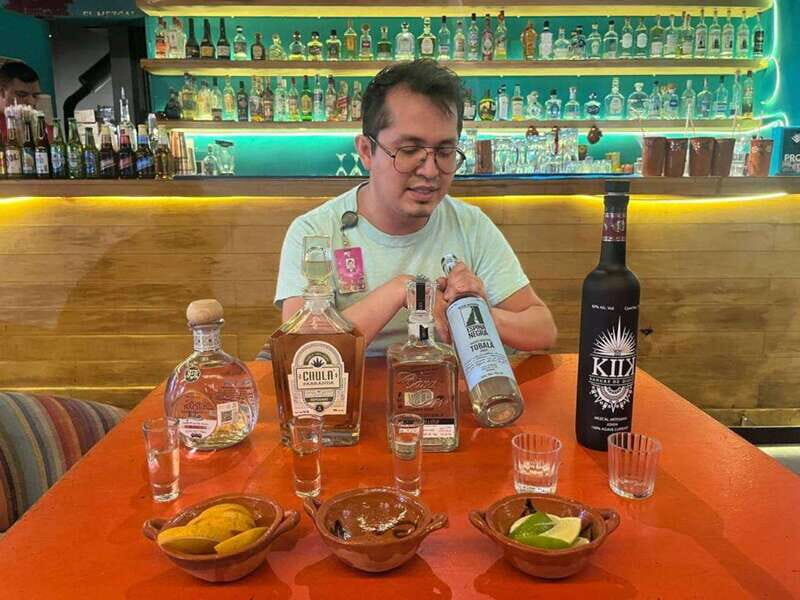
This experience begins at the Museo del Tequila y el Mezcal, where you check in at the front desk with your mobile voucher. The practical side is simple: you show up, you join a small group, and you’re guided inside right away, without needing to figure out the museum on your own.
The location matters because the tour connects the spirits to place. Your guide will talk about Plaza Garibaldi, the mariachi scene, and the fact that mariachi is recognized by UNESCO as an Intangible Heritage of Humanity (2011 is specifically cited). That cultural framing makes the drinks feel less like souvenir alcohol and more like something rooted in daily life and regional tradition.
If you’re doing this as one of your first Mexico City activities, it works well because it gives you a vocabulary for the rest of your trip. If you’re already a tequila fan, you’ll still get value; the tasting and the bottle-wall visuals make it easier to separate what you like from what you’re just guessing.
You can also read our reviews of more food & drink experiences in Mexico City



The 105-minute museum walk: more than bottles, it’s a way to read agave
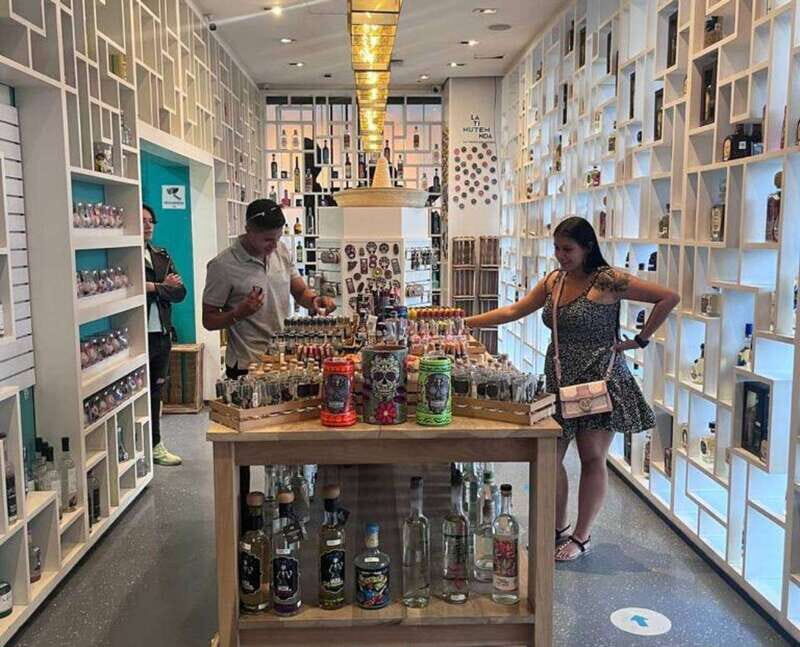
The guided museum portion runs about 105 minutes, and the pace is built around learning while you move. The standout feature is the sheer scale of the collection: you’re looking at more than 2000 exhibited bottles. Instead of treating them as random decorations, the guide helps you understand what you’re seeing and why it matters.
Why this works: tequila and mezcal brands can look similar from a distance, but the details change the story. In the museum walk, you’re nudged to think about things like agave variety, production differences, aging style, and what producers want you to notice on the label.
From the reviews, one theme comes up again and again: the best part is not just seeing bottles, it’s being able to ask questions while you’re standing in front of them. People also mention guides using visuals and explanations that make the process click faster. Names that show up in feedback include Ricardo, Victor, Levi, Jorge, Omar, and Maria, and the common thread is that the guides keep things interactive and answer follow-ups instead of rushing to the next room.
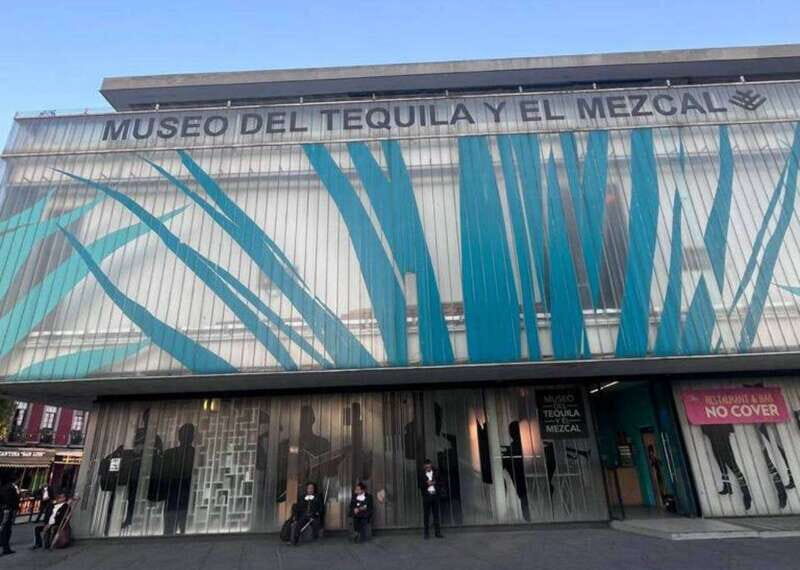
A practical consideration: the building exterior isn’t what you’d call impressive. More than one person flags this, but the interior is where the magic is. If you arrive expecting a grand hotel lobby vibe, adjust your expectations before you enter. The experience is about learning and tasting inside.
Tequila vs mezcal: the production story in plain language
You’ll spend time learning how these drinks get made, with a guided explanation of the tequila and mezcal-making process. The tour doesn’t treat “tequila” and “mezcal” as interchangeable words. It clearly separates them, which is the key mental shift for most people.
A few practical takeaways you should expect to walk away with:
- Tequila is a type of agave spirit, not every bottle that says agave is the same thing.
- Mezcal typically has more variation, and it’s strongly tied to the process and agave choices behind the scenes.
- Aging and style (like blanco vs reposado) change taste in predictable ways once you know what to look for.
One of the fun things the guide may point out is the way the museum uses exhibits to explain points you might otherwise miss. Reviews mention oddities like a worm that people mistakenly assume belongs in tequila (it’s actually associated with mezcal practices), plus examples of animals shown in bottles such as a scorpion and a snake. The point isn’t that you should buy those bottles. The point is that guides use these visuals to explain tradition, marketing, and misconceptions.
You may also hear unusual production notes. One review mentions a guide connecting mezcal discussion with the idea of smoked turkey. That kind of detail is exactly the sort of memorable aside that makes the main explanation easier to remember.
The tasting: Blanco, Reposado, and two wild mezcals (and why it’s structured that way)
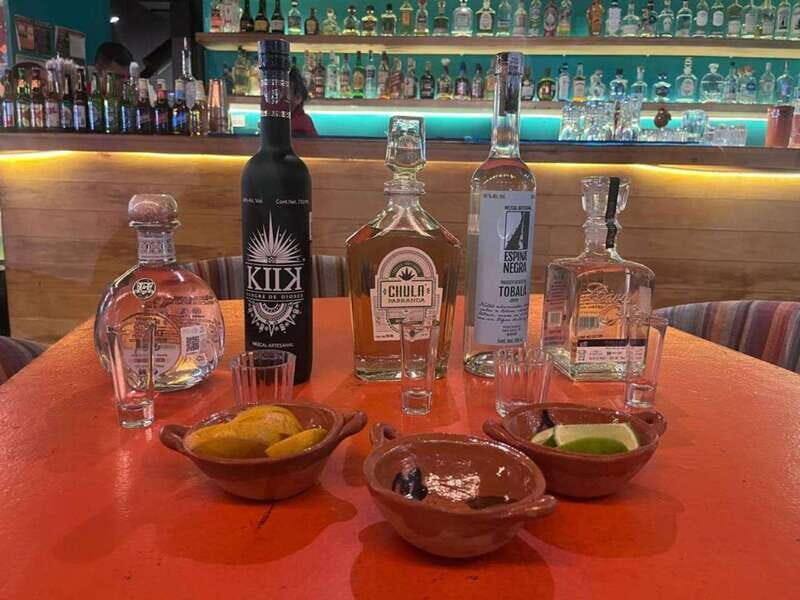
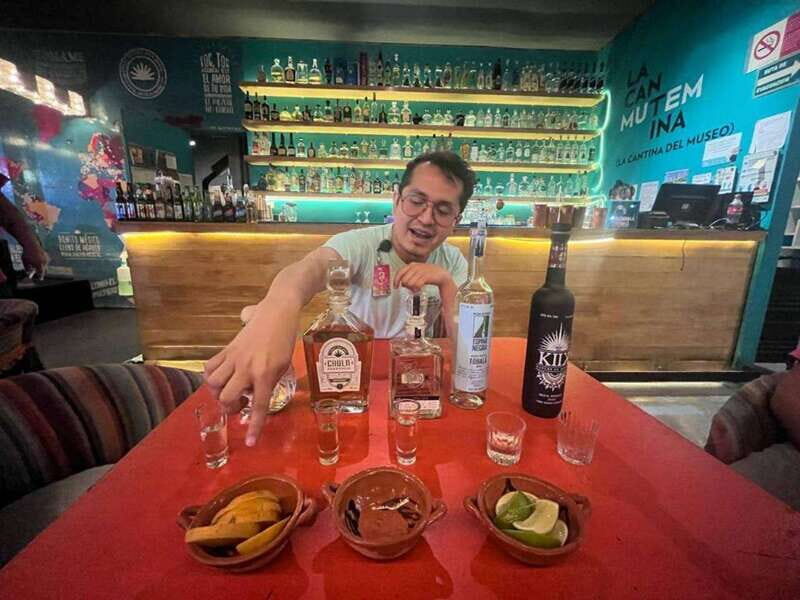
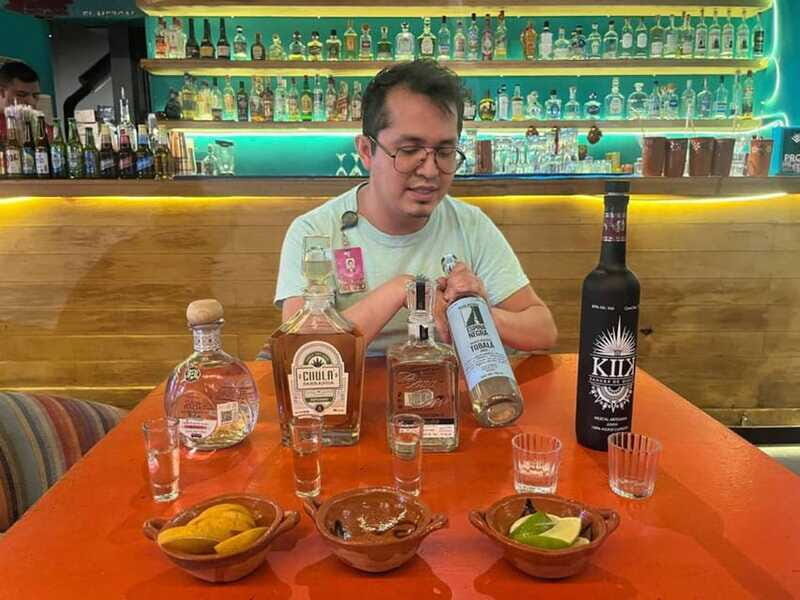
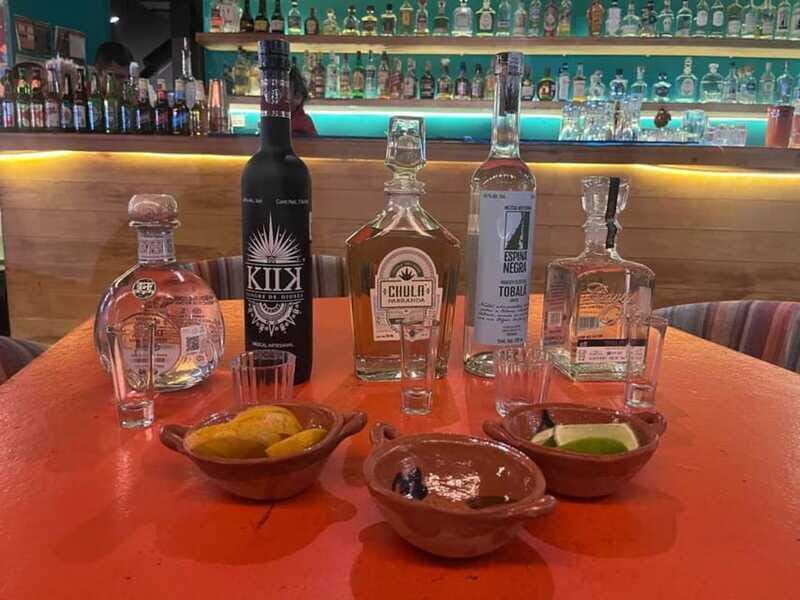
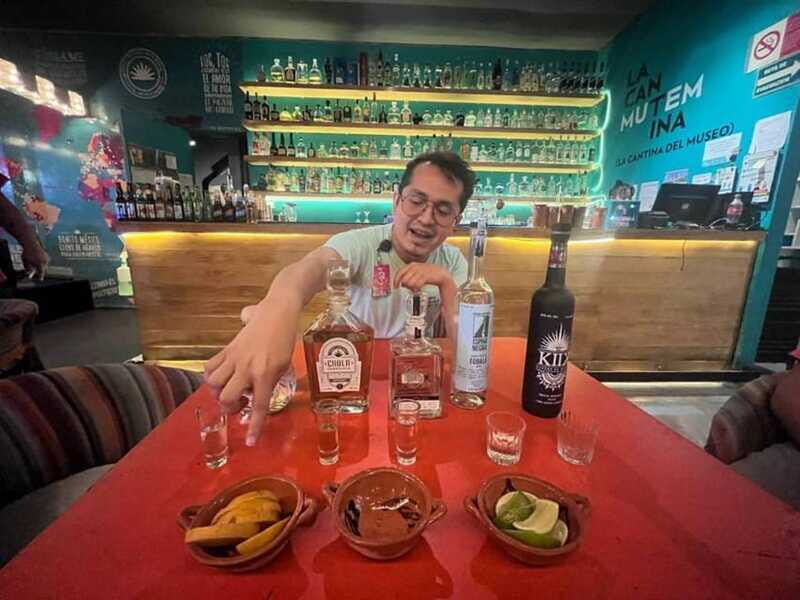
The tasting is the centerpiece, and it’s built to teach comparison. You taste four drinks total:
- One Tequila Blanco
- One Tequila Reposado
- Two Wild Mezcal
That structure is smart for two reasons. First, it forces you to compare tequila styles within the same category (Blanco vs Reposado). Second, it gives you range inside mezcal by letting you sample two wild expressions instead of just a single “one mezcal fits all” pour.
From the reviews, the quality of the drinks and the way the pours are explained seem to land well. People frequently mention tasting good-quality tequilas and mezcals and feeling like they gained enough understanding to choose better bottles afterward.
If you’re a casual drinker, here’s what you’ll likely find helpful: the guide gives tips on how to drink, enjoy, and appreciate the spirits. That includes tasting notes and practical guidance on what to pay attention to rather than just chasing whatever tastes strongest.
Also, this tour doesn’t turn into a party. It’s a tasting with teaching. The guides give you the method first, then the opportunity to apply it. One review even highlights shot options where each pour came with its own small “magic,” meaning there’s a sense of guided fun without losing the instructional part.
A drawback to consider: there’s no food included as part of the tasting. If you’re the type who gets hungry fast, plan to eat before you go or be ready to use the on-site restaurant after the tasting.
How the guide teaches you to taste, not just sample
Many tasting experiences fail in one way: they pour drinks and then leave you to guess what you’re supposed to notice. This one aims to fix that. Guides on this tour are repeatedly praised for explaining differences in a way that feels approachable, and for encouraging questions.
What I think you should look for during your tasting:
- Are you learning a simple tasting routine, like aroma first, then flavor, then how it finishes?
- Are you being told what label terms usually mean so you can order smarter later?
- Are you getting suggestions for brands or style directions based on your preferences?
Reviews mention that some guides even paid attention to taste preferences and, in at least one case, swapped bottles to better match what the group liked. That’s a small detail, but it’s a big deal for value. If the guide is willing to adjust, the tasting becomes more personal and more likely to land as a learning experience rather than a one-size-fits-all set of shots.
Language also matters. The tour is offered in Spanish and English. Several people mention doing the tour in English and understanding everything, while at least one review notes that they chose Spanish and couldn’t speak to the English version. If you’re choosing between languages, pick the one you’ll feel comfortable asking questions in.
You can also read our reviews of more city tours in Mexico City



After the tasting: museum free time, shop browsing, and a calm place to regroup
Once the tasting ends, you’re not immediately pushed out. You get time to enjoy the museum on your own and visit the shop in case you want to purchase any of the bottles you tasted.
That free time matters because it lets you connect the dots. If you just listened to a guide explain agave differences and aging styles, you can now look at the bottles with a new set of questions. You’re more likely to notice labels and exhibit descriptions instead of walking through on autopilot.
There’s also time at a restaurant on-site. The drinks are included, but food isn’t. If you want a sit-down bite, this is your moment. It’s also a good time to decide what you want to do next in Mexico City because you’ll have a better sense of what you actually like.
One extra practical tip from reviews: if you’re heading into Plaza Garibaldi afterward, have some pesos for tips or small purchases linked to the mariachi atmosphere. People also mention tipping the guide. If you found the explanations genuinely helpful, tipping is usually the right way to show appreciation.
Price and value: what $40 buys you in a 1.5-hour experience
At about $40 per person for roughly 1.5 hours, this tour sits in the “worth it if you care about learning” category. It’s not trying to be the cheapest tasting in town. It’s offering a guided museum component plus a structured four-drink comparison.
Here’s how I’d judge the value:
- You get a guided museum walk, not just a tasting in a back room.
- You taste a mix that covers both key tequila styles (Blanco and Reposado) and two wild mezcals.
- You’re in a small group, which usually means the guide can slow down to explain when questions come up.
- You’re also learning how to approach future purchases, which is where the biggest long-term value often shows up.
If you’re the type who orders tequila and mezcal by reputation alone, you may not feel the value as strongly. But if you like understanding why one bottle tastes different from another, this is one of the faster ways to build that mental framework.
A couple notes that affect your planning:
- Transportation isn’t included.
- Food and any extra drinks beyond the tasting aren’t included.
- Kids are welcome, but they can’t drink during the tasting.
Who should book this tour (and who might skip it)
This tour is a strong fit if:
- You’re a tequila or mezcal fan, or you want to become one.
- You like educational tastings where you can ask questions and compare styles.
- You’re short on time in Mexico City and want one focused stop that builds context fast.
- You enjoy museum-style learning with lots of exhibits and visuals, especially the bottle collection.
You might think twice if:
- You’re expecting a long outing with lots of walking outdoors or major city sights beyond the museum area.
- You want heavy food service included.
- You prefer tasting without explanations and prefer pure “drink and move on” pacing.
If you’re traveling in a group, the small size works in your favor. It’s easier to feel seen. If you’re solo, it’s also a good choice because the guide’s Q&A style seems built for getting personal attention.
Should you book the Museo del Tequila y el Mezcal tasting tour?
I’d book it if you want a short, guided way to understand what you’re drinking, not just to sample a few shots. The combination of a museum with 2000+ bottle exhibits, a structured tasting (Blanco, Reposado, and two wild mezcals), and bilingual guides with a habit of explaining and answering questions makes it a practical choice.
If you’re unsure where to start with tequila and mezcal in Mexico City, this tour gives you a clean foundation. If you already have strong preferences, it can still be useful because you’ll learn how guides help people identify what they like and how to read labels with more confidence.
FAQ
What’s included in the tequila and mezcal tasting?
The tasting includes one Tequila Blanco, one Tequila Reposado, and two wild mezcals.
How long is the tour?
The guided museum tour runs about 105 minutes, for an overall duration listed as 1.5 hours.
Do they offer English and Spanish?
Yes. The live tour guide is available in Spanish and English.
Where do I meet for the tour?
Show your mobile voucher at the front desk of the Museo del Tequila y Mezcal.
Is transportation included?
No. Transportation isn’t included.
Can kids participate?
Kids are welcome at the museum, but they can’t drink alcohol during the tequila and mezcal tasting.