REVIEW · MEXICO CITY
Mexico City: Monarch Butterflies, Sierra Chincua & Angangueo
Book on GetYourGuide →Operated by Vibe Adventures · Bookable on GetYourGuide
Monarch butterflies turn a hike into a show. This Sierra Chincua trip is special because you’re chasing the monarch migration in a UNESCO biosphere reserve, then finishing in the mountain town of Angangueo.
I especially love two things: the up-close butterfly viewing after you climb into the right altitude zone, and the added town time where you can see how monarchs shape local culture, not just the nature photo. One thing to think about: this is a long day with real driving time, so the butterflies can end up being a short moment compared with the time on the road.
In This Review
- Key things that make this tour worth your time
- What you’ll be doing: Sierra Chincua first, then Angangueo’s streets
- Sierra Chincua: the monarch spectacle happens on a schedule
- The drive from Mexico City: plan for a long road, not a quick hop
- The hike to the colony: elevation is the real boss
- Getting into the sanctuary: guided time is part of the value
- Angangueo: a mountain town where monarchs and mining both leave marks
- Price and value: is $169 fair for a day like this?
- What can go wrong (and how you protect your day)
- The common stress points
- Your best protections
- What to bring: the simple kit that prevents misery
- Who this tour is for
- Should you book this Mexico City Monarch Butterfly Tour?
- FAQ
- Where does the tour start and where do I meet the guide?
- How long is the tour?
- When is the best time to see monarch butterflies on this tour?
- Do I hike to reach the monarch sanctuary?
- Can I avoid most of the hike by riding a horse?
- What happens in Sierra Chincua during the tour?
- What do you do in Angangueo?
- Is lunch included in the price?
- What is included in the $169 price?
- What should I bring?
- What languages is the live tour guide available in?
Key things that make this tour worth your time
- Sierra Chincua timing: you visit one of Mexico’s official monarch sanctuaries during the season (Nov–Mar)
- A real hike component: you’ll gain serious elevation to reach the colony area (1–2 hours to get up there)
- Angangueo time isn’t filler: guided walking + shopping + sightseeing in a mountain “Magic Town”
- Guides can adjust in-season: if conditions at one sanctuary are poor, a good guide may shift to a better option (I’ve seen this handled well by guides like Andrés)
- Bring cash pesos: on-site shops may not take cards or USD (based on real on-the-day issues)
What you’ll be doing: Sierra Chincua first, then Angangueo’s streets
This is a focused day built around one mission: see monarchs at Sierra Chincua during their annual migration window. You’ll leave Mexico City in the morning, head to Michoacán, and spend time at the sanctuary with a guided visit and a walk (around 2.5 hours for the sanctuary portion). Then you’ll shift gears and enjoy Angangueo with a guided town visit, plus time to browse and stroll (about 3 hours of guided sightseeing).
The day ends with the drive back and drop-off at the Angel of Independence area. If you’re the type who wants nature plus a real town feel, the mix works.
You can also read our reviews of more city tours in Mexico City

Sierra Chincua: the monarch spectacle happens on a schedule
Sierra Chincua is one of five official monarch butterfly sanctuaries, and it’s known for dramatic seasonal conditions. This is the place where the monarch migration is concentrated for visitors during the season, which runs November through March and peaks December to February.
What to expect at the colony viewing: you’re not just looking at a butterfly “spot.” You’re going into the habitat where the colony forms and where thousands of monarchs cluster. The viewing experience is visual and almost “slow-moving” in its own way—your goal is to find the right angle, stay quiet, and let your eyes adjust. If you’re expecting a theme-park style show with guaranteed timing, you’ll be happier if you show up with a naturalist mindset: the butterflies and the conditions do their own thing.
One more practical point: the sanctuary visit is guided, which helps a lot. You’ll typically get the basics of what you’re seeing and why this site is part of the bigger migration story.
The drive from Mexico City: plan for a long road, not a quick hop

Even though the monarch viewing is the star, the reality is that you’re spending a chunk of the day on the road. The tour is 12 hours total. That long travel time matters because it affects your comfort and how you pace your expectations.
Some days run smoother than others, and different routes can change the feel of the trip. In a few real experiences, people ran into uncomfortable vans, tight seating, nausea from braking on mountain roads, and long stretches before reaching the sanctuary. I’d treat this as a “get comfortable for the journey” day:
- Pack a small layer for the van ride and the altitude
- Bring your motion-sickness plan if you’re sensitive on curvy roads
- Sit where you can control your comfort (if the driver lets you choose)
Also, keep your mindset flexible. If the sanctuary conditions for that particular day are poor, a capable guide may redirect you to another sanctuary with better viewing conditions. That kind of decision can turn an average day into a great one.
The hike to the colony: elevation is the real boss
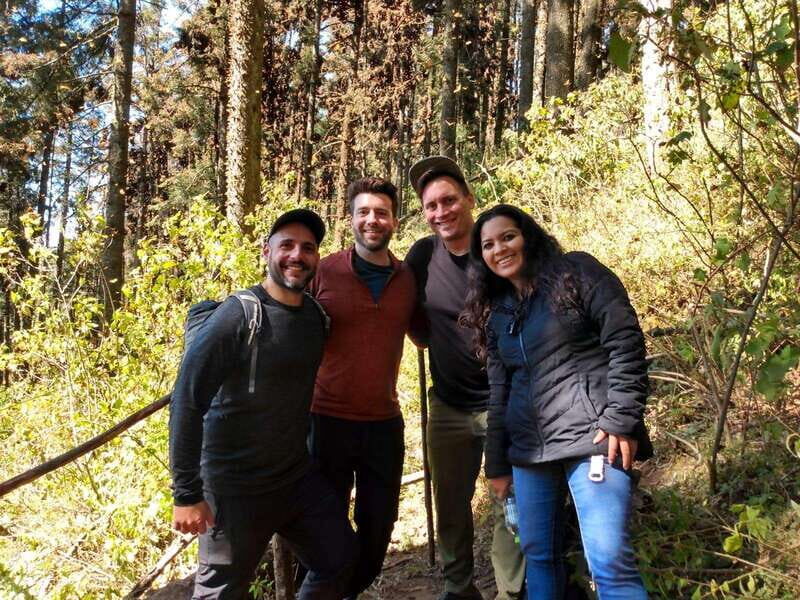
The sanctuary approach is not just about walking distance—it’s about altitude. You’ll go from roughly 2,800 to 3,400 meters (about 9,200–11,150 feet), and the route to the colony area can involve 1.2 to 3 kilometers with elevation gains between 220 and 800 meters (how hard it feels varies with where the butterflies are clustering).
You should expect the climb to take about 1 to 2 hours up to the sanctuary area, depending on your fitness and exactly where the colony is located. The tour gives you a choice in practice: you can hike, or you can hire a local horse for the steeper sections. The horse option is helpful, but it only covers about half the trail.
If you want the honest takeaway: you don’t need to be an athlete to do this, but you do need moderate stamina—and you should plan your effort. A steady pace wins. If you sprint at the start, altitude will remind you quickly.
Getting into the sanctuary: guided time is part of the value
Once you’re at Sierra Chincua, the day shifts into guided mode. You’ll have a guided component and walking time as you move through the viewing area. This is where the guide’s job matters: monarch viewing is easier when someone helps you understand what you’re seeing and how the colony works during migration season.
It also helps to manage your expectations about “how long you’ll see butterflies.” On some days, the best viewing window can feel brief compared with the driving time. Still, the sanctuary part is the reason you’re here, so I treat it like a small, intense window: stay present, move carefully, and don’t rush photos at the expense of actually seeing the colony.

Angangueo: a mountain town where monarchs and mining both leave marks
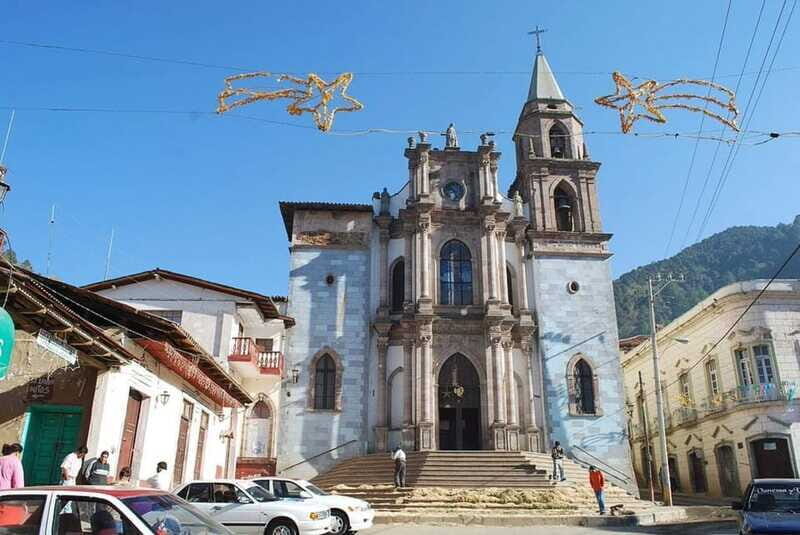
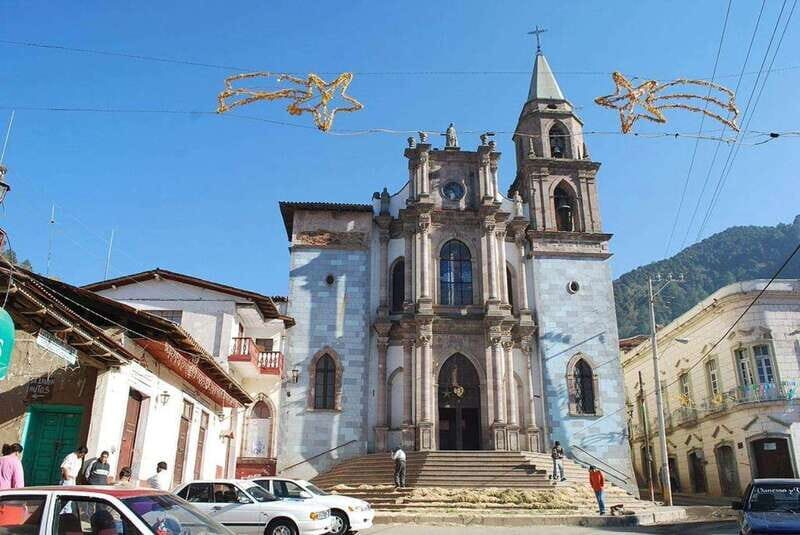
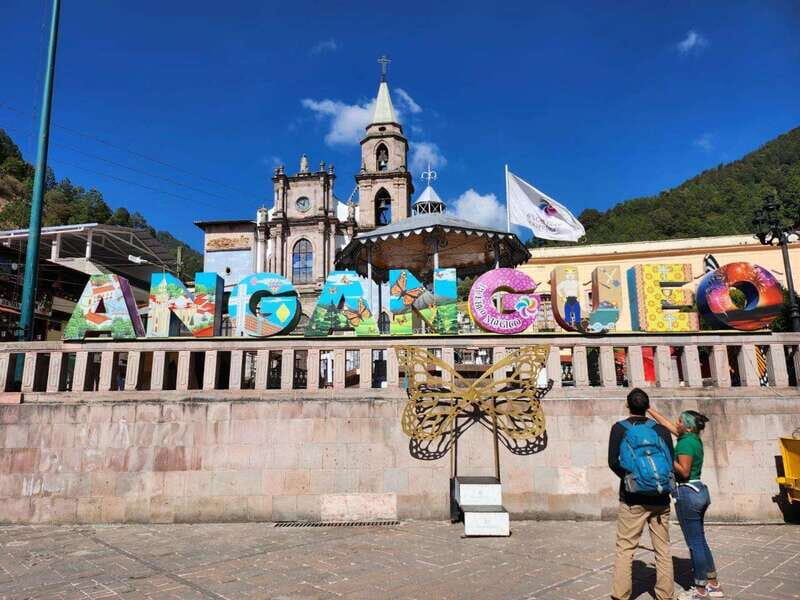
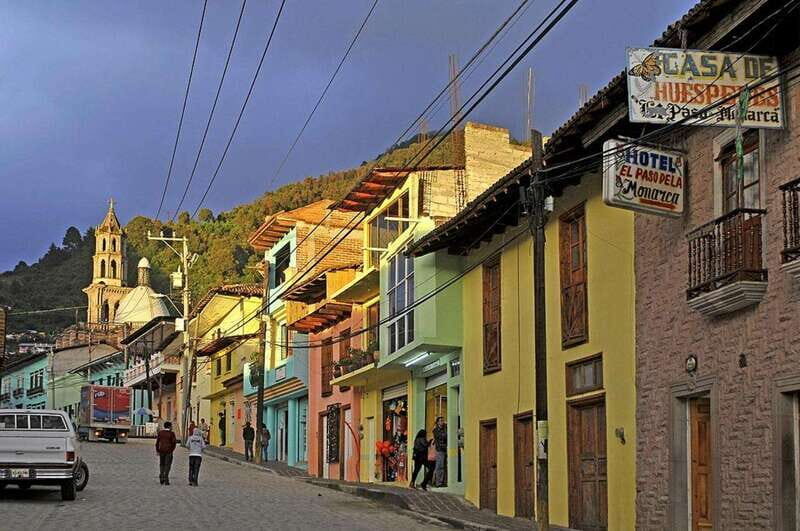
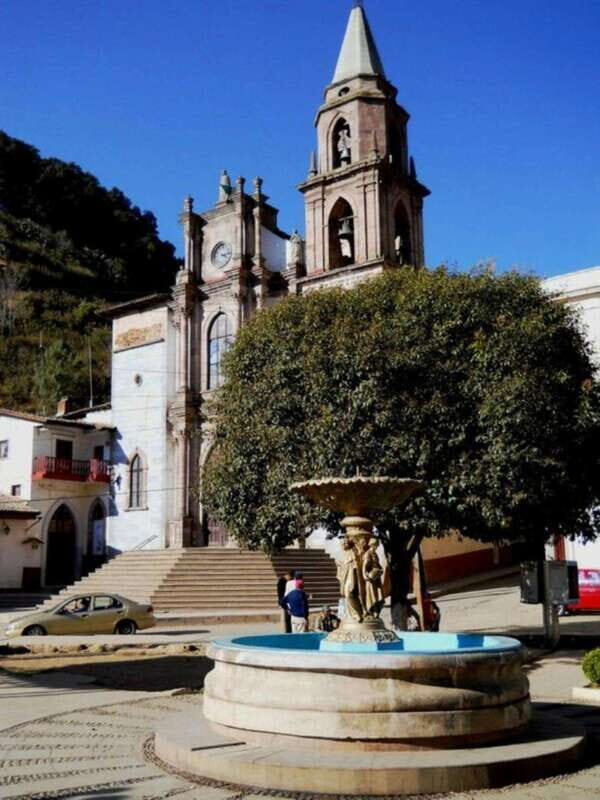
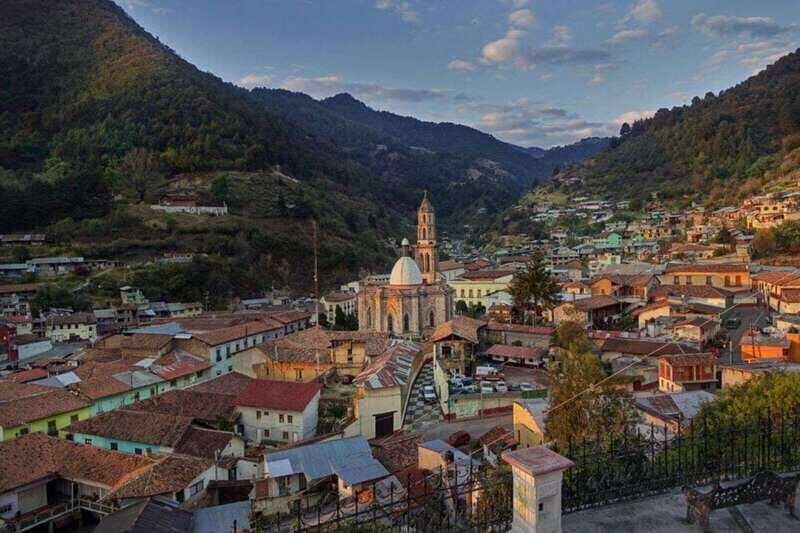
After the sanctuary, the tour takes you to Angangueo, often described as a key town connected to the monarch reserve. It’s known as a “Magic Town,” and it also has a mining legacy that shaped the region. In other words, it’s not only a base for butterflies—it’s a town with its own identity.
Your time there includes a guided walking tour with sightseeing plus time for shopping (about 3 hours). If you like browsing local crafts, snacks, or small souvenirs, this part can be fun because it’s slower than the sanctuary and you’re more in town rhythm.
You also get a lunch break set for about 1 hour. One caution: the information provided doesn’t clearly spell out whether lunch is included in the price. Since meal expectations have caused confusion on some days, I’d confirm ahead of time whether lunch is covered or you’re paying on-site.
Price and value: is $169 fair for a day like this?

At $169 per person for a 12-hour outing, you’re paying for a full package: hotel pickup and drop-off, transportation, entry fees, and a local guide.
Here’s how I’d judge the value in practical terms:
- If you want monarch viewing at a specific sanctuary during the right season, the entry and guide time are hard to replicate on your own without planning.
- If you’re lucky with conditions (clear weather, active colonies), the payoff is huge: you’re seeing the migration at a level that’s hard to experience any other way.
- The biggest “cost” isn’t money—it’s time and comfort. If the van is cramped or the roads make you nauseous, the trip can feel longer than it should.
So yes, the price can be worth it, especially in peak season. But go in with eyes open: you’re buying access and guidance, not a guarantee of a leisurely day.
What can go wrong (and how you protect your day)
I’m not going to sugarcoat it: a few on-the-ground issues have shown up, and you can reduce the risk.
The common stress points
- Short butterfly viewing vs. long travel time
- Poor communication about timing and what’s included
- Uncomfortable transportation on mountain roads
- Unexpected crowd levels if plans shift to another sanctuary
- Meal and schedule confusion (lunch timing and whether it’s included)
Your best protections
- Ask the organizer before you go how lunch works (included vs. purchase).
- Bring sunscreen and sunglasses; sanctuary time is outdoors and high altitude adds extra bite.
- Bring comfortable shoes. The climb is the work part of the day.
- Carry ID (a copy is accepted) since this matters at entry points.
- Bring cash in Mexican pesos. The on-site store situation has been inconsistent for some people.
If you’re doing this with limited patience for chaos, consider booking a private or small group option so the day is less likely to feel disorganized.
What to bring: the simple kit that prevents misery
The tour info lists the basics, and I agree with them. You’ll want:
- Comfortable shoes (non-negotiable for the climb)
- Sunglasses and sunscreen (outdoor viewing + altitude)
- Comfortable clothes for cool mountain air
- ID card (a copy is accepted)
- Travel insurance is recommended (it’s not included)
If you’re prone to motion sickness, add your own fix. And if you hate surprises, pack a small snack too—since meal details can get messy.
Who this tour is for
This works best for:
- You want monarchs in season and you’d rather have a guide than DIY the logistics
- You can handle moderate altitude effort and you’re okay with a long day
- You like adding a town stop where you can walk, shop, and see how the reserve affects daily life
You might reconsider if:
- You need a very relaxed schedule with minimal driving
- You’re not comfortable with altitude hikes (even with the horse option covering only part of the trail)
- You dislike any chance of plan changes at the sanctuary based on daily conditions
Should you book this Mexico City Monarch Butterfly Tour?
If monarch butterflies during November to March is your priority, I think this tour is a strong choice—especially at peak season when the chance of seeing the colony is best. The value is real because you get entry fees, a guide, and transportation, plus the bonus of Angangueo to make the day feel complete.
Just book it with the right expectations: it’s a day trip built on a long drive and a meaningful hike. If you go prepared—comfortable shoes, sun protection, and a motion-sickness plan if you need it—you’ll be far happier when the butterflies are the moment you came for.
If you want, tell me your travel month and your hiking comfort level. I’ll help you judge whether Sierra Chincua is a good match for you—or suggest a smoother plan if altitude might be an issue.
FAQ
Where does the tour start and where do I meet the guide?
Meet at the entrance of Hotel City Express Plus by Marriott (do not enter), near the Angel of Independence. Make sure your phone number is available on the day of the tour so the guide can contact you.
How long is the tour?
The total duration is listed as 12 hours.
When is the best time to see monarch butterflies on this tour?
The monarch butterfly season for the sanctuaries runs November through March, with peak viewing December through February.
Do I hike to reach the monarch sanctuary?
Yes. Reaching the sanctuary usually takes 1 to 2 hours of hiking depending on where the butterflies are located and your fitness level. The trail ascends from about 2,800 to 3,400 meters.
Can I avoid most of the hike by riding a horse?
Horses can be hired locally at your own cost to help with the steeper sections. The horse option only covers about half of the hike.
What happens in Sierra Chincua during the tour?
You’ll have a guided visit and walk time (listed as about 2.5 hours) in the monarch biosphere reserve area.
What do you do in Angangueo?
In Angangueo you’ll have a guided tour with sightseeing and time for shopping plus a walking experience (about 3 hours), then a lunch stop (about 1 hour).
Is lunch included in the price?
The plan includes a lunch stop in Angangueo, but the provided inclusion list does not explicitly confirm that a meal is covered. It’s smart to confirm lunch coverage with the organizer before you go.
What is included in the $169 price?
Included are a local guide, hotel pickup and drop-off, transportation, and entry fees.
What should I bring?
Bring comfortable shoes, sunglasses, sunscreen, and comfortable clothes. Bring a government ID (a copy is accepted). Travel insurance is not included, but it’s listed as something to have.
What languages is the live tour guide available in?
The tour guide is available in English, Spanish, French, Italian, and German.