REVIEW · MEXICO CITY
Mexico City: Mexican Evening, Lucha Libre and Tequila
Book on GetYourGuide →Operated by Trekzy · Bookable on GetYourGuide
Lucha libre hits different when you learn the mask stories first. This 4-hour Mexico City night blends tequila, street-level history, and a real arena showdown. You’re guided the whole way, so you don’t spend the evening guessing where to go or what’s going on.
I especially like the start: a traditional cantina tasting that comes with context, not just sips. I also love the way the evening builds momentum—walking the Centro Histórico streets, then ending inside Arena México or Arena Coliseo for a high-energy live show.
One thing to plan around: cameras aren’t allowed inside the arena, so if you want photos you’ll need to rely on memories and any allowed spots outside.
In This Review
- Key highlights worth your time
- Getting oriented fast at Isabel La Católica
- Cantina tastings: tequila, mezcal, and the mask meaning
- The Centro Histórico walk: murals, wrestling shops, and street-level Mexico
- Arena transfer: how you’ll reach Arena México or Coliseo
- What “no cameras in the arena” really means
- The live lucha libre show: the noise you came for
- Price and value: why $68 can make sense
- Who should book this Mexico City night
- Should you book Mexican Evening, Lucha Libre and Tequila?
Key highlights worth your time
- Tequila, mezcal, and pulque tastings that explain what you’re drinking and why it matters
- Expert local guide who keeps the night moving and answers questions as you go
- Centro Histórico walking tour with wrestling-themed shops and colorful street art
- Skip the ticket line and get to your seats without a long wait
- Arena show tailored by day: Arena México (Tue/Fri/Sun) or Arena Coliseo (Sat), with the same core experience
- Small group feel that makes it easier to follow directions in a crowded city center
Getting oriented fast at Isabel La Católica
Your evening begins at Isabel La Católica 61-A in Mexico City’s Centro Histórico. Arrive about 10 minutes early if you can—meeting points around the center can get busy, and you’ll want time to find your guide.
After a welcome, the group starts off in “night mode.” This matters more than it sounds: if you show up late, you miss the first briefing and you’ll feel rushed later when the crowd swells. You’ll also want comfortable shoes because even though the arena transfer is handled on some days, you still spend real time walking.
You can also read our reviews of more city tours in Mexico City

Cantina tastings: tequila, mezcal, and the mask meaning

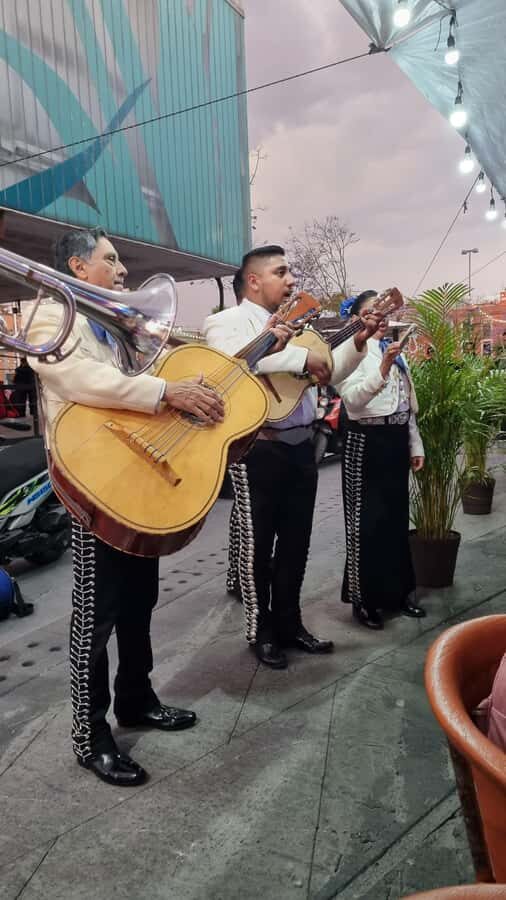
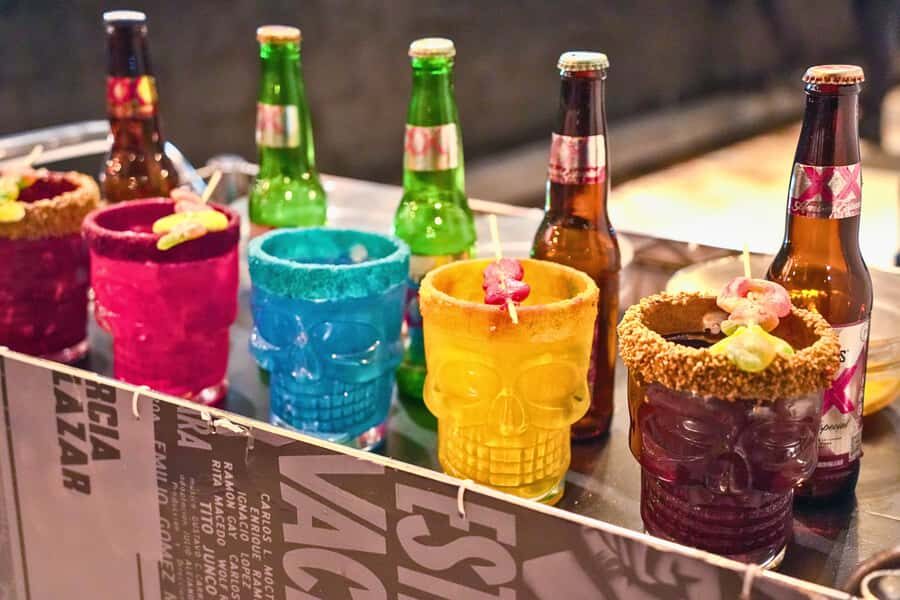
The tour starts with spirits in a traditional cantina setting. You’ll try typical drinks like tequila and mezcal, and the guide explains the cultural role behind them—so the tasting feels like part of the story, not a stand-alone stop.
From there, the tour shifts into lucha libre context. You’ll hear why the mask is treated as sacred, and how wrestlers become legends through persona, performance, and tradition. It’s the kind of background that changes what you see later, because you start recognizing the characters and rivalries as more than just “random matches.”
A fun detail from the guide style: some nights include playful Spanish language moments (think cheers and even a few spicy phrases) that help you join the crowd’s energy once you’re inside. No one is grading your vocabulary—just show up ready to laugh and participate.
The Centro Histórico walk: murals, wrestling shops, and street-level Mexico
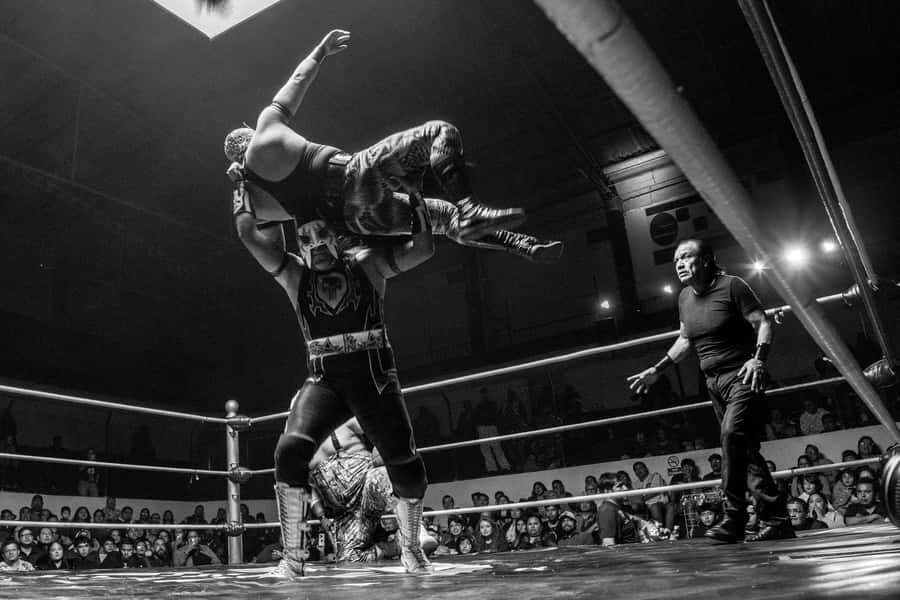
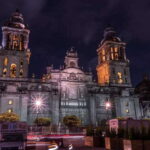
After the cantina, you move into a guided walking tour of Mexico City’s historic center. This is where the evening gets grounded. You’re not just moving between landmarks—you’re learning what to look for on the street: murals, themed stores, and the general buzz of the Centro at night.
This walk also connects directly to lucha libre. The guide points out places that sell wrestling gear and related memorabilia, and you’ll get a quick sense of how deep the fandom runs. Even if you’re not a die-hard wrestling fan, it helps you understand why the arena crowd is so loud and proud.
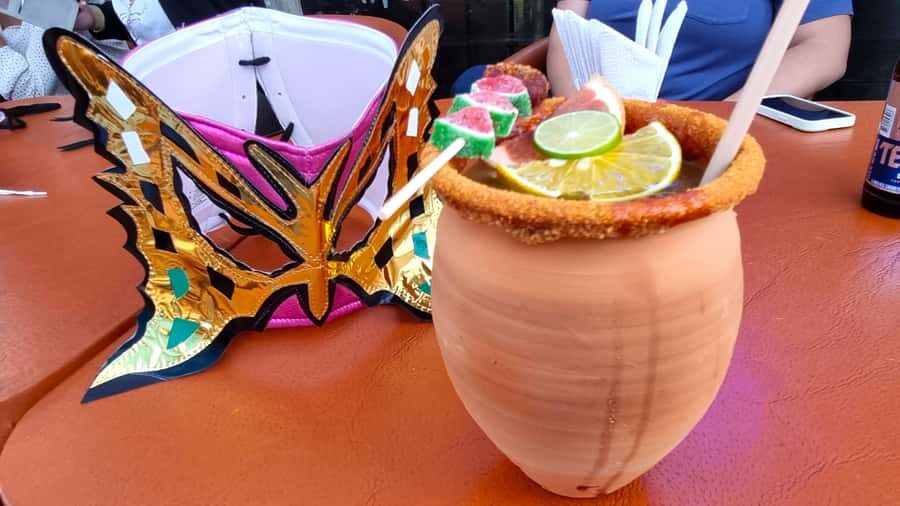
You’ll also have options to stop for additional tastes during the stroll. You may be able to try pulque and traditional tacos at places along the way. The key catch: food and drinks at those cantina or taquería stops aren’t included in the standard price—so if you want to snack, have some cash handy.
Practical tip: keep your spending simple. Decide early whether you want pulque or tacos, then budget for that only. When you’re in a lively area, it’s easy to get swept into extra purchases.
Arena transfer: how you’ll reach Arena México or Coliseo
The night culminates in one of Mexico City’s best-known lucha libre venues. Which one you go to depends on the day: Arena México runs on Tuesdays, Fridays, and Sundays, while Arena Coliseo is the Saturday destination. The experience is the same in both arenas, so you’re not choosing between “good” and “better,” you’re choosing between venues and crowd vibes.
Getting there is handled in a practical way. On Tuesdays, Fridays, and Sundays, the tour uses Metrobus transportation because the arena is too far to walk comfortably. On Saturdays, Metrobus transportation isn’t available on the tour, so you may do more walking as part of the transfer.
Either way, the tour helps you avoid the biggest hassle of arena nights: figuring out directions and where to stand in line. You’ll also skip the ticket line, which is a big deal when you’re arriving in a hurry.
What “no cameras in the arena” really means
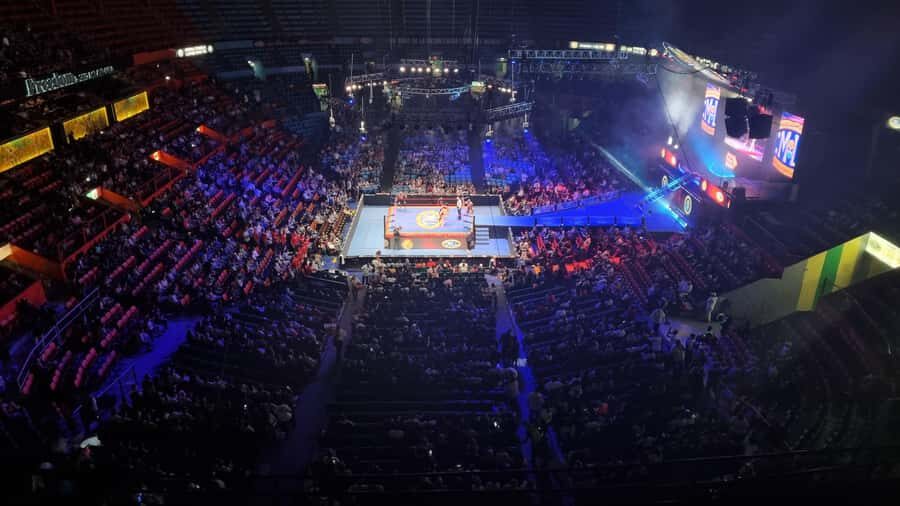
Inside the arena, the show is fast, loud, and full of motion. That’s part of the magic. It’s also exactly why the camera rule matters.
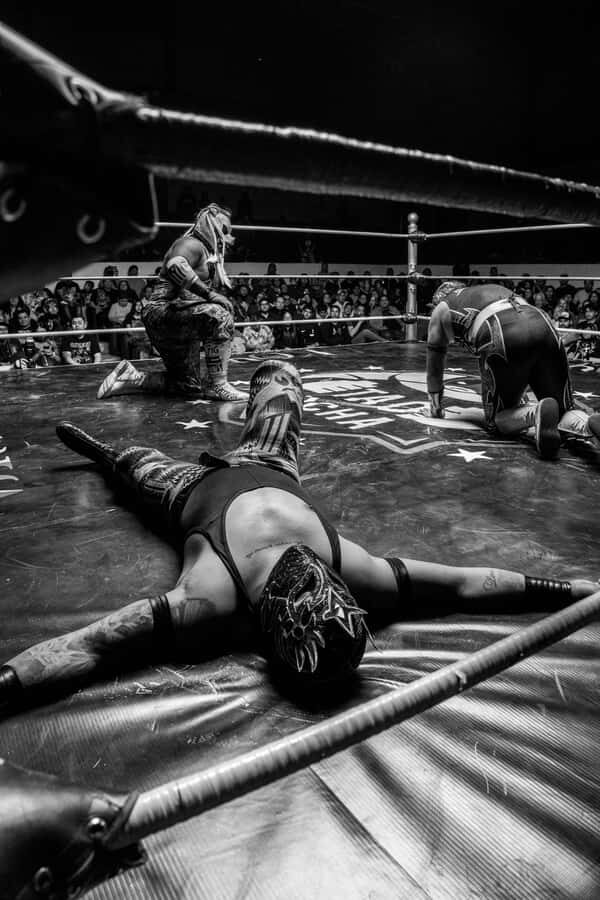
Cameras aren’t allowed inside the arena, so don’t plan on filming the main events. You’ll want to rely on your senses instead: sound, light, crowd reaction, and the theatrics of the wrestlers.
If you care about photos, plan for two realities:
1) you may have the chance to capture things outside the arena, and
2) the inside moments will be hands-off and memory-based.
This is one reason the guided pre-show context is so valuable. When your eyes can’t be glued to a screen, you’ll pay attention to what the guide helped explain: masks, roles, and the rhythm of rivalries.
You can also read our reviews of more evening experiences in Mexico City




The live lucha libre show: the noise you came for
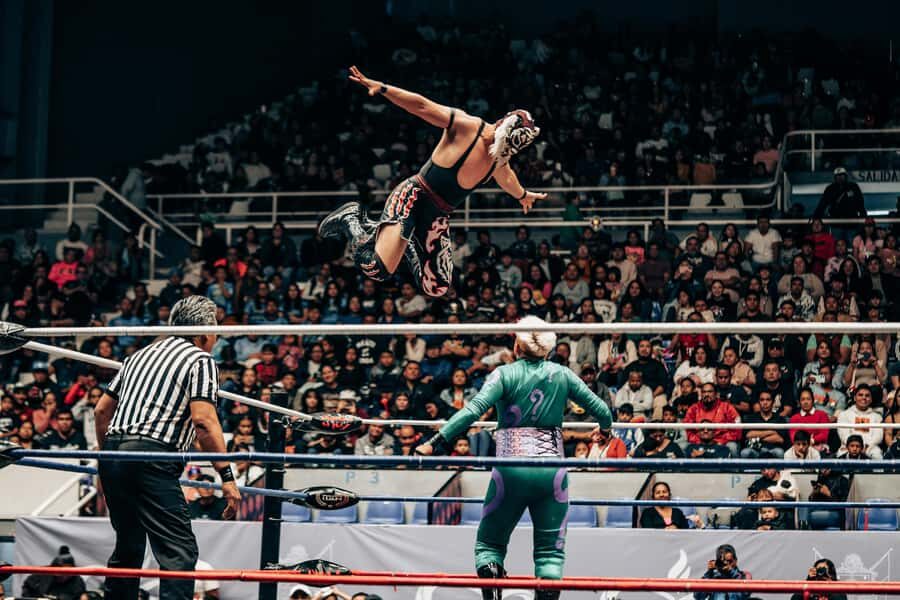
Once you’re seated, you’ll see a full live lucha libre event with intense rivalries, loud cheers, and dramatic performance. Expect acrobatics, big character moments, and the kind of crowd involvement that makes you feel like part of the show.
The show isn’t a slow documentary-style presentation. It’s theater with athletic risk, and it moves. A key expectation: the arena is noisy enough that any subtle match storytelling can be hard to catch during the action. That’s normal. I’d treat the guide’s context as your “decoder ring” for the parts that stand out once the match starts.
Another thing that surprised some people in this kind of evening: the crowd’s humor and interaction. Guides often help you get the hang of how to react, so you don’t feel like a mute observer.
In short, think less about understanding every technical detail, and more about experiencing the spectacle the way locals do.
Price and value: why $68 can make sense
At about $68 per person for a 4-hour evening, the value mostly comes from what you’re getting bundled together.
Here’s the math that matters:
- Ticket included for the live lucha libre show
- Guided tastings (typical drinks like tequila and mezcal, plus pulque as part of the experience)
- Guided walking tour through the Centro Histórico
- Arena entry support like skipping the ticket line
- Metrobus transportation on some days
- In the All-Inclusive option, you may also get tacos and a fighter mask souvenir
That bundle is the point. Without a package, you’d be paying separately for transportation, drinks, a guide to explain what you’re seeing, and arena logistics like entry and seating help.
Two cost notes to keep you comfortable:
- Food and additional drinks at stops during the walk aren’t included unless you choose an option that specifies tacos.
- Tour pricing may vary depending on the specific function (for example, Función Estelar), so check what evening you’re booked into.
Who should book this Mexico City night
This tour is a great match if you want a cultural night that’s active and social. It works well for:
- couples and small groups who want something more memorable than a standard sightseeing evening
- travelers who like guided context, especially for traditions like masked wrestling
- people who enjoy trying local drinks in a real setting, not a packaged tasting room
It’s less ideal if you:
- need quiet, calm experiences (the arena is loud by design)
- want lots of photos inside (cameras aren’t allowed in the arena)
Age note: it isn’t suitable for children under 12, and wheelchair users aren’t suitable based on the tour’s setup.
Should you book Mexican Evening, Lucha Libre and Tequila?
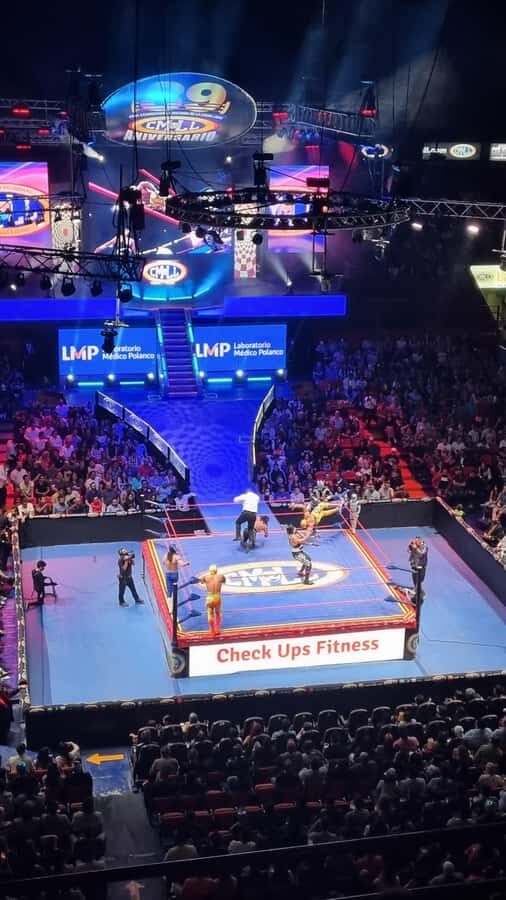
If you want one night in Mexico City that blends drinks, street culture, and a true local spectacle, I’d say book it. The strongest reason is the combination: tasting first with explanation, then walking through themed Centro streets, then finishing with a live arena show you’re actually prepared to enjoy.
Do it especially if you care about the meaning behind the masks and the traditions, not just the match clips. Just go with the right expectations: no cameras inside, food might cost extra unless you choose an option that includes it, and the show runs on crowd energy more than on quiet narration.
If your schedule fits one of the show days, this is a fun, efficient way to spend an evening where locals don’t treat lucha libre like background noise.