REVIEW · MEXICO CITY
Mexico City: Jewish Presence
Book on GetYourGuide →Operated by Mex at Max - Mexico City Tours · Bookable on GetYourGuide
Jewish Mexico has a hidden backbone. This 3.5-hour walking tour traces arrivals from 1519 through Inquisition-era persecution, then lands in today’s synagogues around the Great Temple Bridge area. I like that the story is anchored to real corners and real buildings, not vague dates.
I especially like two things: you get a sitting-down intro with a 700-years-ago city orientation, and you also get to see how the community changes across time—three waves of arrival—using the city itself as your timeline. The guide’s explanations connect law, economics, and migration, so the history feels human.
One drawback to plan for: it’s not made for kids or for anyone with mobility needs. The tour isn’t suitable for children under 18, wheelchair users, or people with mobility impairments, and you’ll be on your feet for much of the walk.
In This Review
- Key things to know before you go
- Meeting at Librería Porrúa by the Great Temple Bridge
- Patio Norte and Catedral Metropolitana: When power and belief sit close
- San Ildefonso: A former college that sets the learning tone
- The Synagogue visit: Tracking three waves and seeing modern survival
- The Palace of the Inquisition: Hidden messages and targeted persecution
- Loreto Park and the oldest synagogues: How the second wave reshaped the map
- From tailors to textiles and jewelry: Jewish capital and Mexico’s economy
- Reformation, secular laws, and the fight against anti-Semitism
- WWII rescue and the 1970s quiet abandonment of synagogues
- What you get for $89 and who this tour fits best
- Should you book this Mexico City Jewish Presence tour?
- FAQ
- FAQ
- How long is the Mexico City Jewish Presence tour?
- How much does it cost?
- Where do we meet?
- What time does it end?
- What language is the tour in?
- What locations are included?
- Are entrances included?
- What should I bring?
- What photos are allowed?
- Is it suitable for children or wheelchair users?
- What’s the cancellation policy?
Key things to know before you go
- A tight timeline from 1519 to the 1970s using major downtown landmarks
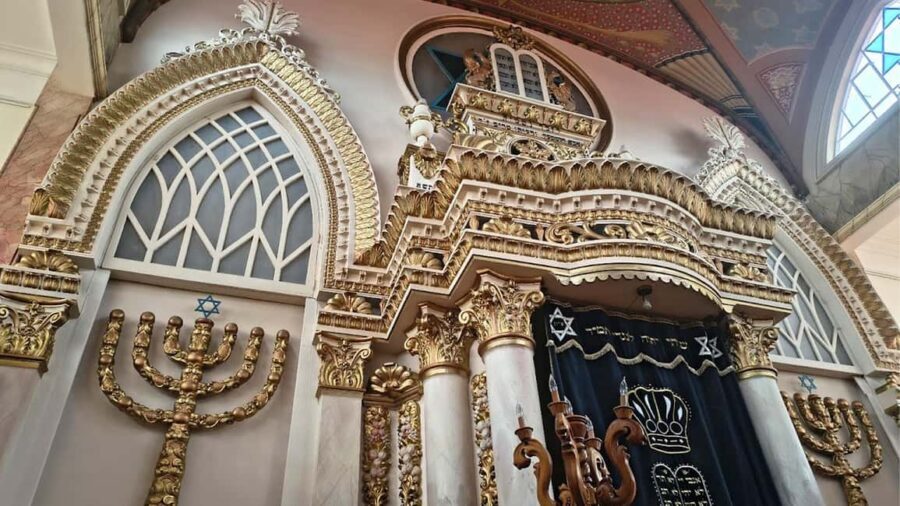
- Synagogue time included, with a guided visit and clear context for what you’re seeing
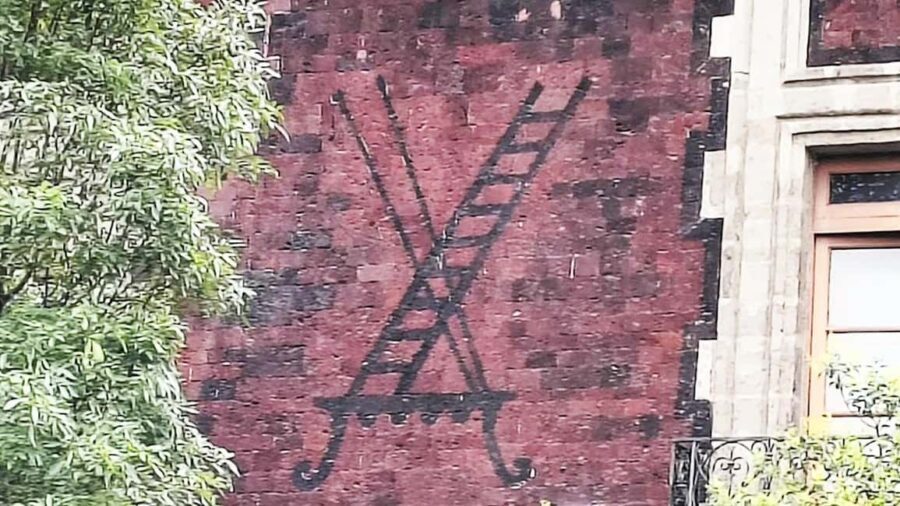
- Inquisition-era sites, including the Palace of the Inquisition and its story of hidden messages
- Loreto Park and the second wave, tied to Eastern Europe and other migration routes
- Jewish trades to financial power, from tailors and seamstresses to textiles and jewelry
- Practical comfort matters: closed shoes, sun protection, and patience for walking
Meeting at Librería Porrúa by the Great Temple Bridge
This is the kind of tour where you start in the right place and it makes the rest click. You meet outside a white building on República de Argentina 15, across Justo Sierra Street from the northern entrance to the Aztec Great Temple Bridge. Find the main door under the big sign that says Librería Porrúa—#15 is the one you’re looking for. The guide keeps you on the right entrance, so you’re not playing door-lottery.
Right away, you’ll do a sitting-down intro chat with views over the Great Temple area. It’s a smart setup because you’re learning how Mexico City formed—about 700 years ago—before you start talking Jewish arrivals in 1519 CE. When history starts with the physical city, the later stops don’t feel like disconnected sightseeing.
You’ll also get your bearings about geography that matters to the story: you’re in the zone where you can see the Catholic cathedral and a Protestant church nearby, plus the Historic Synagogue area in the wider neighborhood. That contrast—faiths side by side—helps you understand how a community survives and adapts when power and politics keep shifting.
You can also read our reviews of more city tours in Mexico City
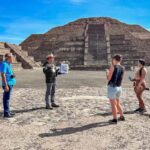

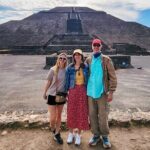
Patio Norte and Catedral Metropolitana: When power and belief sit close

The first big stop is Patio Norte, where you’ll spend about 45 minutes. This is time well used. Instead of rushing, you get to orient yourself in the downtown core and start seeing how the city’s layout mirrors the sweep of centuries—arrivals, rules, persecution, and survival.
From there you move to Catedral Metropolitana de México, also about 45 minutes. This isn’t just about architecture. You’re using the cathedral’s presence to understand the pressure of state-backed religion during periods like the Spanish Inquisition era. The tour’s framing helps you notice the difference between official religion and lived community life.
What I like here is that you’re not forced into a single theme. The guide’s story moves between faith and bureaucracy—how policies shaped where people could live, work, and worship. That makes the cathedral stop feel like a historical document, not a photo op.
A small consideration: you may be doing lots of standing and walking in bright downtown sun. Bring the sun hat and sunscreen you were told to pack, and skip flip-flops.
San Ildefonso: A former college that sets the learning tone
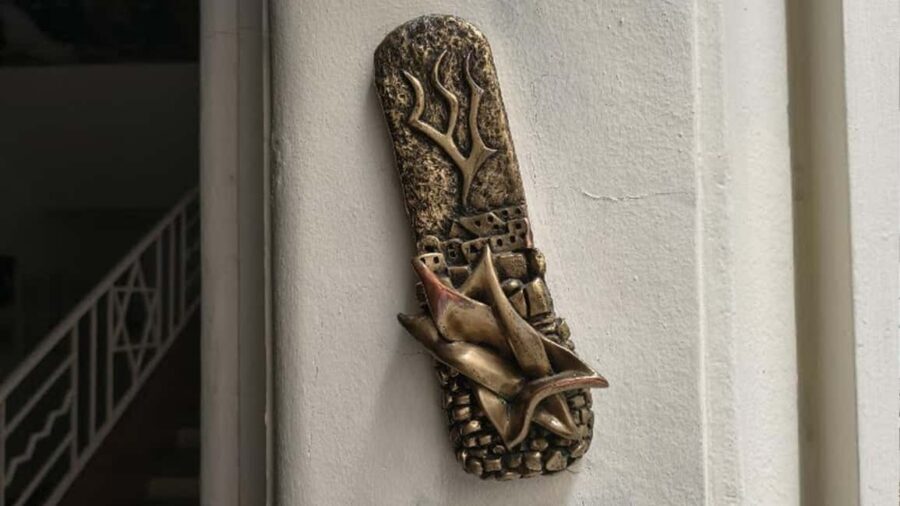
Next up is the former College of San Ildefonso for about 30 minutes. Even if you’ve seen big Mexican institutions before, this stop works because it prepares your brain for the tour’s main skill: turning buildings into meaning.
The guide uses early Mexico City as the stage where the Spanish Empire became the economic center, controlling territories across Asia, North America, and the Caribbean. That empire-building matters, because it’s what brought merchants, wealth, and attention. In that setting, the Jewish presence isn’t a side plot—it’s part of the story of trade, money, and who gets blamed.
You’ll also hear how the narrative shifts when political and religious rules shift. That’s one reason I like this stop: it’s a reminder that the city is always teaching. Today it’s a space you visit. In the past, it was meant for formation, learning, and authority.
If you’re the kind of traveler who hates waiting in line for “one more landmark,” this stop won’t feel like padding. It’s included because it helps you read the next chapters with more clarity.
The Synagogue visit: Tracking three waves and seeing modern survival
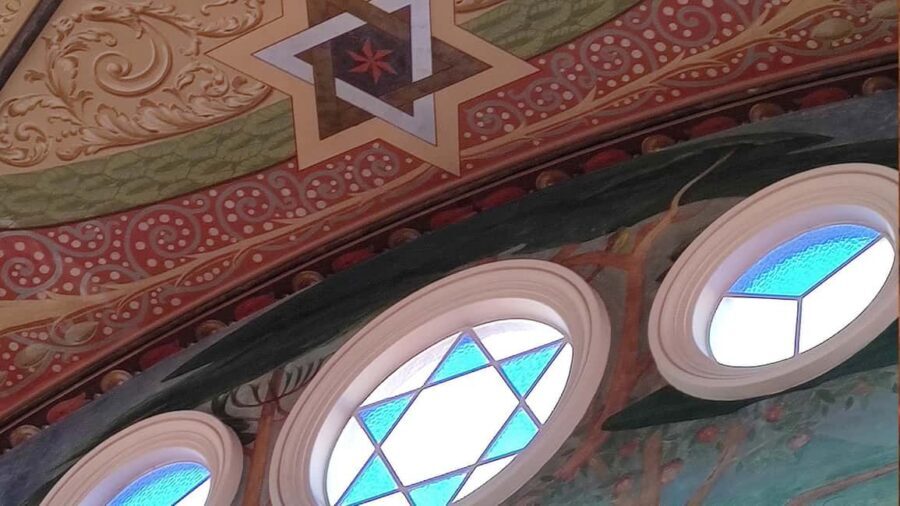
The heart of the day is the synagogue portion—about 45 minutes with a guided tour. This is where the history becomes physical. You follow the Jewish arrivals in a then-and-now sweep: from early arrivals and tragic fates into the long arc of a community surviving in what became a modern, more secular country.
The tour centers Jewish arrivals across three waves, and the synagogue visit is used to connect those waves to what you can still see. You learn how the community grew and how they built places of worship that reflected both endurance and adaptation.
One thing to watch: photography rules in sensitive religious spaces. You’ll be told no flash photography, which is respectful and also protects the atmosphere inside. If you’re used to snapping quickly for Instagram, plan on slowing down.
Also, if you love comparisons, this stop does something clever: it connects Jewish immigration and survival in Mexico City to broader immigrant patterns you might recognize from places like New York. The point isn’t to force a match. It’s to show the common themes—acceptance, exclusion, and the way communities rebuild with work, faith, and networks.
The Palace of the Inquisition: Hidden messages and targeted persecution
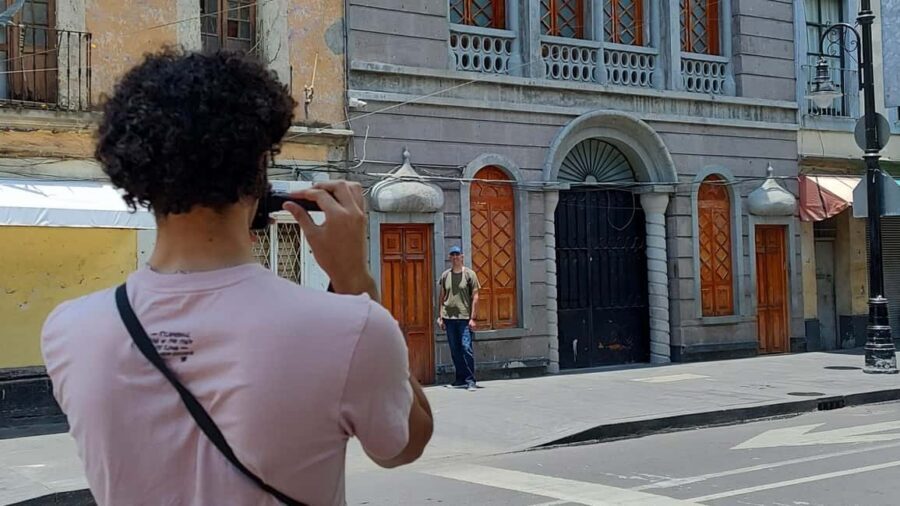
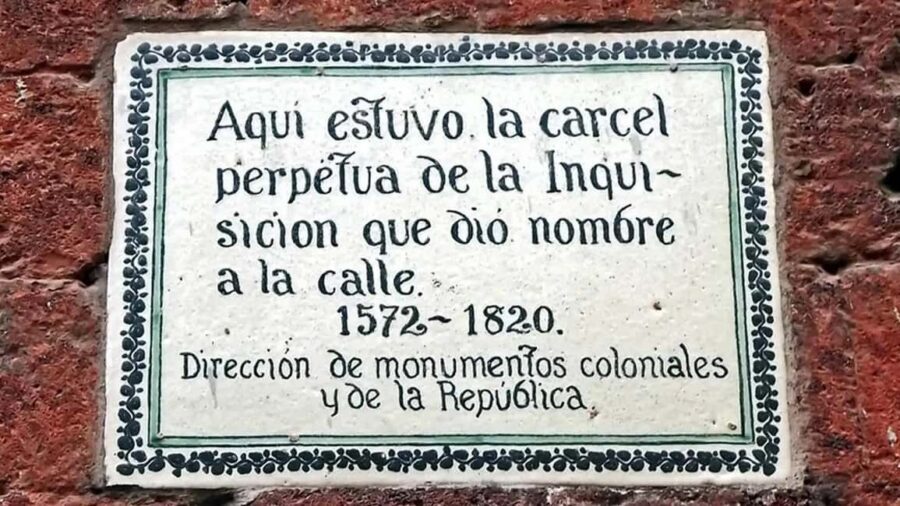
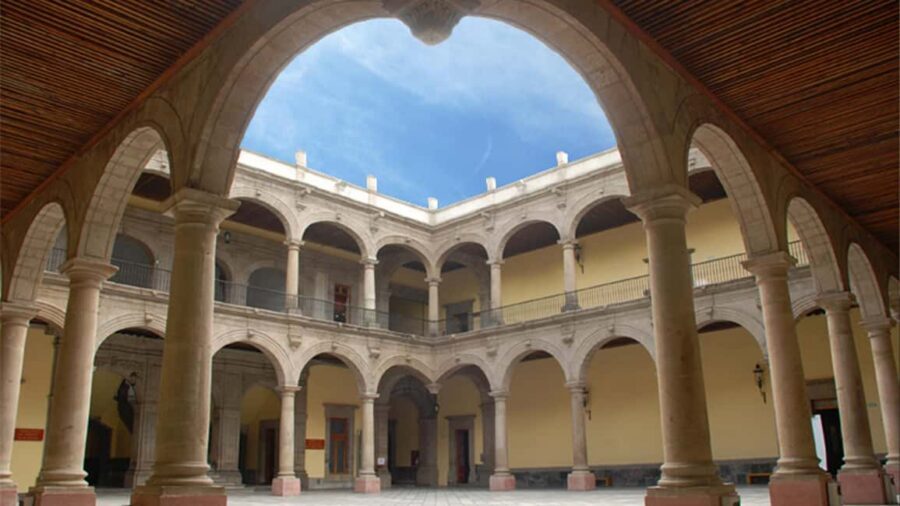
Then you head to the Antiguo Palacio de la Santa Inquisición for about 45 minutes. This is one of the stops where the tour’s storytelling style really matters. The guide talks about persecution tied to the Spanish Inquisition and what it meant for Jewish people—especially traders and merchant communities.
What stands out in the tour description is the idea of hidden messages connected to persecution. You’re not just hearing abstract cruelty; you’re meant to recognize how the past sometimes leaves traces in the built environment—messages, symbols, and structures that shaped fear and control.
The tour’s timeline makes this stop hit harder. You start from the arrival of Jews in 1519 CE, then you’re led through the tragic fate at the stake, and into the long centuries where the Inquisition system targeted people repeatedly. That sequence prevents the stop from feeling like a generic “dark history” stop. It becomes a story with causes and consequences.
A practical note: this is an indoor or semi-indoor architectural site experience where you may need to keep your voice down and follow instructions closely. The tour also explicitly bans food and drinks, and you’ll want to keep your hands free for photos if allowed (with no flash).




Loreto Park and the oldest synagogues: How the second wave reshaped the map
Later, you shift to Loreto Park, which matters because it’s tied to the end of the 19th-century settlement pattern. This is where the tour explains the second wave of Jewish immigrants coming from places like Eastern Europe and within the Ottoman Empire, and also the people who weren’t accepted at Ellis Island. That immigrant detail matters because it gives context for why certain communities formed where they did.
This is also the part where you see two of the oldest synagogues in the area, and you visit one of them. Seeing synagogues in two close clusters helps you understand community geography: how people chose locations for safety, proximity, and shared life.
I like that the tour doesn’t treat this as a museum timeline only. It frames the story as ongoing survival—how laws and civil change eventually opened space for immigration and community life. In other words, the synagogue stop isn’t just “look at this.” It’s “this is what allowed people to keep living.”
If you’re trying to plan your Mexico City day around multiple neighborhoods, remember that this tour is a walking-focused format. You’ll want comfortable shoes that can handle uneven downtown sidewalks.
From tailors to textiles and jewelry: Jewish capital and Mexico’s economy
Here’s where the tour gets unexpectedly practical and, honestly, more interesting than a lot of history walking tours. The guide connects social life to economic power. You learn about how Jewish residents progressed from tailors and seamstresses into textile and jewelry industries, and how that work helped establish Mexico’s financial system, with Jewish capital playing a major role.
That’s a valuable angle because it avoids a one-note story of persecution. Yes, there’s tragedy and threat. But you’re also seeing what people built: skills, businesses, and financial networks that supported community growth.
This matters to you as a traveler because it explains why Jewish presence wasn’t only about worship. It was also about labor, entrepreneurship, and integration through economic contribution—until politics or ideology pulled the brakes again.
If you’re the kind of visitor who cares about present-day Mexico City, this part can change how you interpret what you see. It makes downtown commerce and architecture feel like chapters in a larger social story.
One consideration: since this is an explanation-heavy segment, pay attention to details about how the legal system shifted. The tour’s argument is that secular change didn’t appear out of nowhere—it came from major political transformations.
Reformation, secular laws, and the fight against anti-Semitism
The tour covers the turning points that changed Mexico’s direction. It shares how the laws and civil conflict of Reformation transformed Mexico into a more secular state, creating space for new immigrants. Then it moves to a later period where anti-Fascist resistance helped cancel the first anti-Semitic convention.
That political arc is important because it shows that protection and danger can both be produced by policy. You’re not relying on fate alone. You’re learning how governments and movements act—sometimes to reduce harm, sometimes to increase it.
I like that this isn’t told as a straight-line morality story. The guide places Jewish history alongside the big political currents of Mexico, so you understand the cause-and-effect.
If you’re visiting someone for the first time and they ask why this matters, this segment gives you a ready answer: immigrant communities survive best when systems allow stability, education, work, and worship without constant threat.
WWII rescue and the 1970s quiet abandonment of synagogues
Near the end, you get two closing chapters that bring the story into the modern city. First, the tour explains Mexico’s rescue of Jews during World War II. That section matters because it shows Mexico as an active player, not just a distant location where things happened.
Then comes the shift in the 1970s, when Jewish families left these synagogues as they migrated to more affluent areas of the city. The effect is subtle but powerful: sacred places can fall quiet even when the community survives elsewhere.
This final framing gives you a realistic sense of how communities change. Neighborhoods evolve. Families move. Institutions either adapt or become memory. Walking away, you’re left with the question: how many other cities hold similar stories in their streets without advertising them?
What you get for $89 and who this tour fits best
At $89 per person for about 3.5 hours, this isn’t priced like a quick “see the sights” stroll. You’re paying for an expert host, plus entrance to every open public or private location included in the route that doesn’t require reservations or tickets.
The value is in the structure: a guided narrative that uses major landmarks to explain Jewish arrivals, persecution, adaptation, and community growth. This is the kind of tour where each stop earns its spot by answering the question, so what? Why this building. Why this street.
This tour fits you if:
- You’re interested in Jewish history in Mexico City with a timeline that reaches today
- You like walking tours that explain politics, economics, and religion together
- You want to see synagogues and learn what you’re looking at
It’s not the right fit if you need wheelchair access, have mobility impairments, or you’re traveling with kids under 18.
Also, take the practical packing tips seriously. No sandals or flip-flops, and plan for bright sun.
Should you book this Mexico City Jewish Presence tour?
I’d book it if you want something more than sightseeing: a focused, narrative walk that connects synagogues, Inquisition sites, and the changing legal climate into one story. The guide name Carlos comes up repeatedly in recent feedback, and the pattern is consistent: strong explanations, strict attention to proven facts, and patient answers.
Skip it if your priority is short and easy. This is a history-forward walk with meaningful stops, and you’ll want comfortable shoes and the stamina to keep moving. If you’re okay with that, you’ll leave with a clearer picture of Mexico City as a place where communities arrived, survived, worshipped, built businesses, and still changed with the times.
FAQ
FAQ
How long is the Mexico City Jewish Presence tour?
It lasts about 3.5 hours.
How much does it cost?
The price is $89 per person.
Where do we meet?
You meet outside a white building across Justo Sierra Street from the northern entrance to the Aztec Great Temple Bridge. Meet under the main door marked #15, with the Librería Porrúa sign above it.
What time does it end?
It finishes at Justo Sierra 71.
What language is the tour in?
The tour is in English with a live guide.
What locations are included?
You’ll visit stops including Patio Norte, Catedral Metropolitana de México, the Former College of San Ildefonso, a synagogue guided tour, and the Antiguo Palacio de la Santa Inquisición, plus other mentioned sights during the route.
Are entrances included?
Yes, entrance to the open private or public locations included in the experience is part of the tour, as long as they do not require reservations or tickets.
What should I bring?
Bring comfortable shoes, a sun hat, and sunscreen.
What photos are allowed?
Flash photography is not allowed.
Is it suitable for children or wheelchair users?
No. It’s not suitable for children under 18, wheelchair users, or people with mobility impairments.
What’s the cancellation policy?
You can cancel up to 24 hours in advance for a full refund.