REVIEW · MEXICO CITY
Medellín Market Tour, Cooking Class and 3-course Mexican Feast
Book on Viator →Operated by Martaja - Market tours and cooking classes in Mexico City · Bookable on Viator
You’ll learn Mexican food the hands-on way. I love the small group of up to eight and I love that recipes get emailed after class. One heads-up: the kitchen building has no elevator, so stairs are part of the deal.
This is built as a smooth food day: a focused market walk at Mercado de Medellín in Roma, then a small-group cooking class back at the chef’s Condesa home, and finally a sit-down 3-course meal with drinks. You make tamales and tortillas, cook your way through mole options, and end with dessert plus Mexican wine and/or mezcal.
In This Review
- Key highlights worth planning for
- Roma’s Mercado de Medellín: where flavors start
- Small-group cooking at a Condesa home (not a classroom)
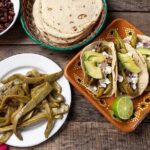
- Tamales, mole, and tortillas: what you’ll actually make
- Tamales: two starter paths
- Mole: one menu choice, big flavor payoff
- Tortillas: the quiet win
- Mole history and the Spanish influence you can taste
- The meal: drinks, dessert, and a proper table to end on
- Price and value: is $155.23 worth it?
- Dietary needs, cats, and spice level reality checks
- Practical tips so you have an easy day
- Who this is best for (and who might skip it)
- Should you book this Medellín market and Mexican feast?
- FAQ
- How long is the Medellín market tour and cooking class?
- What is the group size limit?
- Where does the experience start and end?
- Is the tour offered in English?
- What dishes are included in the cooking class?
- Are alcoholic drinks included?
- Will I receive recipes after the class?
- Can the class accommodate dietary needs and accessibility requirements?
- Is there free cancellation?
Key highlights worth planning for
- Mercado de Medellín in Roma Sur with a guided look at ingredients and how Mexican flavors are formed
- Max eight people, so you actually get hands-on time instead of standing on the sidelines
- Tamales + mole + tortillas made from scratch in one half-day style cooking session
- Alcohol included for adults, with Mexican beer, wine, and mezcal offered during the meal
- Recipes sent by email after the class, so you can relax instead of taking notes
- Local herb and ingredient lessons like papalo and epazote, plus tequesquite and more
Roma’s Mercado de Medellín: where flavors start
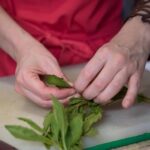
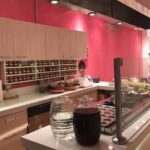
The day kicks off with a market walk at Mercado de Medellín, located at Campeche 101 in Roma Sur. You’re there for about an hour, but it’s not a wandering tour. It’s a “how Mexican food is built” tour—ingredients, names, and the why behind what ends up on your plate.
What I like about this part is that it gives you a mental map fast. You don’t just buy food; you learn what to look for and why certain staples matter. You’ll see how ancient Mesoamerican ingredients and techniques still show up in modern Mexican cooking, and you’ll also get a clear explanation of how Spanish rule after the 16th century changed ingredients and eating habits across both Mexico and Europe.
If you’re the type who eats Mexican food in restaurants and wonders why each mole tastes different, this market start helps. You’ll pick up context for the spice, the seed, the dried chiles, the herbs, and the base ingredients that shape everything later in the kitchen.
A practical note: markets are lively and sometimes a bit tight underfoot. Wear shoes you don’t mind getting scuffed, and keep your phone handy for photos rather than for scrolling. This is a “watch, learn, then shop” kind of stop.
You can also read our reviews of more shopping tours in Mexico City
Small-group cooking at a Condesa home (not a classroom)
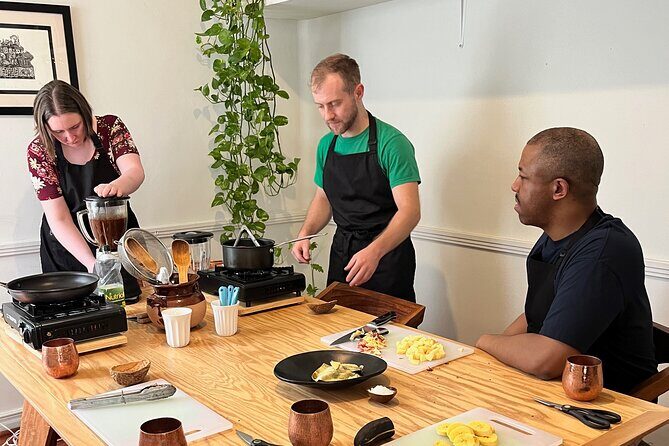
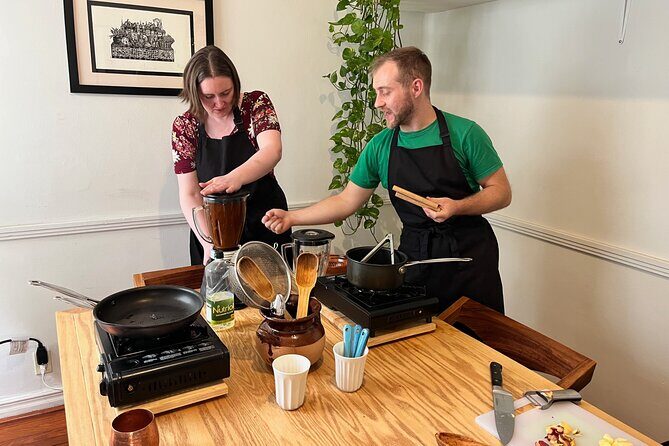
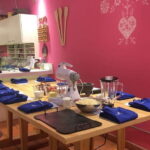
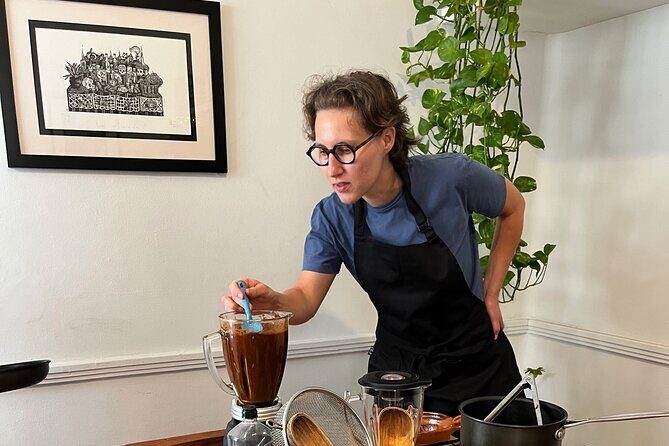
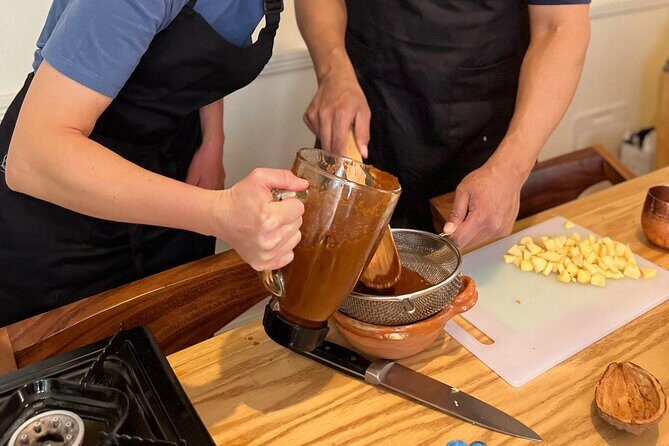
After the market, you head back to the chef/guide’s Condesa home for the cooking portion. This is where the experience becomes more than a lesson. You’ll be making dishes from scratch using fresh ingredients, with guidance the whole way.
The class runs about 3.5 hours, and the setup is designed so you can participate without chaos. With a maximum of eight people, you’ll spend more time with the ingredients and less time waiting for the next instruction. That’s one reason the whole day feels doable even if you’re not a “cook at home” person.
In the kitchen, you prepare a menu built around Mexican classics:
- A tamal starter (green tamal with tomatillo style filling, or corn tamal with a chipotle-style smoky topping)
- A mole main (mole poblano, mole verde, or manchamanteles)
- Fresh corn tortillas
- Dessert, finished as part of the meal
One of the most memorable parts for me is how much you learn while you work. In the kitchen, you don’t just follow steps; you understand how flavors get layered. You’ll talk herbs and ingredients like papalo and epazote—both known for adding sharp, green, almost medicinal flavor notes. You’ll also hear about tequesquite, which is tied to the way certain Mexican recipes get their characteristic taste and texture.
And yes, you’ll get your hands dirty. This is a cooking class where you’re expected to participate.
Tamales, mole, and tortillas: what you’ll actually make
This is the core of the experience, and it’s also where your confidence grows. By the time you sit down, you’ll have tasted multiple versions of Mexican flavor logic: earthy, smoky, bright, sweet-spicy, and herb-forward.
Tamales: two starter paths
You choose which tamal you’ll make:
- Tamal verde (green tomatillo-style filling)
- Tamal de elote (fresh corn tamal) with a smoky red chipotle topping
Either way, you’re getting that classic tamal identity: masa as the base, filling with personality, and the satisfying finish that makes tamales feel like real food, not just “bread with stuff.”
If you’re the kind of eater who thinks corn is simple, this will correct that. Fresh corn masa has a sweet, soft flavor that’s hard to replicate in a restaurant.
Mole: one menu choice, big flavor payoff
You’ll choose one mole option to make:
- Mole poblano
- Mole verde
- Manchamanteles
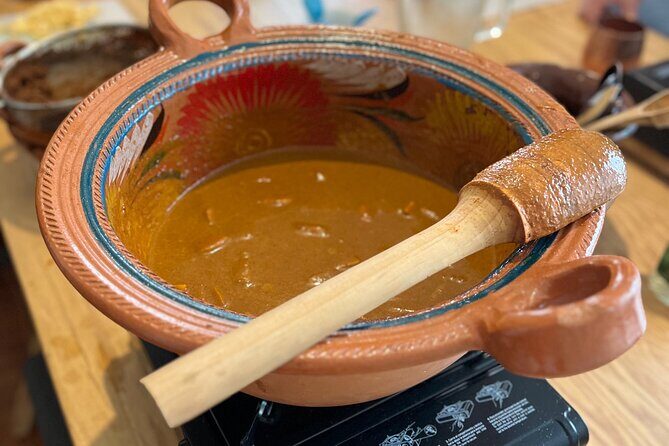
Mole poblano is the classic sweet-spicy direction, often described as rich with chocolate notes and spice depth. Mole verde leans more into brightness with crisp leafy flavors. Manchamanteles brings fruitiness into the equation, which is a big reason mole isn’t one single taste—it’s a style with room for creativity.
From a learning point of view, mole is where you understand layering. You start to see how chiles, spices, and other flavor elements build a sauce that tastes complex, even when the process is straightforward.
A few more Mexico City tours and experiences worth a look
Tortillas: the quiet win
You also make fresh corn tortillas. This sounds basic, but it’s not a throwaway “extra.” Fresh tortillas change how the entire meal tastes. They’re softer, more fragrant, and they bring corn-forward flavor that works with mole instead of competing with it.
You’ll leave thinking differently about what “Mexican food” means. It’s not just dishes. It’s ingredients working together.
Mole history and the Spanish influence you can taste
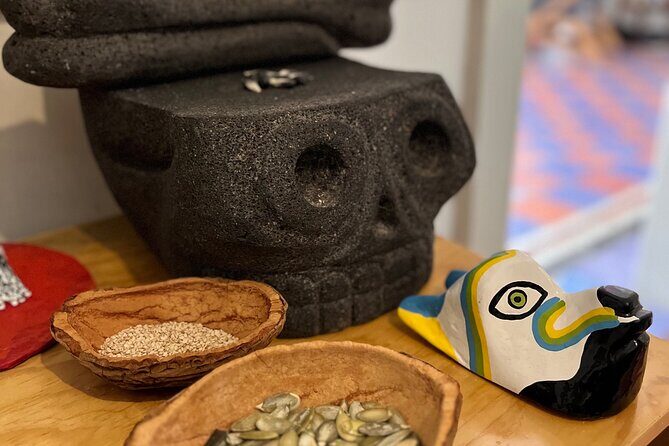
There’s a reason the market walk includes context about history. Mexican cuisine isn’t a static museum piece. It’s a constant remix of indigenous and later influences.
You’ll hear how Mesoamerican ingredients and techniques shaped what became modern Mexican cooking, and how the Spanish conquest in the 16th century shifted food culture. The key idea: change didn’t only come from new tools or new recipes. It came from how ingredients and cooking methods blended.
In practice, that means when you learn about mole and tamales, you also learn why certain flavors make sense. You get a framework for understanding the mix of chile heat, seed and spice character, and the subtle sweetness and thickness that define sauces like mole.
It’s the kind of explanation that makes the food feel less random and more intentional, like each ingredient has a job.
The meal: drinks, dessert, and a proper table to end on
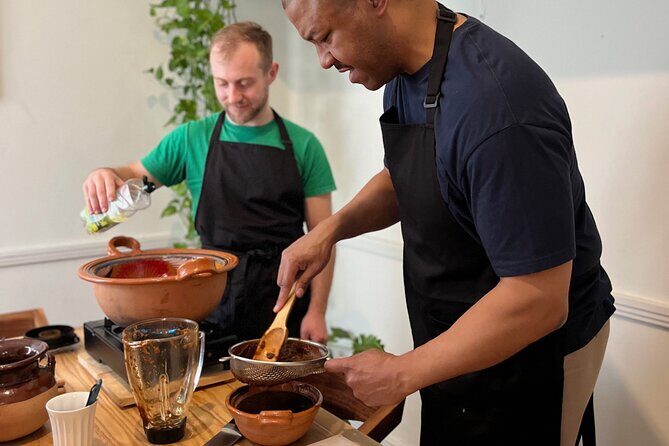
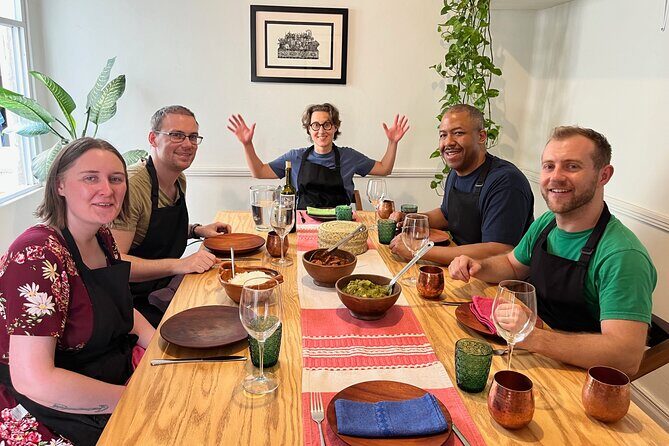
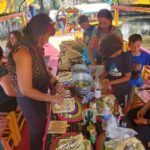
Once you’ve cooked, you don’t eat standing up. You sit down. The table is laid with local linens and artisanal tableware, which sounds like a small detail, but it changes the mood. After you’ve spent hours chopping, mixing, and tasting, you want the meal to feel like a finish, not a break.
You’ll enjoy alcoholic drinks included with the meal for adults—Mexican beer, wine, and mezcal are offered. If you’re under 18, you get traditional local soft drinks instead.
Dessert wraps things up, and recipes get emailed after the class, so you can recreate the dishes later without trying to scribble fast.
In one of the best moments I liked, the chef’s approach was personal and story-driven, tied to honoring “las abuelitas,” the grandmothers who carry recipes forward. In that same spirit, you may also see extras added around the main cooking work—things like cactus salad and lessons on herbs that go beyond what you’d expect from a typical class.
If you’re a foodie who appreciates effort and personality in the kitchen, this part can feel like you’re invited into the meal, not just enrolled in an activity.
Price and value: is $155.23 worth it?
At $155.23 per person for about six hours, this isn’t a cheap quick bite. But it’s also not only “watch someone cook.” You do the cooking, you eat a 3-course-style meal, and you get drinks. You also get instruction that includes market learning, which you usually don’t get for that kind of price.
Here’s why I think it can be good value:
- You’re paying for guided shopping + cooking time, not just a single classroom lesson
- You make multiple dishes, including tamales, mole, and tortillas
- Alcohol is included (for 18+), plus dessert
- Recipes are emailed, which is practical if you plan to cook again later
If you typically pay for a market tour and a separate cooking class, this bundles the experience into one day. The small group size is also part of the value. Eight people max means more hands-on work and more direct help.
Dietary needs, cats, and spice level reality checks
The class can accommodate most dietary requirements. That’s a big plus. Still, because this is a hands-on kitchen, I’d treat allergies as something you clarify early. The setup includes two cats in the house, and that matters if you’re sensitive.
Spice is also worth thinking about. Mole comes with a heat profile, but it’s also sweet and layered. If you’re very sensitive to spice, tell your guide so the instructions and tasting portions can be adjusted. This isn’t only about you surviving the day. It’s about enjoying it.
If you’re bringing a service animal, that’s allowed. For wheelchair users, people have attended before, but the building does does not have an elevator, so plan for stairs.
Practical tips so you have an easy day
A few small choices make the day smoother:
- Come hungry. You’re tasting as you go and then eating a full meal.
- Wear comfortable, grippy shoes. Markets and kitchens both involve standing and moving.
- Ask your guide what to expect. You’ll choose between tamal and mole options ahead of time. Confirm the menu choice if you care about one particular mole style.
- Expect hands-on work. It’s normal to get messy.
- Plan for the emailed recipes. Since you get them by email after class, you don’t need to take notes during every step.
Also, this experience is popular. On average, it’s booked about 16 days in advance, so if you have a tight schedule, don’t wait for the last minute.
Who this is best for (and who might skip it)
You’ll like this tour most if you:
- Want a real cooking class where you participate
- Care about learning how ingredients and history shape food
- Prefer a small group over a big bus-style tour
- Want a meal you can trace back to what you learned in the market
This is less ideal if you hate hands-on tasks, or if you need an elevator for access. The kitchen building has no elevator, and the house has cats.
Solo travelers are welcome, and the group size works well for people who want interaction without feeling swallowed by a crowd.
Should you book this Medellín market and Mexican feast?
Book it if you want an authentic half-day food experience that goes beyond eating. I like that you start in the Mercado de Medellín area, learn why ingredients matter, then cook those flavors yourself at a Condesa home. The combination of tamales, mole, tortillas, and drinks makes it feel like a full cultural meal, not a demo.
Skip it only if accessibility is a deal-breaker for you or if cats and kitchen conditions would be a problem. If those aren’t issues, this is the kind of tour that leaves you with more than memories: you leave with a repeatable cooking plan, because the recipes come by email after the class.
FAQ
How long is the Medellín market tour and cooking class?
It runs for about 6 hours total, including the market time and the cooking and meal.
What is the group size limit?
The class and tour are capped at a maximum of 8 travelers.
Where does the experience start and end?
It starts at Mercado de Medellín #20, Campeche 101, Roma Sur, Cuauhtémoc, 06760 Ciudad de México, CDMX, Mexico, and it ends back at the meeting point.
Is the tour offered in English?
Yes, it is offered in English.
What dishes are included in the cooking class?
You’ll make tamales, a chosen mole (mole poblano, mole verde, or mole manchamanteles), and fresh corn tortillas. Dessert is also part of the meal.
Are alcoholic drinks included?
Yes. Adults over 18 are offered Mexican beer, wine, and mezcal. Others enjoy traditional local soft drinks.
Will I receive recipes after the class?
Yes. Recipes are emailed to you after the class, so you do not need to take notes.
Can the class accommodate dietary needs and accessibility requirements?
Most dietary requirements can be accommodated. Allergy sufferers should be aware there are two cats in the house. Wheelchair users have attended before, but the building does not have an elevator.
Is there free cancellation?
Yes. You can cancel for a full refund up to 24 hours before the experience starts. If you cancel less than 24 hours before, the amount paid is not refunded.