REVIEW · MEXICO CITY
Lucha Libre Experience in Mexico City
Book on Viator →Operated by Estación México · Bookable on Viator
Lucha Libre is louder than you expect. This is one of the easiest ways to understand the sport, because you start with pulque and end inside a real arena for high-energy matches. The tour also gives you a cultural warm-up, so the masks, chants, and show logic make sense fast.
I like that you get a guided experience, not just a ticket: a professional guide is with you the whole time and explains what you’re seeing. I also like the included souvenir touch—each person gets a fighter’s mask—so you leave with something fun and very “CDMX,” not a generic brochure moment.
One thing to consider: the alcohol-focused pulquería stop and the timing mean you’re not sprinting straight to the arena. If you want a quick in-and-out show only, this might feel like a lot before the main event.
In This Review
- Key highlights worth your attention
- Pulque first: the smart setup before the wrestling chaos
- Arena México vs La Arena Coliseo on Saturdays
- Why the guide matters more than you think
- The included fighter’s mask: a souvenir with purpose
- Timing, waiting, and how to not get annoyed
- Seats, sightlines, and what you should expect from the arena
- Food and drinks: alcohol is part of the theme
- Walking shoes, camera rules, and other small but real rules
- Is $68.70 a good value for this lucha libre night?
- Who this tour fits best
- Should you book this Lucha Libre tour?
- FAQ
- How long is the Lucha Libre experience?
- Where does the tour start, and does it end nearby?
- Is the tour offered in English?
- What’s included in the $68.70 price?
- Is the tour adult-only?
- Are there any camera or water restrictions?
- What are the rules if I’m late or need to cancel?
Key highlights worth your attention
- Pulquería La Hija De Los Apaches: a classic pulque tavern stop that sets the mood before the arena
- Pulque + live Latin music: you get a taste of how social and musical these evenings can be
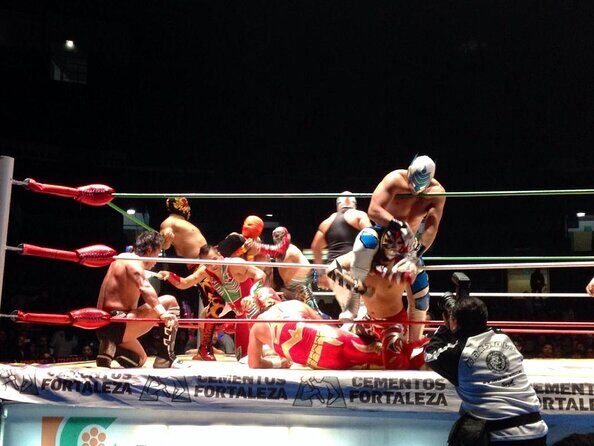
- Arena México as your default: watch lucha libre at a famous arena known for big crowd energy
- Masks in the middle of the story: you learn why wrestlers wear them, then you get a mask too
- Small-group feel: limited group size (and an overall cap) helps the night stay organized
Pulque first: the smart setup before the wrestling chaos
If your goal is to feel like you’re doing Mexico City, not just checking a box, this start works. You begin at a pulquería, Pulquería La Hija De Los Apaches, a long-running kind of spot where people come to drink pulque, listen to music, and socialize. The tour includes a pulque drink, and there’s also Latin live music so you can feel the party atmosphere right away.
Why this matters: lucha libre isn’t only athletic performance. It’s folklore, storytelling, and crowd participation. Starting with pulque helps you catch the vibe of a night out in CDMX, where food, music, and drinks are part of the ritual. You’ll also be in a more relaxed mood before the noise level inside the arena.
There are two versions of the drinking setup: you’ll definitely taste pulque at the pulquería stop, and the overall experience is adults-only and built around an evening drink culture. Some people will love the social energy; others will wish they could move faster. Just go in knowing this isn’t a quiet museum stop—it’s a party atmosphere with a story attached.
You can also read our reviews of more city tours in Mexico City

Arena México vs La Arena Coliseo on Saturdays
After your pulquería stop, the tour heads to lucha libre’s main stage. Arena México is the default, and it’s often described as a cathedral of this spectacle—big stage, loud crowd, and the kind of setting where the masks and characters really pop.
If you booked for a Saturday, you’ll go to the iconic La Arena Coliseo instead. That change is worth noting because arena feel matters. Same sport, different history and crowd rhythm. Either way, you’re set up to watch a full high-octane wrestling show, not just a short segment.
Practical tip: arena days are high-noise, and the pacing can be intense. Plan to treat the wrestling as the main event and let the guide handle the context. Once you’re in the stands, it’s hard to read anything or ask questions, so you’ll get explanations before you need them.
Why the guide matters more than you think
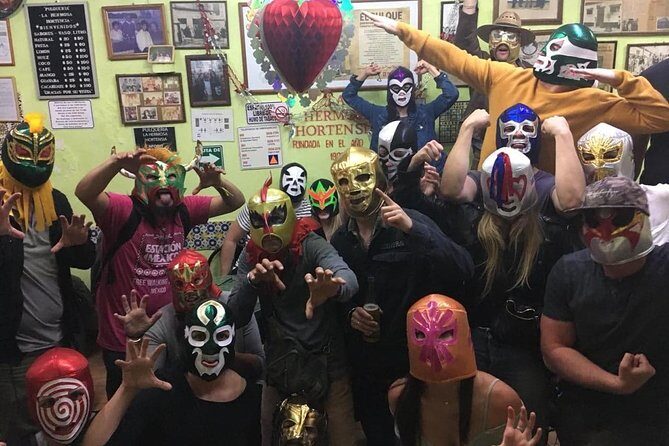
A lucha libre show can feel chaotic if you don’t know how to read it. That’s where the guide earns their spot on the tour. You’re with a professional guide full time, and the focus isn’t only logistics—it’s interpretation.
You’ll learn:
- how the sport developed over time
- why luchadors wear colorful masks
- what makes the characters and chants matter to the crowd
In my view, that’s the difference between watching a spectacle and understanding why people love it. If you’ve only ever seen American wrestling on TV, you might recognize the format, but the cultural layer is what makes this unique.
Also, from what I’ve gathered about guide styles, the best nights tend to come down to energy and timing. Names you may encounter include Alex, Sam, Oscar, Laura, Beto, Luis, Leonardo, Diana, and Maria. The common thread is that the guides are not only pointing you to seats—they’re turning the evening into something you can follow.
If you’re a first-time visitor, that context is gold. If you already know lucha libre, you might still appreciate the mask explanations and the crowd-read tips, because it can change how you cheer.
The included fighter’s mask: a souvenir with purpose
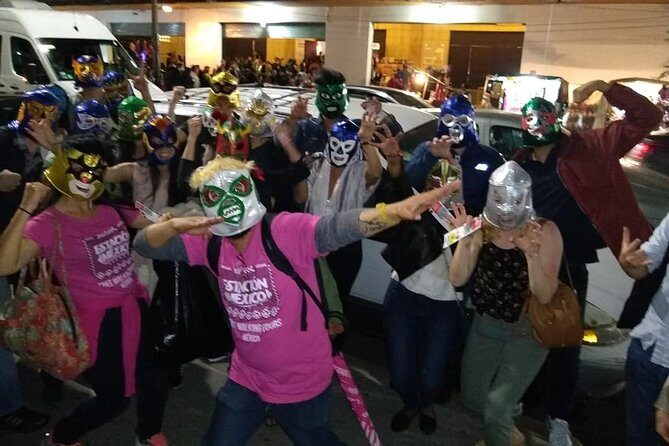
This isn’t a token keychain moment. Every participant gets a fighter’s mask, which you’ll likely use during the photo moments outside the arena and as a fun way to get in the spirit.
Two practical benefits:
- It helps you remember the night in a way a ticket stub can’t.
- It nudges you to pay attention to the role of masks in lucha libre storytelling, because you’ll have your own in hand.
That might sound like a small detail, but it aligns with the tour’s theme: the masks are part of identity, performance, and folklore. When you leave with one, you’re carrying the concept, not just the memory.
Timing, waiting, and how to not get annoyed
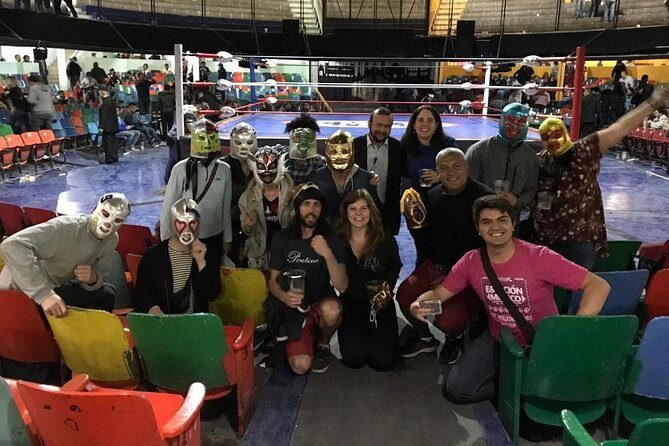
Here’s the part that can make or break your mood: you shouldn’t assume the evening runs like a straight line. The tour includes a pulquería stop first (35 minutes), then the wrestling portion (2 hours). That structure is solid, but Mexico City evenings can also mean traffic and crowd movement.
A few things to plan for:
- You’ll walk between stops, and the area around arenas can be crowded.
- You need to be on time for the meeting point so the group can move together.
- The tour is not a loose bar hop; it requires the group to enter all sites fully within the schedule.
One review-style issue that’s worth paying attention to before you book: some people feel there’s waiting time at the start. If you don’t like waiting in general, you’ll probably be happier if you treat the pulquería stop as the value piece, not a warm-up that slows you down.
And one logistics rule you should take seriously: if you’re late, there’s no refund. The tour also notes that it’s only possible to change the date for a next tour with an available seat. So I’d rather you show up early and enjoy the vibe than risk losing money due to timing.




Seats, sightlines, and what you should expect from the arena
Arena seating can vary, and it’s not always as comfortable as you might imagine. Some people report great energy and good viewing, while others mention seats that were farther back with a roof that partly blocked the view.
Here’s the reality: you’re joining a group with a fixed schedule, and seat assignments depend on what’s available at the venue. The guide can help with navigation and getting you settled, but they can’t magically control the view from the back rows every time.
What you can do to improve your chances:
- Show up on time so you don’t get stuck in the least flexible part of the seating process.
- Bring a flexible mindset. The show is fast, loud, and crowded—most of the fun is the atmosphere, not a surgical view of every move.
Also, note the show itself can include long stretches. If you’re mainly here to catch the biggest moments and you dislike downtime, this tour is still built around entering when the main action is about to start rather than dragging everyone through long early parts.
Food and drinks: alcohol is part of the theme
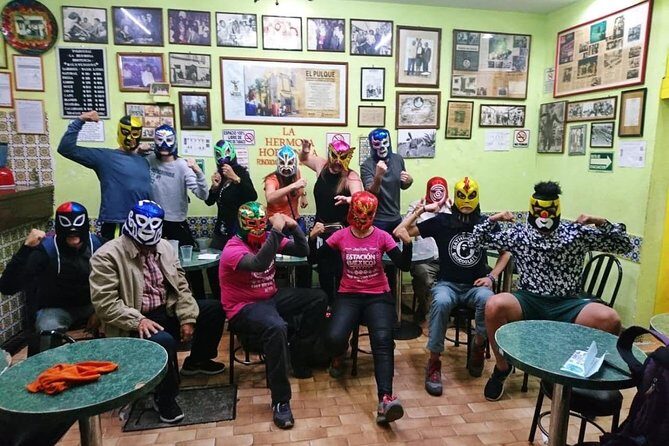
This tour includes a pulque drink and a pulquería experience, and it’s clearly an evening designed for adults. That means the stop can feel more like a social drinking moment than a quick tasting and out.
If you’re the type who eats earlier and wants minimal drinking, plan your strategy before you go. I’d strongly consider eating dinner beforehand, because food options inside the arena can be limited. One guest noted only popcorn available, which tells you this isn’t set up as a full dinner plan.
About water: the tour information says no bottled water. That doesn’t mean you’ll be dehydrated, but it does mean you should follow the rule and not plan to bring a sealed bottle as if it’s a normal walking tour.
Walking shoes, camera rules, and other small but real rules
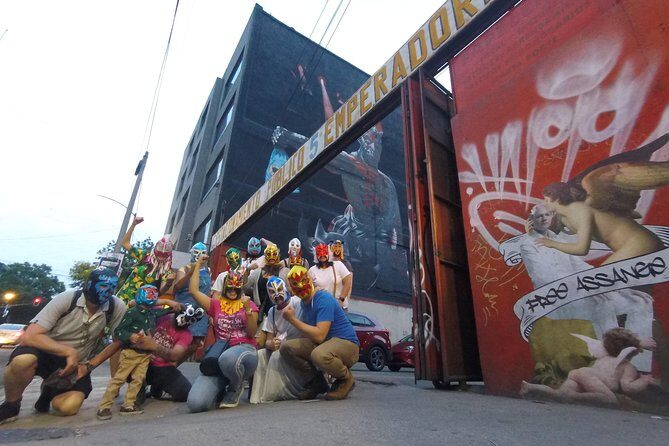
You’ll move between locations, and you’ll be in crowded streets around meeting points and venues. Comfortable walking shoes are a must, especially since you’re standing and moving for an evening stretch.
Camera policy is simple: no professional cameras. If you bring a regular phone or compact camera, you should be fine, but skip the big gear.
Also bring the basics: you’ll need required ID, because the experience is adult-only.
Is $68.70 a good value for this lucha libre night?
Let’s talk money in plain terms. At $68.70 per person, you’re paying for more than a wrestling ticket. You’re also paying for:
- a pulquería tour experience
- a pulque drink
- Latin live music to dance
- a professional guide full time
- a souvenir fighter’s mask
- entry to the lucha libre show
So the value depends on what you would do if you weren’t on the tour. If you’d otherwise wander around alone, figure out the best entry point, and buy tickets without context, this package can feel like a smart shortcut.
But if you’re the type who wants only the match and you don’t care about the pulquería stop, you might feel the price is high—especially if you get far back seating or the pre-show drink vibe doesn’t match your style.
My balanced take: it’s worth it if you want the cultural setup and the guide narrative. It’s less worth it if you treat the pulque/music part as filler.
Who this tour fits best
This works especially well if:
- it’s your first time in lucha libre and you want context
- you like the idea of a lively Mexico City night with music, drinking culture, and crowds
- you want a small-group experience where a guide keeps things organized
It can feel less perfect if:
- you dislike alcohol-centered stops
- you have a strong preference for better seating or perfect sightlines
- you want minimal walking and minimal waiting before the main event
It’s also framed as an enjoyable, social night out. Several guide names come up repeatedly as energetic and funny (Alex, Sam, Oscar, Laura, Maria), which suggests the vibe can skew playful. If you’re hoping for a strict, quiet, history-only museum tour, this is not that.
Should you book this Lucha Libre tour?
If you want a confident first-night plan in Mexico City, I’d book it. The combination of pulque culture, live music, and a guided explanation of masks makes this more than just watching a show. And the included mask and full-time guide are tangible value.
I’d only hesitate if you’re picky about timing, you strongly dislike any alcohol-focused atmosphere, or you’re very seat-visibility focused. If you’re in that category, you might be happier with just buying arena tickets and skipping the pulquería portion.
FAQ
How long is the Lucha Libre experience?
The tour lasts about 3 hours (approx.).
Where does the tour start, and does it end nearby?
It starts at Vips, Av. Cuauhtémoc 19, Roma Nte., Cuauhtémoc, 06700 Ciudad de México, CDMX, Mexico. It ends back at the meeting point.
Is the tour offered in English?
Yes. The experience is offered in English.
What’s included in the $68.70 price?
The price includes a pulquería tour, a pulque drink, Latin live music to dance, a professional guide full time, a fighter’s mask, and the lucha libre wrestling show.
Is the tour adult-only?
Yes. Minimum age is 18, and the tour is adults only. Required ID is also mentioned.
Are there any camera or water restrictions?
No professional cameras are allowed, and bottled water is not included/allowed per the tour info.
What are the rules if I’m late or need to cancel?
If you don’t arrive on time, there is no refund, but you may be able to change the date for the next tour with an available seat. You can cancel up to 24 hours in advance for a full refund.