REVIEW · ISLA HOLBOX
Kayaking Tour Through the Mangroves in Isla Holbox
Book on Viator →Operated by VIP Holbox Experience · Bookable on Viator
The mangroves feel like a living aquarium. Off Isla Holbox, this kayak tour gets you into the calm mangrove channels where birdlife is loud, close, and constant, with your guide steering you toward the interesting plants and animals. I also like that the tour doesn’t just point you at scenery; it helps you read the ecosystem with real-time spotting and short explanations about what you’re seeing.
The second win is the small-group pace (maximum of 7), which makes it easier to slow down and actually notice things instead of rushing past them. One drawback to plan for: the tour includes a return portion in open water where currents can be strong, so you’ll want at least moderate paddling confidence.
In This Review
- Key highlights worth circling on your map
- Where the tour starts, and how to prep like a local
- Entering the mangroves: what two 45-minute paddles feels like
- The mangrove ecosystem: birds, plants, and the small wildlife you can spot
- Crocodiles and flamingos: how season and timing change your odds
- Guides make or break it: what “good guidance” looks like here
- Fitness level and water conditions: what to expect without surprises
- Price and value: is $50.78 worth it for 3 hours?
- Who should book this mangrove kayak, and who should skip it
- Should you book VIP Holbox’s Mangrove Kayak? My call
- FAQ
- How long is the kayaking tour in Isla Holbox?
- What’s the meeting point for this tour?
- Is it good for families and kids?
- What wildlife might I see?
- What should I bring?
- Do I need to be an experienced kayaker?
- Are life jackets provided?
- Is food included?
Key highlights worth circling on your map
- Calm mangrove paddling where you can hear birds and glide quietly through channels
- Wildlife spotting built into the route, including crocodiles, flamingos (seasonal), and lots of bird species
- Small group size (up to 7) for a more attentive guide-to-paddler feel
- Two 45-minute paddling blocks with a rest and water stop before heading back
- Guides with a knack for close observation, including examples like Gustavo, Willy/Willi, Lalo, and Abraham
Where the tour starts, and how to prep like a local
Most runs begin at the VIP Holbox meeting point on Calle Palomino, Av. Caleta Esq, 77310 Holbox, Q.R., Mexico. Depending on the day and how your group is set up, you may be transferred from the meeting area to the kayaks and then returned afterward. A bunch of guides named in feedback (like Gustavo, Willy/Willi, Lalo, and Abraham) led groups with easy, organized flow, including door-to-door service reported by some guests—so if pickup matters for you, ask ahead of time.
Packing for a mangrove kayak is simple, but it’s not optional. You’ll be outside, often in buggy areas, and you’re exposed to sun. Bring:
- a swimsuit (you’ll be happier if you can change comfortably)
- insect repellent
- a hat
- biodegradable sunscreen
- a camera (and/or binoculars if you have them)
If you can, go early in the day. Early runs are repeatedly called out for wildlife and comfort. One group reported starting at 8 am and seeing crocodiles while having minimal mosquito trouble, which tells me timing really matters in this area.
A few more Isla Holbox tours and experiences worth a look
Entering the mangroves: what two 45-minute paddles feels like
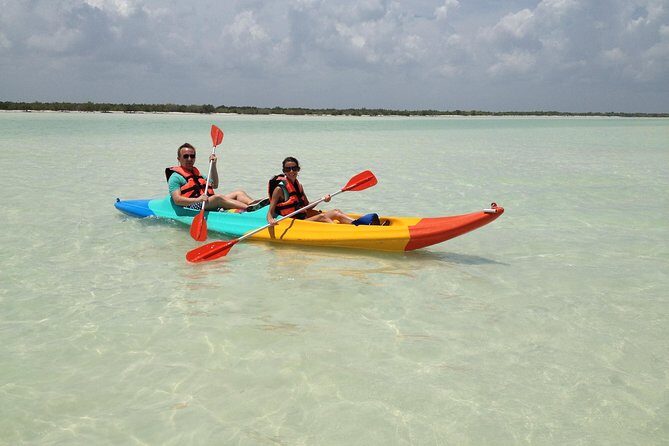
The tour is about 3 hours total, split into two paddling sections of roughly 45 minutes each. Between them, you stop to rest and drink water, then you head back toward the departure point.
Here’s the practical difference between the mangroves and the open water:
- In the mangrove swamps, the water is described as calm and relaxing, with a quiet, almost meditative soundscape. This is where you’ll feel the benefit of a guide who slows you down and tells you what to look for.
- In the final return stretch, some guides lead you across/open-water sections with currents. Feedback is clear that this can turn into work if you’re not used to rowing against flow, and you should expect to paddle even if you’re not doing ocean kayaking every week.
That rest break is key. Even if you’re fit, paddling uses small muscle groups in your shoulders and back. The tour is designed so you don’t exhaust yourself too early, and the second half feels like a “finish the route strong” moment instead of a grind from start to end.
The mangrove ecosystem: birds, plants, and the small wildlife you can spot
The mangroves here aren’t just pretty trees. They’re a whole living system, and you can feel it because the guide keeps you moving at the pace of the wildlife, not the pace of the clock.
What you’re likely to see (and what to watch for):
- bird species along the coast and in the channels
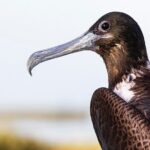
- wading birds such as egrets and herons (reported), plus other coastal birds
- occasional surprises like octopus (reported), sting rays (reported), and plenty of smaller shoreline life
Some feedback gets delightfully specific: people have mentioned roseate spoonbills, ospreys, pelicans, clapper rails, and more. Others noted sand crabs, hermit crabs, and blue crabs close to the waterline. When the guide is on it, you stop thinking of this as “kayaking” and start thinking of it as moving observation.
Also, you’re not expected to be an expert. The value is that you’re not left floating. Guides share pointers about the plants and flora you pass, plus the behavior of birds you might otherwise ignore. On one run, a guide even brought binoculars for better bird viewing, which is a smart upgrade if you’re the type who likes to confirm what you’re seeing.
Crocodiles and flamingos: how season and timing change your odds
This is one of the reasons people book this tour. You’re in the right habitat for animals that like the edges of mangrove waterways.
Crocodiles
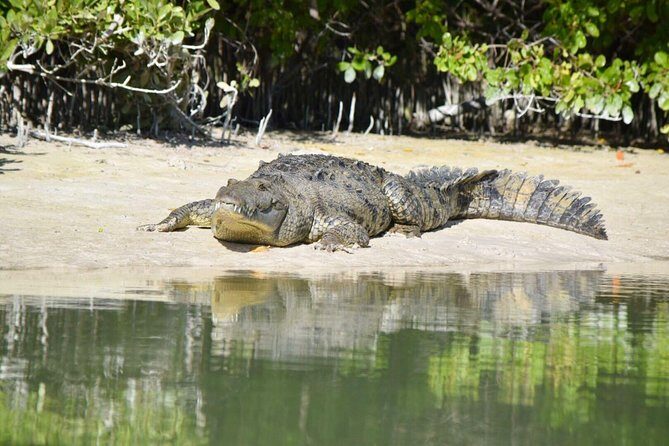
Crocodiles show up often enough that it’s worth planning your day around that goal. Early morning is repeatedly favored for better odds. One report from an early run says they saw five crocodiles basking on the banks. Another early-morning experience mentions finding a crocodile, and at least one group saw multiple crocodiles.
The takeaway for you: if you care about crocodiles, pick the earliest session you can manage.
Flamingos
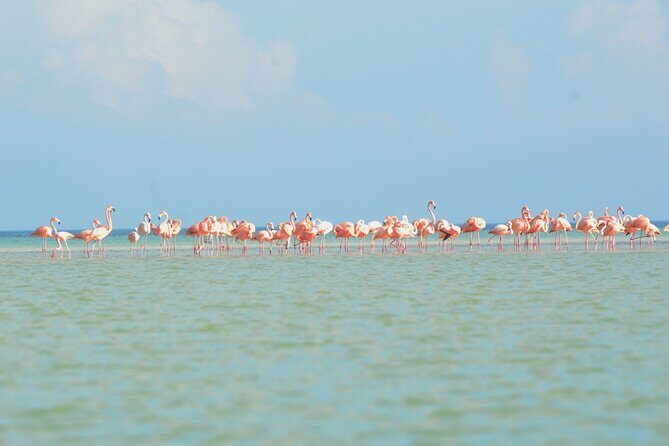
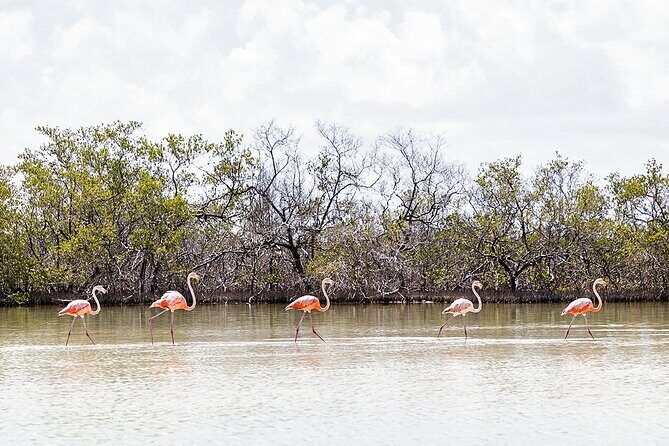
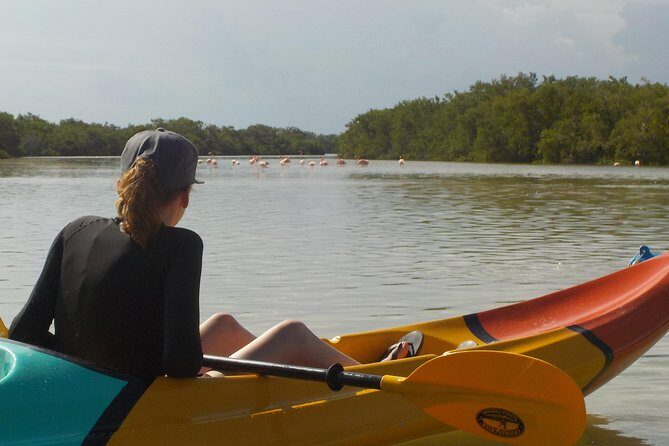
Flamingos are described as possible, but seasonal. One review specifically notes late March wasn’t flamingo season, and another points out flamingos tend to be seen in spring/summer. So don’t treat flamingos as a guarantee. Treat them as a bonus if the season lines up.
Either way, the birdlife is usually good. Even when flamingos aren’t around, you’ll likely still get a solid mix of coastal birds and mangrove ecosystem activity.
Guides make or break it: what “good guidance” looks like here
In the best versions of this tour, the guide isn’t just rowing ahead and hoping you’ll notice things. The difference is attention.
Some guides stand out by name in feedback:
- Gustavo has been praised for passion about biodiversity and for stopping to point out wildlife and answer questions.
- Willy/Willi has been praised for sharing habitat explanations and spotting lots of birds.
- Lalo and Abraham are also noted for strong guidance and for keeping the experience engaging.
What you want to see in a good guide:
- they call out what you’re looking at (birds, plants, animal behavior)
- they pace the group so you can see, not just pass by
- they keep you safe and help you navigate the water when conditions get more demanding
One caution from less positive feedback: if your guide doesn’t offer navigation help and you’re thrown into the open-water portion with currents, the experience can feel more like a workout than an guided wildlife tour. I can’t predict which guide you’ll get, but I’d treat this as a sign to be vocal early. If you’re unsure about paddling, tell them right away and ask for tips on how to manage the return section.
Fitness level and water conditions: what to expect without surprises
The tour asks for a moderate physical fitness level. That doesn’t mean you need to be an athlete, but it does mean you should be comfortable using your arms for sustained paddling.
A few things to plan for:
- You’ll be paddling a total of about 90 minutes across two blocks.
- In open-water sections, currents may be strong. Some people reported frustration if they weren’t expecting that push and pull.
- This is easier if you’ve kayaked before, but it’s not only for experts. Just don’t show up feeling totally unprepared.
If you’re prone to getting tired in the shoulders or you haven’t done much upper-body work lately, do a short workout before you go: arm swings, light rowing motion, or even a brisk swim. You’ll thank yourself during that return stretch.
And yes, even early and calm days come with real bugs and sun. The trip guidance clearly recommends insect repellent and sunscreen, so treat those like part of your gear.
Price and value: is $50.78 worth it for 3 hours?
At $50.78 per person for about 3 hours, the price looks fair on its face. The real value comes from what’s included and what you get in return:
- professional guide (not just someone steering, but actively pointing things out)
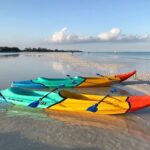
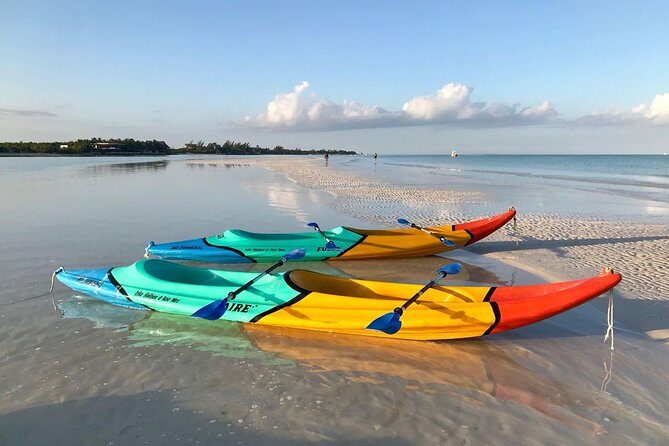
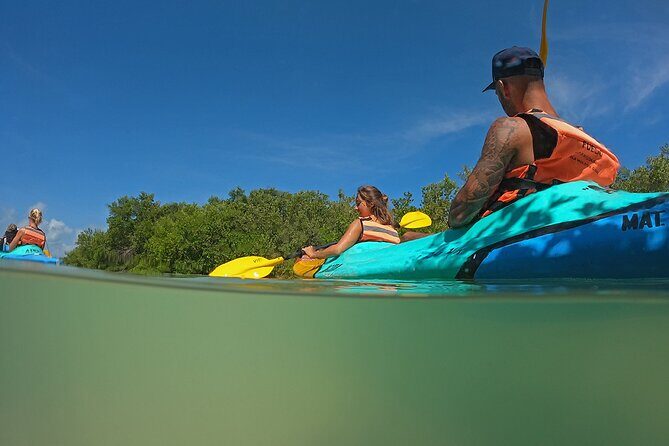
- double kayaks (so you won’t be stuck solo unless you end up sharing logistics)
- bottled water
- an experience focused on wildlife access in a habitat you can’t really reach by foot without disturbing it
Compared to a generic “we row for a bit and you take photos” outing, this tends to be priced right because the boat time is tied to instruction and spotting. The small group limit (up to 7) supports that value by giving you less crowd pressure and more attention.
The one thing not included is food and drinks (unless specified). Plan a snack or meal around the tour. Several people mention grabbing breakfast afterward, which is a smart rhythm since you’ll work up an appetite fast, especially if there’s current on the way out and back.
Who should book this mangrove kayak, and who should skip it
This tour is a great fit if you:
- want nature you can see up close without hiking all day
- love birds and coastal wildlife, even if you’re not a hardcore birder
- enjoy calm water most of the time but are okay with a tougher return stretch
- prefer small groups (maximum 7) and a guide who stops to explain
You might want to think twice if you:
- have mobility or balance limits that make paddling awkward
- expect a totally effortless experience, because there is real rowing involved and open-water currents can be challenging
- hate bugs or sun and forget basic protection (repellent, hat, sunscreen). This area is outdoorsy for a reason.
Should you book VIP Holbox’s Mangrove Kayak? My call
If you’re choosing between activities in Holbox and you like wildlife, I’d book this. The combination of calm mangrove paddling, the chance of crocodile sightings, and guides who actually point things out makes this a strong “worth the arm work” option.
Here’s how I’d decide in a practical way:
- Book it if you can do an early slot. That’s your best shot for crocodiles and comfortable conditions.
- If you’re a beginner paddler, go in with a plan: expect some work on the return and communicate your comfort level to the guide early.
- If you care about flamingos specifically, remember they’re seasonal. You’ll still get birdlife, but treat flamingos as a bonus.
Bottom line: this is not a lazy boat ride. It’s active, guided, and built around learning the mangroves as you pass through them.
FAQ
How long is the kayaking tour in Isla Holbox?
It runs for about 3 hours (approx.), with two paddling sections of around 45 minutes each and a rest/water stop during the break.
What’s the meeting point for this tour?
The start meeting point is VIP Holbox on Calle Palomino, Av. Caleta Esq, 77310 Holbox, Q.R., Mexico. The activity ends back at the meeting point.
Is it good for families and kids?
The minimum age is 6 years, and children must be accompanied by an adult.
What wildlife might I see?
You may see crocodiles and flamingos depending on the season, plus a variety of birds living along the coast and mangrove channels. Other animals may also appear, like crabs and fish.
What should I bring?
Bring a swimsuit, insect repellent, a hat, biodegradable sunscreen, and a camera.
Do I need to be an experienced kayaker?
The tour calls for moderate physical fitness. You’ll be guided the whole way, but you should be ready for paddling and for stronger currents on the open-water return.
Are life jackets provided?
Life jackets are mentioned in feedback as being provided.
Is food included?
Bottled water is included, but food and additional drinks are not included unless specified.