REVIEW · ISLA HOLBOX
Magic Night of Stargazing and Bioluminescence
Book on Viator →Operated by Kayaking Holbox · Bookable on Viator
Blue light and stars, all in one night. You head off Holbox Island’s hotel glow to spot the sky and watch bioluminescence light up the water. I like the stargazing element because the guides point out what you’re actually seeing, not just talk at you, and the guides I heard about by name include Diego, Omar, and Gustavo.
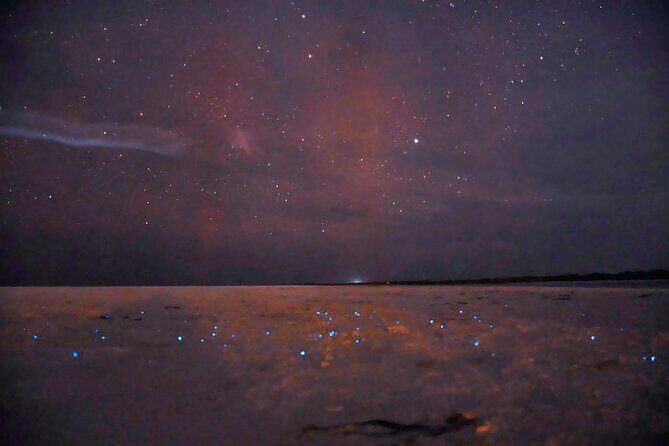
The setup is built for a real “dark sky” moment: you paddle out in the evening, reach the sandbanks, and then the water and sand can glow neon blue when you stir it. One thing to consider: the brightness of the glow isn’t guaranteed every night, and conditions can vary, including reports of choppy water.
This is also a straightforward tour logistically. It runs about 1 hour 45 minutes total with an 8:00 pm start, includes hotel pickup and drop-off, and keeps the group small (up to 12), which helps you feel more comfortable in the dark.
In This Review
- Key takeaways before you go
- 8:00 pm start on Holbox: how the timing sets up the magic
- From hotel pickup to the reserve: what’s included and why it matters
- Kayaking along Holbox’s coast: the paddle that gets you to the dark
- Sandbanks and neon-blue plankton: when oxygenating the water lights it up
- Stargazing between paddles: learning constellations without killing the mood
- What the guides do (and why their style affects your night)
- Water, comfort, and safety: the real-life considerations
- Value for your time on Holbox: what you’re really paying for
- Who should book this tour, and who might skip it
- Should you book Magic Night of Stargazing and Bioluminescence on Isla Holbox?
- FAQ
- What time does the stargazing and bioluminescence tour start?
- Is hotel pickup and drop-off included?
- What’s included with the kayaking?
- Do I need a paper ticket?
- How big is the group?
- Is bioluminescence guaranteed?
- What if the weather is bad?
- How close to the departure time should I wait for pickup?
Key takeaways before you go
- 8:00 pm start: designed for the darkest hours, when stars and glow effects are most noticeable
- Small group (max 12): easier pacing and more attention from guides when visibility drops
- Life jackets and oars included: you’re not hunting gear at the last second
- Sandbanks are the show: you paddle roughly 15–20 minutes before the glowing water/sand moment begins
- Bioluminescence can vary: one report said it was dim when the season timing was off
- Guides make it work: people highlighted patient, funny guiding with detailed star explanations (Diego, Omar, Gustavo)
8:00 pm start on Holbox: how the timing sets up the magic
This tour starts at 8:00 pm, which is exactly when you want to be out on the water. If you’ve spent the earlier part of the day around Holbox’s beachfront, you’ll notice how much light comes from hotels and streets. The main point of leaving later is that the sky—and the glowing plankton—needs darkness to read clearly.
Pickup is offered, and the company coordinates with you by WhatsApp. They ask you to wait at the main entrance of your hotel about 15 minutes before departure time, so you don’t lose time or miss your group. In a tour like this, small delays matter because the “best window” depends on night conditions.
Most of the action happens after you’re on Holbox and in the water. The kayaking portion feels short and manageable, then the “show” begins at the sandbanks. That pacing is a big part of why this tour works for lots of people: you’re not stuck paddling for hours before anything happens.
You can also read our reviews of more tours and experiences in Isla Holbox.
From hotel pickup to the reserve: what’s included and why it matters
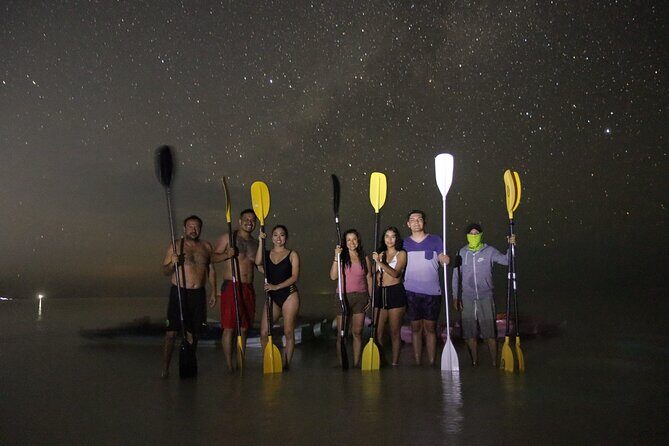
You’ll get transportation to your hotel (pickup and drop-off), plus the core gear: oars and life jackets. You also get entrance to the reserve area, which matters because the glow experience relies on staying in the right habitat and away from heavy light pollution.
Stargazing and kayaking are included, so you’re not paying for a separate activity later. For you, that simplifies the evening plan: you can show up, get kitted out, and let the guides run the flow of paddling, star storytelling, and the bioluminescence moment.
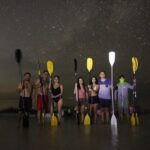
One extra detail I like: the group size is capped at 12. In the dark, that helps. Fewer people means you’re less likely to feel rushed, and it’s easier for guides to keep an eye on spacing and comfort.
Kayaking along Holbox’s coast: the paddle that gets you to the dark
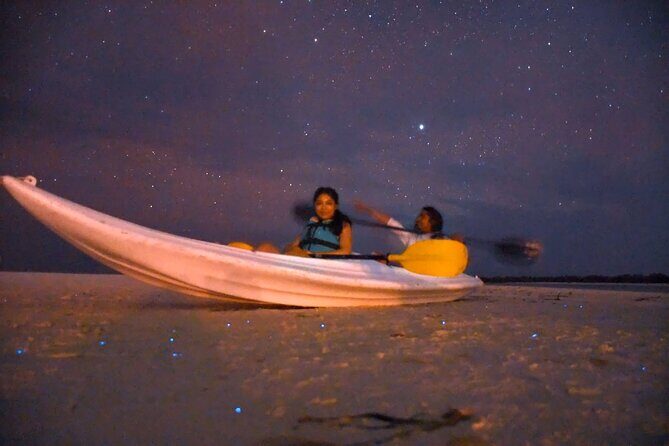
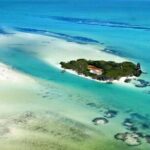
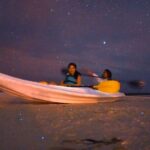
The main stop is on Holbox Island. The experience starts with a coast paddle where you’re moving away from hotel lights. The early part is the “warm-up” phase: after about 15 to 20 minutes of paddling, you reach the sandbanks where the glowing moment begins.
This is where the tour earns its keep. If you’ve ever tried to see stars near bright beaches, you know how quickly everything turns into a gray wash. By paddling out on a darker route, you get a clearer view of the sky and you set yourself up for the neon effect in the water.
The kayaking itself is guided, and the approach is designed to be approachable. In the feedback, people described it as easy and short in and short out. If you’re not a strong paddler, that matters. You still control the kayak, but you’re not expected to “train” for it.
One consideration: water conditions aren’t always calm. Some nights are choppier than others, and at least one person reported choppy water yet still went out. If you get motion-sick easily, this is the part to take seriously, because you’re on open water when the show starts.
Sandbanks and neon-blue plankton: when oxygenating the water lights it up
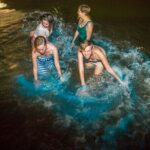
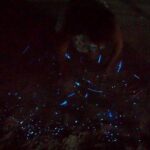
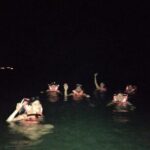
Here’s the headline act: at the sandbanks, the show begins as the water and sand can glow neon blue when you oxygenate or disturb the water. The guides explain what’s happening and what you can look for, including when and why the glow appears.
This is one of those “works best with a quiet, curious brain” experiences. The light isn’t just a random trick—it’s tied to the tiny organisms doing their thing. When you stir the water, you can get visible flashes around the paddle path.
A detail I found especially useful from the experiences shared: brightness can really depend on the season and local plankton levels. One night was reported as exceptionally bright because phytoplankton was thriving, making the glowing effect more intense than expected. On another night, someone said there was no bioluminescence, even though they still had a good time with knowledgeable guidance. So yes, it’s spectacular, but no, it’s not a guaranteed “always neon” show every single outing.
For you, the best attitude is: treat it like a nature event, not a theme-park light display. Even when the glow is less dramatic, you can still enjoy the night sky, the coastal setting, and the guided science talk.
Stargazing between paddles: learning constellations without killing the mood
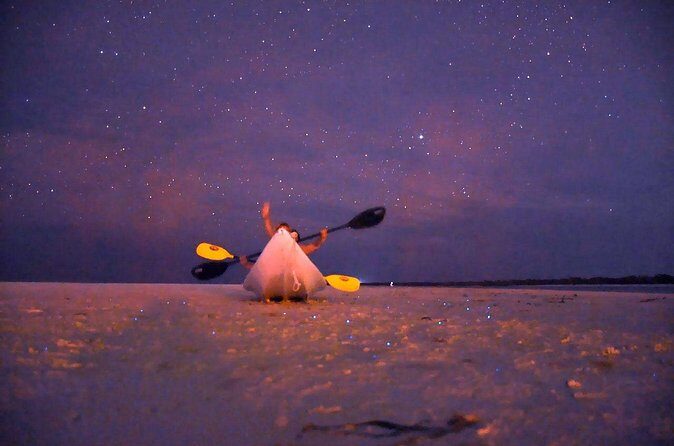
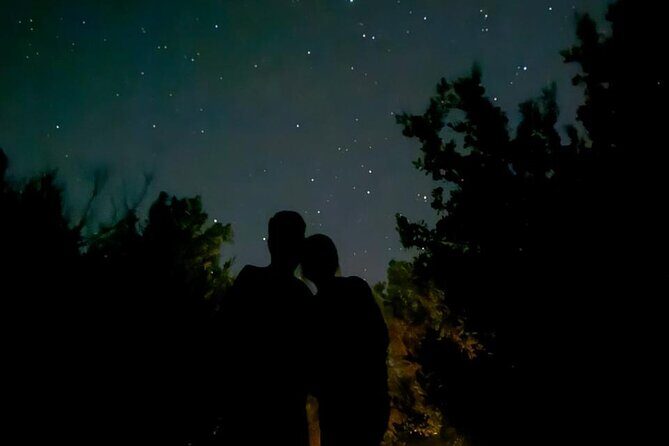
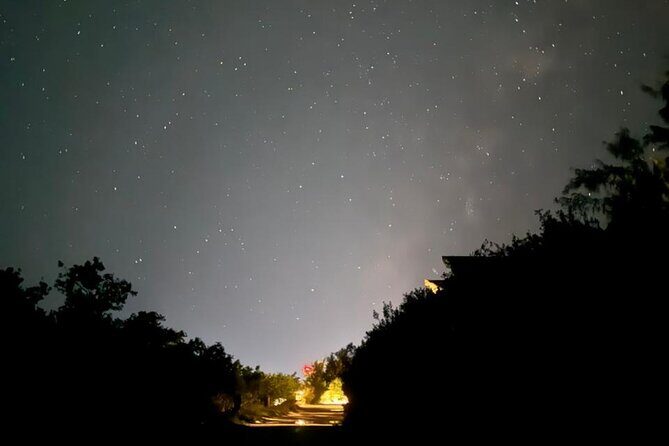
As you paddle and once you reach the sandbanks, the guides describe the stars and constellations you might see. This is more than random pointing. People noted that guides took their time to explain details while still leaving room to enjoy the moment in silence.
That balance is important. If the guide talks nonstop, you stop looking. If the guide says nothing, you might miss the “connect the dots” part of the sky. From what I’ve seen reflected in experiences, the best nights are when the explanation comes in short, clear bits, then you get time to just look up.
Also, the rising moon can add a bonus layer. One report mentioned a rising moon as an exceptional extra. If the moon is up, you might get a different feel: the sky can look brighter, and stars can be more washed out. But the coast and water still look incredible, and the moonlight can make the paddle route feel cinematic.
What the guides do (and why their style affects your night)
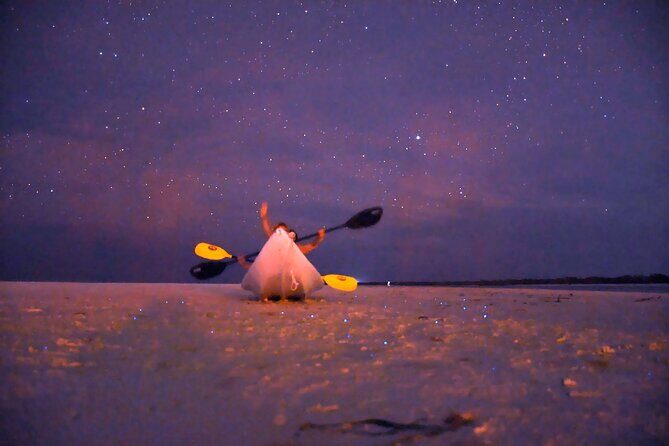
Guide style matters in the dark. You’re balancing paddling, listening, and watching the glow all at once. Several people specifically praised guides for being patient and helpful, including Diego, Gustavo, Omar, and Abraham.
A couple of practical benefits show up in the way people describe their guides:
- They slow down enough for you to actually see what’s being explained
- They keep the experience safe and organized while still letting you enjoy quiet moments
- They make science feel understandable, not like a lecture
One small, thoughtful nitpick came up too: someone wished the life jackets had reflective stickers so kayakers could more easily see each other in the dark. That’s not a dealbreaker, but it’s a good reminder of how visibility changes at night. If you’re the type who likes clarity and spotting teammates, keep an eye on spacing during the paddle.
Language can be a factor in any international tour. One report noted that Gustavo was still learning English but still communicated well enough to guide the experience. If you want zero awkwardness, you can still expect explanations, but it may feel more “hands-on and visual” than “perfectly polished English.”
Water, comfort, and safety: the real-life considerations
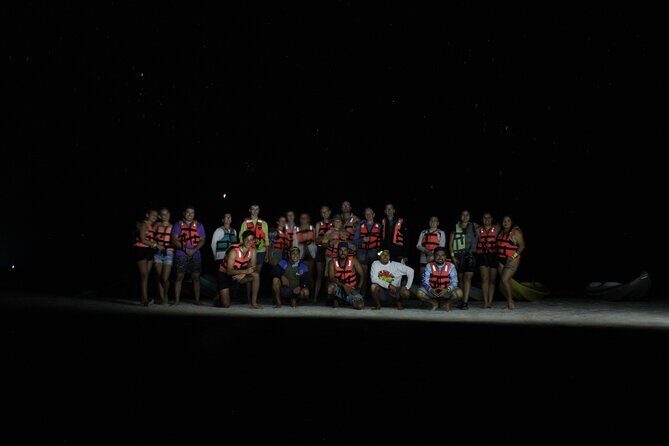
This is a night kayaking experience, and that means two things: darkness and water conditions. Most travelers can participate, and life jackets and oars are provided, so you’re not showing up to improvise.
But still, plan for the fact that the water can be choppy some evenings. One review mentioned choppy water, and the group still went out. If you’re sensitive to rougher water, it’s smart to mentally prepare for a bit of movement, especially once you’re out near the sandbanks.
Also, this is not a long endurance paddle. The glowing part starts after 15–20 minutes, and the whole kayaking segment is described as fairly brief. That makes it more realistic for a wider range of fitness levels than longer ocean tours.
If you’re traveling as a couple or family, the small group size helps a lot. With up to 12 people, you’re less likely to feel like cattle in a line. And in the dark, that calm pacing matters as much as the science talk.
Value for your time on Holbox: what you’re really paying for
There’s no single ticket price listed here, so I’ll talk value instead of numbers. You’re getting a full evening block that combines three things: transportation, reserve access, and a guided experience that mixes night sky learning with a bioluminescence viewing moment.
You also get the gear you’d otherwise need to hunt down: oars and life jackets. That’s not glamorous, but it’s part of the value. If you’re only in Holbox for a short time, the convenience of pickup and drop-off can be a real plus.
Most importantly, the experience is designed around timing and darkness. If you tried to do stargazing or sandbank viewing on your own, you’d be guessing about the best route for escaping light pollution and when to be at the right spot. This tour standardizes that plan.
The one “value caveat” is bioluminescence variability. If you go on a night with low plankton activity, the glow may not hit as strongly. However, even then, you still get guided stargazing and the full kayaking outing. And in the feedback, people still recommended it even when the bioluminescence didn’t show as expected.
Who should book this tour, and who might skip it
This is a great fit if you want:
- A nighttime activity on Holbox that feels special without being complicated
- Guided stargazing tied to what you’re seeing overhead
- A chance to witness bioluminescence at sandbanks with a small-group setup
You might consider another option if:
- You’re extremely sensitive to choppy water
- You’re hoping for a guaranteed, maximum-bright glow every single time (nature varies)
- You want a long, silent paddle with minimal talking (this includes stargazing explanations)
If you’re traveling with kids or a multigenerational group, the “short in and short out” kayaking feel and life jackets included can make it easier to manage. If you’re a solo traveler, the small group size can also make it less intimidating than larger tours.
Should you book Magic Night of Stargazing and Bioluminescence on Isla Holbox?
If your dream night on Holbox includes stars and glowing water, I think it’s an easy yes. The combination of kayaking into darker conditions, guided stargazing, and a sandbank bioluminescence moment is exactly the kind of experience that feels hard to recreate on your own.
Just go in with the right expectation: the bioluminescence depends on conditions, and one night can be brighter than another. If you can accept that nature sets the range of results, you’ll still get a memorable guided night out on the water.
One more practical nudge: be ready for an evening start, and don’t show up late to the hotel pickup. When the timing is right, everything else clicks.
FAQ
What time does the stargazing and bioluminescence tour start?
The tour starts at 8:00 pm.
Is hotel pickup and drop-off included?
Yes. Transportation to and from your hotel is included.
What’s included with the kayaking?
You’ll be provided oars and life jackets, plus entrance to the reserve area and the stargazing/kayaking experience.
Do I need a paper ticket?
A mobile ticket is used.
How big is the group?
The tour has a maximum of 12 travelers.
Is bioluminescence guaranteed?
No. One shared experience mentioned no bioluminescence when the timing was off, while other nights were reported as extremely bright.
What if the weather is bad?
This experience requires good weather. If it’s canceled due to poor weather, you’ll be offered a different date or a full refund.
How close to the departure time should I wait for pickup?
You should wait at the main entrance of your hotel about 15 minutes before the departure time.