REVIEW · ZIHUATANEJO
Horseback Riding on the Beach
Book on Viator →Operated by Luis de la Maza Ixtapa Zihuatanejo tours · Bookable on Viator
Beach horseback rides beat the usual sightseeing. This tour pairs you with a gentle horse and guides you through the Playa Larga shoreline, plus mangroves and a coconut plantation area. I like how the ride is paced for your comfort level, not some ego-driven pace, and I also like that pickup and drop-off are built in from Ixtapa, Zihuatanejo, or the cruise pier. One thing to keep in mind: the exact mix of beach and plantation time can vary a bit, so come for the nature-and-horses experience rather than expecting a perfectly identical route every time.
It runs about 1 hour 10 minutes total (plan on a little more door-to-door), with a small group up to 12 and multiple departure times. The experience is offered in English, and the basic prep is simple: closed-toed shoes, long pants, sunblock, and mosquito repellent. If you’re the type who loves photos, this one gives you a lot of chances without feeling like a production.
In This Review
- Key Things to Know Before You Go
- Getting To the Stable: Pickup That Actually Saves Time
- What the Beach Ride Feels Like: Pacing, Water, and Timing
- Your Horse Matching: Why This Tour Works for First-Timers
- Entering Playa Larga: Shoreline Views and Wave-Wading Photos
- The Lagoon and Mangroves: Coastal Nature Without a Long Hike
- The Coconut Plantation Area: What You’ll See and What Might Vary
- Safety, Guides, and English: How the Experience Stays Comfortable
- Value for Money: Why the $77.67 Price Makes Sense
- Who Should Book This (And Who Should Adjust Expectations)
- Practical Prep Checklist: Wear This, Bring This
- Should You Book Horseback Riding on the Beach?
- FAQ
- Where does this horseback riding tour take place?
- How long is the tour?
- Is pickup included?
- Can they pick me up if I’m staying at an Airbnb or condo?
- What should I wear to the tour?
- Is this tour suitable for beginners?
- What is the minimum age for children?
- How many people are in a group?
- Is the tour offered in English?
- What if I need to cancel?
Key Things to Know Before You Go
- Hotel or cruise-pier pickup keeps the day from turning into a logistics headache
- Horse matching by experience level means first-timers can relax and learn fast
- Wade-in-the-water beach moments where waves reach the horse’s feet for great photo ops
- Mangrove lagoon stop gives you birds and that lush coastal scenery
- Coconut plantation time adds a different texture than just sand and surf
- Small group size (max 12) helps the guide manage pacing and safety smoothly
Getting To the Stable: Pickup That Actually Saves Time
The biggest quality-of-life win here is the air-conditioned van pickup. You’ll be picked up from your hotel in Ixtapa or Zihuatanejo, or from the main pier if you’re coming as a cruise passenger. If you’re staying somewhere specific like an Airbnb or a condominium, you can arrange that too by sharing the address and the property name.
From there, you ride to the stable in the south part of the Zihuatanejo area. This matters because beach horseback riding turns sketchy fast when you’re trying to get yourself to the right place with taxis, detours, and confusion. With pickup included, you show up, get geared up, and get moving.
One practical tip: if you’re coming from a cruise ship, show up at the pickup point with a little buffer. That way you’re not sprinting while wearing sunblock and hoping your phone still has service.
A few more Zihuatanejo tours and experiences worth a look
What the Beach Ride Feels Like: Pacing, Water, and Timing
The horseback portion runs about 1 hour and 15 minutes, and it’s structured around following your guide’s pace. This is not a ride where you’re left to figure things out alone. You’ll get a safety briefing and instruction before you set off, and the guides keep the line organized.
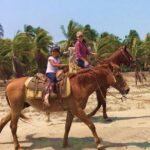
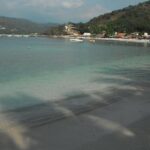
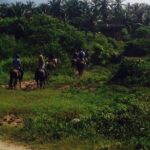
On the beach at Playa Larga, you can expect a mix of walking along shore and wave-wading moments where the surf reaches the horse’s feet. The tour also passes through a small community area before shifting to the open shoreline. That combination is one reason this works so well for both relaxed riders and people who want more movement than a slow stroll.
Speed expectations matter. Some faster gaits like trotting or cantering can show up depending on how the ride is running that day and how you’re matched with your horse, but it should never feel like a free-for-all. If you want a calm, confidence-building ride, the structure helps you stay in that lane.
Timing is also part of the deal. You get to choose from multiple departure times, which is helpful because the coast can get hot, even in short windows.
Your Horse Matching: Why This Tour Works for First-Timers
Before you mount up, you’ll receive instruction and a safety briefing. Then the tour focuses on pairing you with a horse suited to your riding experience level. That’s not a small detail. Beach riding is more about trust and comfort than “how strong are your legs?”
The horses are described as kind and gentle and suitable for all levels, and they’re well-fed. If you happen to have an apple or carrot, the horses are reported to accept them. (Don’t show up with a bag of feed like it’s a petting zoo. Just treat it as a nice extra if you already have a small snack.)
If you’ve never ridden before, you’ll appreciate two things:
1) the horses are trained for this route and this kind of environment
2) the guide keeps you supported so you’re not guessing
And if you have experience, you’ll likely find the ride still gives you moments of fun without forcing you into anything risky.
Entering Playa Larga: Shoreline Views and Wave-Wading Photos
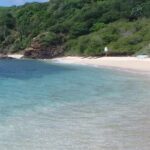
Playa Larga is the star stop. You’ll ride through a small community area and then onto the beach where the waves wash over the horse’s feet. It’s not just pretty scenery. The way the shoreline is used during the ride gives you a natural photo rhythm: ride forward, pause for a shot, move again, repeat.
This is also where the tour starts to feel like a real coastal adventure instead of a “ride around the block” experience. You’re on sand underfoot, the guide is handling the horses in a line, and the ocean sound is right there the whole time.
Should you bring your best camera gear? Yes, but keep it practical. Sand and ocean air don’t care about your best lens. I’d keep your phone in a secure pocket or small crossbody and bring a camera strap. Sunblock is a must because the beach has no mercy.
One more practical thought: this is a horseback beach day, not a swim plan. Some riders note the water conditions aren’t ideal for swimming, so I’d treat the ocean as scenery and let the horses do the wading.
The Lagoon and Mangroves: Coastal Nature Without a Long Hike
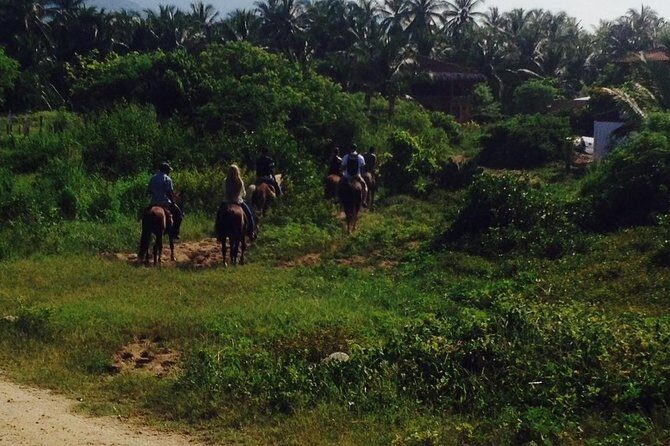
After the beach segment, the ride continues past a lagoon where you can see birds and mangrove trees. This is the part that turns the ride from scenic to genuinely interesting. Mangroves are busy ecosystems, and even if you’re not a bird-watching expert, you’ll notice the change in feel: more shade, more texture, more wildlife energy.
This stop also adds a little thrill. There’s at least one account of a crocodile making an appearance in the lagoon area. You should not plan the day around seeing one, but it’s good to know this environment can hold surprises. The key is simple: stay focused on your horse and follow your guide’s cues.
If you’re traveling with kids, this nature segment often lands well because it breaks up the ride visually. If you’re traveling solo or as a couple, it gives you variety without turning the trip into a full-day hike.



The Coconut Plantation Area: What You’ll See and What Might Vary
You’ll pass through a coconut plantation area as part of the route. That matters because it’s not just a beach ride anymore. Coconuts mean different smells, different scenery, and often different local plant stories from the guide.
That said, set expectations for variability. Some accounts describe the ride as moving through the coconut plantation area, while others describe more of the plantation being along the route rather than a deep pass through it. Your best strategy is to go in looking for the guided nature experience, not a checklist where every second matches a map.
One of the more memorable extras reported by riders: guides share info about local plants, and in at least one instance, the guide picked fruit to sample like guava. That kind of thing can happen because the guide is actively reading the local plants and stopping when there’s something worth pointing out. So yes, ask questions when you can, especially if English is offered.
Safety, Guides, and English: How the Experience Stays Comfortable
Safety comes from two places: the initial briefing and the fact that you’re guided the whole time. Your guide leads at your own pace, and the horses are trained to handle the routine.
The tour is offered in English, and the experience can feel very reassuring when the guide explains what’s happening before you’re on the horse. Different guides can have different English strengths, so it’s smart to stay flexible. In some cases, translation tools have been used to communicate smoothly, so you’re not stuck guessing.
You may meet guides and drivers like Ramon, Pablo, Luis, Guillermo, or Victor. Their styles can differ, but the theme is consistent: keeping the ride safe, calm, and fun, while also sharing local context along the way.
If you care about learning, this is one of those tours where the guide’s local knowledge can turn a simple beach ride into something more meaningful.
Value for Money: Why the $77.67 Price Makes Sense
At $77.67 per person, this isn’t a bargain price, but it also isn’t priced like a luxury day spa. What you’re paying for is the full package:
- transportation from your hotel (or cruise pier) to the stable and back
- a guided horseback ride of about 1 hour and 15 minutes
- pairing with a horse matched to your experience
- a bottle of water at the end
Because pickup is included, you’re not spending time or money trying to coordinate your own transport to the stable. Because the group is capped at 12, you’re likely to get more guide attention than on bigger, busier tours.
You’re also getting variety in a short window: beach shoreline riding, mangroves and birds, and a coconut plantation area. For many people, that variety is what makes the price feel fair.
Who Should Book This (And Who Should Adjust Expectations)
This tour is a strong fit if you want:
- a guided horseback experience without heavy riding skills
- beach scenery plus nature scenery
- a short activity that fits easily into a day in Ixtapa or Zihuatanejo
It’s also a family-friendly option because the minimum age is 5 years, and children must be with an adult. The small group size helps keep things controlled.
A few expectations to manage:
- This is not a freestyle gallop fantasy. Even if faster movement can happen, the guide controls the ride based on the horses and the group.
- Water is part of the experience, but it’s wading where waves reach the horse’s feet, not a swimming excursion.
If you’re looking for a nature walk only, skip the horses. But if you want motion, photos, and coastal scenery in one guided loop, this fits the bill.
Practical Prep Checklist: Wear This, Bring This
To make the ride comfortable, follow the recommended dress code:
- wear pants
- wear closed-toed shoes
Then pack essentials:
- sunblock
- mosquito repellent
- a camera
Optional but helpful: if you want to offer a treat, small things like an apple or carrot are mentioned as accepted by the horses. Just keep it low-key.
Also remember you’ll be on sand, so avoid anything that slips or that you’ll hate getting dusty. Closed-toed shoes are your friend here.
Should You Book Horseback Riding on the Beach?
If you want a short, well-guided experience that combines beach riding with mangroves and a coconut plantation area, I’d book it. The pickup included and the horse matching make this one of the easier horseback tours to enjoy without stress. The small group size helps too.
The only real reason to hesitate is if you’re fixated on an exact script for every terrain segment or on unrestricted speed. This is a guided ride shaped by the horses and the route that day, so treat it as a nature-and-horses outing, not a racing event.
If you decide to go, do two smart things: pick a departure time that fits your comfort with heat, and ask your guide how the day’s route will handle the plantation portion and beach pace.
FAQ
Where does this horseback riding tour take place?
It takes place in the Zihuatanejo, Mexico area, specifically in the Ixtapa Zihuatanejo region, with the ride starting at Playa Larga.
How long is the tour?
The total duration is about 1 hour 10 minutes (approx.), and the horseback ride itself is about 1 hour and 15 minutes.
Is pickup included?
Yes. Pickup and drop-off are included from Ixtapa/Zihuatanejo hotels. Cruise ship passengers are picked up at the main pier in Zihuatanejo.
Can they pick me up if I’m staying at an Airbnb or condo?
Yes. You can request pickup at an Airbnb or house or condominium. You’ll need to provide the address and the property name.
What should I wear to the tour?
Wear pants and closed-toed shoes.
Is this tour suitable for beginners?
Most people can participate. You’ll be paired with a horse suited to your riding experience level, and you’ll get a safety briefing and instruction.
What is the minimum age for children?
The minimum age is 5 years, and children must be accompanied by an adult.
How many people are in a group?
The tour has a maximum of 12 travelers.
Is the tour offered in English?
Yes. English is offered.
What if I need to cancel?
Free cancellation is available. You can cancel up to 24 hours before the experience for a full refund.