REVIEW · HOLBOX
Holbox: Mangrove Sunset Kayak Tour
Book on GetYourGuide →Operated by Eco Adventure Holbox · Bookable on GetYourGuide
Kayaking into mangroves feels like time travel. On Holbox, this sunset kayak tour guides you from the beach to the Kuká River protected area in flamingo-style kayaks, where you glide through mangroves and wildlife habitat.
What I like most is the focus on quiet observation: the guides point out the birds’ feeding and resting zones (including seasonal flamingos), and they do it while you stay at the animals’ pace. Another big win is that you also have a real chance of seeing American crocodiles—handled respectfully, with space kept.
One thing to consider: paddling can be harder than it looks. Current, tide, wind, and waves can affect how smoothly you move, and the weather on an island is unpredictable.
In This Review
- Key things to know before you go
- Holbox to the mangroves: the calm start that sets the tone
- Flamingo kayaks and the first paddle: fun gear, real safety
- Entering the Kuká River: birds, mangroves, and a whole different pace
- American crocodiles: what it feels like to see wildlife without chasing it
- The snack stop and the guide talk: learning without killing the mood
- Paddling reality check: currents, tide, wind, and unpredictability
- Return to Holbox: you end with sunset energy, not exhaustion
- Price and value: is $55 worth it?
- What to bring (and what not to): make your day smoother
- Who this tour is best for (and who should skip it)
- Should you book the Holbox Mangrove Sunset Kayak Tour?
- FAQ
- How long is the Holbox Mangrove Sunset Kayak Tour?
- How many people are in the group?
- What languages does the guide speak?
- What’s included in the price?
- What should I bring with me?
- Can I touch crocodiles or other wildlife?
- What ages or mobility conditions make it unsuitable?
Key things to know before you go
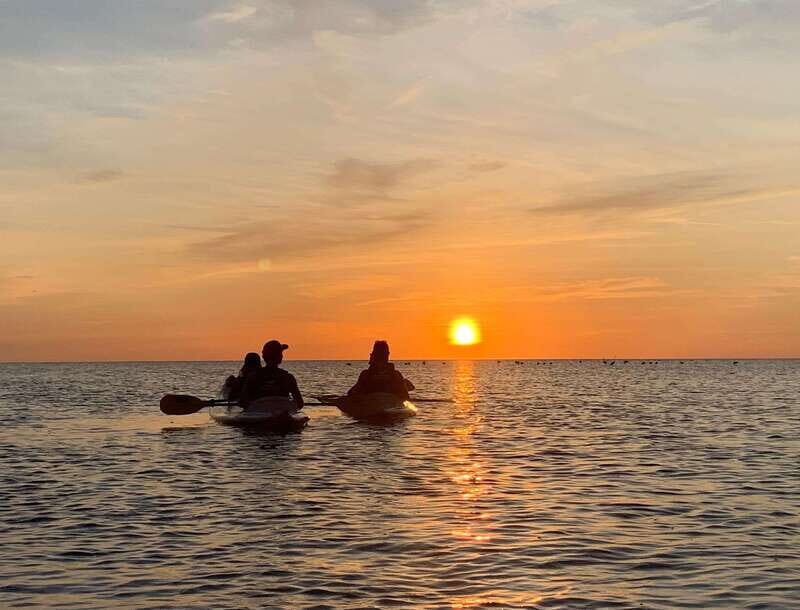
- Flamingo design kayaks: fun look, practical ride, and a small-group vibe
- Kuká River protected zone: you kayak into the area where the ecosystem is guarded
- Bird spotting with real guidance: ospreys, cormorants, frigates, herons, and shorebirds, plus seasonal migrants
- American crocodiles, at a distance: guides help you respect space instead of chasing wildlife
- Mangroves that actually run the show: you’ll see 3 mangrove types that form the ecosystem
- Snack break inside the river: a quick recharge stop without leaving the natural setting
Holbox to the mangroves: the calm start that sets the tone
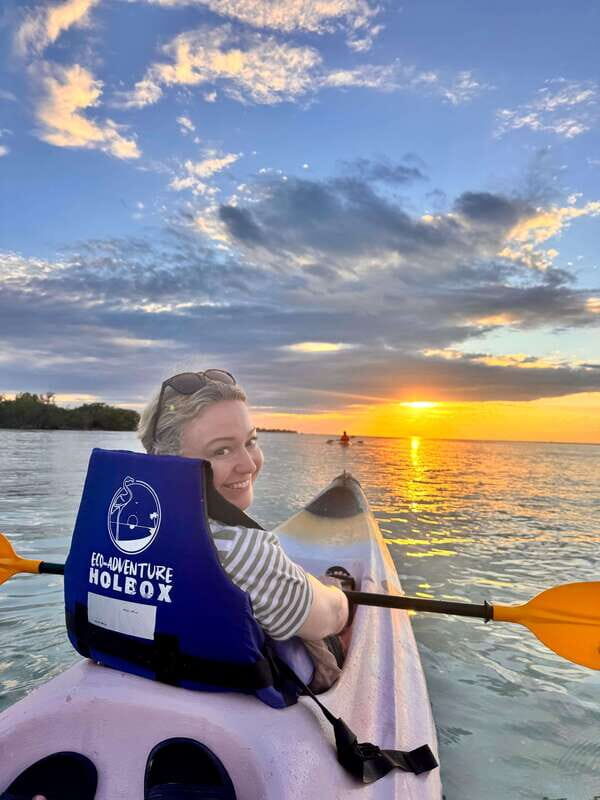
This tour is built for people who like nature more than noise. You meet in Holbox, then you’re taken by golf cart for a short ride to the island side where the kayaking starts. Expect the whole outing to last about 3.5 hours, with roughly 2.25 hours on the water (not counting the short travel time).
That golf cart hop matters more than it sounds. It gets you away from the center and into the natural rhythm fast, so you’re not fighting crowds before you even launch. And once you’re geared up, you’ll feel how the day changes—starting with that first quiet paddle as the shoreline falls away.
You’ll also get practical gear that makes a real difference for comfort. The tour includes a lifejacket, a dry bag, water, and mosquito repellent. They also provide a snack—fruit or an energy bar—so you aren’t working up a sweat on an empty stomach.
You can also read our reviews of more evening experiences in Holbox
Flamingo kayaks and the first paddle: fun gear, real safety
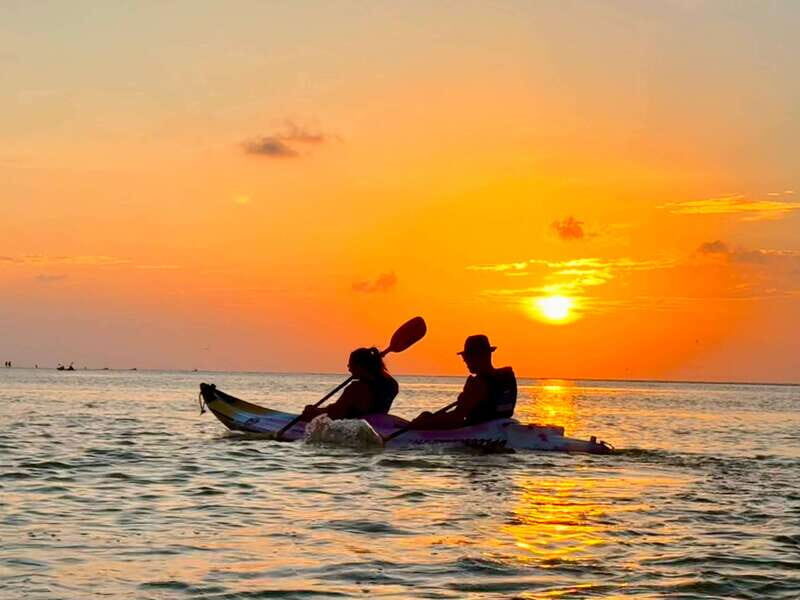
The kayaks are described as “flamingo design” boats, which is mostly a smile-maker on the beach. But the bigger point is what the design supports: stable, guided kayaking in a protected river environment.
Before you move far, expect a quick orientation from your guide(s). The tour is led by a live guide who speaks Spanish, English, and French, and the group is capped at 10 participants. That small size is a huge part of why this tour feels relaxed instead of chaotic—there’s time for questions, and guides can keep an eye on everyone’s paddling pace.
You’ll paddle approximately 2 km between sandbanks and the beach before reaching the entrance to the Kuká River, right where the protected area begins. That first stretch is your warm-up and your “read the water” moment: you’ll notice how the wind and current change how straight the kayak wants to go. If you’ve never paddled in a moving river before, this is the time to relax and let the guide set the rhythm.
Entering the Kuká River: birds, mangroves, and a whole different pace
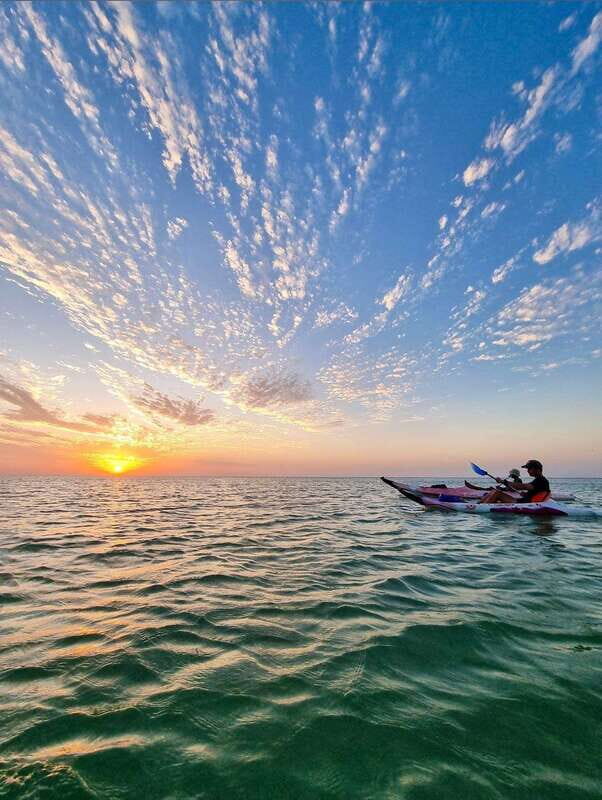
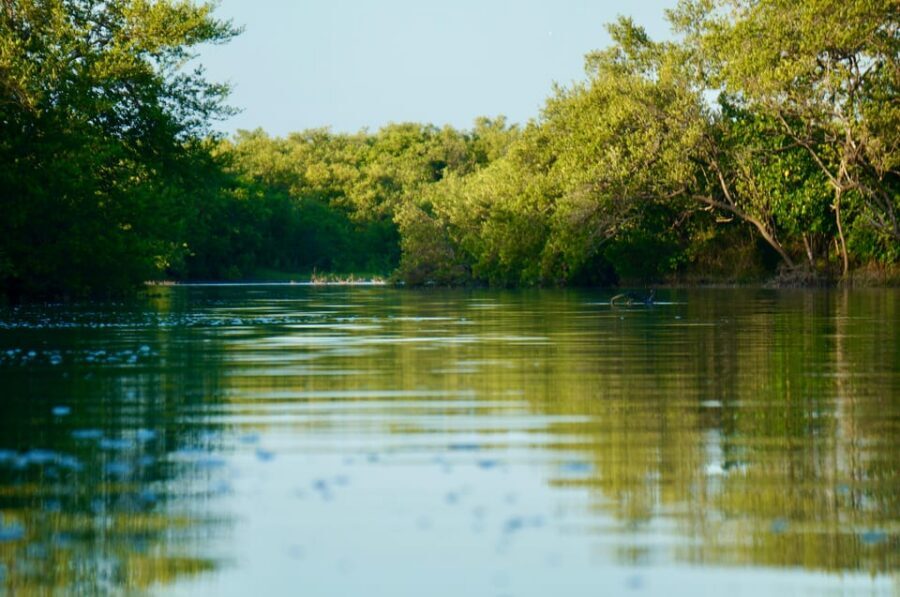
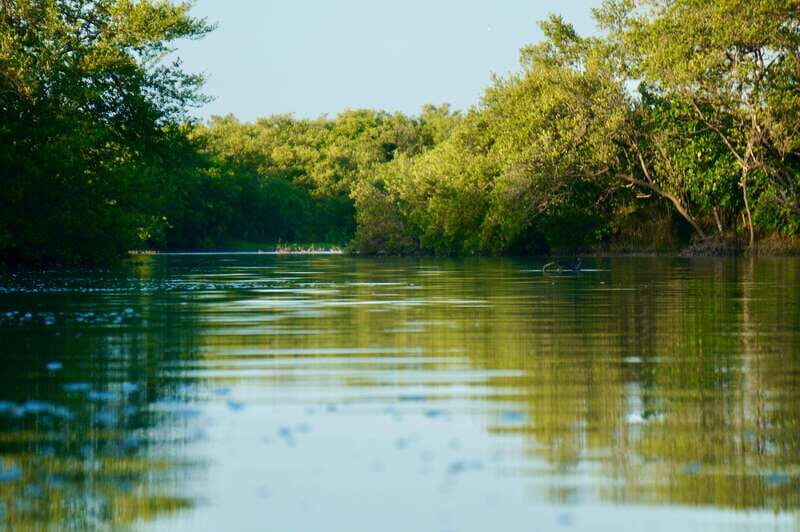
Once you pass into the Kuká River, the experience shifts from “kayak trip” to “wildlife observation with a paddle.” This is where you’ll see why mangroves are more than pretty roots. The tour describes 3 types of mangroves that make up the ecosystem, and they’re the framework for everything else: birds feed there, rest there, and use the sheltered areas.
As you move through the river, your guide keeps an eye out for birds and explains what you’re seeing. You might spot species such as:
- Ospreys
- Cormorants
- Frigates
- Herons
- Shorebirds
- And other regional birds
Migratory activity depends on the season. The tour notes that in winter you can see more species, and that flamingos are possible from May to December, along with white pelicans and Mexican tiger herons.
Here’s the practical part: mangrove wildlife is often about timing and quiet. The tour emphasizes that guides talk and educate at points when noise won’t affect the species. That means you don’t just get facts—you get the chance to watch without constantly breaking the moment.
And yes, you’re there for nature peace. The river section is described as unique and relaxing, and the best way I can explain that is this: in mangroves, you’re not trying to “win” against scenery. You’re moving slowly enough to let the animals show up on their schedule.
American crocodiles: what it feels like to see wildlife without chasing it
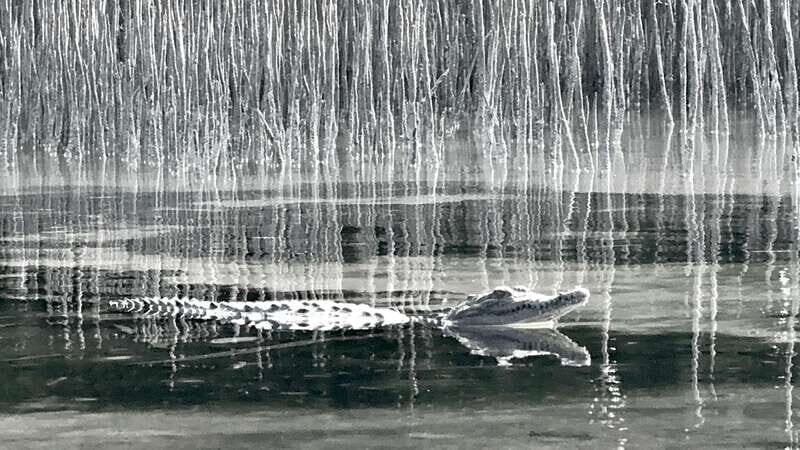
Seeing crocodiles on a kayak trip sounds intense. The key detail is the approach: you’re in their habitat, and the guides explicitly say the crocodiles are not aggressive. You’re also taught to respect distance and their space.
In other words, you’re not “spotting” as in hunting. You’re watching as in witnessing. The guide knows where crocodiles live and helps you keep the right separation so the animals stay calm and you stay safe.
This tour’s wildlife ethic is a big part of its value. You’re told not to touch marine life or plants, and that rule matches what you experience on the water. Even from your kayak, the best views usually come from being patient and letting the guide manage the pace.
One more reality check: crocodiles (and birds) aren’t guaranteed sightings. The tour makes that clear—species are in their natural habitat, so what you see can vary day to day. If you go expecting the “perfect” animal photo every time, you’ll be disappointed. If you go ready to be surprised by whatever shows up, you’ll have a better day.
The snack stop and the guide talk: learning without killing the mood
At some point during the tour, you’ll stop inside the river. That’s when you get your snack—fruit (or an energy bar) depending on what’s prepared—and you take a breather before continuing paddling.
The tour also includes guide storytelling and education at selected moments. They’ll talk about the natural protected area and its ecosystems and what the group has seen so far. The guide also encourages questions, and the tour notes that they answer based on training.
What I like about this format is that it doesn’t feel like a lecture. It’s timed around animal sensitivity and river conditions. When you hear about the mangroves or migration patterns while you’re still close to the action, the facts stick better than they would in a classroom.
A few more Holbox tours and experiences worth a look
Paddling reality check: currents, tide, wind, and unpredictability
This tour is peaceful, but it’s still outdoors and still water. The paddling can be difficult at times due to current in the river, high tide, waves, or wind.
That doesn’t mean it’s extreme. It means you should treat it like real kayaking, not a gentle float. If you’re expecting zero effort, you may get frustrated. If you’re comfortable paddling and you follow the guide’s cues, you’ll likely enjoy the challenge.
Weather is also described as unpredictable on an island. The tour says the maritime authority can cancel activities in advance if storms are forecasted. So you’ll want a little flexibility in your day and a willingness to accept that “nature day” doesn’t run on a clock.
Return to Holbox: you end with sunset energy, not exhaustion
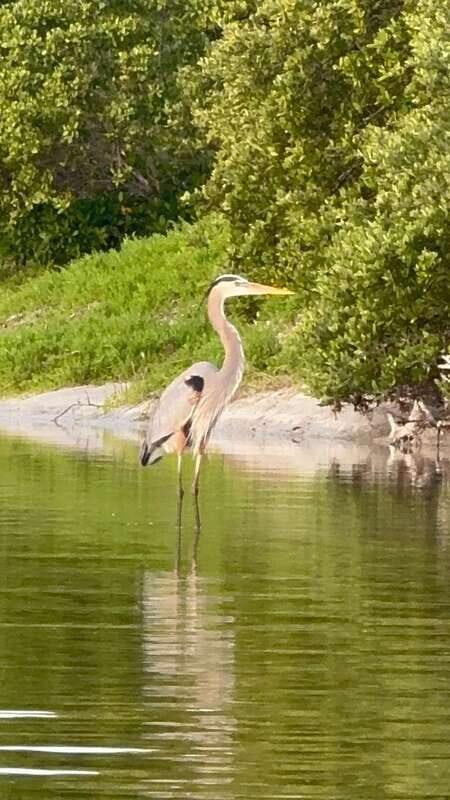
Since this is a mangrove sunset kayak tour, the timing is geared toward evening light. The “sunset” part isn’t a decoration—it’s a big part of the atmosphere. Birds and river mood often feel different near golden hour, and the mangrove silhouettes can look striking as the light fades.
After kayaking, you’ll head back to Holbox by golf cart. You also get a return taxi back to the center included, which matters because Holbox is compact but spread out enough that you don’t want to waste your energy hunting for a ride after being on the water.
Total time stays around 3.5 hours, so it’s a solid fit for a half-day plan without eating your whole evening.
Price and value: is $55 worth it?
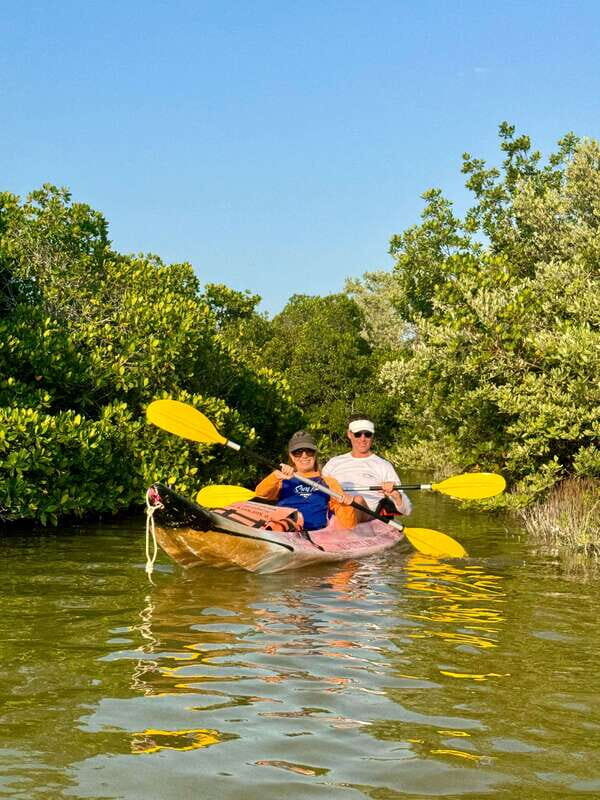
At $55 per person for a 3.5-hour small-group nature tour, this pricing structure makes sense if you look at what’s included.
You’re getting:
- The kayak tour itself (with guide)
- Lifejacket
- Dry bag
- Water
- Mosquito repellent
- Fruit or energy bar
- Pickup and return support (golf cart transfer plus taxi back to the center)
The tour also notes what’s not included: CONANP bracelets. So check whether you need those for entry or ecosystem programs, and budget time for that if required.
Compared with tours that only provide a basic boat ride, the value here is in the management: small group size, a guide who knows where birds feed and rest, and an approach that keeps wildlife safe. That’s what turns the day from “I saw some birds” into “I learned how the river works and what to watch for.”
What to bring (and what not to): make your day smoother
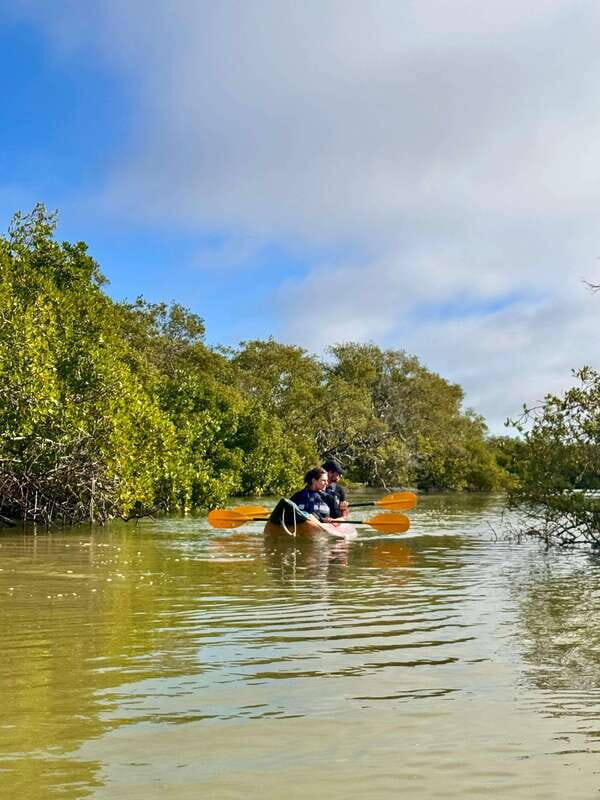
You’ll have a better time if you show up prepared. The tour recommends:
- Hat
- Sunscreen
- Comfortable clothes
- Insect repellent
- Biodegradable insect repellent (they also include repellent, but bringing your own can help)
They also prefer you bring your own thermo or water container, because they don’t use plastics. That’s a small sustainability win, but it also helps you stay hydrated without worrying about single-use bottles.
Not allowed:
- Smoking
- Touching marine life
- Touching plants
This matters because touching is how people accidentally damage mangroves and disturb animals. You’ll feel better knowing the rules are there for both safety and conservation.
Who this tour is best for (and who should skip it)
This is best for:
- Adults who enjoy wildlife viewing and calm nature
- People who don’t mind moderate paddling effort
- Anyone who likes learning from a guide and asking questions
- Bird watchers and nature photographers who understand that animals aren’t guaranteed
It’s not suitable for:
- Children under 9
- People with back problems
- Wheelchair users
- People prone to seasickness
Also keep in mind the practical nature of the trip: wind, tide, and current can make paddling feel more work than expected. If you’ve got mobility limits, don’t guess—ask ahead of time, since the tour data doesn’t mention alternatives beyond general suitability.
Should you book the Holbox Mangrove Sunset Kayak Tour?
If you want a wildlife-focused Holbox activity that feels thoughtful—small group, guided wildlife knowledge, mangrove ecosystem time, and a respectful approach to crocodiles—then this one is a strong pick.
I’d book it if:
- You’re excited about birds and the idea of seasonal visitors like flamingos from May to December
- You’re comfortable with a kayak and can handle changing water conditions
- You like nature education that happens while you’re still watching
Skip it (or choose another style of tour) if:
- You don’t want any paddling effort and may feel stressed by current and wind
- You’re in the “seasickness prone” category
- You need wheelchair accessibility
If you do book, go in ready to follow the guide’s pace, respect animal space, and enjoy the quiet. The best moments here come from watching patiently, not from rushing.
FAQ
How long is the Holbox Mangrove Sunset Kayak Tour?
The tour lasts about 3.5 hours total.
How many people are in the group?
The group is kept small, limited to 10 participants.
What languages does the guide speak?
The live guide speaks Spanish, English, and French.
What’s included in the price?
Included are the kayak tour, mosquito repellent, water, fruit (or an energy bar), a dry bag, a lifejacket, and a taxi back to the center.
What should I bring with me?
Bring a hat, sunscreen, comfortable clothes, and insect repellent (biodegradable is recommended). A refillable water container or termo is also preferred since they do not use plastics.
Can I touch crocodiles or other wildlife?
No. The tour rules state you cannot touch marine life or touch plants.
What ages or mobility conditions make it unsuitable?
It’s not suitable for children under 9, people with back problems, wheelchair users, or people prone to seasickness.