REVIEW · GUADALAJARA
Guadalajara: Mexican Charro and Charreada Cultural Tour
Book on GetYourGuide →Operated by Entre Charros · Bookable on GetYourGuide
A charro day in Guadalajara is pure theater.
You’ll trade city shoes for boots and step into the world of charrería with a hands-on cultural tour that ends with tequila and mariachi. You’re not just watching from the stands. You’re learning why Charros matter in Mexican identity and then doing small pieces of the craft yourself, right in a working arena environment.
What I love most is the mix of technique and tradition: lasso instruction tied to the way charros actually think, plus time brushing and saddling horses. The second big win is the human part, too, with guides like Jorge (and assistants such as Mateo, depending on the day) who explain the symbolism behind costumes and routines while keeping things fun and upbeat.
One consideration: the arena and horses mean dust and horse exposure. If you have allergies, bring medication and plan for itchy eyes or sneezes if you’re sensitive.
In This Review
- Key Highlights to Know Before You Go
- Why This Charro Tour Feels More Personal Than a Typical Show
- Getting to the Arena: Pickup Points in Guadalajara and Why the Drive Matters
- Lienzo Welcome and the Museum Piece That Sets the Stage
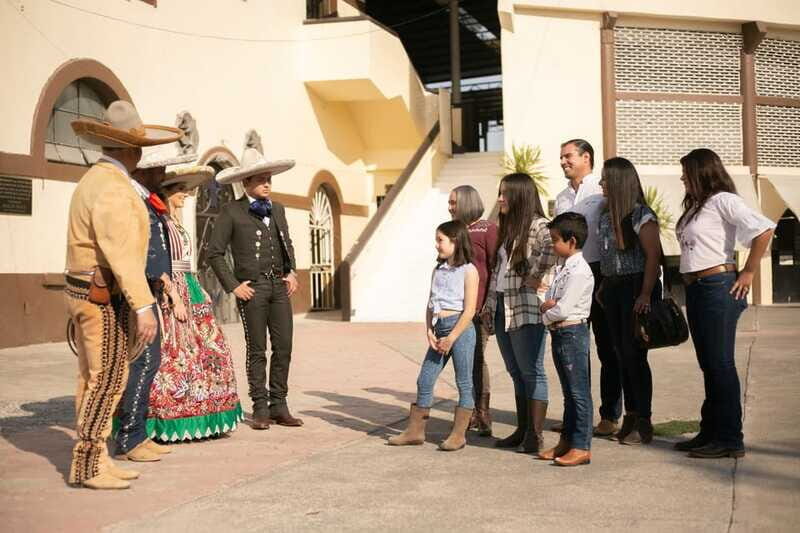
- Charro Gear Up Close: Costume Craft and Sunday Traditions
- Lasso Basics: The Real Skill Lesson (and How It’s Framed)
- What you should expect during practice
- Horse Brushing, Saddling, and Parade Energy
- Campo Charro Jalisco: Traditional Tasks and Live Arena Atmosphere
- Finishing the Day: Wine Tasting, Tequila, and Mariachi Guitars
- Price and Value: What $47 Really Buys You
- Who Should Book This Charro and Charreada Tour
- Should You Book It or Choose Something Else?
- FAQ
- Where are the pickup locations?
- How long is the tour?
- What’s included in the price?
- What isn’t included?
- What language is the tour guide?
- What should I know if I have allergies?
- Can I cancel if plans change?
Key Highlights to Know Before You Go
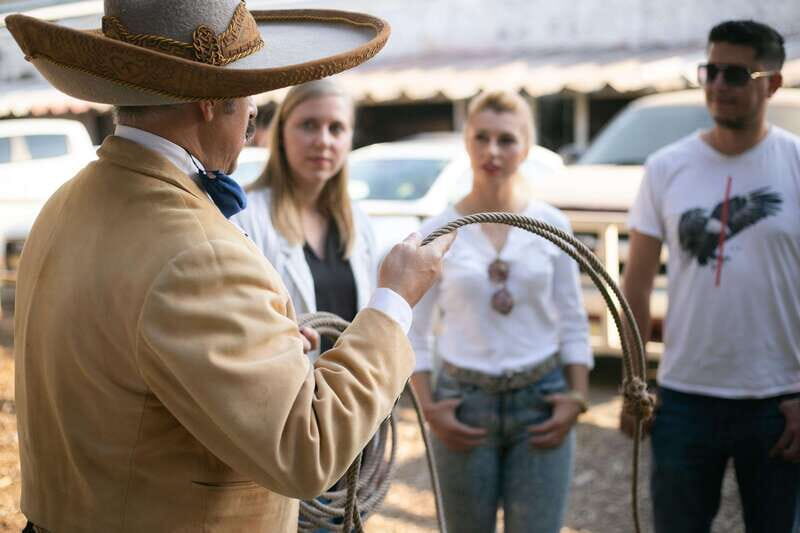
- Hands-on lasso time so you learn the basics and the differences in style versus other cultures’ rope traditions
- Horse prep and parade moments, including time brushing and saddling, and an opportunity to ride with other charros if conditions allow
- Charro costume and accessory focus, with a look at what you’ll see on Sundays in the charreada
- Lienzo museum context, plus a walkthrough of how charros fit into charrería history and the competitive arena format
- Tequila and mariachi to close, with your group mixing with the charros after the action
- Real “arena day” energy, since competitions may be happening during your visit depending on the schedule
Why This Charro Tour Feels More Personal Than a Typical Show
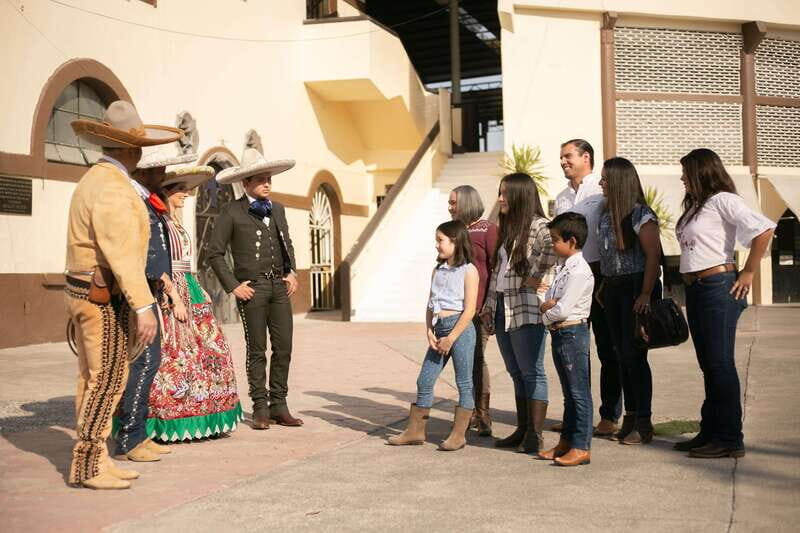
A lot of culture tours give you facts and photos. This one gives you work. You’ll be out at a lienzo (cowboy arena) in the boots of a Mexican charro, learning what you’re seeing instead of just being impressed by it.
The reason it lands well is simple: charrería isn’t one act. It’s a whole set of skills, gear, and etiquette that shows up in Sunday charreada events. In this tour, you get a guided version of that flow—museum context first, then technique, then arena action—so the “what” turns into “why.”
And yes, it’s also just a great day for people who love horses. You’re not stuck behind a rail. You get close enough to understand the effort behind saddles, tack, and how charros set up for performance.
You can also read our reviews of more historical tours in Guadalajara

Getting to the Arena: Pickup Points in Guadalajara and Why the Drive Matters
You start with pickup at one of three places: Chapultepec Country, Guadalajara Centro/Tlaquepaque area options (Tlaquepaque is listed), or another central option depending on your selection. The point isn’t just convenience. The drive includes a bit of city history as you pass through historic neighborhoods that connect to early charrería roots.
This matters because you’ll spend the next hours learning about a tradition that grew with Mexican communities, not in a vacuum. When the guide ties that local history to what happens at the arena, the day stops feeling like a generic “activity.” It starts feeling like a story with continuity.
Also, the transport is rated very highly—data shows 90% of people gave it a perfect score. That’s a comfort factor when you’re traveling in a new city and you just want the logistics handled.
Lienzo Welcome and the Museum Piece That Sets the Stage
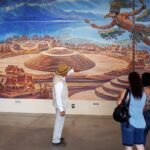
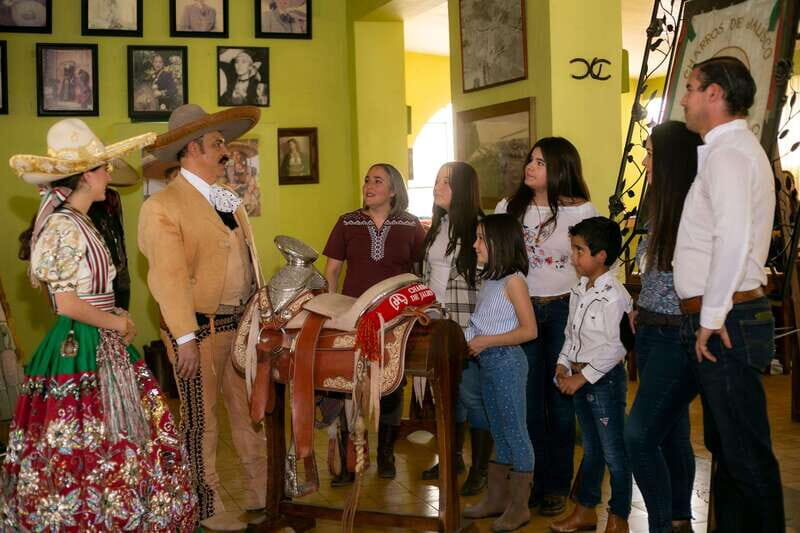
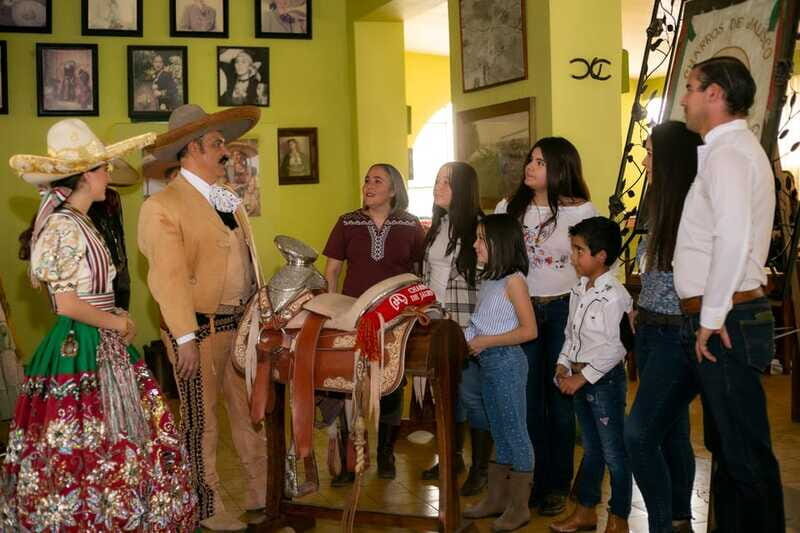
Once you reach the Campo Charro Jalisco area (the arena setting used for the experience), a charro welcomes you and takes you through the origins of the Mexican charro in the arena’s museum.
This museum stop is more than waiting around before the fun. It gives you a framework for what you’ll notice next:
- why the costume is built the way it is
- what the gear says about rank and role
- how charrería became a cultural identity that’s recognized as part of Mexico’s heritage
You’ll also see a collection of accessories and traditional costumes that charros use every Sunday during the competitive charreada environment. So when you’re later looking at tack, ropes, and uniform details, your brain has a reason to care.
Practical note: bring a light layer. Arenas can feel warm, then breezy, then warm again. You’ll be outside more than you might expect.
Charro Gear Up Close: Costume Craft and Sunday Traditions
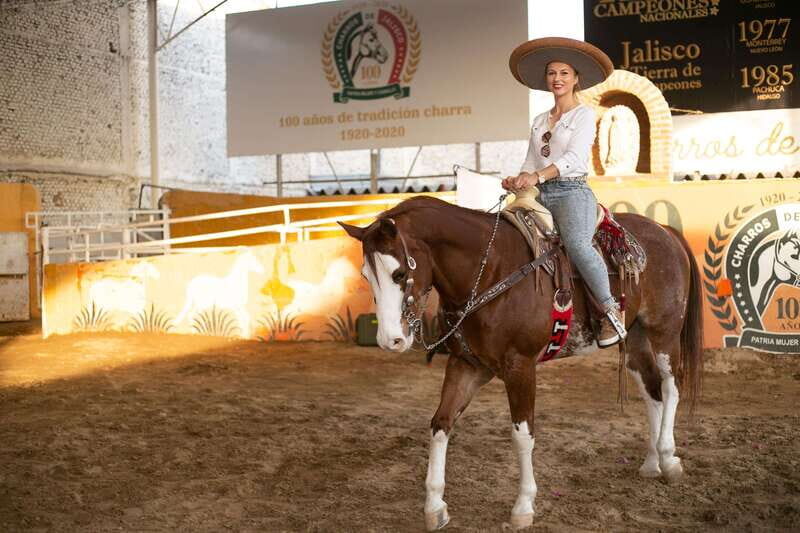
Next comes the part I think most people quietly love: seeing the craftsmanship up close. The tour is set up so you don’t only admire charro outfits like a fashion show. You learn what you’re looking at and why it fits the culture.
The tour also emphasizes how charros appear in the real weekly rhythm—every Sunday in the charreada, a competitive event similar to a rodeo. That detail is important, because it reframes the whole thing from “festival costume” to “organized tradition with roles and routines.”
If you’re the type who notices belts, stitching, metalwork, and rope knots, you’ll enjoy this stop a lot. And if you’re not, you’ll still feel the difference between a made-for-tour outfit and something that’s built to last and perform.
Lasso Basics: The Real Skill Lesson (and How It’s Framed)
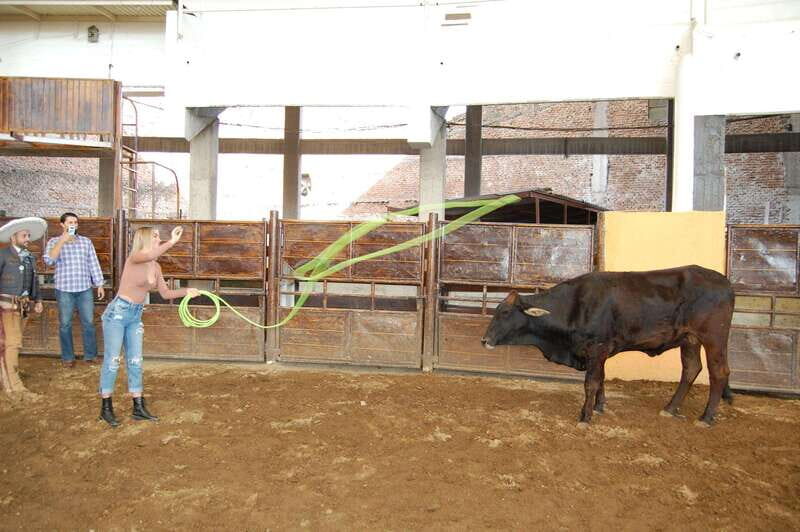
Here’s where the tour stops being passive. You’ll get a lesson on using the lasso used by charros and learn how that differs from rope traditions in other cultures around the world.
This is one of the most valuable parts because it takes an object most people only see in movies and turns it into a learnable skill. You’ll be taught enough to feel the technique, not just watch someone else do fancy throws.
The guide’s approach matters too. In past sessions, people have praised guides like Jorge (and others such as Marcos and Mateo) for explaining the history and customs clearly while still making the practice feel approachable. You’ll feel like you’re in class with someone who enjoys teaching, not being rushed through a photo op.



What you should expect during practice
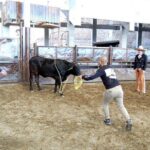
You’ll get hands-on instruction that builds from basic handling toward more “target” focused movement. Some setups include practice opportunities like trying a bull-catching-style routine. One experience described trying first with a wooden bull and then with a real one (trained). Your exact practice prop can vary by day and arena setup, but the theme stays the same: you’ll do more than point and clap.
Safety-wise, you’re in a controlled arena environment with instruction, not out on a chaotic rodeo street. Still, go in ready for quick learning and small corrections.
Horse Brushing, Saddling, and Parade Energy
If lasso practice is the mind part, horse time is the heart part. You’ll help with horse prep—brushing and saddling—and then learn how horses are chosen for the parade opening the charrería action.
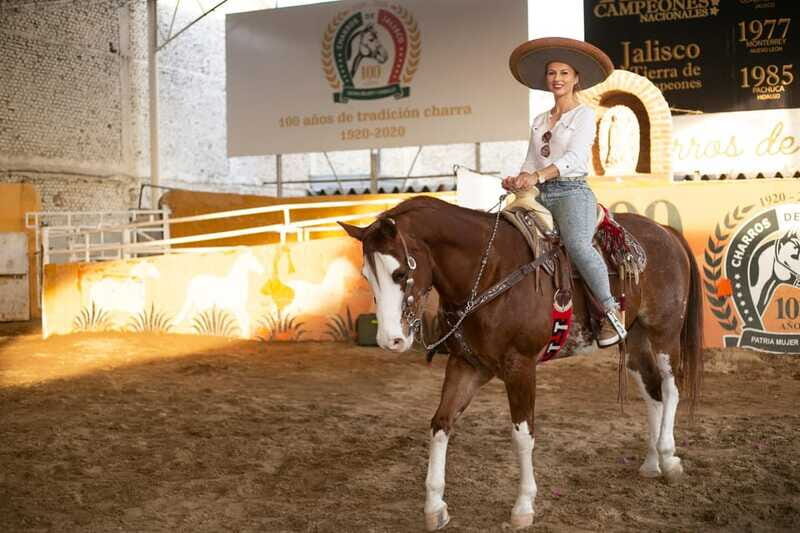
That parade piece is a big reason this tour feels lively. You’re seeing how charros build spectacle in motion, not just static performance. If it’s possible on the day, you may even ride a horse along with other charros so you can be part of that parade flow.
Even if you don’t get a mounted parade moment, you’ll still feel the choreography behind it:
- how a horse is handled and prepared
- how tack fits the routine
- how the group moves together to open the arena segment
This is also where your guide’s pacing matters. People have noted guides being attentive and thoughtfully paced, especially for families and first-timers. Expect instruction that tries to match the group’s comfort level, not a “speedrun” through dangerous-looking stuff.
Campo Charro Jalisco: Traditional Tasks and Live Arena Atmosphere
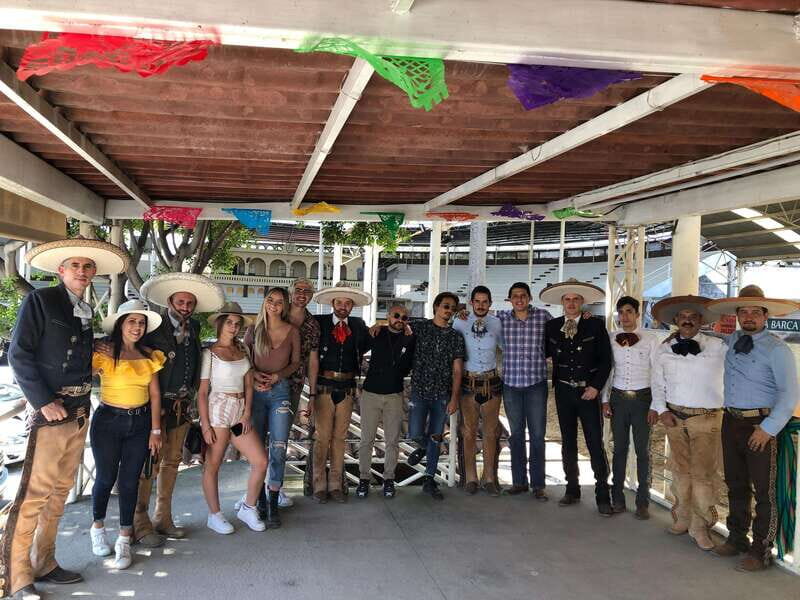
After the setup and practice, you’ll be guided through traditional tasks as your charro guide explains the different activities that take place during charrería.
Your day may also overlap with actual competitions in progress at the arena. Some experiences describe staying to enjoy ongoing arena action and being treated like special participants while those events continue. Translation: you might get extra “real” energy beyond the planned lesson blocks, depending on the day of the week and schedule.
This is also where UNESCO-level cultural context starts to make sense in a real way. You see the structure behind the sport-like events and understand that it’s not only about spectacle. It’s about discipline, training, and a community identity carried through generations.
Finishing the Day: Wine Tasting, Tequila, and Mariachi Guitars
To close, the tour shifts gears from arena work to celebration. You’ll have a wine tasting included, plus two alcoholic drinks—beer or tequila—depending on what’s selected during your session. You’ll also get water included, which is smart because outside time can catch up fast.
Then it’s mariachi. Your charro friends and guides share the finale with mariachi guitar sounds and a social vibe that feels like the tradition continuing rather than ending with a bus ride.
This ending matters because it turns the tour from “activity checklist” into “cultural participation.” You leave understanding how charros celebrate after practice and competition—like people, not performers.
Also, if your guide includes musical talent, don’t be surprised. One experience specifically noted a guide who was an excellent singer and musician, which adds that extra layer of connection.
Price and Value: What $47 Really Buys You
At $47 per person for about 4 hours, this tour is priced for real value if what you want is action plus cultural context.
Here’s what you’re getting for that money:
- pickup service
- entrance to the arena
- guided lasso and horse-related learning
- horse handling time
- included water
- two alcoholic drinks (beer or tequila)
- live guide in English or Spanish
- an arena museum/cultural orientation element
- wine tasting
What’s not included is also clear: no drop-off service, and no food. So budget for a meal either before you go or after you return.
For value, the biggest factor is that you’re doing the “work” parts—lasso basics and horse prep—rather than only watching a staged show. That’s why so many people come away calling it one of their most memorable Guadalajara activities: the tour creates a personal connection to the tradition, not just an impressive scene.
Who Should Book This Charro and Charreada Tour
Book it if:
- you want hands-on culture with horses and rope practice
- you’re curious about why charros are treated as a cultural identity, not just a costume
- you like guided storytelling that connects local Guadalajara history to what’s happening in the arena
- you want a social ending with tequila and mariachi, not a quick “done and gone” experience
It’s also a good pick for families with kids who can handle outdoors and basic instruction. One family with an elementary-aged child had a great time, and the guide pacing helped make it work.
Skip (or plan carefully) if:
- you have strong allergies to dust or horses and you’re sensitive even with medication
- you’re looking for a fully sedentary tour with minimal physical activity
Should You Book It or Choose Something Else?
If you’re on the fence, choose this if your ideal day includes learning a real skill, standing in an arena with real tradition energy, and leaving with memories that don’t fade into “just another show.”
I’d especially recommend booking if you like cultural experiences where you can ask questions and actually try things. The lasso lesson plus the chance to brush, saddle, and possibly ride with the charros makes this more interactive than most Guadalajara day tours.
But if your main goal is museums and quiet sightseeing, you might prefer a lighter-day option. This one is hands-on, outdoors, and built around action.
If you do book: bring comfortable clothes you can move in, closed-toe shoes for arena time, and consider packing dust protection if you’re prone to allergies. Then show up ready to learn and laugh. This is the kind of day where you don’t need to be “good at horses” to enjoy it. You just need to be willing to try.
FAQ
Where are the pickup locations?
Your pickup options include Chapultepec Country and Tlaquepaque, with an additional central Guadalajara option (selected at booking).
How long is the tour?
The tour lasts 4 hours.
What’s included in the price?
Inclusions are pickup service, entrance fee, bottle of water, two alcoholic drinks (beer or tequila), and a guided experience with live English or Spanish interpretation plus activities like horse time and lasso instruction. Wine tasting is also included.
What isn’t included?
Food isn’t included, and there’s no drop-off service listed.
What language is the tour guide?
The live tour guide is available in English and Spanish.
What should I know if I have allergies?
Some people experience allergies triggered by dust or horses during the tour. If you’re sensitive, bring your medication.
Can I cancel if plans change?
Yes. Free cancellation is available up to 24 hours in advance for a full refund.