REVIEW · SAN CRISTOBAL DE LAS CASAS
From San Cristóbal: Chamula and Zinacantán Guided Tour
Book on GetYourGuide →Operated by Jalapeño · Bookable on GetYourGuide
Chamula feels like another world. This guided day trip from San Cristóbal de las Casas pairs an eye-opening look at Tzotzil Maya traditions with a hands-on weaving stop in Zinacantán. You’re in good hands too, since guides like Miguel or Alonso are repeatedly praised for clear English and respectful explanations.
I love the San Juan Chamula church visit, because it shows faith that’s both quiet and deeply specific, with details you won’t catch on your own. I also love Zinacantán’s women’s weaving cooperative, where you can watch the waist-loom process and buy textiles directly from the people making them.
One thing to consider: the Zinacantán portion can feel a bit like a sales push, especially around textiles. If you’re hoping for a long, deeply technical weaving lesson, plan for a shorter demonstration and more time shopping than classroom-style learning.
In This Review
- Quick hits you’ll care about
- The value of this 5-hour cultural loop from San Cristóbal
- Meeting at Al Grano Café: start easy, start central
- San Juan Chamula: the church visit where respect matters
- A possible discomfort (and how to handle it)
- Zinacantán: watching Tzotzil weavers at the waist-loom
- The best part: textiles with a human link
- Food and local drinks: tortillas, coffee, and pox tasting
- A sensible approach if you have dietary concerns
- Shopping in Chamula and Zinacantán: where value meets price reality
- Tour pacing and what the timing means for you
- Guides make or break the experience (and names you may hear)
- Who should book this tour—and who might want something else
- Should you book this Chamula and Zinacantán day trip?
- FAQ
- Where do I meet for the tour?
- How long is the tour?
- Is transportation included?
- Is a guide included?
- What languages are offered?
- Are entrance fees included?
- Is food included?
- Can I take photos or video?
- What should I bring and wear?
- Is it refundable if I cancel?
Quick hits you’ll care about
- No cameras or video during the Chamula church experience, which keeps the focus on the ritual
- Air-conditioned minivan with short, timed transfers so the day stays efficient
- Church + community co-op format: you see belief systems and daily work, not just crafts in a shop
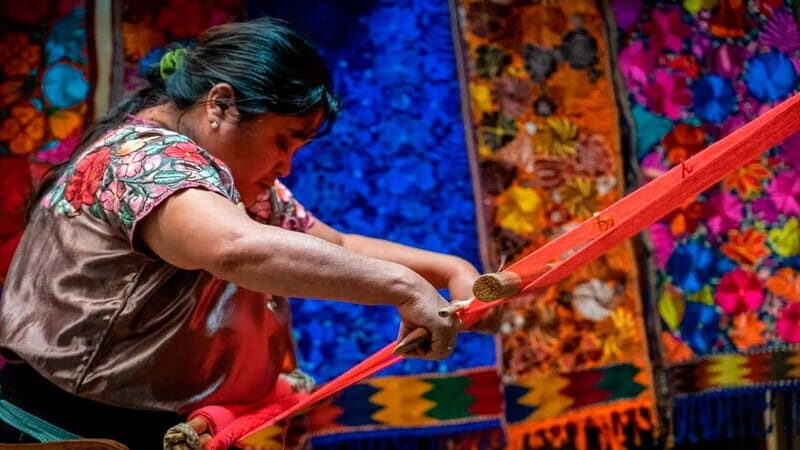
- Zinacantán waist-looms: you’ll likely see women working at the loom and learn what the patterns mean in everyday terms
- Tastings can include homemade tortillas, cheese/bean tacos, local coffee, and even pox tasting
- Textile shopping with real connections, though prices can be higher than in town depending on what you buy
The value of this 5-hour cultural loop from San Cristóbal
This trip costs $32 and runs about 5 hours total, which is a practical length for people who want real culture without losing an entire day to transit. You’re also not just “dropped off.” You get a live guide, air-conditioned transportation, and entrance fees, which means you spend less time figuring things out and more time understanding what you’re seeing.
Where value shows up most is the pairing. San Juan Chamula isn’t just a landmark; it’s a living religious space with rules for visitors. Zinacantán shifts the story to work, craft, and family-run production. That mix is why this itinerary tends to land well for first-timers to Chiapas and for repeat visitors too.
Just know that food isn’t listed as included, so don’t count on lunch being part of the price. That said, you may still get tastings during the community stops—more on that below.
You can also read our reviews of more guided tours in San Cristobal De Las Casas
Meeting at Al Grano Café: start easy, start central
You meet at Al Grano Café in the Centro area of San Cristóbal (Portal Oriente 9). That’s convenient because you’re already in the part of town most visitors use for cafés, tours, and walkable errands.
From there, you’ll head out by air-conditioned minivan, and the driving time is relatively short. The day is paced with quick transfers so you aren’t sitting in the vehicle for ages between “important” moments.
Wear comfortable shoes even if you think you’re staying “inside.” Church areas and community spaces can involve uneven floors and standing while your guide explains what to look for.
San Juan Chamula: the church visit where respect matters
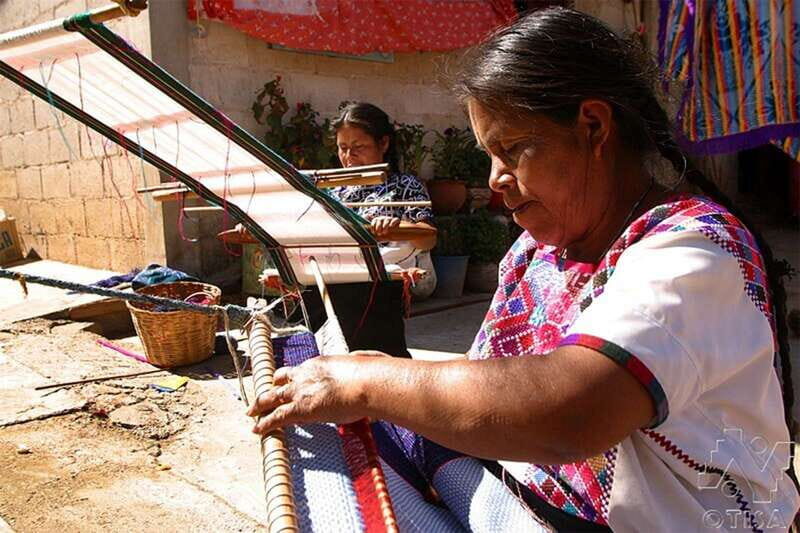
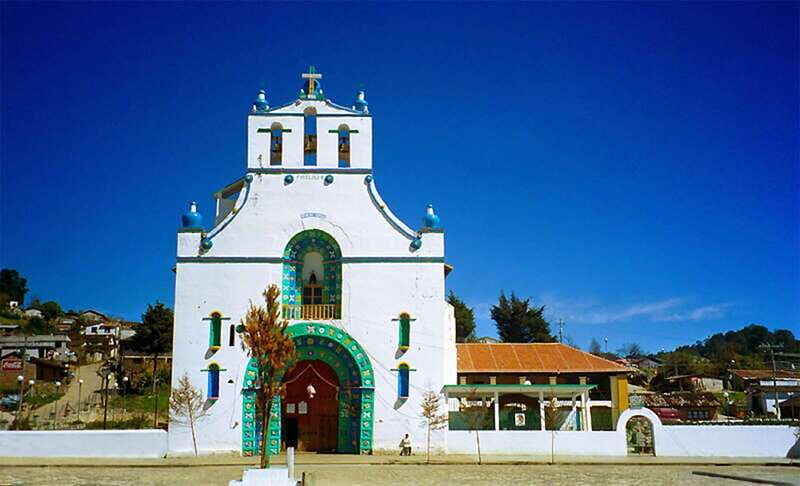
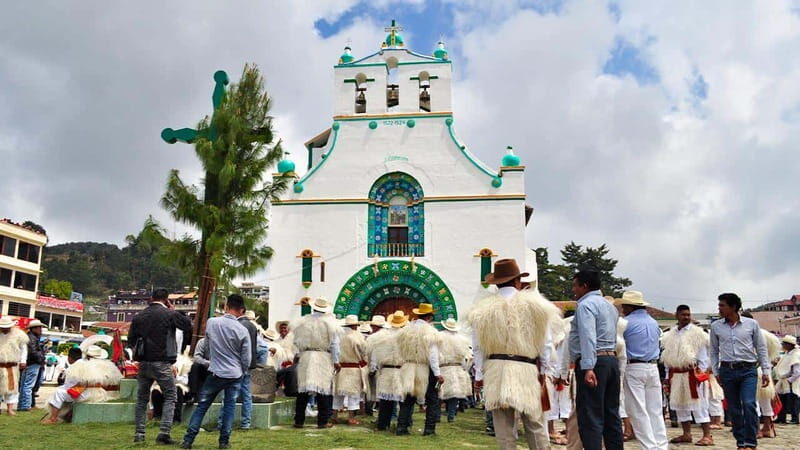
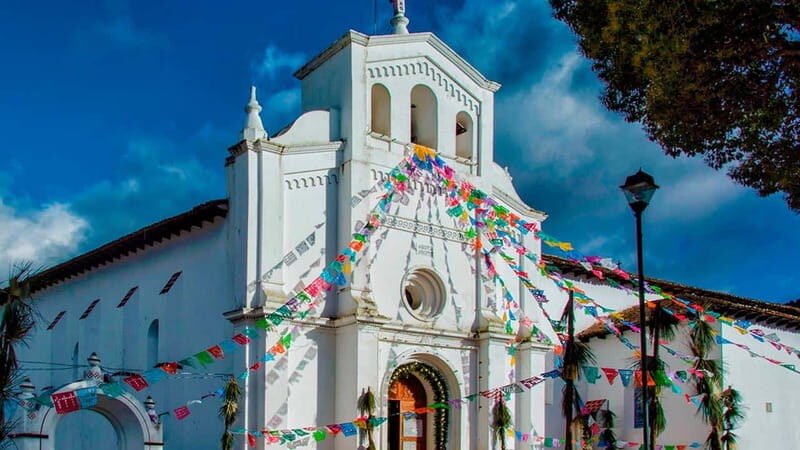
The Chamula stop is often the highlight because it doesn’t feel like a tourist photo spot. You go into the heart of an indigenous religious setting, where the experience is guided and quiet. One of the biggest practical rules: no cameras and no video recording.
Inside, you’ll notice details that make the place feel unlike a standard Catholic church visit. Pine leaves, candles, and an overall sense of ritual calm show up again and again in traveler descriptions. Your guide’s job here is key: without context, it’s easy to miss what you’re actually seeing or why visitors are asked to behave in certain ways.
A practical tip: dress and move like you’re visiting a sacred site, not a museum. Keep your voice low, follow instructions, and remember that you’re there to understand, not to “collect” images.
A possible discomfort (and how to handle it)
Some people feel awkward watching rituals up close, even when they’re allowed. If you’re sensitive to that, treat the visit like a respectful observation—slow down, keep distance where needed, and let your guide explain how the community understands the space. That mindset makes the experience feel less like trespassing and more like learning.
Zinacantán: watching Tzotzil weavers at the waist-loom
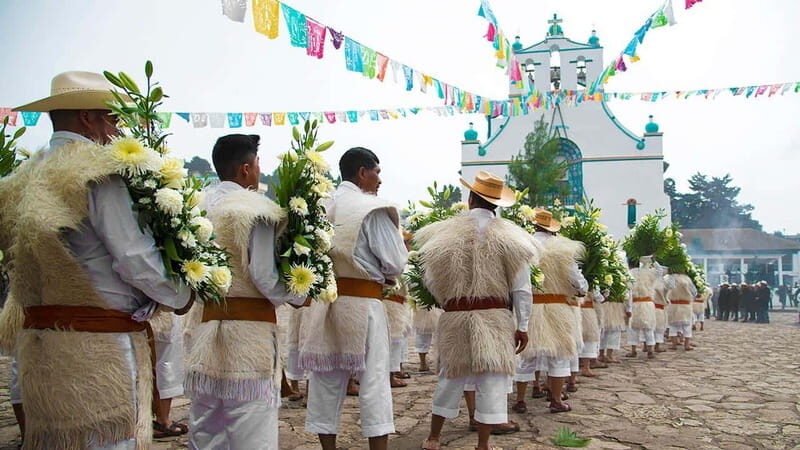
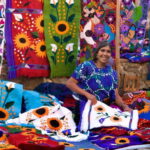
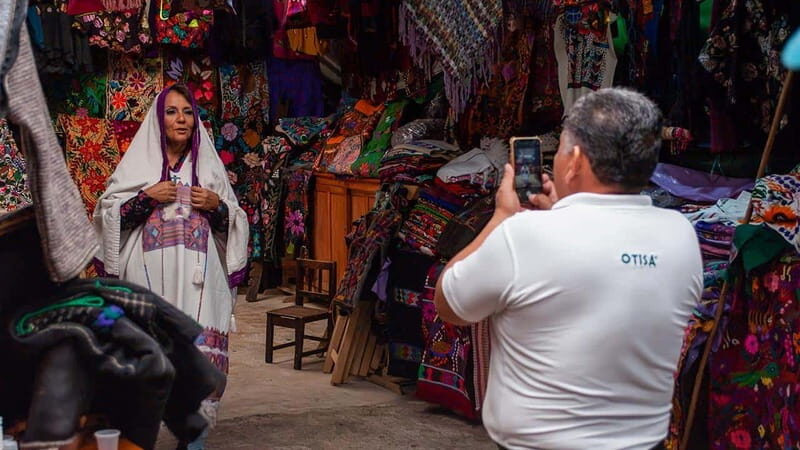
Zinacantán is the second major stop, focused on Tzotzil Maya artisanship. This part is built around a women’s weaving cooperative/community setting, where you can watch the textile work firsthand. Reviews specifically mention seeing women at pre-Columbian waist looms, which is exactly the kind of skill you can’t really replicate in a quick demo at home.
You’ll likely get a guided tour through the work area and then time for interaction. People describe the cooperative as not overly staged—meaning you might see real concentration and real production rhythms, not just a performance for visitors.
One fair caution: the weaving segment can be shorter than you expect. A few guests note that the demonstration didn’t go extremely deep on the technical side. If that’s your main goal, set your expectations to “see the craft in action and hear the meaning” rather than “leave with a master’s course.”



The best part: textiles with a human link
If you buy anything, this stop is where the connection matters. Since it’s done through a cooperative setting, you’re not just purchasing souvenirs from a rack. You’re buying from the people who make them—often with time to ask questions and try items on.
That “try-on” detail comes up in feedback too, and it’s practical. Textiles look different in your hands and on your body than they do folded in a store window.
Food and local drinks: tortillas, coffee, and pox tasting
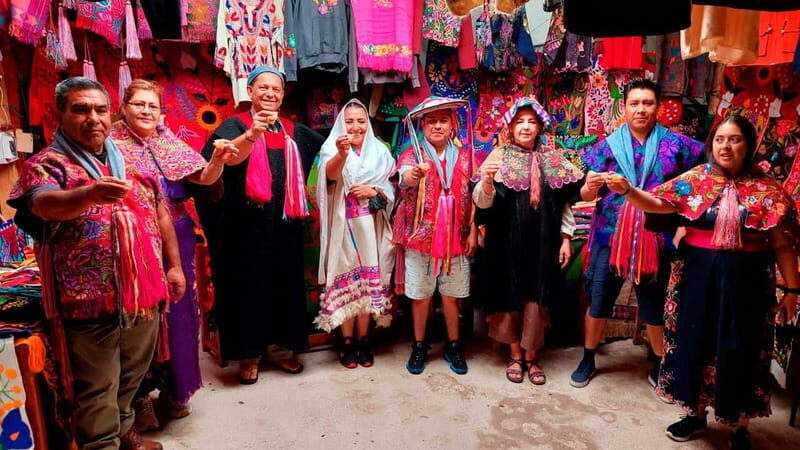
This tour includes tastings during the community experience, even though the overall “Food and drinks” line isn’t listed as included. In real terms, expect small, guided tastes rather than a full meal.
Commonly mentioned tastings include fresh tortillas, plus items like cheese or bean tacos. Coffee also comes up as a standout—strong enough that people remember it even days later.
Then there’s pox, a local liquor. Several reviews describe a pox tasting as part of the Zinacantán portion, and it’s the kind of add-on that makes the day feel more like a cultural visit and less like a sightseeing checklist. If you don’t drink alcohol, just let your guide know early; tastings don’t have to become a forced choice.
A sensible approach if you have dietary concerns
The tour data doesn’t provide ingredient lists. So if you have allergies or strict dietary rules, ask your guide what’s being served during the tastings. Better to clarify on the spot than to guess later.
Shopping in Chamula and Zinacantán: where value meets price reality
Zinacantán is where you’ll likely spend money, because textiles are the obvious draw and you’re in the right place to shop. I like that the guide points you toward understandable purchases—items made by the cooperative rather than random imports.
But here’s the balance: one review notes that prices may be higher than what you’d see in town for similar items. That doesn’t automatically mean it’s overpriced—it can mean you’re paying for direct sourcing and the cooperative’s work—but it’s useful to keep your eyes open.
My practical advice:
- Decide what you want before you start bargaining or browsing.
- Compare the general look and size, not just the price tag.
- If you’re buying for clothing, prioritize fit and fabric feel during try-on time.
Tour pacing and what the timing means for you
The day runs in a tight loop with multiple stops, and the transfer times are approximate depending on traffic. That matters because Chiapas roads and schedules can vary, and you don’t want your “one day” plan to collapse.
In this itinerary, the vehicle segments are relatively short, which keeps energy up and helps you stay focused at each cultural moment. You’ll spend about 1.5 hours in Chamula and about 1.5 hours in Zinacantán with guided time at each stop, plus the drive back.
One more reason timing is good: you’re not trying to do everything in one giant day. Five hours is long enough to learn and shop a bit, short enough to still enjoy San Cristóbal afterward.
Guides make or break the experience (and names you may hear)
A strong guide makes the difference between seeing rituals and understanding them. Reviews repeatedly praise guides for being engaged, funny, calm, and able to switch between English and Spanish smoothly.
Names mentioned include Miguel and Alonso (and similar spellings), with one standout theme: guides don’t just recite facts. They explain what you’re seeing and answer questions as you go, including during the church visit where context is essential.
If your guide is less talkative on one stop, it can feel uneven. Some feedback notes Zinacantán explanations were lighter than Chamula’s. So when you arrive, ask at least one question about what the patterns mean or how the co-op works—then you’ll get more out of the time you’re paying for.
Who should book this tour—and who might want something else
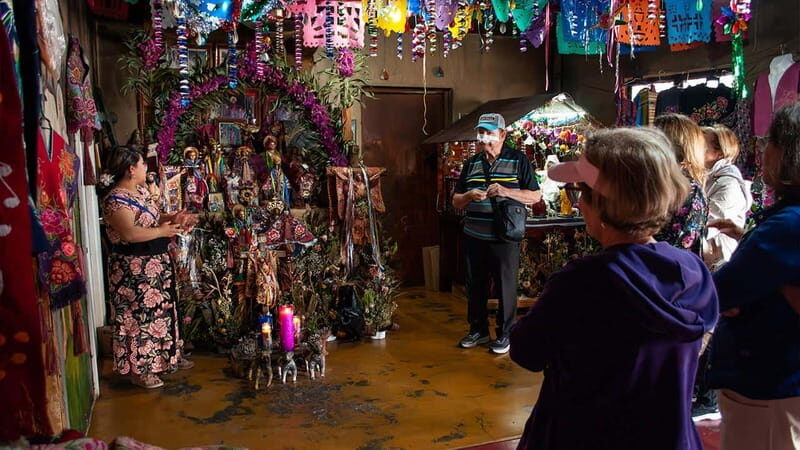
This is a great fit if you:
- Want an efficient day trip that covers both belief and craft
- Like guided cultural context (especially for religious spaces)
- Want textile shopping with a clearer connection to the makers
- Are curious about Tzotzil Maya daily life and traditions
It may be less perfect if you:
- Are very camera-driven (no filming or camera allowed during the Chamula church visit)
- Want a long, technical weaving workshop with deep hands-on instruction
- Dislike any retail feel, because the Zinacantán stop can include a stronger sales atmosphere than you’d expect
If you’re the type who enjoys asking respectful questions and taking your time with observation, you’ll likely have a smooth day.
Should you book this Chamula and Zinacantán day trip?
I think this tour is a solid booking for most visitors to San Cristóbal, mainly because the experience isn’t just “see and go.” Chamula gives you a rare look at living rituals, and Zinacantán shifts you toward real artisan life—often with tastings and chances to try textiles on.
Book it if you’re okay with rules (no cameras), ready for a guided visit that leans more cultural than technical, and you want good value for a guided, entrance-included circuit.
Skip it or consider alternatives if you want maximum hands-on weaving practice or you strongly dislike environments that feel sales-oriented. In that case, you might still enjoy it, but you’ll want to mentally frame Zinacantán as both cultural education and a shopping stop.
FAQ
Where do I meet for the tour?
You meet at Al Grano Café, Portal Oriente 9, Col. Centro, San Cristóbal de las Casas.
How long is the tour?
The tour duration is about 5 hours, including transfers.
Is transportation included?
Yes. You travel by air-conditioned minivan.
Is a guide included?
Yes, the tour includes a live tour guide.
What languages are offered?
The live guide is available in English and Spanish.
Are entrance fees included?
Yes, entrance fees are included.
Is food included?
Food and drinks are not listed as included, but tastings can happen during the community experience. Plan to pay for your own meals if you want a full lunch.
Can I take photos or video?
No. Video recording and cameras are not allowed.
What should I bring and wear?
Bring a passport or ID card, and wear comfortable clothes and comfortable shoes.
Is it refundable if I cancel?
You have free cancellation up to 24 hours in advance for a full refund.