REVIEW · MERIDA
From Merida: Chichen Itza, Cenote, and Izamal, a Magical Town with Lunch
Book on GetYourGuide →Operated by Trekzy · Bookable on GetYourGuide
Dawn at Chichén Itzá changes the whole mood. This one-day route from Merida strings together Mayan ruins, a cenote swim, and two very different towns—Valladolid and colorful Izamal—so you get more than just another stop-and-snap archaeology day.
I love the early timing for Chichén Itzá. I also love how much of the day is guided, with stories and culture built around what you’re seeing, plus cenote access after the main ruins.
One thing to plan for: the day has extras beyond the $75 rate, especially the Chichén Itzá entry tax (about $44 USD) and on-site fees like life jacket/locker rental (listed as $200 MXN), plus you may want to confirm how much the guide speaks English versus Spanish for your group.
In This Review
- Key things to know before you go
- Why Chichén Itzá at dawn feels different
- The guide effect: stories, alignment, and why Mayan engineering matters
- Chichén Itzá essentials: Kukulcán, El Caracol, and what to look for
- Pyramid of Kukulcán: more than a postcard
- El Caracol: the observatory that changes how you read the site
- Photo stops and free time: use both wisely
- Cenote Chichikan: cool water, sacred space, and swim-gear reality
- Valladolid: colonial buildings with real texture
- Convent of San Bernardino de Siena
- Cathedral of San Gervasio (Baroque style)
- Izamal, Pueblo Mágico: quick color and a town break
- Price and money math: what $75 really covers
- What’s included
- What’s not included (and you’ll feel it)
- One more practical warning: be ready for sales pressure
- Getting your day to run smoothly from Merida
- Pack like you’re doing two activities in one day
- Camera rules
- Language, group timing, and how to avoid frustration
- Who should book this Chichén Itzá, cenote, Valladolid, and Izamal day trip
- Should you book this tour
- FAQ
- FAQ
- How long is the tour?
- Where do I get picked up in Merida?
- What’s included in the price?
- What extra costs should I expect?
- Is lunch included?
- Is the cenote included?
- What are the language options?
- Can I bring a drone?
Key things to know before you go
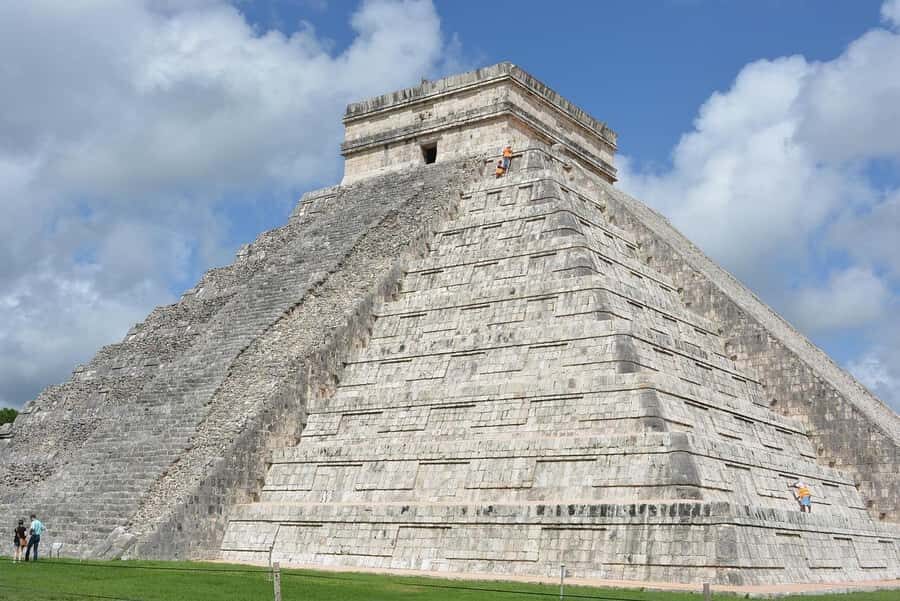
- Early access to Chichén Itzá helps you see the big moments with less crowding and less heat.
- A guide with culture-first storytelling focuses on how the site worked politically and spiritually, not just dates.
- Cenote time is real swim time (bring swimwear, a towel, and a change of clothes).
- Valladolid and Izamal add contrast: colonial architecture in Valladolid, then a more “town” vibe in Izamal.
- Watch the money math: Chichén Itzá tax is separate, and there are possible extra charges for camera gear and swim gear.
Why Chichén Itzá at dawn feels different
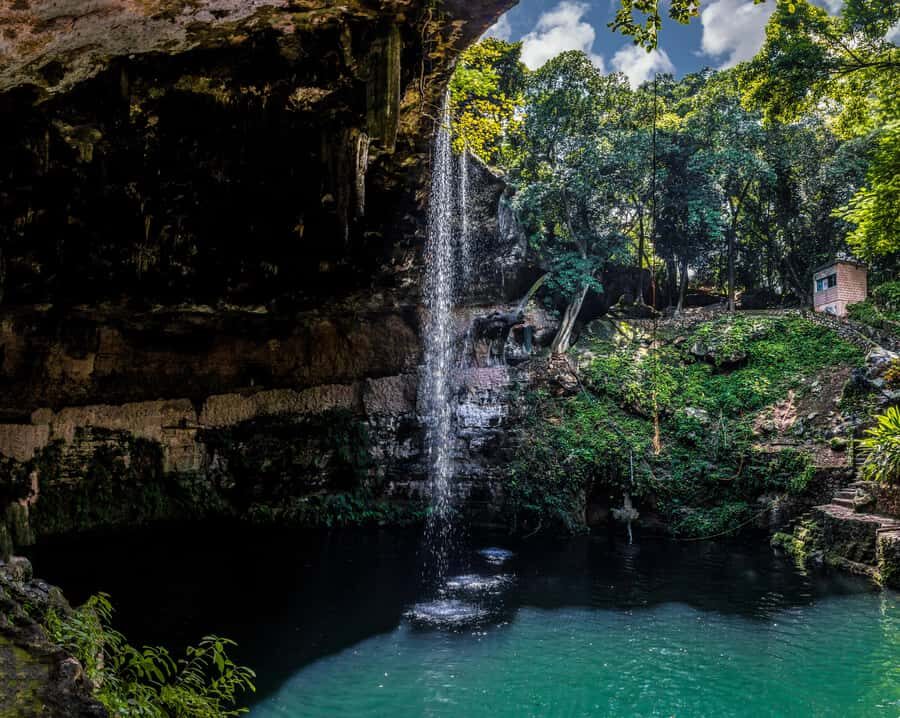
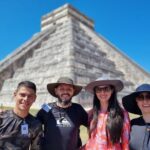
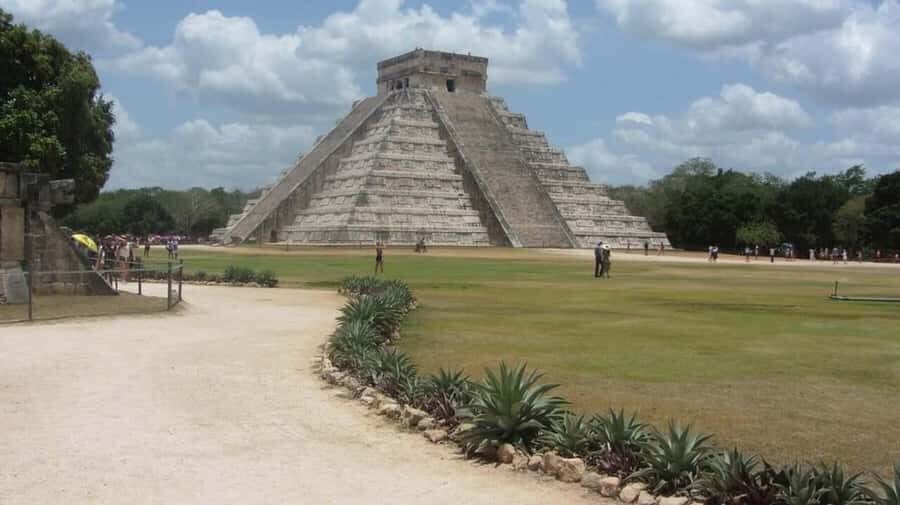
Chichén Itzá hits harder early in the day. The pyramid of Kukulcán is massive on its own, but seeing it before the day’s full rush gives you breathing room to notice details—stairs, angles, and the overall scale—without feeling like you’re being swept along.
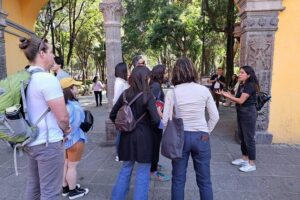
This tour is built around that early start, with a visit that includes a photo stop, guided time, and free time to wander the area on your own. You’ll likely get that rare combo: guided structure for understanding, plus a little space to form your own opinions and take photos that aren’t rushed.
The other quiet win? Comfort. You’re not baking for hours before you even arrive. Yucatán sun can be relentless, so starting early makes the rest of the day feel manageable.
A few more Merida tours and experiences worth a look
The guide effect: stories, alignment, and why Mayan engineering matters
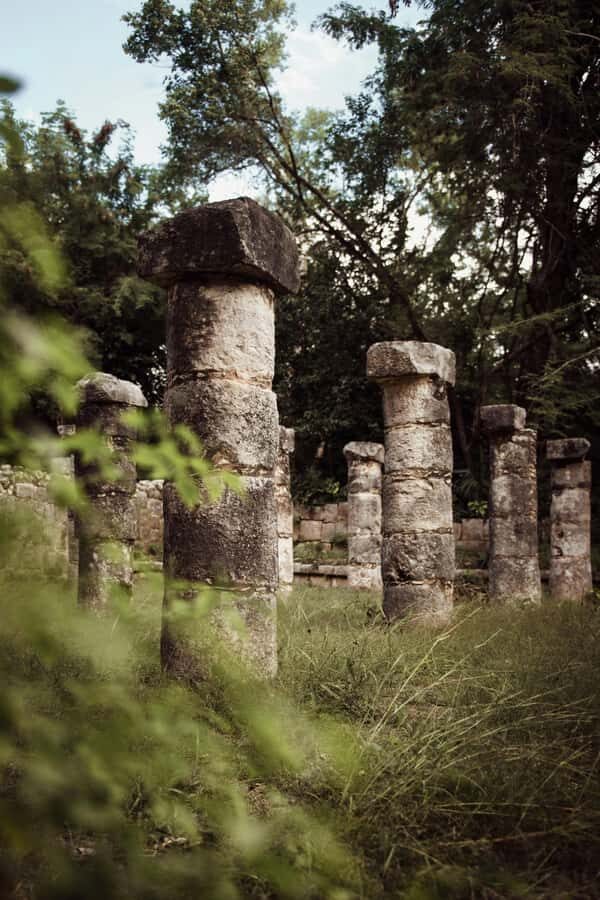
A good guide turns ruins into a living system. Here, you’re not just standing in front of stones; you’re getting explanations meant to help you connect what you see to how Chichén Itzá functioned between the Late Classic and Early Postclassic periods, when it served as power, pilgrimage, and a spiritual center.
You’ll also hear about astronomy and design, including El Caracol, an ancient Mayan observatory. When you understand that people built places with celestial thinking, the carvings and layout feel less random and more intentional.
One name to keep an eye on: Rosendo has been called out for clear explanations and a kind approach. If your group is led by him, that’s a promising sign for a more story-driven (and less dry) day.
Still, be realistic about language. The tour runs with live guiding in Spanish and English, but based on group makeup and timing, parts of the day—especially at Chichén Itzá—may lean more Spanish than you expect. If English-led narration is important to you, I’d confirm with the provider before you book.
Chichén Itzá essentials: Kukulcán, El Caracol, and what to look for
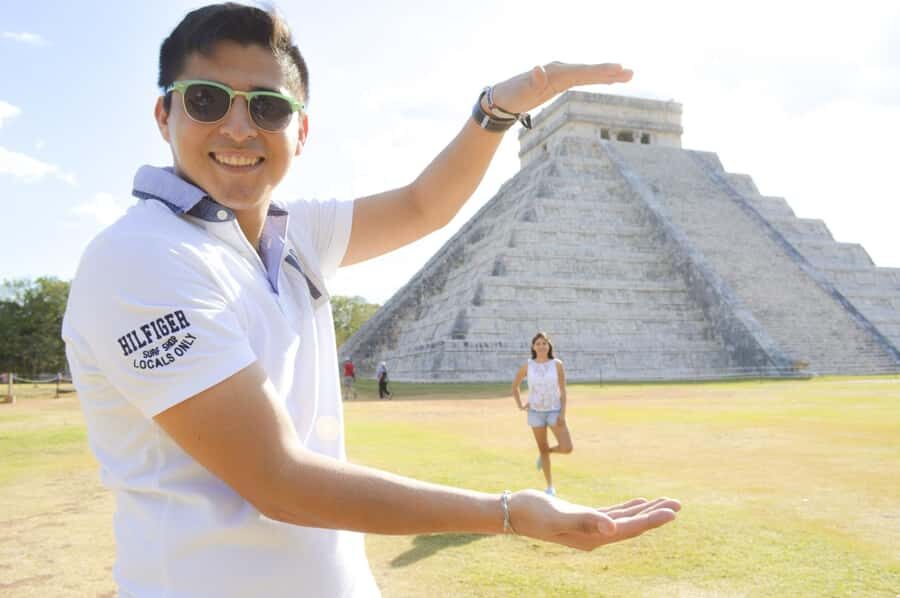
Chichén Itzá is famous for a reason, but it’s also full of moments that are easy to miss without context. With a guide, you’ll get a route through the best-known areas and the reasons they mattered.
Pyramid of Kukulcán: more than a postcard
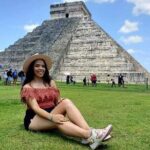
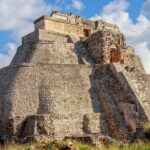
You’ll see the Pyramid of Kukulcán, the big visual icon. The impressive part isn’t just size—it’s how perfectly aligned it is, and how the design creates effects tied to the sun and stars. When someone points out what to watch for, the structure stops being a shape and starts being a tool.
El Caracol: the observatory that changes how you read the site
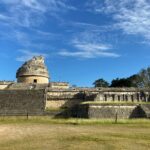
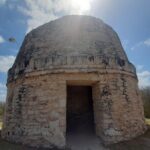
Next is El Caracol, which is where the science side shows up. It’s an observatory, so the vibe shifts from architecture-as-monument to architecture-as-instrument.
If you’re the type who likes to understand how ancient cities ran—daily life, ceremonies, and the reasons people traveled—this stop makes the place feel organized, not just impressive.



Photo stops and free time: use both wisely
You’ll get moments for photos and for sightseeing on your own. I suggest using free time for slower looking:
- Stand back and re-check the pyramid from different angles.
- Spend a few minutes watching how people move through open spaces.
- Don’t try to “collect everything.” One or two areas, well observed, beats a blur.
Cenote Chichikan: cool water, sacred space, and swim-gear reality
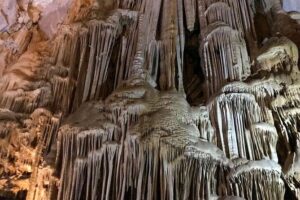
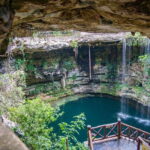
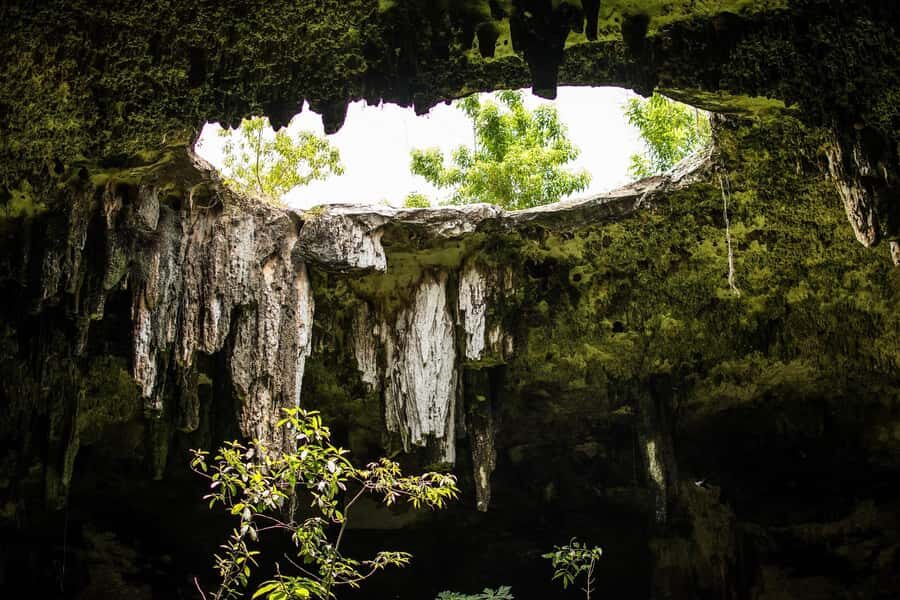
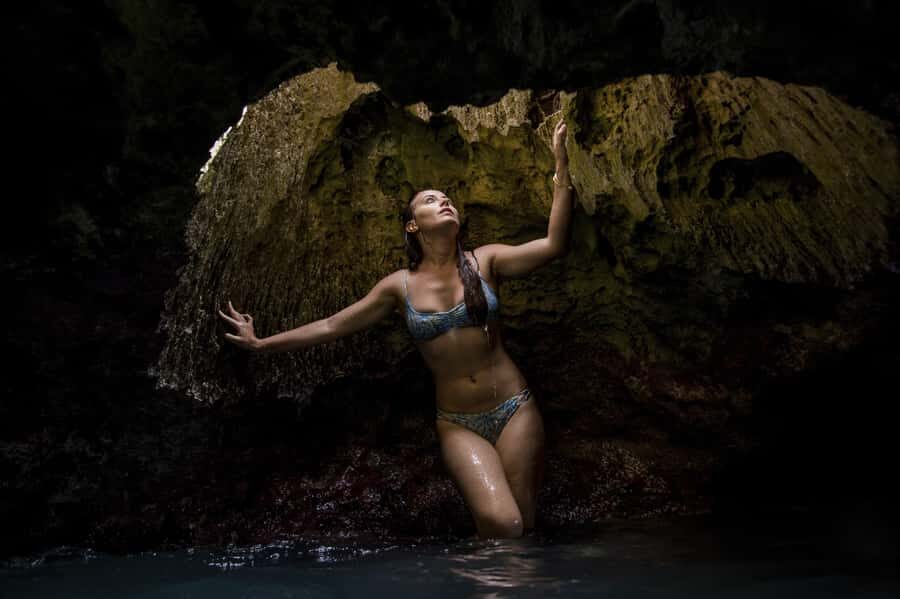
After the ruins, the cenote is the reset button. It’s natural, it’s cooler, and for many people it’s the most memorable part of the day because you actually get to participate, not just look.
You should plan this section as a swim stop. Bring swimwear, a towel, and a change of clothes. That’s not “nice to have”—it’s what keeps the day from feeling uncomfortable after you get out of the water.
Access to the cenote is included, but there are also on-site charges listed for life jacket and locker rental (given as $200 MXN). So even if the cenote entry itself is handled, expect that you might still need extra gear fees depending on how the cenote setup works that day.
Based on past experiences shared by some participants, cenote-related costs can differ from what people expect. The best move is simple: carry some cash/extra pesos so you’re not stuck improvising at a counter.
Valladolid: colonial buildings with real texture
Valladolid is where the tour widens from ancient Maya to Spanish colonial-era architecture. You’re scheduled for a break and lunch, and you’ll also have time to see two standout landmarks.
Convent of San Bernardino de Siena
This 16th-century convent is known for its historic presence and architectural gravity. If you like places where stones feel like they’ve witnessed the shift from one era to another, you’ll appreciate the mood here. It’s also a good pause if the morning’s big ruins left you slightly “overstimulated.”
Cathedral of San Gervasio (Baroque style)
The baroque-style cathedral gives you a different visual rhythm—more ornament, more drama, more vertical lines. Even if you don’t care about religious art in general, it’s worth a look because the style marks a time when power and faith showed up in bold design.
You’ll likely feel the time pressure here. The visit is real, but it isn’t a full day. I’d treat Valladolid as a “get oriented and see the icons” stop, not a deep slow stroll.
Izamal, Pueblo Mágico: quick color and a town break
Izamal is labeled as a Pueblo Mágico, and you’ll get sightseeing time there. This stop can feel like a breath of different air after temples and water.
Izamal’s value depends on your travel style. If you love town wandering—sunlight on walls, quick photos, short walks—this can be a fun change of pace. If you want another heavy-hitter ruin focus, this part may feel short or optional.
Some people have found the Izamal time to be the least useful segment. I get that. This isn’t the kind of stop where you can plan to see every detail. So keep expectations flexible: think of it as color and atmosphere more than a “must-see museum day.”
Price and money math: what $75 really covers
At $75 per person, this tour can be good value if you factor in what’s included versus what’s separate.
What’s included
You’re paying for:
- Round-trip transport from the Merida meeting points
- A pro guide for the day
- Cenote access
- A buffet lunch with Mexican food (exact menu depends on the option you choose)
- One drink per person
That mix matters. It’s not just a bus to ruins. You’re getting a structured day with guide time, lunch, and transportation—so you’re buying convenience and interpretation.
What’s not included (and you’ll feel it)
Expect extra costs, especially:
- Chichén Itzá tax: about $44 USD per person, and only card payments are accepted
- Possible extra charges for camera gear like GoPro/pro cameras/selfie sticks
- Life jacket and locker rental: $200 MXN
So your realistic budget is the $75 base plus the Chichén Itzá entry tax, before any optional camera gear or swim-gear rentals. If you do the math, that’s why carrying at least a mix of payment methods (card for the tax, plus extra cash for on-site items) keeps the day smooth.
One more practical warning: be ready for sales pressure
Some participants have described being steered toward vendors or asked for tips in a way that felt aggressive. Here’s my practical advice: you can say no early and clearly. Don’t feel obligated to negotiate or explain. If you want a souvenir, buy it when it’s genuinely your choice—not because someone else is standing in your path.
Getting your day to run smoothly from Merida
You’ll start at one of two pickup points in Merida:
- Parque de los Hidalgos, Paseo 60
- (Same area as a second pickup location option is listed, depending on logistics)
Because the day is long—690 minutes (about 11.5 hours)—small planning details matter.
Pack like you’re doing two activities in one day
Ruins + water means your bag needs two modes:
- Ruins mode: comfortable shoes, sun protection (the tour info doesn’t list it, but you’ll want it)
- Cenote mode: swimwear, towel, change of clothes
Also bring passport or ID, plus cash. Even though the Chichén Itzá tax is card-only, other on-site items can require cash.
Camera rules
Drones are not allowed. And there may be extra charges for certain cameras and gear like GoPro/pro cameras or selfie sticks. If you’re bringing specialized equipment, plan to pay those fees rather than hoping they’ll be waived.
Language, group timing, and how to avoid frustration
This tour includes live guiding in Spanish and English, and it’s described as having a private group option. Still, group dynamics can change how much English you hear, especially during the Chichén Itzá guided portion.
If you want the explanation layer in English, do a quick check before you go:
- Ask whether the Chichén Itzá guided talk is fully English for your group size and language mix.
- If you can’t confirm, bring a little patience and use your time for looking while you’re there.
Timing is also a real factor. Chichén Itzá, the cenote, Valladolid, and Izamal in one day is a lot. Some people feel it’s a bit rushed. If you’re the type who likes a slow museum pace, you may have to accept that this is a highlight tour, not a “take your time everywhere” day.
That said, the early start is a big deal and helps balance the intensity. If you can handle a packed day, you’ll likely feel like you got your money’s worth.
Who should book this Chichén Itzá, cenote, Valladolid, and Izamal day trip
This tour tends to work best if you:
- Want a single-day hit of Chichén Itzá plus cenote swim
- Like guided storytelling that explains why things matter
- Prefer not to coordinate transport between sites yourself
- Are okay with a full schedule and a bit of time pressure
It’s probably not ideal if you:
- Need fully wheelchair-accessible routes (it’s noted as not suitable for wheelchair users)
- Want a deeply slow pace in each town
- Are strongly dependent on English narration for every guided segment (because language balance can shift)
If you’re traveling as a couple, a small group, or even solo and you want structure, this can be a practical choice.
Should you book this tour
Book it if you want an organized, high-impact day with early access to Chichén Itzá, guided context, and an actual cenote experience. The included transport, guide, cenote access, and buffet lunch mean you don’t have to juggle multiple tickets and logistics.
Skip or look closer at alternatives if the extra costs would stress your budget, if you know you need all-English narration, or if you hate any situation where you might be pressured at stalls. In that case, a more strictly tailored guide or a private setup could feel better.
FAQ
FAQ
How long is the tour?
The total duration is 690 minutes (about 11.5 hours).
Where do I get picked up in Merida?
Pickup is available at Parque de los Hidalgos, Paseo 60 (with two pickup location options listed).
What’s included in the price?
Round-trip transport from the meeting point, a pro guide, access to the cenote, a buffet lunch with Mexican food, and one drink per person.
What extra costs should I expect?
Chichén Itzá entry tax (about $44 USD per person) is not included, and life jacket and locker rental is listed as $200 MXN. There may also be extra charges for GoPro/pro cameras or selfie sticks.
Is lunch included?
Yes. You’ll have a buffet lunch with Mexican food, and what’s offered can depend on the option you choose.
Is the cenote included?
Cenote access is included, and you should bring swimwear and a towel.
What are the language options?
The live guide is listed as Spanish and English.
Can I bring a drone?
No. Drones are not allowed.