REVIEW · MEXICO CITY
Explore the Barrio Bravo of Tepito with local guides
Book on Viator →Operated by FeelCDMX · Bookable on Viator
Tepito changes your view fast. I loved how this walk turns a misunderstood neighborhood into something you can actually see: street markets, working shops, and the calm weight of the Parroquia de San Francisco with its crypts. I also loved the food-and-drink pacing, especially the stop for Michelada Tepiteña with guides like Gaby or Nelly. One thing to plan for: you’ll want to bring cash, because cards aren’t accepted and there are no ATMs nearby.
This is a small-group experience (max 8 people) that runs about 2 hours 30 minutes to 3 hours, in English, starting at Letras de Tepito Matamoros and ending in a different spot. You’ll get a mobile ticket, and it moves near public transportation, which helps if you’re juggling the rest of a Mexico City day.
In This Review
- Key things to know before you go
- Why Tepito works better with a local guide than on your own
- Meeting at Letras de Tepito and staying oriented
- Stop-by-stop: Micheladas, market life, and how the tour paces your curiosity
- Stop 1: Tepito market streets and the food-and-shop maze (about 1 hour)
- Stop 2: Deportivo Maracana and the soccer-and-boxing culture (about 15 minutes)
- Stop 3: Parroquia de San Francisco, 16th-century calm, and the crypts (about 15 minutes)
- Stop 4: Miches Barrio Bravo Tepito, where you move like a local (about 30 minutes)
- Stop 5: Altar Santa Muerte, the neighborhood’s most famous spiritual landmark (about 15 minutes)
- The Michelada break at the end: how to make the most of your money
- Safety and comfort: why the feeling matters as much as the route
- Price and value in real terms (the $79 question)
- Who this tour fits best (and who should rethink it)
- Quick tips to make your tour smoother
- Should you book Barrio Bravo of Tepito with local guides?
- FAQ
- How much does the Tepito experience cost?
- How long is the tour?
- Is the tour offered in English?
- How big is the group?
- Do I need cash?
- Where does the tour start?
- Is vegetarian food available?
- Can I cancel for free?
- Is the tour pet-friendly or accessible for service animals?
Key things to know before you go
- Small group (max 8) makes it easier to move through tight streets without getting lost.
- Micheladas and local food are built into the route, not tacked on at the end.
- Stop variety that makes Tepito make sense: sports, church, neighborhood shrines.
- Deportivo Maracana shows the barrio’s athletic pulse with soccer and boxing stops.
- Santa Muerte altar is a major cultural stop with a chance to meet local figures when timing allows.
- Cash-only spending is real, so plan your budget and withdrawals in advance.
Why Tepito works better with a local guide than on your own
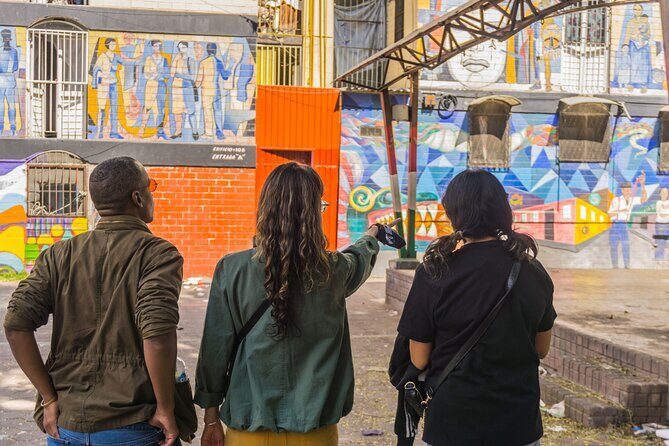
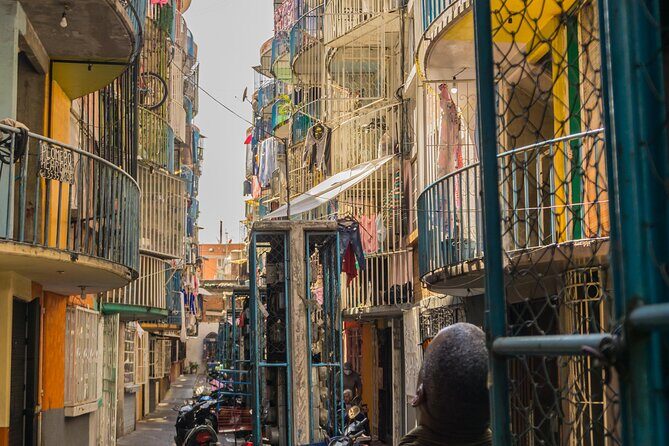
Tepito has a reputation that travels ahead of it. But on this kind of guided walk, the neighborhood stops being a headline and turns into a place with rhythm, routines, and pride. You’re not just watching from the sidewalk—you’re walking the same streets people use to shop, socialize, and worship.
I like that the experience doesn’t push a single “type” of Tepito. You get the commercial side (shops and food), the community side (sports and neighborhood spaces), and the spiritual side (church and the Santa Muerte altar). That balance is exactly what helps you leave with a fuller picture.
Just keep one practical thing in mind: Tepito is not a museum. If you come expecting polished, tourist-only streets, you’ll be disappointed. If you come curious, with respectful curiosity and a little flexibility, it clicks.
You can also read our reviews of more tours and experiences in Mexico City.


Meeting at Letras de Tepito and staying oriented
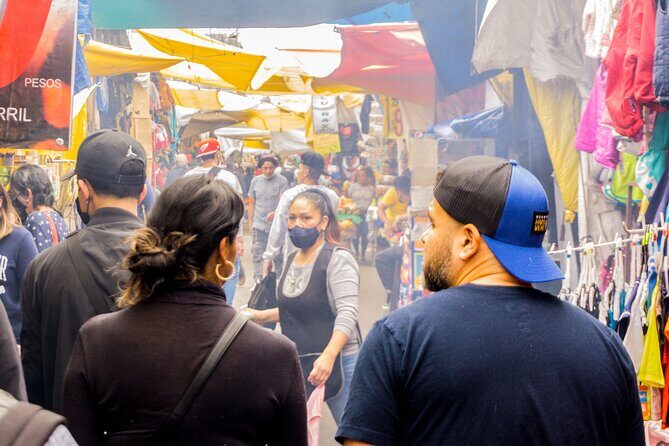
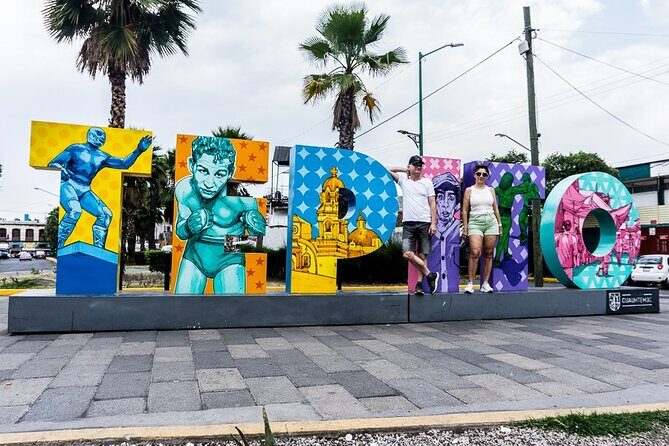
The tour begins at Letras de Tepito Matamoros on Av. Ricardo Flores Magón in the Cuauhtémoc area. It’s a well-known landmark for getting your bearings, and it’s convenient if you’re using public transit around CDMX.
You’ll also finish in a different location (so don’t plan a “right on the clock” ride to the airport right after). In practice, that means you should keep your next plan simple—think a nearby meal, a café break, or a short taxi/Uber hop.
This is a walking tour, so wear shoes you can trust. The streets in older neighborhoods can be uneven, and you’ll spend time transitioning from market lanes to sports and church areas. It’s a good idea to bring water, even if you’re going to be offered drinks during the experience.
Stop-by-stop: Micheladas, market life, and how the tour paces your curiosity
Stop 1: Tepito market streets and the food-and-shop maze (about 1 hour)
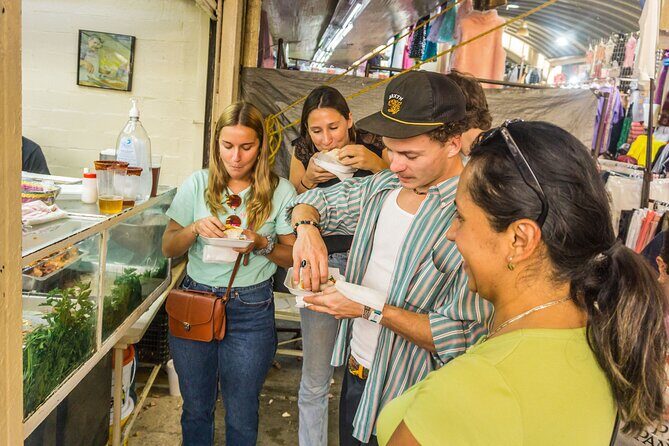
Your first main stop is Tepito itself, focused on the market streets and food. The route moves through different shops selling Micheladas and local food, so you’re getting Tepito through your senses: what people order, what smells good, and how everyday commerce feels.
This start matters. It’s easy to treat Tepito like a single attraction. Starting with the market helps you understand how the neighborhood breathes—customers, vendors, quick conversations, and constant movement.
The only drawback here is simple: go in with an empty stomach if you can. If you arrive full, you’ll still enjoy it, but you’ll miss part of the fun.
Stop 2: Deportivo Maracana and the soccer-and-boxing culture (about 15 minutes)
Next you’ll visit Deportivo Maracana, a sports center that locals connect to champions and athletic dreams. The stop includes a look around the soccer field area and the boxing club.
Fifteen minutes sounds short, but it’s enough to shift your viewpoint. You see that Tepito isn’t only known for commerce; it’s also known for discipline, training, and community pride. In a neighborhood shaped by hustle, sports can be a real organizing force.
If you’re a sports fan, this brief stop can hit hard—in a good way—because it explains a lot about how identity forms in the barrio.


Stop 3: Parroquia de San Francisco, 16th-century calm, and the crypts (about 15 minutes)
Then the tour slows down for the Parroquia de San Francisco, described as a beautiful and peaceful church inside the neighborhood. It’s built in the 16th century, and the visit includes a special Christ and access to the crypts.
This is one of the most meaningful pauses on the route. Market energy is one thing. A church with centuries behind it gives you a different kind of context—faith, continuity, and the quieter side of community life.
If you’re the type who likes architecture or religious art, you’ll appreciate this stop even if you don’t consider yourself religious.
One practical note: churches can have rules about photos or clothing. If you bring a respectful attitude and follow signs from staff or guides, you’ll be fine.
Stop 4: Miches Barrio Bravo Tepito, where you move like a local (about 30 minutes)
This part is about the commercial area and then the local areas where only Tepiteños can enter. The wording here is important. It signals that the guide isn’t just showing you public viewpoints—they’re using local connections to get you into spaces you likely wouldn’t access on your own.
The walking time is longer here (30 minutes), which helps because you can actually notice details: how shops present products, how people socialize, and where the neighborhood feels more residential and less staged.
If you’re worried about feeling like you’re just being “escorted,” this stop helps. A good guide makes the area feel navigable, not controlled.
Stop 5: Altar Santa Muerte, the neighborhood’s most famous spiritual landmark (about 15 minutes)
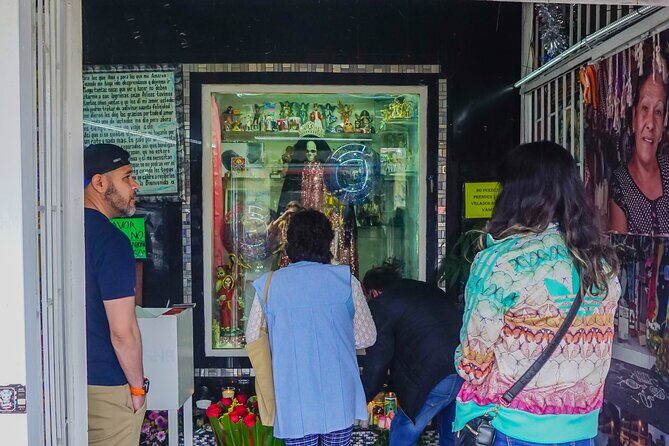
Next comes the most internationally recognized altar: Santa Muerte. The stop is short, but it’s packed with meaning because it’s tied to documentaries and TV specials people may have seen.
This is also where the tour becomes less about tourist curiosity and more about cultural context. You’re not just checking a site off a list; you’re learning why it matters to followers and how it fits into neighborhood identity.
Some guides may even be able to help you meet local figures at the shrine when timing allows, including people mentioned in passing as part of the Santa Muerte world. Don’t count on it like a guarantee, but it’s a real reason why the guide’s local ties matter.
The Michelada break at the end: how to make the most of your money
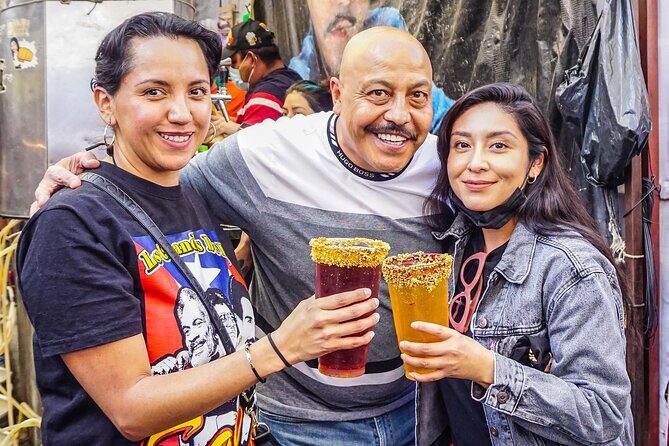
After the tour’s main walking stops, you’ll enjoy a cold, refreshing drink attended by the owner, where you can try an authentic Michelada Tepiteña. This isn’t just a “sugar rush moment.” It’s a chance to slow down and taste the thing the neighborhood does well.
The biggest practical tip: bring cash. The experience lists that cards aren’t accepted and there are no ATMs nearby. So if you want souvenirs, snacks, or extra rounds, plan ahead.
If you’re vegetarian, the tour indicates vegetarian options are available. Still, I’d treat it as best to tell your guide early what you eat (and what you avoid), so they can keep the food flow smooth.
If you’re a coffee-and-photos person, consider this: you’ll spend a lot of time looking around, not just eating. A quick drink at the end helps you process what you saw before you jump back into the city.
Safety and comfort: why the feeling matters as much as the route
A big reason this tour gets recommended is the comfort factor. The route is built around local navigation, and guides have reputations for knowing how to move through the area without drama.
In plain terms: I’d still be alert like you would anywhere busy. But the people leading you are the reason the experience feels calmer than you might expect before you go.
Also, the small group size (up to 8) helps. Fewer people means less noise, less wandering, and more guidance. If you’re going solo, that’s a plus because you’re not stuck in a big slow herd.
A final comfort detail: guides often handle logistics with care. Some experiences include help like waiting at the start point if someone is late and helping get back to your ride area afterward. It’s not something you should assume for every trip, but it’s a pattern that shows up often enough to take seriously.
Price and value in real terms (the $79 question)
At $79 per person for about 2.5–3 hours, this tour is priced like a “guided access” experience, not a quick walking loop. You’re paying for local knowledge, time, and the structure that lets you hit several key places without guessing.
What makes it good value to me:
- You get multiple stops that cover different sides of Tepito (market life, sports, a historic church, Santa Muerte, and a local-access neighborhood segment).
- You’re not just walking past sights; you’re also eating and drinking along the way.
- You get a guide who can handle the social and spatial parts of the neighborhood, which is where independent visits often feel awkward.
What makes it a possible mismatch:
- If you hate walking, you might feel rushed. This is still a walking tour even with food and short stops.
- If you want to pay with cards, you’ll be frustrated. Cash-only can turn a “nice add-on” into a last-minute scramble.
Who this tour fits best (and who should rethink it)
This is a strong pick if you:
- Want an off-the-beaten-path neighborhood experience in CDMX that’s not just food or just sightseeing.
- Like guides with personal ties to place, such as Gaby or Nelly, who can explain what you’re seeing and why it matters.
- Enjoy eating while you walk, including the Michelada Tepiteña finale.
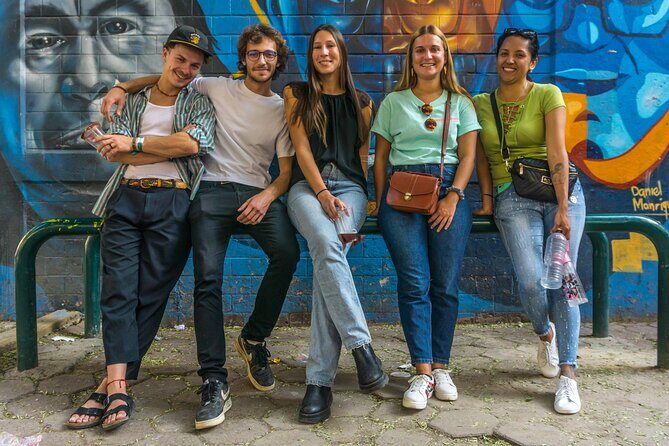
- Prefer small groups and a guided pace.
It may not fit if you:
- Want a silent, low-stimulation experience. This neighborhood is active.
- Rely on cards for everything and don’t plan cash in advance.
- Need constant “big monument” scenery. Some stops are more about community spaces than classic landmarks.
Good news: you’re also set up for flexibility in a practical way. The tour indicates pets are welcome and service animals are allowed, and vegetarian options exist. If your needs are specific, it’s smart to message the provider ahead of time.
Quick tips to make your tour smoother
If you want a smooth day, do these things:
- Bring enough cash for snacks, drinks, and any small purchases you want.
- Wear closed-toe shoes with grip.
- Plan your next pickup because the tour ends somewhere else.
- Bring a phone for photos, but expect you’ll be moving a lot and talking even more.
- If you have dietary needs, mention them early so your guide can keep options open.
One small strategy I like: try to save your questions for when you’re walking. Guides can answer in context, and you’ll understand the neighborhood details faster.
Should you book Barrio Bravo of Tepito with local guides?
I think you should book it if you want the real Tepito story, not a stereotype. The mix of market life, sports, a 16th-century church with crypts, the Santa Muerte altar, and the Michelada Tepiteña break gives you a balanced slice of community culture. Add the small group size and the consistent sense of safety, and it becomes a smart value.
Skip it if cash-only logistics will stress you out, or if you want a quiet, controlled, museum-style experience. Tepito isn’t that kind of place. But it is a place you can understand in a respectful way when someone local guides you.
FAQ
How much does the Tepito experience cost?
The price is $79.00 per person.
How long is the tour?
Expect about 2 hours 30 minutes to 3 hours.
Is the tour offered in English?
Yes, it’s offered in English.
How big is the group?
The tour has a maximum of 8 travelers.
Do I need cash?
Yes. Cards are not accepted, and there are no ATMs nearby, so bring enough cash.
Where does the tour start?
It starts at Letras de Tepito Matamoros, on Av. Ricardo Flores Magón, in the Cuauhtémoc area (06200, CDMX).
Is vegetarian food available?
Vegetarian options are available.
Can I cancel for free?
Yes. You can cancel up to 24 hours in advance for a full refund.
Is the tour pet-friendly or accessible for service animals?
Service animals are allowed, and the experience is pet friendly.