REVIEW · COZUMEL
E-Surf Lessons
Book on Viator →Operated by Reckless e-surf Cozumel · Bookable on Viator
Hovering on water can feel weirdly simple. In Cozumel, this e-surfing lesson pairs short training with real ride time, run by Reckless e-surf Cozumel for a small crew.
You’ll meet at La Monina in Centro, get a mobile ticket, and have instruction in English. The whole session runs about 1 hour 30 minutes, with the first chunk focused on learning what to do.
I really like that the format starts on land and then moves into the water with a demonstration. One instructor named Nick is praised for clear methods and quick progress, and that matters because e-surfing is technical compared to casual board time. I also like that once the lesson ends, you’re not left on your own—extra help is available if you need it or want it.
My main caution is that timing and hands-on support can make or break the experience. In one tough story, the session ran late and the boards weren’t working as expected, which cuts into actual ride time. If that happens to you, it’s not just disappointing—it can be exhausting fast, especially if you’re not wearing proper rash protection.
In This Review
- Key Things I’d Focus On Before You Go
- E-Surf Lessons in Cozumel: The Practical Hook
- Where You Meet at La Monina (And Why Location Matters)
- The 30-Minute Training: Land Lesson, Water Demo, Then Go
- After Training: What “Extra Help” Really Means
- Rentals, Previous Experience, and How to Think About Rules
- Price and Value: Is $160 Worth It?
- Weather and Real-World Water Conditions in Cozumel
- The Sport Factor: Who Will Probably Enjoy This Most?
- Safety, Clothing, and One Detail You Should Not Skip
- Language, Group Size, and Why It Changes Everything
- Should You Book Reckless e-surf Cozumel?
- FAQ
- How long is the e-surf lesson in Cozumel?
- What is included in the lesson time?
- Where do I meet for the lesson?
- Is the lesson offered in English?
- Do I need prior experience to rent an e-surf board?
- How many people are in the group?
- What if the weather is poor?
- What is the cancellation window for a full refund?
- Are service animals allowed?
Key Things I’d Focus On Before You Go

- A lesson first, then riding: you get land + water coaching before you’re fully on your own time
- Small group (15 max): more attention during the learning portion
- English instruction: easier communication for first-timers
- Real ride time after training: you’re still in the water once basics are covered
- Rentals follow experience rules: returning customers can rent, but you’ll need proof or the lesson
- Support is available on request: ask for help early if you’re struggling
E-Surf Lessons in Cozumel: The Practical Hook
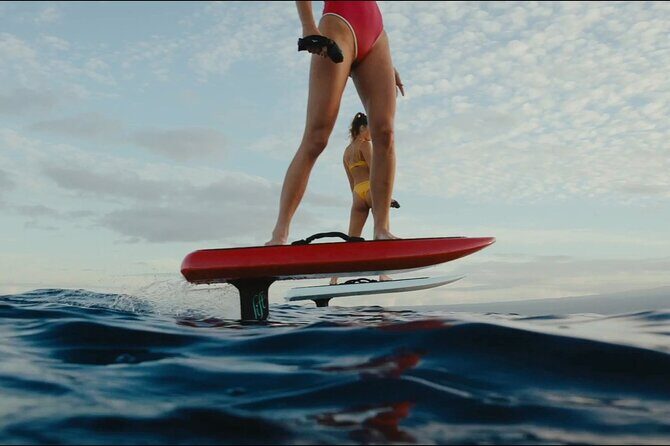
Cozumel is the kind of place where you can pack a day with fun, but you still don’t want a “try it and hope” setup. This e-surf lesson is built for learning first. You start with instruction that’s part on land and part in the water, then you move into your own e-surf session once you’re ready.
The value here isn’t just the gear. It’s the structure. When you’re learning balance and control on an electric surf board, you don’t want a long, vague briefing—you want clear steps and a demo you can copy.
If you’re hoping for a relaxed, casual water activity, you might be surprised by how focused the training is. But if you want something you can improve during the hour, this format makes sense.
A few more Cozumel tours and experiences worth a look



Where You Meet at La Monina (And Why Location Matters)

Your meeting point is La Monina, on Av. Rafael E. Melgar s/n, Centro, 77600 Cozumel, Q.R., Mexico. It’s also noted as near public transportation, which is helpful if you’re not using a private ride.
Why I think this matters for you: e-surfing sessions depend on getting everyone organized on time. When you’re dealing with gear, short lessons, and small groups, arriving late can squeeze the training window. And the training is the key part of this experience—without it, you lose confidence fast once you’re in the water.
So if you book this, I’d plan your day around it. Build in a little buffer so you’re not rushing right before your lesson starts.
The 30-Minute Training: Land Lesson, Water Demo, Then Go
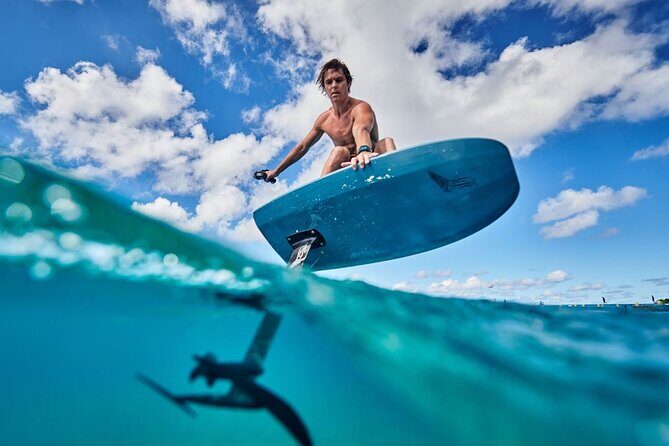
The learning portion is roughly 30 minutes, built around being taught on land and then in the water, plus a demonstration. The big idea is simple: you’ll understand how to handle the e-surf board before you’re asked to actually ride.
What you should expect during training:
- A land portion where you practice what you need to do first
- A water portion where you translate those basics into real conditions
- A demonstration that shows the moves or method before you copy them
This is where the best experiences seem to happen. One standout comment highlights Nick’s ability to explain methods and techniques clearly, and that’s exactly what you want at the start. In a tech-heavy sport, “watch and guess” can turn into frustration. Clear coaching helps you get standing quickly and feeling stable.
One more practical thought: e-surfing is a different skill from regular surfing and also different from wake surfing. Even if you’ve spent years on water boards, expect a learning curve. The negative side of the story you’ll read elsewhere isn’t about the concept—it’s about support and equipment readiness. So your safest bet is to be focused during training and ask questions as soon as you sense confusion.
After Training: What “Extra Help” Really Means

Once the lesson wraps, you’re ready to spend time e-surfing. Importantly, the experience includes the promise of extra help if you need it or want it.
That detail matters more than it sounds. With electric boards, it’s not just about going forward. People often need help with control, footing, and confidence—especially right after training when adrenaline is high and you’re still learning your timing.
The best sessions feel like a fast transition:
1) learn the method
2) watch a demo
3) try it
4) get help if you’re not clicking yet
If you’re nervous, ask for assistance early rather than waiting until you’ve already struggled for several minutes. The sport rewards small corrections, and you’ll typically get more value when you request help before frustration builds.
Also, keep your expectations realistic. One tough account described complex challenges and not getting support quickly enough during downtime. I can’t control how your session runs, but I can tell you how to protect yourself from losing time: be clear about what you need, and don’t assume someone sees you struggling—signal, ask, and get moving.
Rentals, Previous Experience, and How to Think About Rules

Here’s the rule that affects a lot of people: rentals are for returning customers only. Everyone needs to participate in a lesson before they can rent, unless they can show proof of e-surfing experience before.
So what does that mean for you?
- If you’ve never e-surfed, this lesson is your entry ticket.
- If you’ve already done e-surfing before, you might still need to bring proof if you’re aiming for a rental situation.
- If you’re a first-timer, don’t worry—your session is built around you learning first and then getting ride time.
This approach is good value in disguise. It reduces the chance of people jumping straight into a sport they don’t understand. It also means your group time is more likely to be used for coaching rather than fixing avoidable mistakes.






Price and Value: Is $160 Worth It?
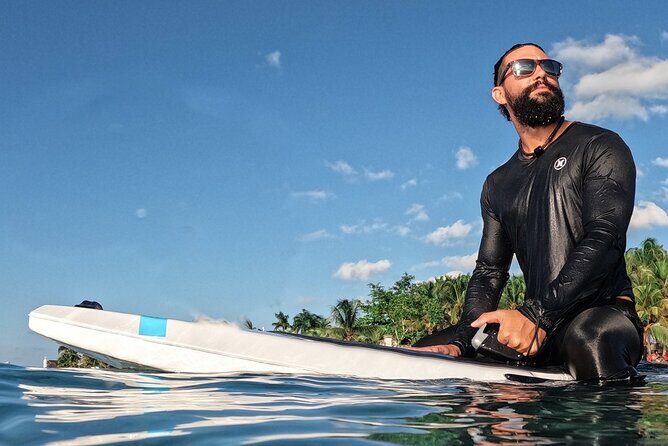
The price is $160.00 per person for about 1 hour 30 minutes. For an activity like e-surfing in Cozumel, the biggest question isn’t just cost—it’s what you get for that cost.
Here’s where I think this is strong value:
- You’re paying for a structured lesson, not just a rental drop-off.
- Group size is limited (maximum 15), which usually means more attention during training.
- The session includes time after training, so you’re not only learning—you’re actually doing.
When I evaluate value, I look for time on the water relative to coaching time. This experience gives you a training block (about 30 minutes) and then adds ride time. If the support is strong, you’ll leave feeling like you learned something and got real practice, not just a short intro.
The weak spot would be any session delay or equipment issue. One negative account described a long stall with boards not working, and that’s the risk you take with any active equipment-based sport. It’s not unique to e-surfing, but it’s still the reason you should go in with a flexible attitude and a quick problem-reporting mindset if anything feels off.
Weather and Real-World Water Conditions in Cozumel
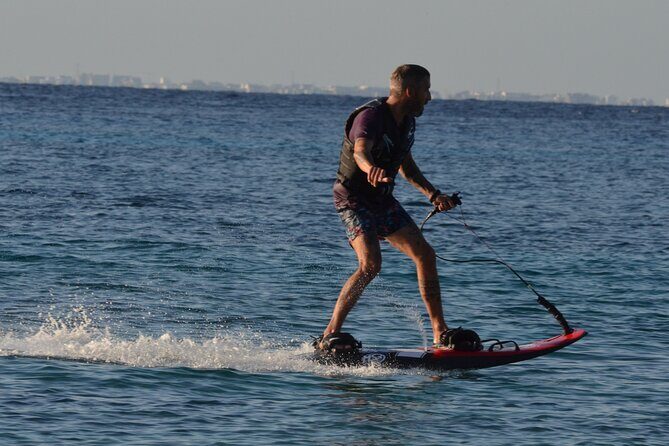
This experience requires good weather. If it’s canceled due to poor weather, you’ll be offered a different date or a full refund.
In real life, that’s good news. You don’t want to be learning on a day when conditions make it unsafe or ineffective. Also, one positive comment notes that even when the weather wasn’t ideal, the experience still stayed fun—so the lesson format helps you get something out of the day even if conditions aren’t perfect.
What I’d do as a practical traveler:
- Check forecasts the day before.
- Keep your expectations flexible if conditions change.
- If you’re deciding between this and another water plan, give extra weight to anything that includes a weather safety rule, since this one does.
The Sport Factor: Who Will Probably Enjoy This Most?

This is best for people who want a guided start and can handle a bit of learning pressure. Most people can participate, but this is still e-surfing, not a floating ride.
If you’re the kind of person who likes feedback and improvement—great. You’ll likely enjoy the land-to-water teaching method and the fact that instructors can provide extra help after the lesson.
If you’re an experienced wake surfer or regular surf person, you may pick things up quickly. At the same time, be prepared for the experience to feel more complex than what you’re used to. The negative story tied to a high expectation level for wake surfing is a reminder: even skilled water athletes can get humbled in a new board sport.
Also, because the session is relatively short, it’s a good fit for travelers who want action without committing to a full-day excursion. You’ll get a concentrated dose of learning and riding in about 90 minutes.
Safety, Clothing, and One Detail You Should Not Skip
One caution from a rough experience: the person described getting bloodied up because they didn’t wear rash shirts. That doesn’t mean you’ll get hurt. It means friction and falls are part of learning on any board.
So I’d treat rash protection as standard equipment. It’s the easiest way to reduce scraped skin and make the day more comfortable while you practice.
Beyond clothing, the lesson format should help with safety. Still, you should speak up immediately if something doesn’t feel right or you’re struggling with balance. Getting help sooner is safer and more efficient than trying to push through.
Language, Group Size, and Why It Changes Everything
This session is offered in English, and it caps at 15 people. Those two details matter because e-surfing instruction is action-heavy. Clear communication helps you understand what to do next, and a small group helps the instructors spend time where it counts.
When group sizes are large, lessons turn into a queue. Here, the cap suggests you should get more direct attention during the training portion, which is the heart of the value.
And if you’re comparing options, I’d prioritize groups that keep limits like this. For a technical sport, less crowding usually equals faster learning.
Should You Book Reckless e-surf Cozumel?
If you want a real e-surfing lesson in Cozumel with guided land-and-water training plus ride time after, I think this is a strong choice. The combination of a structured 30-minute lesson, small group size, and available extra help is exactly what you need for a first (or second) go at e-surfing.
Book it if:
- You’d rather learn with coaching than jump into a rental scenario
- You value English instruction and small-group teaching
- You’re ready for a focused learning window and then time to ride
Consider skipping or picking another plan if:
- You hate the idea of any delay risk, since equipment-based activities can run into problems
- You’re very strict about timelines and can’t tolerate a less-than-perfect start
My final take: this is a fun, practical way to try e-surfing in Cozumel. Just come prepared for a learning curve, protect your skin with rash gear, and treat the instruction as your golden ticket to getting the most time on the board.
FAQ
How long is the e-surf lesson in Cozumel?
The activity runs about 1 hour 30 minutes.
What is included in the lesson time?
You’ll get instruction on land and in water, plus a demonstration. The lesson adds up to about 30 minutes.
Where do I meet for the lesson?
You meet at La Monina, Av. Rafael E. Melgar s/n, Centro, 77600 Cozumel, Q.R., Mexico.
Is the lesson offered in English?
Yes. The experience is offered in English.
Do I need prior experience to rent an e-surf board?
Rental is for returning customers only. Everyone needs to participate in a lesson before renting unless they can show proof of e-surfing experience before.
How many people are in the group?
This activity has a maximum of 15 people.
What if the weather is poor?
This experience requires good weather. If it’s canceled due to poor weather, you’ll be offered a different date or a full refund.
What is the cancellation window for a full refund?
You can cancel up to 24 hours in advance for a full refund.
Are service animals allowed?
Yes, service animals are allowed.