REVIEW · COZUMEL
Authentic Mayan Cooking Class in Cozumel
Book on Viator →Operated by Ix Kool · Bookable on Viator
Mayan cooking starts with smoke and music. This Cozumel experience pairs a Mayan ceremony with a real kitchen lesson where you work with ancestral ingredients and help prepare dishes you’ll later eat. I like that the class is truly hands-on (tortillas, sauces, spices), not just a demo with plates appearing in front of you. One thing to keep in mind: the amount of cooking you do can vary by session, and the room can get loud enough that the video/audio part is harder to follow.
You’ll meet at Av. Rafael E. Melgar 1, El Parque, and the class returns you to the same spot when you’re done. With English instruction, several start times to choose from, and a private option where only your group participates, it’s an easy fit into a cruise day or a slower afternoon at IX Kool.
In This Review
- Key Things That Make This Mayan Cooking Class Worth Your Time
- Mayan Cooking in Cozumel: The Big Idea (and Why It Works)
- Meeting at Av. Rafael E. Melgar 1: Getting There Without Stress
- The 2 Hours 45 Minutes Flow: Ceremony, Video, Then Real Cooking
- The ceremony and cultural introduction
- The intro video support
- Hands-On Stations: Tortillas, Guacamole, and Spice Grinding
- Corn tortillas and the tortilla step
- Guacamole and salsa work
- Grinding spices and working with ancestral ingredients
- The Menu: What You’ll Eat (and What Makes Each Dish Different)
- Beans with pork
- Cochinita pibil: sour orange, red spices, and axiote
- Sikilp’aak’: the Mayan snack starter
- Cornbread without flour
- Drinks and Portions: Leave Room for the Whole Meal
- Price and Value: Is $60.99 a Good Deal?
- Private vs. Shared: When You’ll Feel the Difference
- What Can Go Wrong (and How to Avoid It)
- Who Should Book This Mayan Cooking Class?
- Should You Book This Mayan Cooking Class in Cozumel?
- FAQ
- How long is the Mayan cooking class in Cozumel?
- What language is the class offered in?
- Is this tour private?
- What dishes are included?
- Where do I meet for the class?
- Do I need a mobile ticket?
- What if the class is canceled due to weather or minimum travelers?
Key Things That Make This Mayan Cooking Class Worth Your Time
- A Mayan ceremony right before the meal sets the tone, not just the food.
- Real participation: you’ll make things like tortillas and help with spice and salsa work.
- A menu with regional Mayan favorites such as cochinita pibil and sikilp’aak’.
- Multiple courses and drinks so you actually leave full, not just “tasted a bit.”
- Private sessions are available, which makes instructions easier to hear and follow.
- You learn recipes you can repeat at home, not only what to eat in Cozumel.
Mayan Cooking in Cozumel: The Big Idea (and Why It Works)
This class is built around flavors, not food theatre. You’re guided through the logic of Mayan cooking: how ingredients work together, why certain spices matter, and how traditional methods create textures you might not expect.
The best part is that you’re not stuck watching from the sidelines. You’ll do prep steps, assemble components, and then eat the results as a full meal. That means the learning sticks because it’s tied to something you can taste right away.
You can also read our reviews of more cooking classes in Cozumel
Meeting at Av. Rafael E. Melgar 1: Getting There Without Stress
Your start point is Av. Rafael E. Melgar 1, El Parque, Cozumel, Q.R., Mexico, and the activity ends back at that same meeting point. The simplest strategy is to treat this as a “arrive early” situation, especially if you’re timing it around a cruise stop.
A practical tip: have the name IX Kool ready to show a driver or taxi app. The address and the surrounding area can confuse people, and you don’t want to burn your class time hunting for a storefront. If you’re coming by taxi from a cruise terminal, it’s usually a short ride—close enough that you can adjust if your ship arrival is a little late.
The 2 Hours 45 Minutes Flow: Ceremony, Video, Then Real Cooking
The class runs about 2 hours 45 minutes. Even though the exact pacing can change a bit by session, the structure is consistent: a cultural warm-up, a guided intro (including video support), cooking stations, and then eating.
Plan to get hungry, fast. This isn’t a light snack class. Between the hands-on food prep and multiple courses served, you’ll want your appetite wide open before you arrive.
The ceremony and cultural introduction
Before the meal, the experience may include a Mayan ceremony with dancers and music. It’s a short moment, but it’s meaningful because it places the cooking in a wider context than “spices taste good.”
You’ll also get an explanation of how Mayan food links to ingredients and traditions, plus how Spanish influence shows up in parts of Mexican cooking. Even if you’ve eaten Mexican food before, it helps you notice what’s local and what was adapted later.
The intro video support
There’s a video component running during parts of the class, which helps connect the steps you’re doing to the broader story of each dish. The trade-off is that in a lively space, it can be tough to read subtitles or catch every word—so if you care about details, sit where you have a clear view and keep your ears open for the instructor’s recap.
A few more Cozumel tours and experiences worth a look

Hands-On Stations: Tortillas, Guacamole, and Spice Grinding
This is where you’ll feel the “cooking class” part. Depending on the session size, you can expect to be involved in several activities rather than only taking pictures.
Corn tortillas and the tortilla step
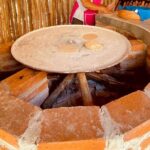
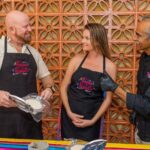
One of the repeated highlights is learning the tortilla work. You may help make corn tortillas with your hands as part of the station process. It’s hands-on, and it also means you’ll be mixing a food experience with a little physical participation—messy in a fun way, but also worth expecting.
Two practical notes:
- If there’s a lot of shared handling in the room, you may want to use sanitizer before you eat, even though you’ll be participating with ingredients.
- Some sessions may not return the exact tortilla you made to you, so don’t expect perfect ownership over your handmade piece.
Guacamole and salsa work
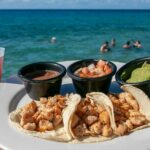
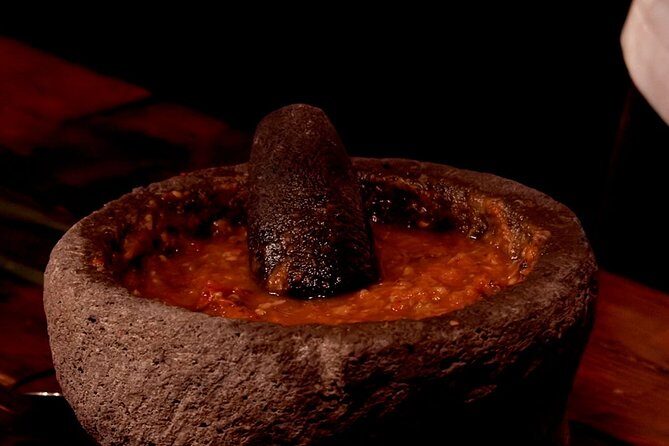
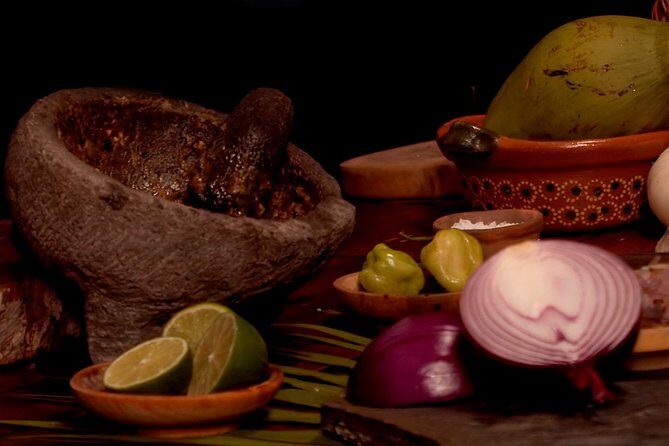
You’ll likely make guacamole and a dip or spread that uses classic Mayan-style ingredients. Many sessions also include salsa work, sometimes described as smoked salsa or a tomato–pumpkin seed style mixture. If you like learning how heat and acidity balance (instead of just tasting heat), this part pays off.
A bonus from the experience: instructors may even mix drinks for the group. In past sessions, that has included margaritas, along with a set of different drinks during the meal.
Grinding spices and working with ancestral ingredients
You may grind spices yourself. In a Mayan-focused class, the “grind” matters because it changes aroma and texture. You’ll learn how those spice blends are meant to taste, and you’ll understand why the flavor comes across differently than pre-mixed grocery seasonings.
The Menu: What You’ll Eat (and What Makes Each Dish Different)
The menu in the experience centers on Mayan and regional southeast Mexico flavors. Expect a mix of mains, starters, and dessert, with at least one clear “centerpiece” dish.
Beans with pork
One main option is beans with pork, built on ingredients common in the Mexican southeast. This dish usually hits that classic slow, savory note that pairs well with the brighter flavors in salsa and sides.
For you, the payoff is learning how beans can be more than a side. In this setup, they become part of the meal’s backbone.
Cochinita pibil: sour orange, red spices, and axiote
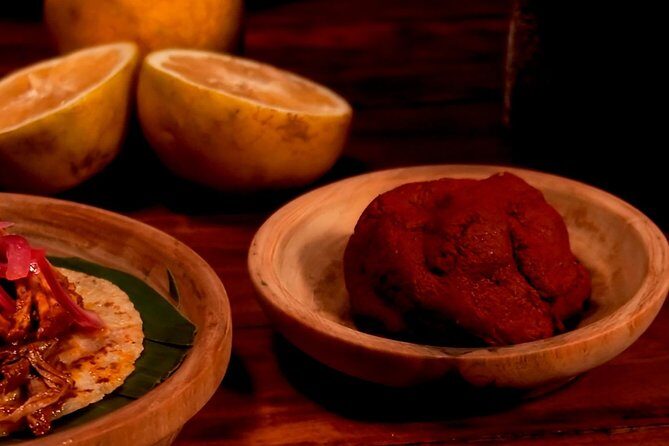
The highlight for many people is cochinita pibil. The key components come through clearly: marination with sour orange juice and red spices that use axiote (annatto seeds).
What to notice when you eat:
- The sour-orange tang isn’t just “citrus.” It works with the fat and spice to keep the flavor lively.
- The spice color you see is a clue to what you’re tasting—earthy, warm, and fragrant.
If you’ve had cochinita before, this is a chance to connect the taste to the ingredients and the method.
Sikilp’aak’: the Mayan snack starter
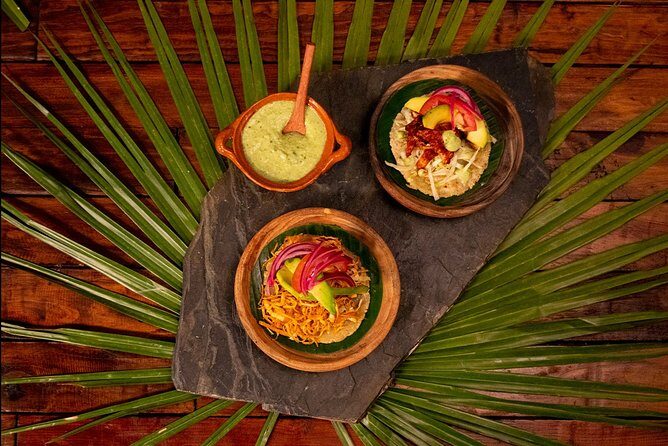
For a starter, the menu includes sikilp’aak’, described as a typical Mayan snack in this region that you may not find widely elsewhere in Mexico. It’s a great learning dish because it shows how plant ingredients can be satisfying and complex.
In practical terms, it’s also one of the easiest things to recreate at home after you get the ingredient logic down.
Cornbread without flour
Dessert is cornbread made with corn and without flour. That matters because it changes the texture and keeps the focus on corn flavor.
If you’re someone who likes corn-forward desserts, this is a nice ending that stays consistent with the rest of the meal.
Drinks and Portions: Leave Room for the Whole Meal
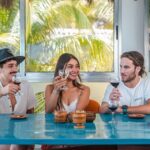
This experience typically includes several courses and a set of drinks. Past sessions have included around three different drinks, and there’s often enough food to feel genuinely satisfied.
My advice: don’t “snack a little” before you go. If you show up already full, you’ll miss the whole point. This class is designed so you can taste everything while it’s fresh and so you can compare flavors in the order they’re presented.
Price and Value: Is $60.99 a Good Deal?
At $60.99 per person for about 2 hours 45 minutes, you’re paying for three things at once: guided instruction, access to ingredients/equipment, and a multi-course meal.
That combination is the value. A cooking class without the meal can feel like you’re paying mostly for prep steps. Here, you’re learning while you work and then eating the results. If you’re the type who wants to leave with both recipes and full stomach confidence, this is a fair price.
Private classes can add more comfort because only your group participates. That usually means less waiting around and more time for questions.
Private vs. Shared: When You’ll Feel the Difference
If you book a private class, you’ll likely get a more personalized pace. That matters because cooking has a rhythm—people can fall behind if instructions are too fast, or if the group is large.
From what you can expect in practice:
- In small groups, it’s easier to hear the instructor’s cues and questions.
- In larger groups, you might notice some steps turn into “watch and follow” instead of “do every step yourself.”
Either way, I’d consider the private option if you’re traveling with kids, you care about details, or you want the room to feel less chaotic.
What Can Go Wrong (and How to Avoid It)
No trip plan is perfect. Here are the few realistic issues you can plan around:
- Audio and visibility can be imperfect. If the room is busy, subtitles or video screens may be hard to read. Sit where you can see and rely on the instructor’s spoken explanations.
- Hands-on levels vary by session. Some classes are heavier on participation than others. If you want maximum cooking time, show up early so the pace doesn’t get rushed.
- Late starts happen when cruise timing is involved. If you’re on a cruise, build in a buffer. Waiting on passengers can shift the start.
- Location confusion is common. Have IX Kool and Av. Rafael E. Melgar 1 ready in your phone. Don’t rely on memory from a map pin alone.
- Hygiene habits are worth you keeping in mind. In any hands-on food class where multiple people handle ingredients, you’ll feel better if you keep sanitizer ready and avoid touching your face.
Who Should Book This Mayan Cooking Class?
This fits best if you:
- Want a Mayan-focused food lesson (not just generic Mexican cooking).
- Enjoy hands-on steps like tortillas, guacamole, and salsa prep.
- Like history in small doses, tied to ingredients and flavors.
- Are traveling with food preferences and want to understand what’s in the dish, not only how it tastes.
It might be less ideal if you’re expecting a fully instruction-led “chop, cook, plate” kitchen marathon with complete heat control at every station. The structure is part lesson, part demonstration, part cooking.
Should You Book This Mayan Cooking Class in Cozumel?
I think you should book it if your goal is an authentic, food-centered cultural experience where you leave with both new flavors and practical takeaways. The biggest win is that you’ll work on key parts of the menu and then eat a full spread built around regional Mayan recipes and ingredients like axiote.
Choose it with confidence if you’re hungry, curious, and willing to adjust your expectations about how loud the room can be. If you’re sensitive to audio, plan to sit where you can see the video support, and don’t start with a full stomach.
FAQ
How long is the Mayan cooking class in Cozumel?
The class runs about 2 hours 45 minutes.
What language is the class offered in?
The experience is offered in English.
Is this tour private?
It can be private. The format is listed as a private tour/activity where only your group participates.
What dishes are included?
The sample menu includes beans with pork, cochinita pibil, sikilp’aak’ (a typical Mayan snack), and cornbread made with corn without flour.
Where do I meet for the class?
You meet at Av. Rafael E. Melgar 1, El Parque, 77675 Cozumel, Q.R., Mexico. The activity ends back at the meeting point.
Do I need a mobile ticket?
Yes. It includes a mobile ticket, and you receive confirmation at the time of booking.
What if the class is canceled due to weather or minimum travelers?
If it’s canceled due to poor weather, you’ll be offered a different date or a full refund. If the minimum number of travelers isn’t met, you’ll be offered a different experience/date or a full refund.