REVIEW · COZUMEL
Chocolate Workshop
Book on Viator →Operated by THE MAYAN CACAO COMPANY · Bookable on Viator
Chocolate starts with a grind. In Cozumel, this Mayan cacao workshop turns cocoa into a hands-on chocolate bar with an English-friendly guide and a simple, repeat-at-home result. You’ll spend about 1 hour 30 minutes making something real, not just watching.
What I like most is that you’re not stuck guessing: they provide the ingredients and the process, so you leave with a bar you truly helped create. I also love the “learn and do” format—history plus actual work like grinding cacao beans with a mortar and pestle.
One thing to consider: the room can get uncomfortably hot, and flavor adjustments may be limited once the class starts (so be clear early). If you want very specific tastes, go in with flexibility.
In This Review
- Key Highlights You’ll Actually Notice
- Why a Mayan Chocolate Workshop in Cozumel Fits Into Real Travel
- The Mayan Cacao Company: A Fun Setup Before You Make Chocolate
- Grinding Cacao the Mayan Way (and Why Your Arms Will Feel It)
- What You’ll Make, Taste, and Take Home
- Guides Who Keep It Clear: Angel, Paty, and Eduardo
- Price and Value: Is $39 a Good Deal?
- Logistics in Cozumel: Tickets, Timing, and Getting There
- Who This Workshop Is Best For (and Who Might Be Less Interested)
- Foodie Notes: What You Can Repeat at Home
- Possible Downsides to Know Before You Go
- Should You Book This Chocolate Workshop in Cozumel?
- FAQ
- How long is the Chocolate Workshop in Cozumel?
- Where does the workshop take place?
- How much does it cost?
- Is the workshop offered in English?
- What’s included in the class?
- Are pictures and souvenirs included?
- Are service animals allowed?
- What physical demands should I expect?
- FAQ
- Can I cancel for a full refund?
- Will I get a confirmation after booking?
Key Highlights You’ll Actually Notice
- Take-home chocolate bar or disk you make yourself, built from the Mayan-style process
- Hands-on grinding and seasoning, including the satisfying arm-work of mortar and pestle
- Short intro video and cacao history, so your chocolate has context, not just sugar
- Samples after the workshop, including specialty chocolate varieties you can buy if you want
- Friendly guide style, with translation support from guides like Angel, Paty, and Eduardo
Why a Mayan Chocolate Workshop in Cozumel Fits Into Real Travel
Cozumel can be all beaches, all the time. This activity is a nice change of pace because it’s short and focused. You’re not committing to a half-day excursion. You’re committing to 90 minutes of chocolate-making, learning, and tasting.
For $39, the value is less about getting a fancy chocolate experience and more about leaving with a skill. You learn the recipe approach and the steps you can try again at home, even if your kitchen equipment isn’t exactly the same.
If you’re traveling with kids, this length is a big deal. They can handle an interactive class, and you still get time for the beach after. If you’re an adult traveling solo or as a couple, it’s one of those “why didn’t I do this sooner?” activities—because you’ll remember making it, not just eating it.
A few more Cozumel tours and experiences worth a look
The Mayan Cacao Company: A Fun Setup Before You Make Chocolate
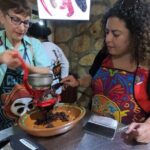
Your session centers around The Mayan Cacao Company. Most classes start with a short video, followed by a guided explanation of cacao and its role in early Mayan life. That early stage matters because it turns chocolate from a treat into a food with a story and a technique.
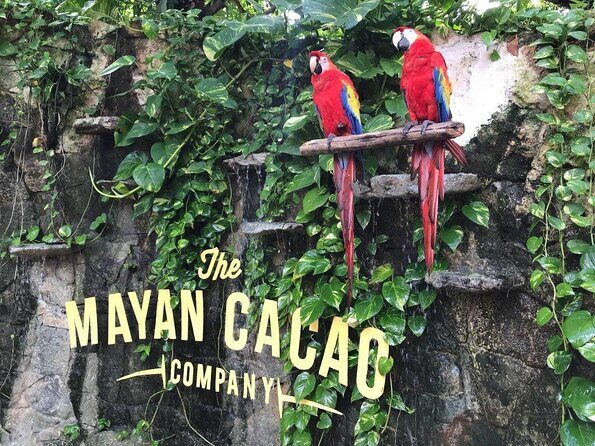
The setting also tends to feel like more than a classroom. People have mentioned seeing birds and plants during the visit, which adds a little pause-and-look moment between the education and the action. One person also noted they were able to maneuver a mother’s wheelchair without difficulty, so the space can work for mobility needs.
A small practical note: even when the experience is great, some rooms can run hot. If you get heat-sensitive, plan for that and consider what you’ll wear—something breathable helps.
Grinding Cacao the Mayan Way (and Why Your Arms Will Feel It)
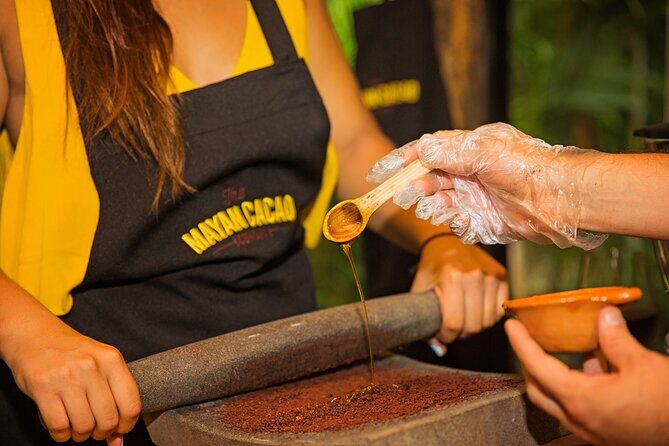
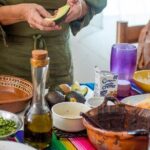
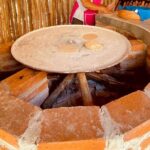
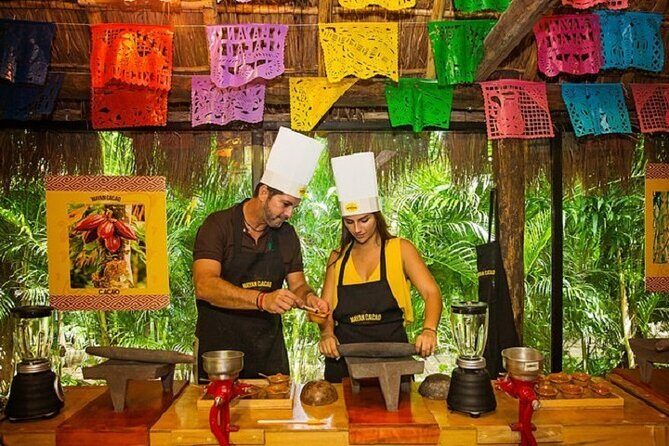
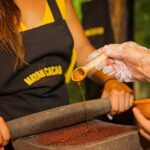
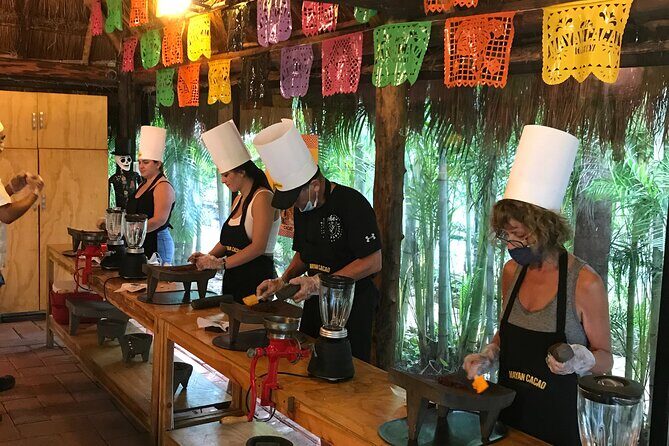
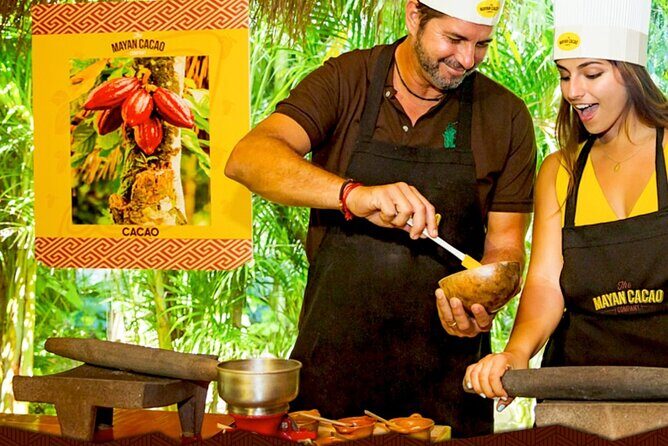
The main event is the hands-on chocolate making. You’ll learn to prepare chocolate using an authentic Mayan cacao approach, including grinding cacao. People repeatedly describe the mortar and pestle part as hard work—in a fun way. It’s not a task where you just stir and call it a day.
During the process, you’ll also add ingredients that affect flavor and texture. Honey comes up as one ingredient used to flavor the mix. You may get guidance on how to season and combine the ingredients to create your own take-home chocolate bar or disk.
Here’s the practical takeaway: this class is designed for participation, not micromanaging your perfect recipe. One traveler couldn’t get their flavor choice adjusted and ended up with chocolate too heavy on cinnamon. So if you have a strong dislike or allergy, say it clearly at the start.
What You’ll Make, Taste, and Take Home
The workshop experience aims at one clear result: you leave with chocolate you made yourself. Depending on the style of what’s happening that day, you might make a personalized take-home chocolate disk or a chocolate bar format.
Before and after the workshop portion, you’ll likely get samples of different chocolates. One review described tasting a set of specialty options—like cranberry, almond, and grape milk chocolate bars. Another described trying a store assortment of 16 chocolate bars and then picking favorites to bring home. If you’re the type who wants to compare flavors, this is one of the best parts.
You may also taste something other than chocolate first. Corn tortillas came up in at least one experience, which makes sense because cacao and corn were both part of the broader food world here. It’s a good way to experience the ingredients in a more “food culture” way, not only dessert.
And if you’re the kind of traveler who likes to cook after returning home, you’ll appreciate that the workshop teaches you enough to remake chocolate later. Even if your kitchen process isn’t identical, you’ll have the basic recipe flow.
Guides Who Keep It Clear: Angel, Paty, and Eduardo
A workshop like this lives or dies on the guide. The best sessions feel friendly, organized, and easy to follow—even if you don’t speak Spanish.
Angel is mentioned for translating in both English and Spanish, keeping everyone included and understanding the steps. That matters because chocolate-making involves timing, texture cues, and ingredient amounts. When the guide is sharp at communicating, you feel confident instead of rushed.
Paty comes up again and again. People describe her as excellent with kids, and also attentive—starting with history, then leading the hands-on part smoothly. One traveler even said a shorter, well-paced approach made it easy to fit into the day.
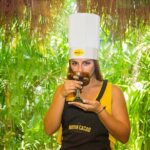
Eduardo is another name you’ll hear. One review credited Eduardo with teaching chocolate bar creation and then showing how to use chocolate in a drink idea (chocolate margaritas). Even if your specific class doesn’t include that extra moment, it signals the vibe you can expect: upbeat, participatory, and ready to answer questions.
A few more Cozumel tours and experiences worth a look

Price and Value: Is $39 a Good Deal?
Let’s talk value in a practical way. At $39 per person for about 1 hour 30 minutes, you’re paying for:
- ingredients and instruction (so you don’t have to figure anything out)
- a take-home chocolate result you made hands-on
- context about cacao and Mayan chocolate traditions
- tasting/sampling time that can become part of your shopping
If you compare this to doing a purely passive chocolate tasting, you’re getting much more “doing” for the money. And because the class is time-efficient, it’s easier to justify on a day that also includes snorkeling, beach time, or a port stop.
The one “gotcha” to factor in is spending after. You’ll probably want to buy chocolate you tried. That’s not a bad thing—it just means the $39 is the workshop price, not the total chocolate budget.
Also, the process includes physical effort (grinding), which sounds funny until you realize it’s exactly what makes it memorable. You’ll likely remember it in your kitchen later.
Logistics in Cozumel: Tickets, Timing, and Getting There
You’ll get a mobile ticket, and confirmation is sent at booking time. The class runs about 1 hour 30 minutes, so plan your day around that window.
Transportation is the one area where you should be mentally prepared. Several experiences mention using a taxi to and from the facility. In one case, the group helped flag a taxi to get everyone back safely. Another traveler suggested keeping taxi costs reasonable, implying the ride is often a factor.
So here’s the simplest advice: build in a bit of buffer time for transit. If you’re on a cruise, you’re already dealing with schedules, and you don’t want to arrive late or feel rushed.
Who This Workshop Is Best For (and Who Might Be Less Interested)
This is a strong fit for:
- families with kids who can handle an interactive, short session
- couples who want something different from the beach
- anyone who wants a hands-on souvenir that’s edible and meaningful
- travelers who like food history but also want action
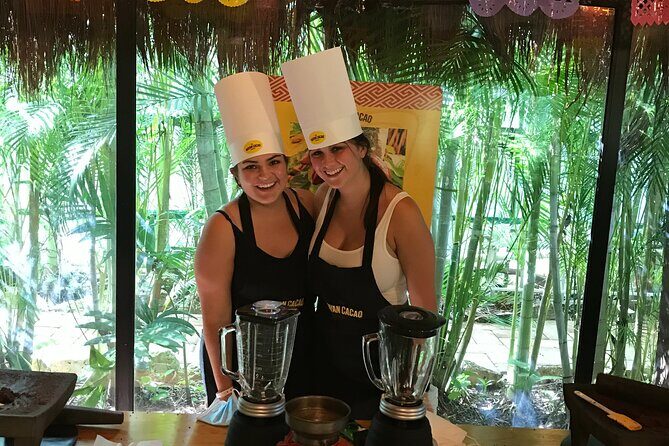
Kids seem to enjoy the workshop because it’s not just listening. You taste, grind, add ingredients, and end with a take-home result. One review specifically described kids having a blast with the process.
It’s also a good pick for people who don’t want a long day. You’ll still have time for swimming or strolling afterward, and you won’t feel like you got “boxed in” by a full-day tour.
If you’re only interested in chocolate as a product and don’t care about the process, you might find it less exciting. But if you enjoy hands-on activities at all, it’s hard to imagine walking out disappointed.
Foodie Notes: What You Can Repeat at Home
The workshop aims to give you the information to make chocolate again after you return home. That’s the real value for food lovers: you’re not only buying a souvenir; you’re learning a method.
You’ll get familiar with the workflow, ingredient roles, and the way cacao moves from bean to ground mixture to final product. And because your hands are involved, the steps stick.
If you’re thinking of trying it at home, set expectations. Your texture and flavor might vary based on cacao variety, equipment, and ingredient ratios. But you’ll know the basic structure and what choices matter.
Possible Downsides to Know Before You Go
Even with a 4.9 rating and nearly unanimous recommendations, it’s wise to plan for the few issues that can affect your day.
First: temperature. Some groups reported movie and chocolate-making rooms were uncomfortably hot and could use better air conditioning. If you tend to feel sick or cranky in warm rooms, dress in layers you can adjust and bring a small water bottle if allowed.
Second: flavor control. A traveler reported cinnamon being added despite asking not to. That suggests the class may have a set ingredient plan, and personalization might be limited. If you dislike a specific flavor, mention it right away and keep your expectations realistic.
Third: transportation adds friction. Since taxi rides may be required, build time and money for that part of the plan. It’s not the workshop’s fault—it’s just the practical reality of where many attractions sit.
Should You Book This Chocolate Workshop in Cozumel?
If you want a fun, hands-on activity that’s short enough to fit your day and ends with edible take-home chocolate, I’d book it. It’s one of the better “value-for-time” experiences in Cozumel because you’re not paying only for a tasting—you’re paying for the recipe approach, instruction, and the satisfaction of making your own.
I’d also book it if you like guides who keep things understandable and inclusive, especially with English support. The named guides—Angel, Paty, and Eduardo—are repeatedly linked with great communication and a friendly teaching style.
I’d hesitate only if heat really bothers you or if you need strict control over flavors. If that’s you, still consider going, but communicate your preferences early and plan your outfit around the room temperature.
Overall: for $39 and 90 minutes, this is a smart pick. It’s chocolate you made, not just chocolate you bought.
FAQ
How long is the Chocolate Workshop in Cozumel?
It runs about 1 hour 30 minutes.
Where does the workshop take place?
The workshop happens at The Mayan Cacao Company in Cozumel, Mexico.
How much does it cost?
The price is $39.00 per person.
Is the workshop offered in English?
Yes. The workshop is offered in English.
What’s included in the class?
You’ll receive ingredients for chocolate making, and admission is included for the workshop portion.
Are pictures and souvenirs included?
No. Pictures and souvenirs are not included.
Are service animals allowed?
Yes, service animals are allowed.
What physical demands should I expect?
It’s listed as suitable for travelers with a moderate physical fitness level.
FAQ
Can I cancel for a full refund?
Free cancellation is available up to 24 hours in advance for a full refund.
Will I get a confirmation after booking?
Yes. Confirmation is received at the time of booking.