REVIEW · SANTIAGO DE QUERETARO
Desde Querétaro: San Miguel de Allende, Dolores y Atotonilco
Book on GetYourGuide →Operated by oh! Turismo que Inspira · Bookable on GetYourGuide
Independence history, packed into one long day. This tour threads together the places behind the fight for Mexico’s freedom, starting in Querétaro and finishing at the stunning Atotonilco sanctuary.
I love how the story sticks because you visit the actual key stops: Casa de la Corregidora in Querétaro, the Independence sites in Dolores, and the legendary “Mexican Sistine Chapel” at Atotonilco. I also like the mix of art and culture, from viceregal architecture in San Miguel to learning about local crafts and gastronomy.
One thing to plan for: food and drinks aren’t included, so you’ll want to budget for snacks or eat before/after the tour so you’re not hunting for meals on an already full day.
In This Review
- Key highlights you’ll care about
- Casa de la Corregidora to the insurgent route: why this day feels focused
- Querétaro’s main square start: the day’s “before and after” moment
- San Miguel de Allende: viceregal mansions, crafts, and gastronomy lessons
- Dolores Hidalgo: the Cry of Independence in plain sight
- Atotonilco: the Mexican Sistine Chapel and why frescoes matter
- How the guided format shapes the day (and who might lead it)
- Transportation and timing: what 9 hours really means for you
- What you’re really paying for: $96 value and the food gap
- Who this tour suits best
- Should you book? A clear yes if you want meaning, not just photos
- FAQ
- How long is the tour?
- How much does the tour cost?
- Where does the tour start?
- What places are included?
- Is a guide included?
- What languages is the tour offered in?
- Are transportation and access included?
- Is food included?
- Is free cancellation available?
- Is there a pay-later option?
Key highlights you’ll care about
- Casa de la Corregidora start in Querétaro, tied directly to the insurgent movement
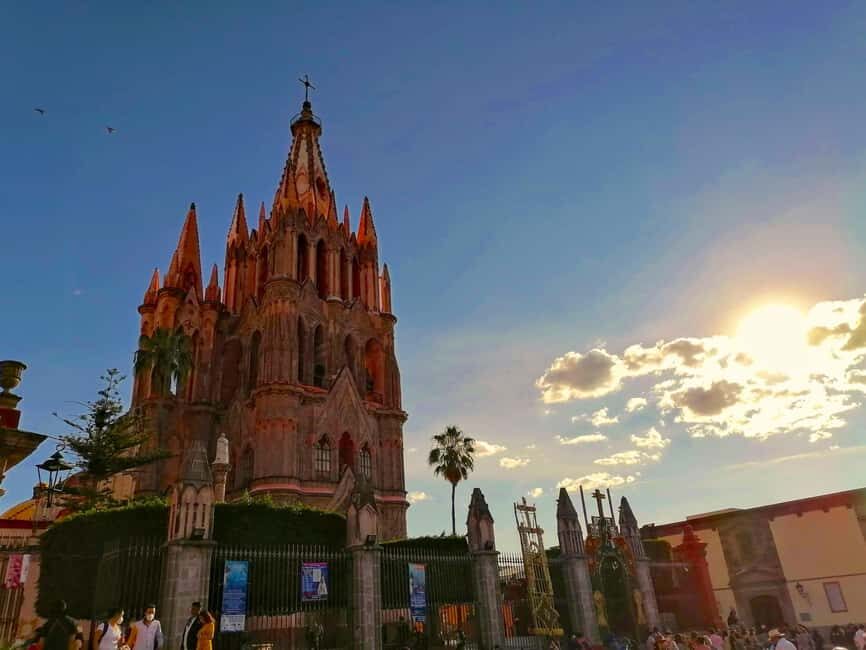
- San Miguel de Allende street-and-mansion walk focused on viceregal architecture
- Dolores Hidalgo parish linked to the Cry of Independence
- Atotonilco sanctuary viewing the famous baroque frescoes sometimes called the Mexican Sistine Chapel
- Independence moments connected to real landmarks, including the story of Miguel Hidalgo and the Virgin of Guadalupe banner
Casa de la Corregidora to the insurgent route: why this day feels focused
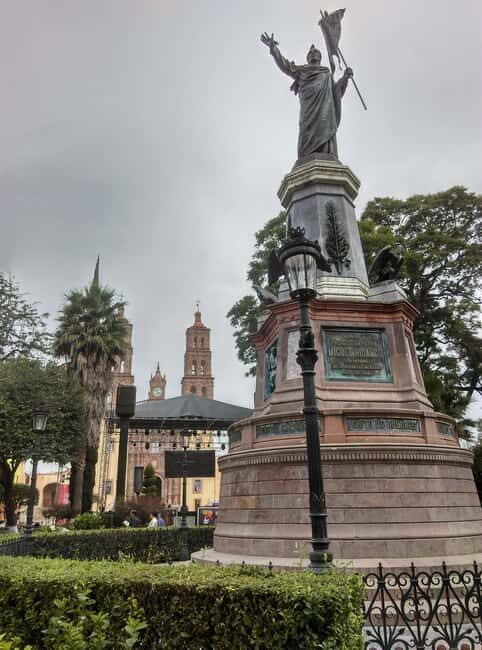
This isn’t just a “see the highlights” tour. It’s a story route, built around the insurgent movement that helped spark Mexico’s Independence. The day begins in Querétaro at the main square of the city, inside the orbit of Casa de la Corregidora—a very specific starting point that gives you context fast.
Here’s the payoff: once you understand that the fight for independence wasn’t abstract, but grounded in particular towns and spaces, every later stop lands harder. You’re not only looking at buildings; you’re connecting them to the people and decisions tied to the movement.
Also, you’re not stuck planning between cities. Transportation is included, and the tour uses guided visits to keep the narrative moving so the day doesn’t turn into one long bus ride with random stops.
You can also read our reviews of more tours and experiences in Santiago De Queretaro.
Querétaro’s main square start: the day’s “before and after” moment
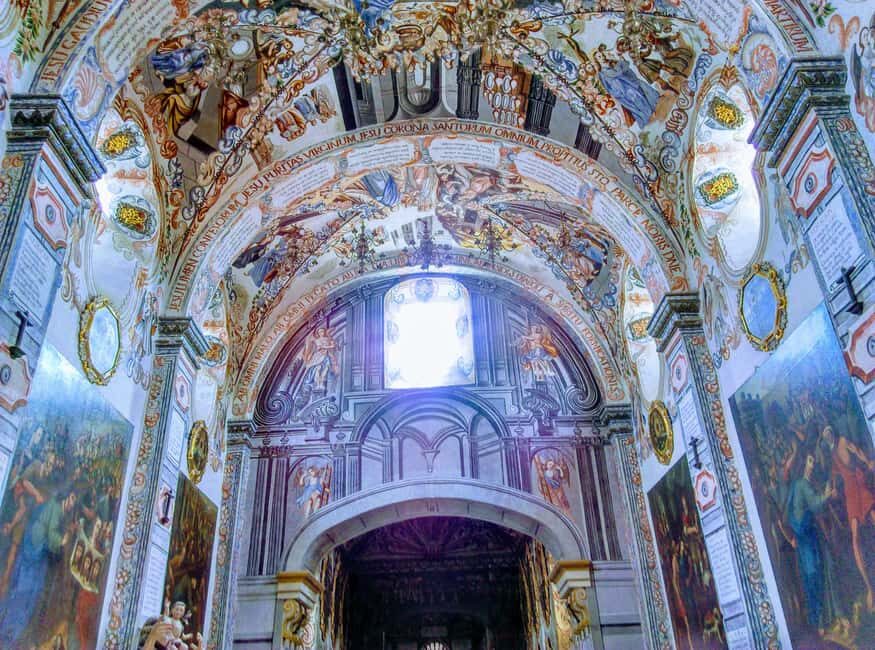
Starting at the Casa de la Corregidora area matters. Querétaro is presented as the place where the insurgency was forged, so you get the “origin” feeling early rather than trying to backfill history later.
What I like about beginning here: it helps you notice contrasts as the day progresses. Querétaro sets the stage, then later you’ll see how those same independence ideas show up in Dolores and Atotonilco through churches, symbols, and local memory.
If you’re the kind of traveler who likes your photos to come with meaning, this start helps you frame what you’re seeing. It also keeps the day from becoming purely architectural sightseeing.
San Miguel de Allende: viceregal mansions, crafts, and gastronomy lessons
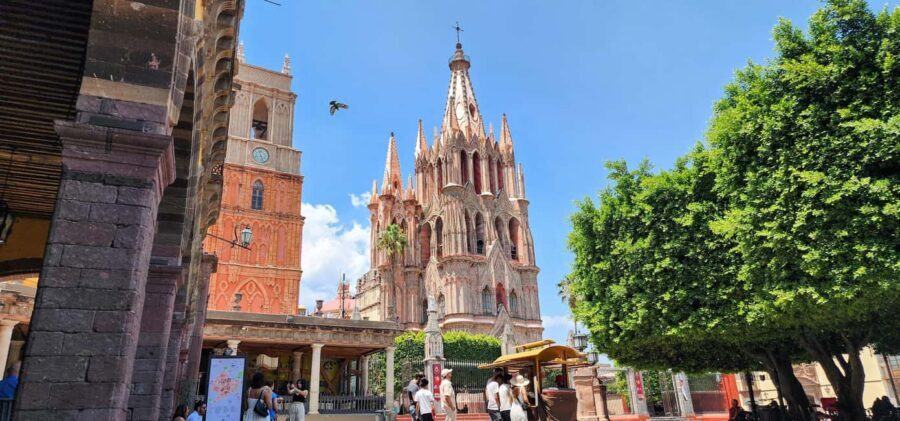
After Querétaro, the drive brings you to San Miguel de Allende, often described as magical for a reason. On this day, the focus isn’t only on pretty streets. You get a guided walk through streets and mansions, with attention to the viceregal architecture that shaped the look of the city.
This is where the tour balances art and everyday life. You’re not just admiring facades from afar—you’re learning what to look for as you move: style cues, the way buildings reflect wealth and patronage, and why the city became such an important cultural stop in Guanajuato.
You also get time built around learning about crafts and gastronomy. Even if you don’t buy anything (and you don’t have to), the guide’s framing helps you understand what you’re seeing in shops and markets—why certain materials and traditions are valued, and how local food fits the culture rather than being treated like an afterthought.
Practical note: San Miguel’s historic center is a place where cobblestone streets can slow you down. If you have knee issues or hate uneven ground, this is worth keeping in mind. Comfortable shoes are the difference between “great photos” and “painful photos.”
Dolores Hidalgo: the Cry of Independence in plain sight
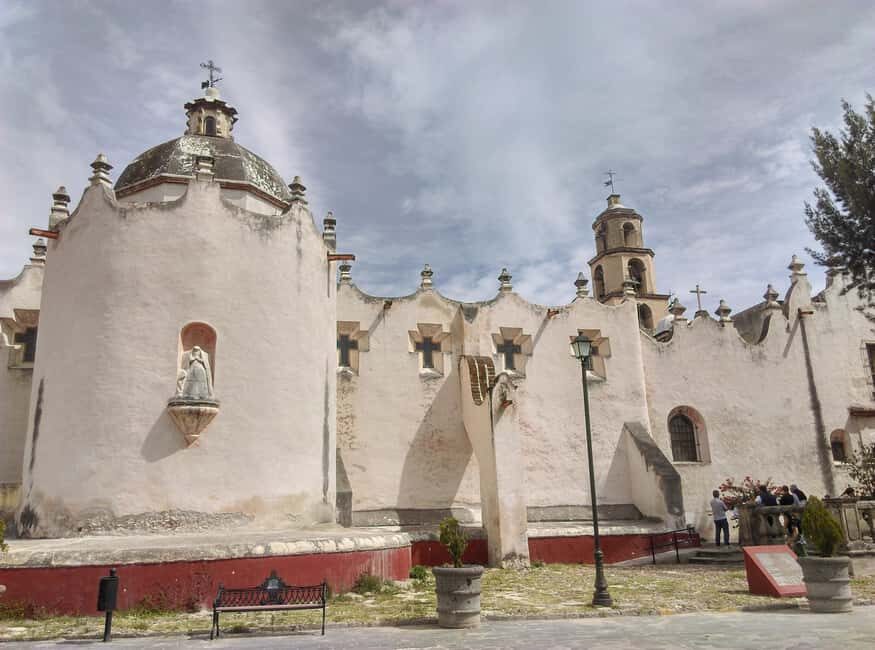
Next comes Dolores, centered on the parish that witnessed the Cry of Independence. Dolores is one of the most meaningful stops of the day because the story is tied to a specific religious setting—one where memory and national identity overlap.
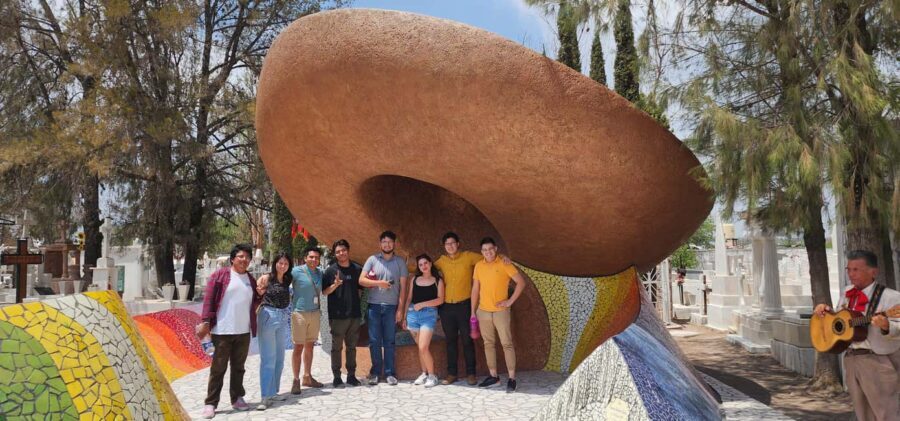
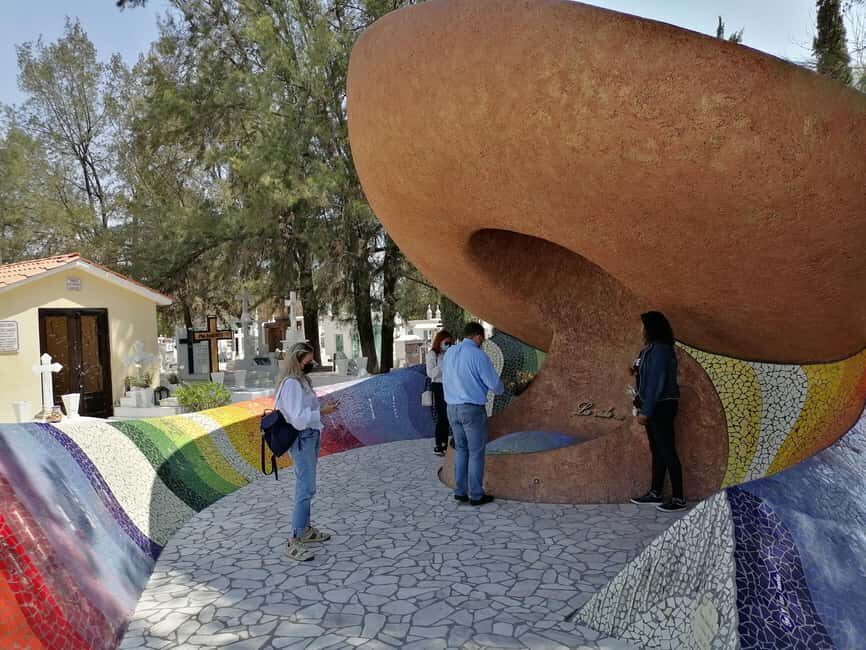
In Dolores, you’ll explore the town’s streets and focus on key religious landmarks, including the parish of Dolores and a nearby place that protects the memory of José Alfredo Jiménez (at the pantheon). That pairing is clever: it links the independence story to broader Mexican culture, because music and faith are part of how communities keep history alive.
Why this stop works for you: it turns a textbook moment into something you can walk around. You’re not hearing about independence as a distant event. You’re seeing how it’s remembered in the places locals care about.
One more detail worth your attention: church and square spaces often feel different than commercial streets. If you’re the kind of person who likes to slow down for atmosphere, you’ll probably enjoy the change of pace here.
Atotonilco: the Mexican Sistine Chapel and why frescoes matter
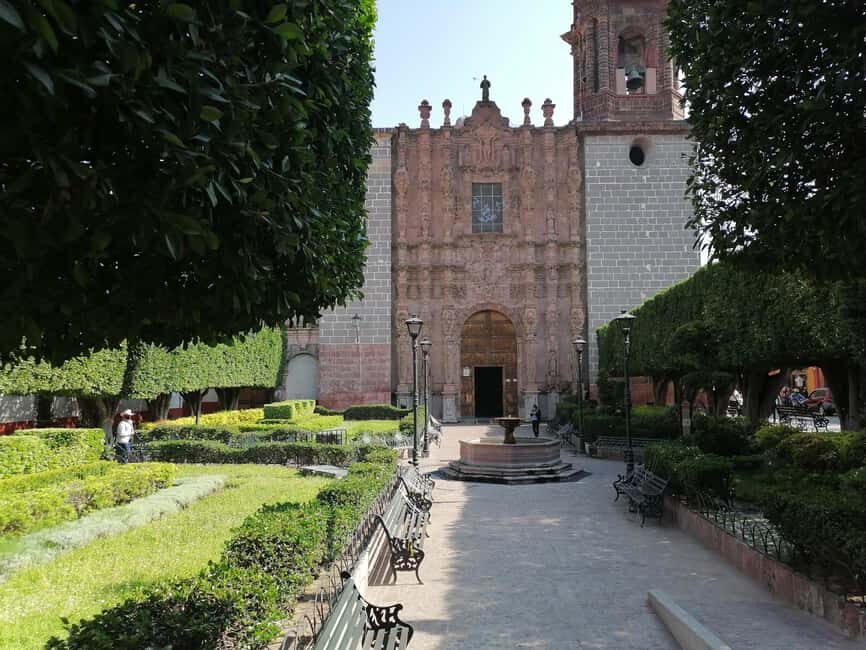
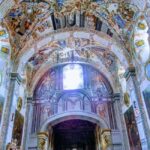
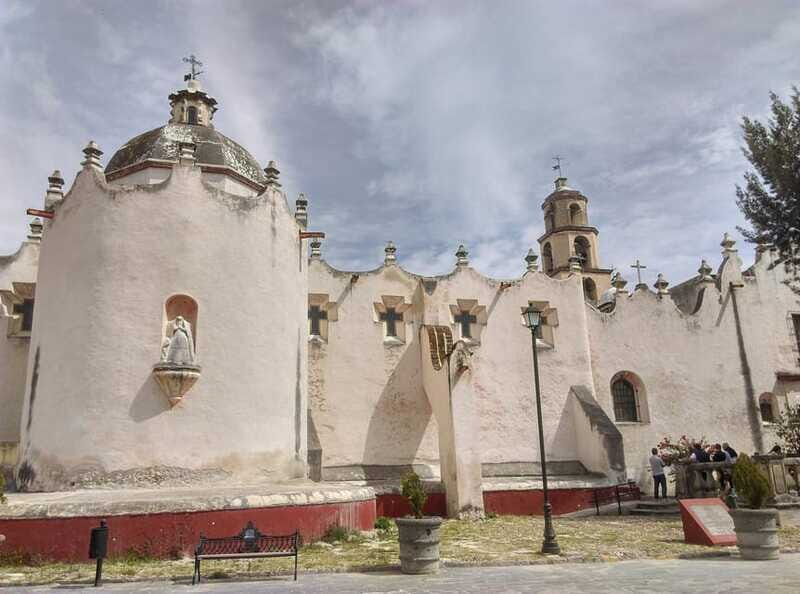
Then you reach Atotonilco, where the tour spotlights what many people call the Mexican Sistine Chapel. The heart of it is the baroque church setting, famous for its stunning frescoes.
The tour’s angle here is helpful: the frescoes aren’t presented as random decoration. They’re treated as a major artistic achievement tied to a local artist’s work—again and again, you’re reminded that religious art in Mexico often serves as both spiritual language and community memory.
Atotonilco also adds a second layer of meaning. This is described as the site where Miguel Hidalgo took the banner of the Virgin of Guadalupe. So you’re not only looking at art—you’re also seeing how symbolic imagery and independence-era actions are linked in the local story.
How to enjoy it more: take a beat before you start rushing for the perfect angle. With baroque frescoes, your brain needs a few moments to read the scenes. If you sprint from wall to wall, you’ll miss the “story inside the story.”



How the guided format shapes the day (and who might lead it)
This experience includes a live tour guide in Spanish and English, and the guided approach is one of the reasons the day doesn’t feel scattered. Having a guide matters most on a history-and-architecture route like this, because the difference between a “nice building” and a “place with a reason” is often explained on the spot.
From what’s been reported about the tour team, guides such as Jesús and Carlos bring a clear, organized style, with English ability noted as especially strong. One driver example given is Alejandro, described as polite and careful—helpful when you’re spending a full day moving between cities.
Will the format feel casual or tightly scripted? For many people, it tends to feel comfortable because the focus is on conversation and explanation, not just speed. If your Spanish is limited, you’ll still be able to follow along in English.
Transportation and timing: what 9 hours really means for you
The tour lasts 9 hours, and that’s long enough to wear you out if you plan to do more sightseeing later that same evening. It’s also short enough that you’ll likely feel like you’re learning a lot without getting stuck in one place for the entire day.
Transportation is included, so you’re not making your own connections between Querétaro, San Miguel, Dolores, and Atotonilco. That’s a big value if you’d otherwise spend time researching schedules, routes, and parking.
The trade-off is that the day is structured. You’ll want to show up ready to move—your shoes, your water, your attention span.
What you’re really paying for: $96 value and the food gap
At $96 per person for a 9-hour day trip, you’re paying for three things you’d struggle to replicate easily on your own:
- Transportation between multiple towns
- A guided history-and-architecture experience
- Access to the sites during the visit
The one clear gap is that food and drinks aren’t included. That’s not automatically a dealbreaker, but it does affect your planning. On a day like this, hunger can take over your focus fast, especially if you want to keep listening to the guide rather than escaping into a long lunch.
My practical advice: budget for a simple snack stop and bring water when you can. If you know you’ll want lunch, plan to handle it outside the tour window (either before you meet up or after the final stop).
Who this tour suits best
This is a strong fit if you like:
- Independence history tied to specific places, not just dates
- Architecture walks where someone points out what you’d otherwise miss
- Religious art and symbolism, especially at Atotonilco
- A day trip that stays efficient while still giving you cultural context
It’s also a good option if you want to see multiple towns in Guanajuato without coordinating everything yourself. If you prefer purely self-paced travel and hate guided structure, you might find the day feels full. But if you like learning as you go, this one makes it easy.
Should you book? A clear yes if you want meaning, not just photos
I’d recommend booking this tour if you want a single-day route that connects Querétaro, Dolores, and Atotonilco to Mexico’s Independence story, and then pairs that with San Miguel de Allende’s architectural charm and cultural learning. The value comes from having transportation handled and from getting guided context that makes the places easier to appreciate.
If you’re the type who needs long free time for wandering, or if skipping included meals would stress you out, consider planning your food carefully—or pair the tour with a meal plan before and after.
FAQ
How long is the tour?
The duration is 9 hours.
How much does the tour cost?
The price listed is $96 per person.
Where does the tour start?
It starts in Querétaro, visiting the main square area of the city at Casa de la Corregidora.
What places are included?
You’ll visit San Miguel de Allende, Dolores, and Atotonilco, with guided stops tied to the insurgent route of Independence.
Is a guide included?
Yes. The tour includes a tourist guide and guided visits.
What languages is the tour offered in?
The live guide is available in Spanish and English.
Are transportation and access included?
Yes. Transportation and access are included.
Is food included?
No. Food and drinks are not included.
Is free cancellation available?
Yes. You can cancel up to 24 hours in advance for a full refund.
Is there a pay-later option?
Yes. You can reserve now and pay later.