REVIEW · SANTIAGO DE QUERETARO
Walking Tour: Temples and Convents (Western Zone)
Book on GetYourGuide →Operated by oh! Turismo que Inspira · Bookable on GetYourGuide
Querétaro’s Western Zone is a church-lover’s shortcut. In just two hours, you’ll see Baroque architecture up close and hear how the city’s convent life shaped daily culture. I like that it feels focused, not like you’re rushing through a checklist.
Two things I really like: the history of each convent and order comes through clearly, and the guide keeps the walk moving with lots of real-world context. One thing to consider: it’s a lot of stone and detail in a short window, so if you hate crowds of information (or heat), plan to pace your photos and questions.
In This Review
- Key things worth your attention
- Walking Tour: Temples and Convents (Western Zone) in Querétaro
- The Baroque Architecture Trail: From San Francisco to Santa Rosa de Viterbo
- Capuchinas, San Agustín, and Santa Clara: How Orders Shaped the City
- What the Guides Do Best: Stories, Answers, and Spanish-Friendly Moments
- A quick comfort tip
- Duration and Value: Does $23 for 2 Hours Make Sense?
- How to Work This Into Your Querétaro Day
- Should You Book This Temples and Convents Walk?
- FAQ
- How long is the Temples and Convents (Western Zone) walking tour?
- How much does it cost?
- What’s included in the price?
- Is food and drinks included?
- What languages is the live guide available in?
- Is the tour wheelchair accessible?
- Is free cancellation available?
- Can I reserve now and pay later?
Key things worth your attention
- Ex Convent of San Francisco: where the first religious order helped set the tone for the area
- Temple of Santa Rosa de Viterbo: Baroque grandeur you can actually read in the details
- Capuchinas: a chance to notice how different religious houses left different marks on the streetscape
- San Agustín: another architectural stop that helps you compare styles and priorities
- Santa Clara: see how the story keeps evolving as you walk
- Bilingual guiding (Spanish/English): you’ll get explanations at a comfortable speed, plus time for questions
Walking Tour: Temples and Convents (Western Zone) in Querétaro
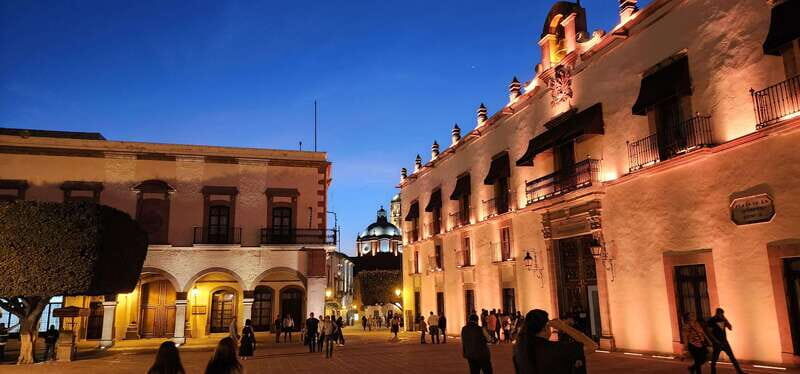
If you only know Querétaro as a pleasant base for other trips, this tour can change that fast. The Western Zone is where the city’s spiritual and artistic power shows up in stone: temples, convents, and the kind of architecture that makes you pause even when you didn’t plan to.
This is a walking tour designed around one specific lens. Instead of starting with the city’s founding and government story, you move through the religious side: how convents functioned, how baroque design communicated status and belief, and how the Spanish colonial period reshaped what people built and worshiped.
At $23 per person for a 2-hour guided walk, it’s a solid value if you like context. The guide is included. Food and drinks are not. That means your best move is to drink water before you start and treat stops as opportunities to learn, not snack.
You can also read our reviews of more tours and experiences in Santiago De Queretaro.
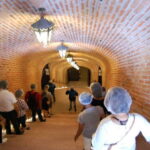
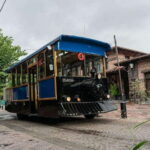
The Baroque Architecture Trail: From San Francisco to Santa Rosa de Viterbo
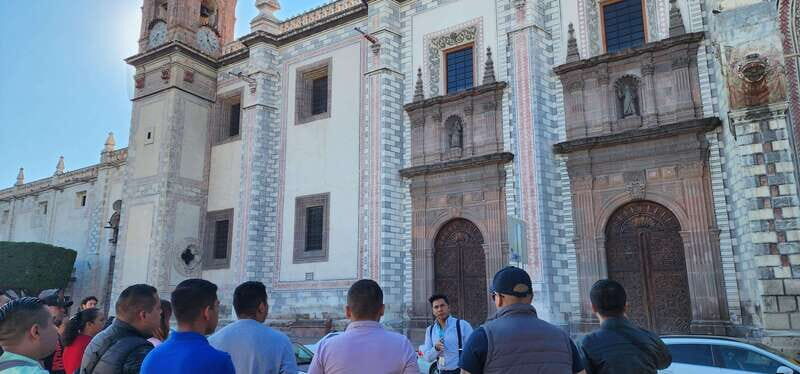
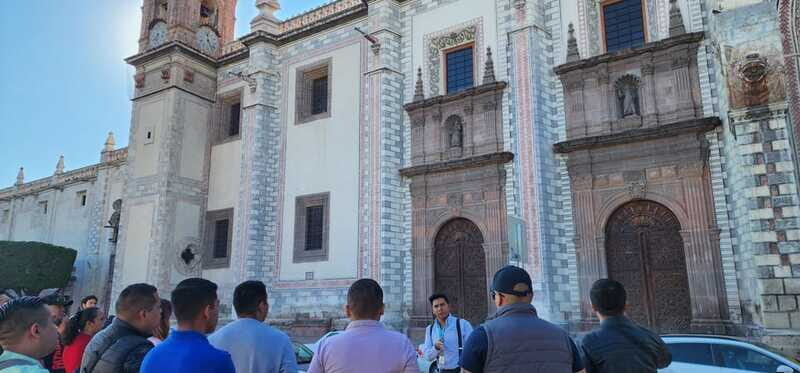
One of the smartest parts of this route is that it starts with a “foundation” stop before it hits the eye-candy. The Ex Convent of San Francisco is important not just because it’s old, but because it represents the first religious order to arrive in Querétaro. That matters. It gives you a starting point for how the Western Zone’s religious landscape took shape.
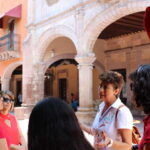
As you walk, pay attention to how the buildings talk to each other across the street. A convent complex isn’t only a church. It’s an entire system—spaces for worship, rules and routines, and architecture meant to inspire and impress. The guide’s job is to connect those ideas to what you’re actually seeing, so it stops feeling like random sightseeing.
Then you shift into baroque mode with the Temple of Santa Rosa de Viterbo. This is the kind of place where you’ll want to step back, look up, and then step closer again. Baroque architecture rewards slow attention. If you rush, you miss the point: the design is built to guide your eye and to signal importance through ornament, form, and dramatic presentation.
If you care about details, you’ll love how the guide frames the temple so you understand what you’re looking at. If you don’t, you’ll still get plenty out of the stories—especially because the tour is paced for real conversation, not just headset monologues.
Practical note: 2 hours sounds short, but Western Zone streets can pack in a lot. You’ll likely spend some time at each major stop to make the architecture and history feel connected instead of like separate snapshots.
Capuchinas, San Agustín, and Santa Clara: How Orders Shaped the City
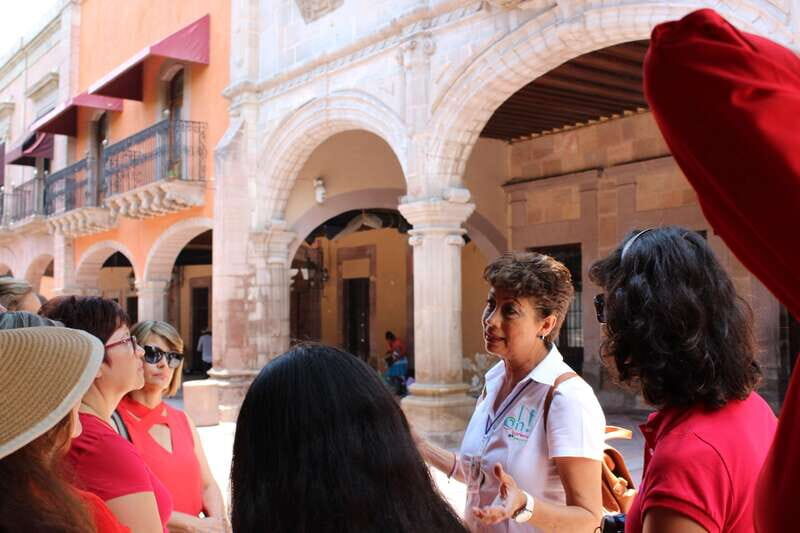
After San Francisco and Santa Rosa de Viterbo, the route keeps building your mental map. The next stops—Capuchinas, San Agustín, and Santa Clara—work well as a set because they let you compare. You start to notice that even within the same colonial timeframe, different religious communities left distinct styles and priorities in how they built and used their spaces.
Capuchinas is one of those names that sounds like it belongs to a world of rules and discipline. In the tour context, that’s exactly the point: each order influenced what the city valued, how it organized religious life, and what visitors would see in the built environment.
At San Agustín, you can shift from “pretty buildings” to “why these buildings look this way.” This stop helps you connect architecture to function—how churches and convents created an atmosphere that was part teaching tool, part spiritual home, and part public statement.
Then Santa Clara brings the story full circle. It’s a strong final impression because it helps you see the Western Zone not as isolated landmarks, but as a network of institutions that shaped Querétaro’s colonial culture over time.
What you’ll take away from this section is simple: walking between these stops turns architecture into a timeline. You see how the religious presence grew and how it left physical marks that still define the city’s center.
What the Guides Do Best: Stories, Answers, and Spanish-Friendly Moments
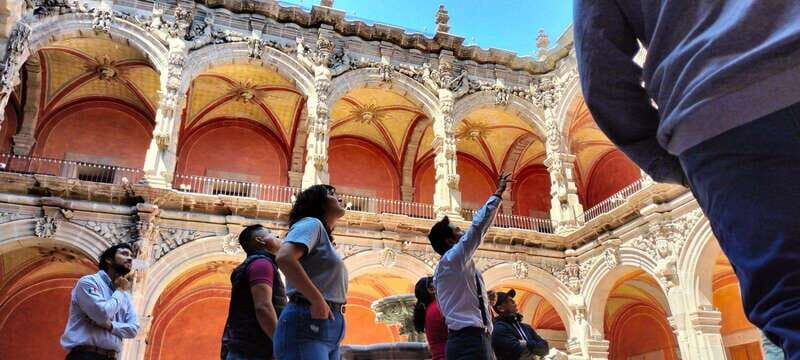
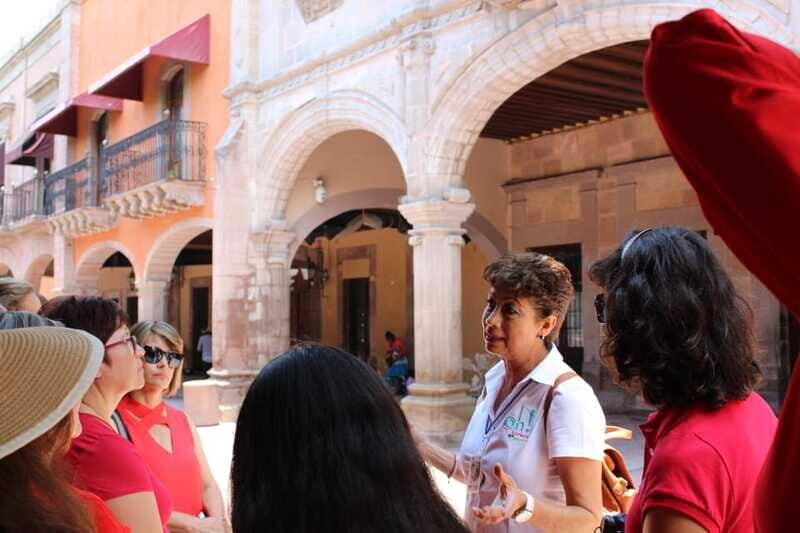
This tour rises or falls on the guide, and the pattern in the feedback is pretty consistent: the guides are engaging, fast on their feet, and ready to answer questions.
I’m a big believer in guides who don’t just list facts. You’ll get more from this experience if the person leading you can connect details across sites. In this case, you’ll often hear the guides bring history into everyday meaning—why a feature matters, what a convent community did, and how that ties to the streets you’re walking.
You’ll see names like Carlos, Jesús, Jorge, and Julio show up as standout guides. People repeatedly highlight things like strong English, patience with questions, and a friendly style that keeps you engaged. One fun detail: Carlos’s approach can turn the walk into a light Spanish practice session, which is perfect if you’re already trying to use the language and want a low-pressure setting to do it.
Another big plus is flexibility. When you ask questions, the guide can usually steer the explanation toward your interests—architecture, art, broader Mexican history, or how Querétaro fits into the larger national story. That’s exactly what makes a short 2-hour tour feel worth your time.
A quick comfort tip
Querétaro can be warm, and a walking tour has to manage that reality. The most helpful guides build in little checks—shade, pacing, and reminders to slow down or step aside if you need a breather. If you tend to get hot, go early in the day or bring a hat, sunglasses, and water.



Duration and Value: Does $23 for 2 Hours Make Sense?
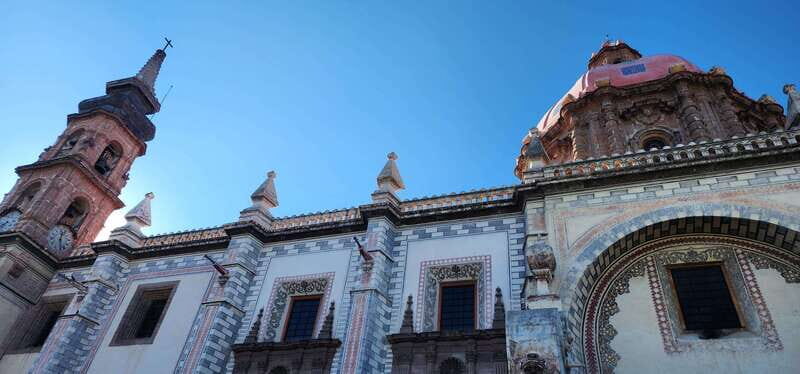
For $23 per person, you’re paying for more than a route. You’re buying an interpretive guide—someone who helps you understand why these convents and temples matter.
Two hours is also a sweet spot. It’s long enough to connect several major landmarks, and short enough that you can still wander afterward. If you have limited time in Querétaro, this tour gives you the backbone of the Western Zone quickly. Then, you can explore on your own with your eyes open.
Since food and drinks are not included, treat the tour like a learning block. Eat beforehand, or plan a later meal. If you do this, you’ll stay comfortable and won’t spend the whole walk thinking about snacks.
Also, the tour runs with a live guide in Spanish and English, so you won’t feel stuck if your group has mixed language needs. And yes, it’s wheelchair accessible, which is a big deal for a walking itinerary.
How to Work This Into Your Querétaro Day
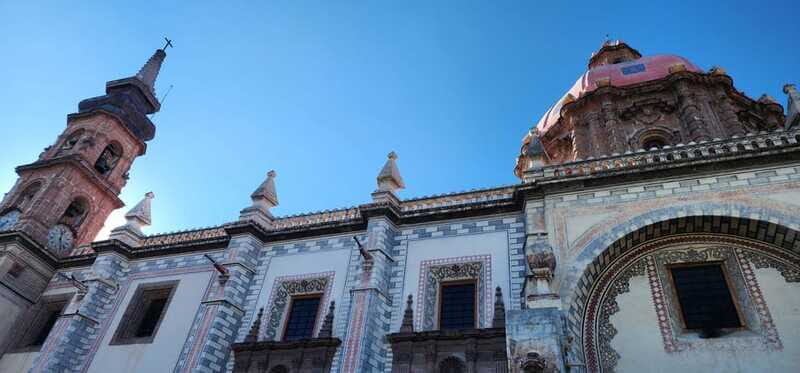
Here’s how I’d schedule it in a way that makes the rest of the city easier to enjoy. Do this tour early—on your first day if possible. It gives you the “why” behind what you’ll see when you wander later. Without that, it’s easy to treat beautiful churches like just photo stops.
After the walk, you’ll likely want to keep roaming. You’ll understand the city better because you’ll recognize the patterns: convent complexes, baroque features, and how the religious institutions influenced the urban center.
If you like culture after the tour, you might also want to check what’s on at CEART in your free time, since chamber music performances came up in the experience notes people shared. The key is to verify current schedules and opening times for whatever interests you.
And a simple pro move: since this tour is about architecture and history, build in time to slow down afterward. Go back to one stop you liked most and look again without the pressure of the group moving on.
Should You Book This Temples and Convents Walk?
Book it if you want a concentrated introduction to Querétaro’s religious and artistic side, especially the Western Zone landmarks. The price is reasonable for a guided walk, and the 2-hour length makes it practical for first-time visitors.
I’d also recommend it if you:
- want to understand what you’re seeing instead of just collecting photos
- like asking questions and getting actual answers
- prefer a structured route that still feels human and conversation-friendly
I might pause if you:
- prefer very slow museum-style pacing (this is more about walking and seeing)
- are traveling in extreme heat and don’t plan for comfort
- need long sit-down time between stops
Overall, this tour is a strong “get your bearings fast” option for Querétaro’s center—one that turns beautiful churches into a story you can carry with you as you explore.
FAQ
How long is the Temples and Convents (Western Zone) walking tour?
The tour lasts 2 hours.
How much does it cost?
It costs $23 per person.
What’s included in the price?
A live tour guide is included.
Is food and drinks included?
No. Food and drinks are not included.
What languages is the live guide available in?
The guide is available in Spanish and English.
Is the tour wheelchair accessible?
Yes, it’s wheelchair accessible.
Is free cancellation available?
Yes. You can cancel up to 24 hours in advance for a full refund.
Can I reserve now and pay later?
Yes. You can reserve now and pay later to keep plans flexible.