REVIEW · MEXICO CITY
Day of the Dead Tour in San Andres Míxquic From Mexico City
Book on GetYourGuide →Operated by Vibe Adventures · Bookable on GetYourGuide
Day of the Dead feels different when you arrive early.
This tour gives you earlier access to San Andrés Mixquic, so you can see Dia de Muertos traditions before the biggest crowds and traffic chaos from Mexico City. I also like that the experience is built around a respectful, small group format, not a rushed sightseeing stampede.
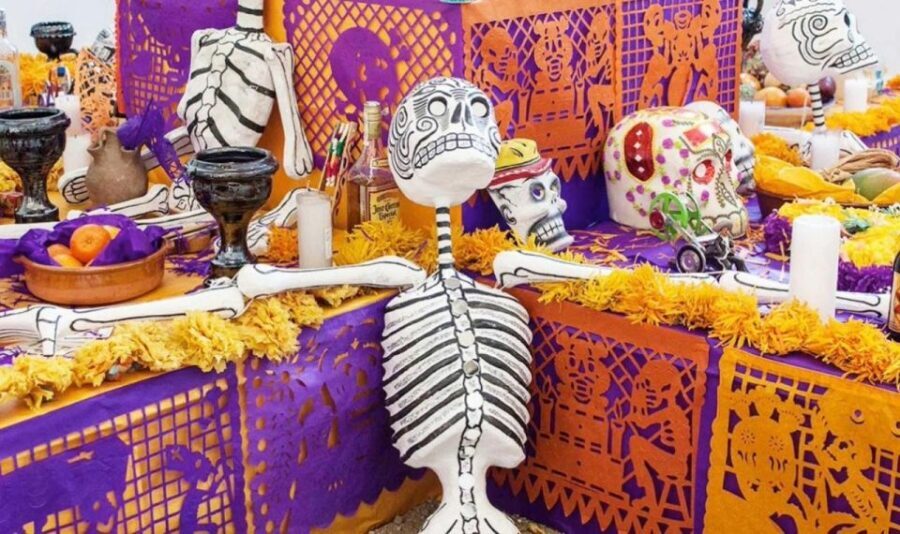
You’ll spend time walking through the town and then focus on what locals actually do: the meaning behind the ofrendas, from skull motifs and marigolds to candles and photos. I especially like that you’re not just looking at decorations—you’re learning how families use these symbols to honor people they’ve lost, and you also stop for included treats like pan de muerto and atole.
The one drawback to keep in mind is that the “ceremony feel” can vary by date and timing. Some visitors have felt the day leaned more toward cemetery viewing and general explanation than a full set of scheduled moments, so if you want the big highlight at the right time, plan around November 2nd when the Alumbrada happens.
In This Review
- Key things you should know before you go
- Why San Andrés Mixquic hits harder than big-city Day of the Dead events
- Beating Mexico City traffic is part of the value
- Mixquic town walk: ofrendas, skulls, flowers, and photos
- Cemetery time: why families’ actions matter more than the decorations
- Timing tip: Alumbrada on November 2nd
- Food you’ll actually get: pan de muerto and atole
- The guide experience: strong when the story matches the place
- Price and logistics: does $94 feel fair?
- What to bring (and what to plan for)
- Who this tour is best for
- Who might want to skip it
- Should you book this Day of the Dead tour from Mexico City?
- FAQ
- How long is the Day of the Dead tour from Mexico City to San Andrés Mixquic?
- Where do I meet the guide?
- Is pickup available from my accommodation?
- How big is the group?
- What’s included in the price?
- Are meals included during the tour?
- What do you do in Mixquic?
- Do you visit the cemetery?
- What is the Alumbrada and when does it happen?
- What should I bring and what isn’t allowed?
Key things you should know before you go
- Earlier start helps you reach Mixquic while it’s calmer and easier to enjoy slowly.
- Small-group or private format keeps the tone more respectful and manageable for questions.
- Symbol-focused storytelling connects skulls, marigolds, candles, and photos to why families set them out.
- Cemetery time with families is where the emotion shows—cleaning graves, lighting candles, and remembering loved ones.
- Timing matters: Panteón de Mixquic is active all three days, but the Alumbrada is specifically Nov 2.
Why San Andrés Mixquic hits harder than big-city Day of the Dead events
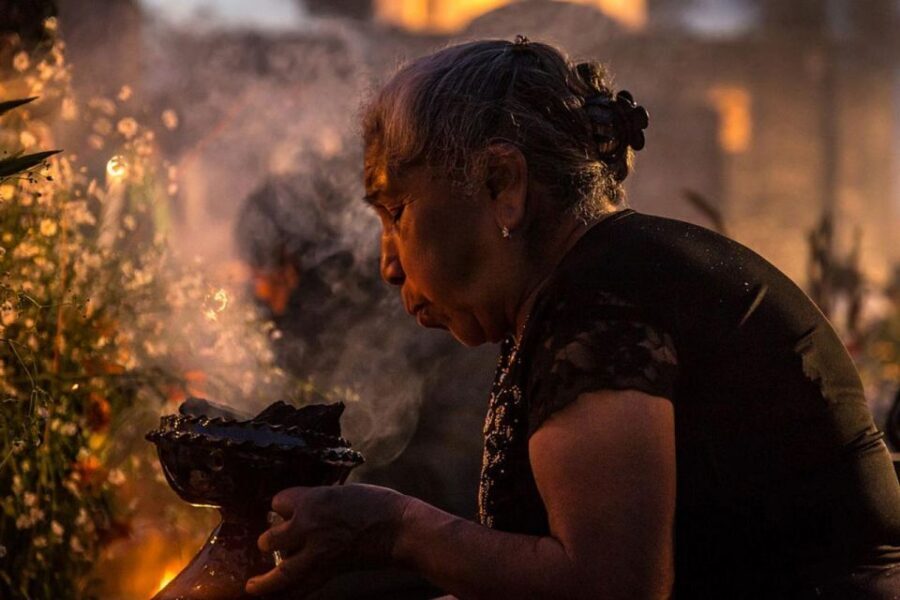
Mixquic is one of those places where Dia de Muertos doesn’t feel like a cultural performance. You’re in a town tied to the Tláhuac area, and the celebration grows out of older practices long before it became the postcard version people learn about in Mexico City.
What I like about this tour’s approach is that it explains symbols in plain language. You’ll hear why the skulls show up so often, why marigolds are used, and what candlelight represents on these graveside visits. This kind of context turns the decorations from “pretty stuff” into something you can actually read.
You can also read our reviews of more city tours in Mexico City

Beating Mexico City traffic is part of the value
The tour runs about 9 hours total, and the schedule starts with a move straight from Mexico City to Mixquic. If you’ve ever tried crossing the city during holiday season, you already know the score: getting there late usually means you get crowds, bottlenecks, and less time where it matters.
This is why the earlier departure is more than a convenience. It’s how you end up with a visit that feels paced—time to look closely, time to ask questions, and time to step back from the noise. You’re also positioned to see Mixquic and the cemetery when families are still actively preparing and gathering.
Mixquic town walk: ofrendas, skulls, flowers, and photos
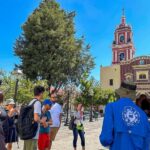
Your first big block is about 4.5 hours in Mixquic, with time for a guided walk and sightseeing. You’ll explore the decorated streets and get a guided look at how Day of the Dead expresses memory in physical form.
Here’s what you’ll pay attention to while you walk:
- Colorful skull designs and how they relate to the idea of remembering, not fear
- Marigolds (often used like a natural guide for where attention should land)
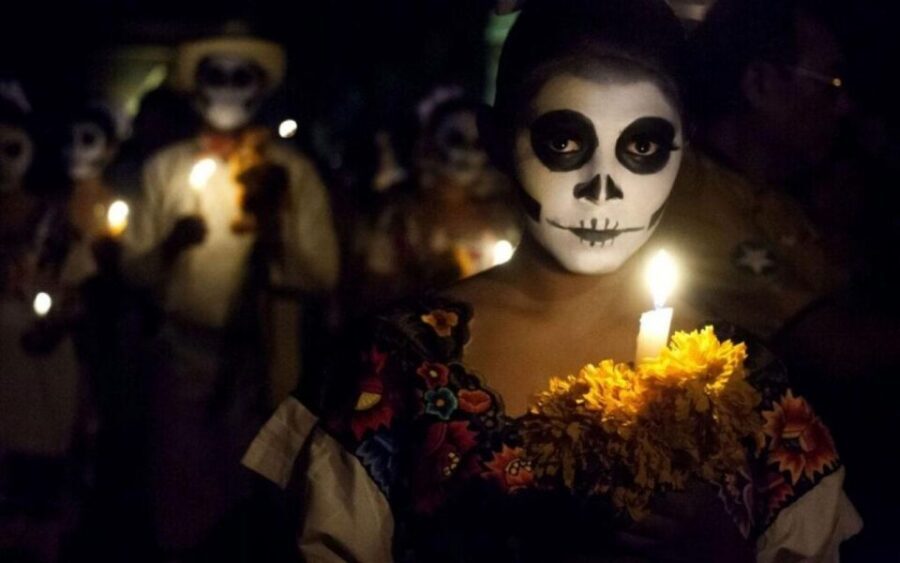
- Candles and what the light symbolizes during remembrance
- Photos and other altar pieces that help families keep someone present, even in absence
This town portion is at its best when you treat it like learning. The more you lean into the guide’s explanations, the less it becomes a quick photo stop and the more it becomes an emotional map.
One note: since this is a guided experience with a set time window, you may not have unlimited freedom to roam every side street. If you’re the type who wants to wander and get lost, you might wish there were more open time—but the tradeoff is a calmer, organized visit.
Cemetery time: why families’ actions matter more than the decorations
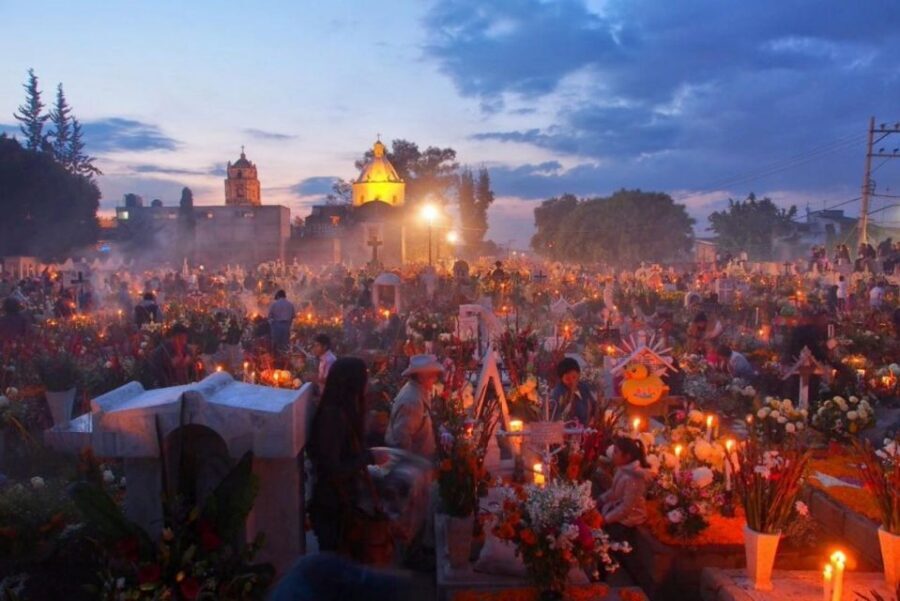
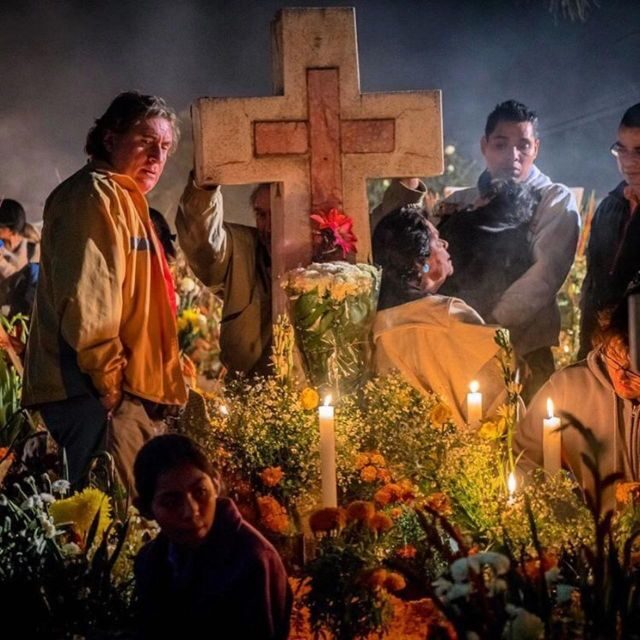
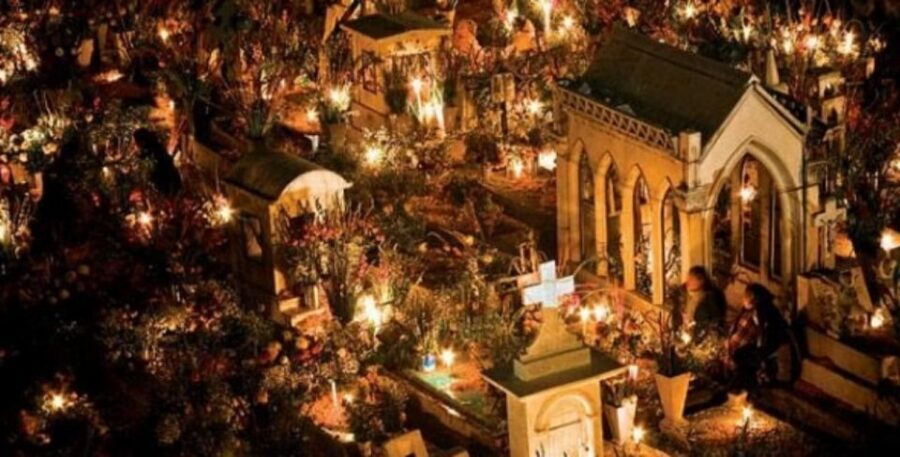
The centerpiece of the experience is visiting the cemetery, where families gather in the grounds to clean and decorate graves, light candles, and spend time in remembrance. This is where Dia de Muertos stops being a theme and becomes a living ritual.
Even if you’ve seen altar photos before, seeing the process in motion is different. You’re not only looking at ofrendas; you’re watching people maintain them, treat the grave space with care, and pause for personal reflection. That’s why the small-group size matters here. Smaller groups can slow down, stay respectful, and avoid crowding families who didn’t come to entertain anyone.
Timing tip: Alumbrada on November 2nd
Panteón de Mixquic welcomes visitors during all three days of the celebration. The specific highlight called the Alumbrada, when locals light thousands of candles, is on November 2nd.
So if you’re chasing the candlelight spectacle, you’ll want to align your visit with that date. On other days, the cemetery can still be powerful, but the “all-at-once” candle moment may not be what you’re seeing.



Food you’ll actually get: pan de muerto and atole
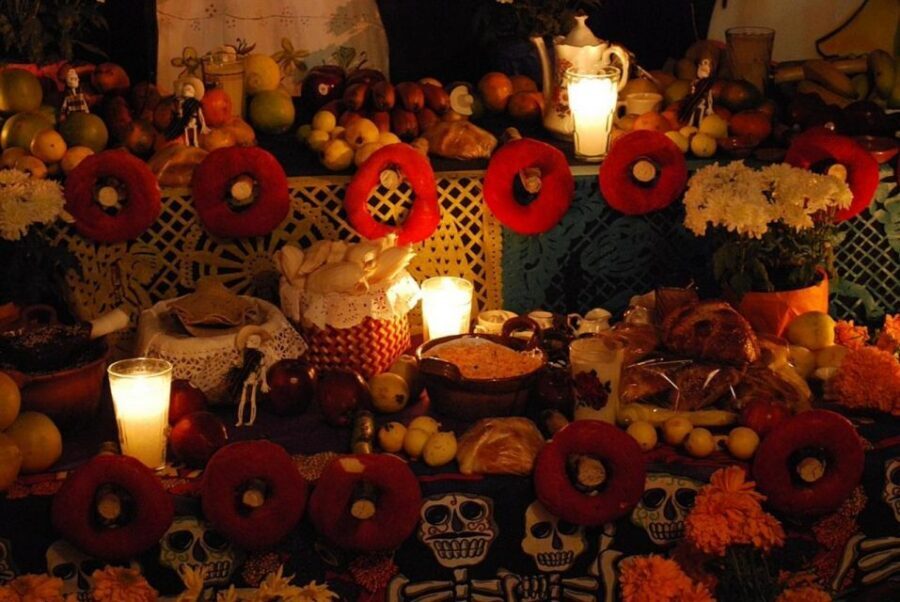
This tour includes pan de muerto and atole. That’s a nice touch because it keeps the day from becoming entirely walking + explanations, and it gives you a basic sense of what families often enjoy during the season.
But meals are not included, so you’ll likely want cash available for other food and vendor stops. One useful reality-check: if you mainly want to eat, Mexico City has plenty of food options too, so the extra value of the tour is more about cultural access and structured time than about saving you from hunting snacks.
The guide experience: strong when the story matches the place
A lot hinges on the guide. The tour includes a local guide and offers multiple languages (Spanish, English, French, Italian, German), which is great for comprehension.
Still, the day can feel very different depending on how much the guide connects the dots. Some guides have been praised for being well-prepared and giving the right background, like a guide named Joe. Others have received complaints for not explaining enough about traditions, including a guide named Flor, which left some people disappointed with how much they learned.
What you can do to stack the odds:
- Ask at the start what symbol you should watch for most during the walk.
- If you don’t understand a key point, speak up early. A good guide can adjust fast.
- Focus your attention on what you’re seeing in front of you—candles, marigold placement, and grave offerings. That’s the “classroom.”
Price and logistics: does $94 feel fair?
At $94 per person for a roughly 9-hour outing, you’re paying for three main things:
1) Private-vehicle transportation out of Mexico City
2) Local guided interpretation in Mixquic and the cemetery
3) Included basics like pan de muerto and atole, plus a small-group or private experience
That said, the value only works if the day delivers on the cultural explanation and on-the-ground cemetery access you came for. Some feedback has been harsh when the experience felt more like general cemetery viewing plus vendor free time, without the depth promised by the story.
So here’s the balanced take I’d give a friend:
- If you want to understand what you’re seeing and you appreciate a structured, respectful visit, $94 can be a good deal.
- If your priority is only food or only photos, you might feel the cost doesn’t match the effort—especially if you could reach food vendors in Mexico City without such a long trip.
What to bring (and what to plan for)

The tour asks you to bring a few practical items:
- Camera
- Cash
- Comfortable clothes and comfortable shoes
Cemetery settings mean you’ll want shoes that handle walking on uneven ground. Also, since meals aren’t included, cash is your safety net.
Not allowed: pets and electric wheelchairs. If you rely on mobility aids, check in ahead so there are no surprises.
Who this tour is best for
This experience fits best if you want:
- Respectful cultural context around Dia de Muertos
- A guided look at ofrendas and cemetery rituals
- A smaller setting where you can actually ask questions and slow down
It’s also a strong choice for people who don’t want to manage transportation and timing on their own during one of Mexico City’s busiest seasons.
Who might want to skip it
You might want to rethink if:
- You’re expecting a guaranteed, full “show-style” program every minute
- You mainly want wandering and eating, and you don’t care much about symbolism or guided interpretation
- You’re very sensitive to transport comfort or pacing and prefer a fully DIY plan
This isn’t meant to be a flexible half-day festival pass. It’s a cultural visit with set time blocks.
Should you book this Day of the Dead tour from Mexico City?
If you’re aiming for a calmer, more meaningful Day of the Dead and you like the idea of learning why the decorations matter, I think this tour is a solid booking. The earlier start, the small-group or private format, and the fact that you actually spend time in the cemetery with families make it feel grounded in real practice.
If you’re unsure, book with your expectations tuned to the ritual: you’re there for meaning, not just entertainment. And if you can travel around November 2nd, you give yourself the best shot at the famous Alumbrada candle moment.
FAQ
How long is the Day of the Dead tour from Mexico City to San Andrés Mixquic?
The tour lasts about 9 hours.
Where do I meet the guide?
Meet your guide outside the Lunario del Auditorio Nacional.
Is pickup available from my accommodation?
Yes. Pickup is optional, and you can request pickup from your accommodation or another place in Mexico City.
How big is the group?
It’s a small group, limited to 15 participants. There is also a private option where it’s your group only.
What’s included in the price?
Included are transportation in a private vehicle, local guides, and pan de muerto and atole.
Are meals included during the tour?
No. Meals are not included.
What do you do in Mixquic?
You’ll have guided time in Mixquic (about 4.5 hours) for sightseeing and walking through decorated areas, with explanations of traditions and ofrendas.
Do you visit the cemetery?
Yes. The experience includes visiting the cemetery where families gather to clean and decorate graves, light candles, and remember loved ones.
What is the Alumbrada and when does it happen?
The Alumbrada is when locals light thousands of candles. It takes place specifically on November 2nd.
What should I bring and what isn’t allowed?
Bring a camera, cash, comfortable clothes, and comfortable shoes. Pets and electric wheelchairs are not allowed. Also, make sure you have a valid contact phone number with the international prefix for pickup.