REVIEW · TECOH
Chichén Itzá: Tour with Expert Tour Guide
Book on GetYourGuide →Operated by Trekzy · Bookable on GetYourGuide
One hour with a guide changes everything. Chichén Itzá feels bigger when you’re walking with a certified guide, and you get a focused route to the headline sights like El Castillo.
You’ll learn how the Maya built and used this sacred city—its politics, trade, military life, and religion—without getting lost in a pile of stones.
I love that the guide explains the “why,” not just the “what.” I also like the way the tour spotlights Maya astronomy and ritual, and even adds small details like acoustic effects you might otherwise miss.
One consideration: site entry isn’t included, and the guide only waits 10 minutes at the meeting point—so plan your timing (and budget) carefully.
In This Review
- Key things that make this tour worth it
- Why a 90-minute guided visit beats wandering at Chichén Itzá
- Meeting by the Chichén-Iztá letters: timing and meeting point reality
- The big monuments you’ll cover: El Castillo, El Caracol, and El Observatorio
- El Castillo: the main stage
- El Caracol: the curiosity-maker
- El Observatorio: astronomy made concrete
- The sacred-city walk: plazas, the ball court, and Maya meaning
- Price and value: what $24 covers (and what doesn’t)
- Camera rules, Sunday free entry, and other practical gotchas
- Device fees for certain equipment
- Sunday free admission
- What to pack so the walk stays pleasant
- Who this tour suits best—and who should skip it
- Should you book this guided Chichén Itzá tour?
- FAQ
- How long is the Chichén Itzá guided tour?
- How much does the tour cost?
- Is the entrance ticket to Chichén Itzá included?
- Where do I meet the guide?
- What languages are available for the tour?
- Is hotel pickup included?
- Do I need to pay extra for cameras or selfie sticks?
- Is this tour suitable for wheelchair users or people with mobility impairments?
Key things that make this tour worth it
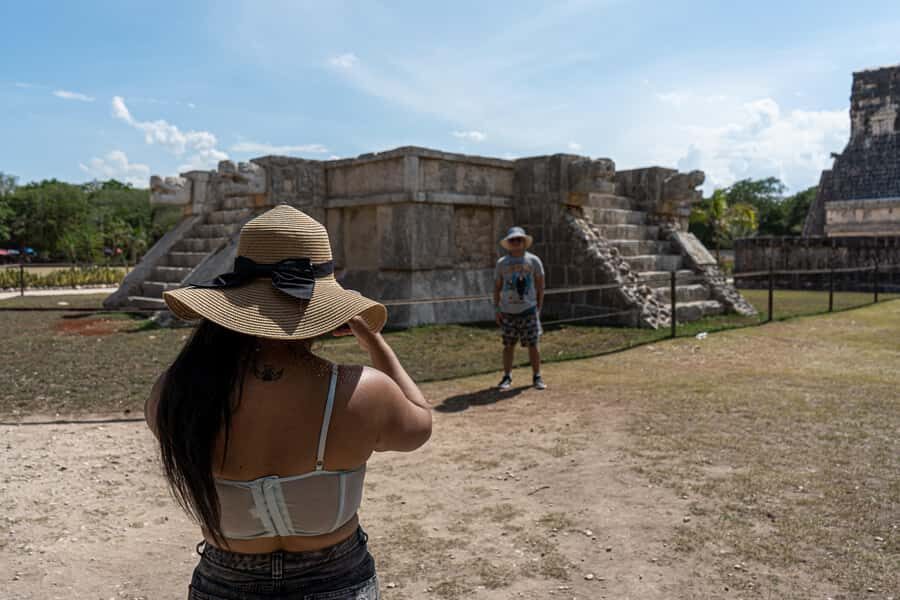
- Certified expert interpretation so you understand what you’re looking at, not just where it is
- A tight 1.5-hour route that hits the biggest monuments without taking over your whole day
- Clear focus on El Castillo, El Caracol, and El Observatorio
- Stories that connect architecture to Maya beliefs and daily life
- Multiple language options including English, Spanish, Portuguese, and Italian
- Rules around camera and device fees if you bring certain equipment
Why a 90-minute guided visit beats wandering at Chichén Itzá
Chichén Itzá is famous for a reason. It’s one of the 7 wonders of the modern world, and the UNESCO World Heritage status isn’t marketing fluff—it matches the scale and significance of the place. But the real win is how fast a good guide can turn “cool pyramid” into “I get what this meant.”
This tour is only about 1.5 hours, usually offered in the morning and afternoon. That short window is actually helpful. Chichén Itzá is spread out, and self-guided wandering can turn into a hot shuffle where you see the big stuff but miss the symbols. With a guide, you get context while you’re still close enough to notice details.
I like that the tour aims for the main points of interest, including El Castillo plus major structures such as El Caracol and El Observatorio. Those stops matter because they anchor the story: power and worship built on geometry, astronomy, and ceremony. You’re not just collecting photos. You’re collecting meaning.
And the guide doesn’t treat the site like a museum label. The explanations cover political, commercial, military, and religious life—the full human picture behind the stones. Even better, the experience is available in several languages, so you’re not stuck translating on your own.
You can also read our reviews of more guided tours in Tecoh
Meeting by the Chichén-Iztá letters: timing and meeting point reality
Start smart. The meeting point is right by the Chichén-Iztá letters, in front of the parking lot. The guide will wait for you there for a maximum of 10 minutes before the tour starts.
That’s the part people underestimate. The parking area can be busy, and it’s hot enough that you’ll want to settle yourself before you march into the sun. Arrive early so you’re not scrambling for the right spot. If you’re even a bit late, you can end up staring at the letters while everyone else heads off.
Also note a couple practical points that help your day run smoother:
- No hotel pickup is included, so you’re driving or arranging your own transportation to the site.
- Food and drinks aren’t included. Bring water plans that match the heat.
- The tour is not suitable for people with mobility impairments or wheelchair users, so if that affects you, you’ll want a different option.
When I’m doing a short, guided site visit, I treat meeting time like it’s part of the tour itself. Get there calm, get there early, then focus on the ruins.
The big monuments you’ll cover: El Castillo, El Caracol, and El Observatorio
This is a “greatest hits” walk, and it sticks to what’s most recognizable.
El Castillo: the main stage
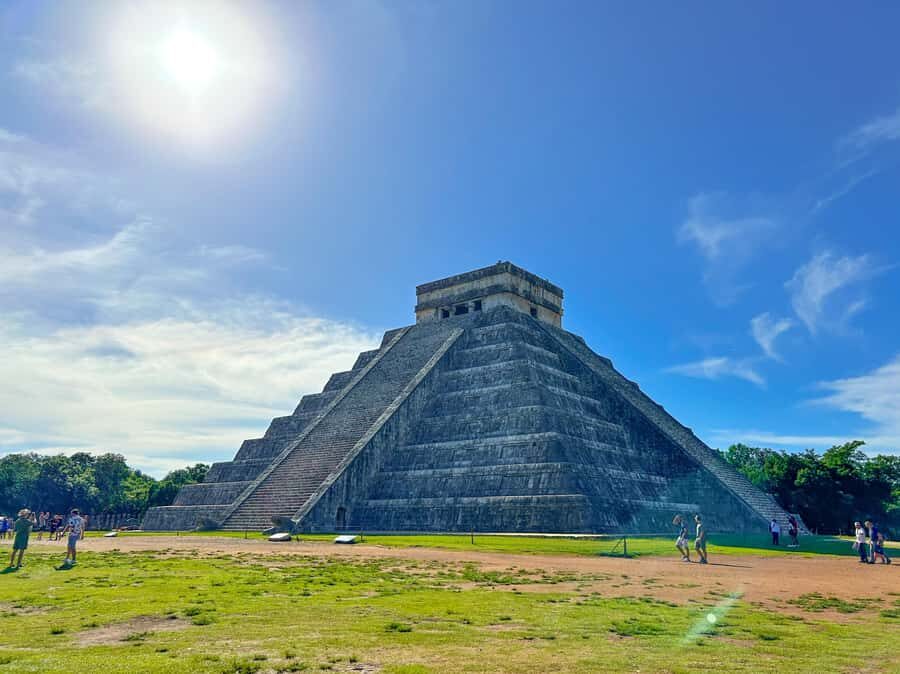
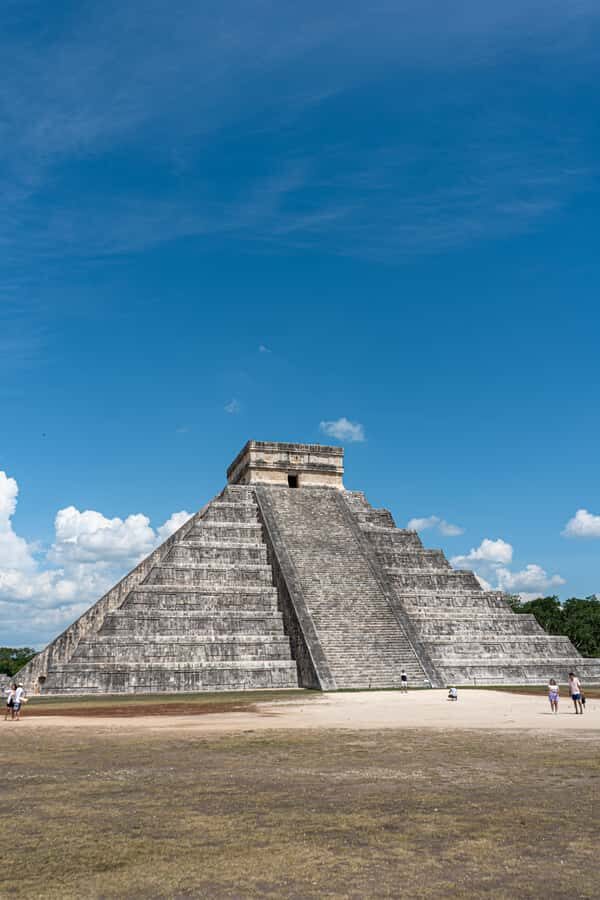
El Castillo is the pyramid that dominates the area, and it’s also the easiest place to understand why the Maya built with such precision. On a guided visit, you get more than a landmark description—you get how it connects to ritual and public power. When the guide explains the symbolism tied to the structure, the pyramid stops being just a photo back-drop and starts feeling like a machine for ceremony.
El Caracol: the curiosity-maker
El Caracol is one of the most talked-about structures at Chichén Itzá, largely because of what it suggests about observation and planning. With the guide’s explanations, you’ll see it as part of a broader system—how the Maya tracked patterns in the sky and used that knowledge for calendar thinking and ceremony.
El Observatorio: astronomy made concrete
El Observatorio (the observatory) is where the tour’s logic clicks. Instead of hearing abstract “they knew the stars,” you’ll be looking at a real building and hearing how it fits into Maya attention to celestial cycles. This is one reason I think a guided format is valuable here. You can walk past the structures, or you can understand how they functioned in their world.
And yes, you’ll also get enough time around the complex to take photos without rushing every second. Because the tour is organized, your stops feel paced rather than frantic.
The sacred-city walk: plazas, the ball court, and Maya meaning
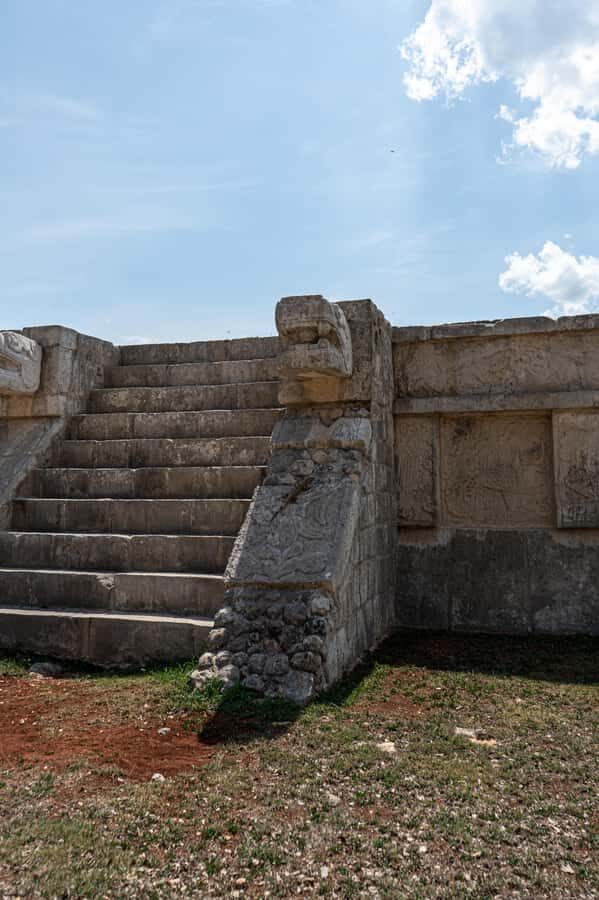
Chichén Itzá isn’t only pyramids. It’s a sacred city, and a guide helps you read the layout like a story.
A major part of the experience is walking around key areas so you can connect structures to how people likely gathered, competed, practiced religion, and reinforced social order. The guide’s talk covers how this place linked religious purpose with political and economic power. That’s what makes the walk more satisfying than a quick sight-seeing lap.
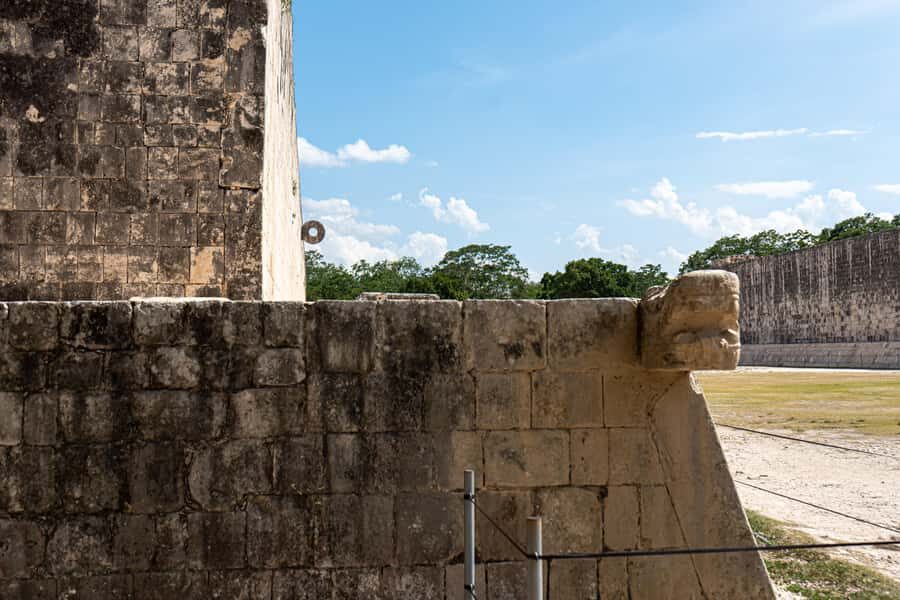
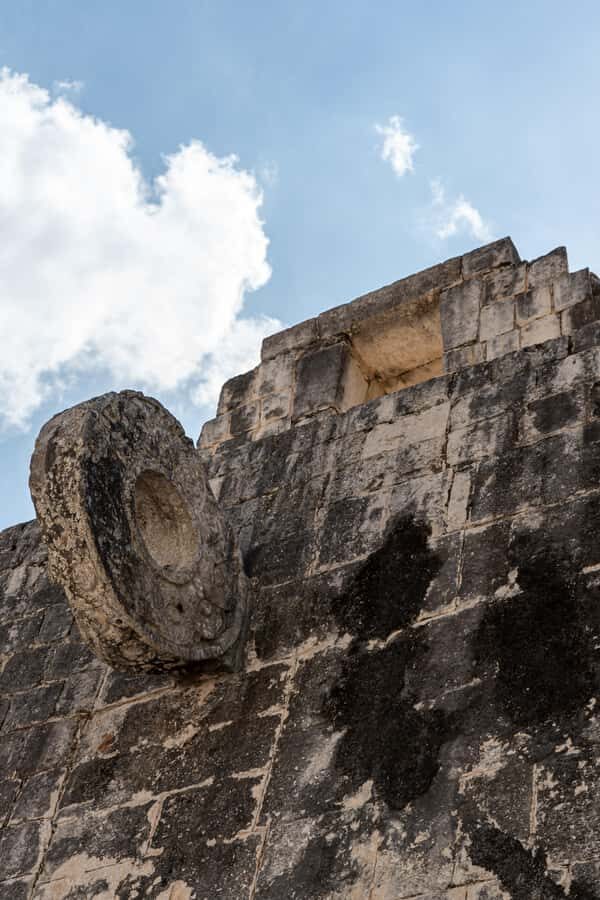
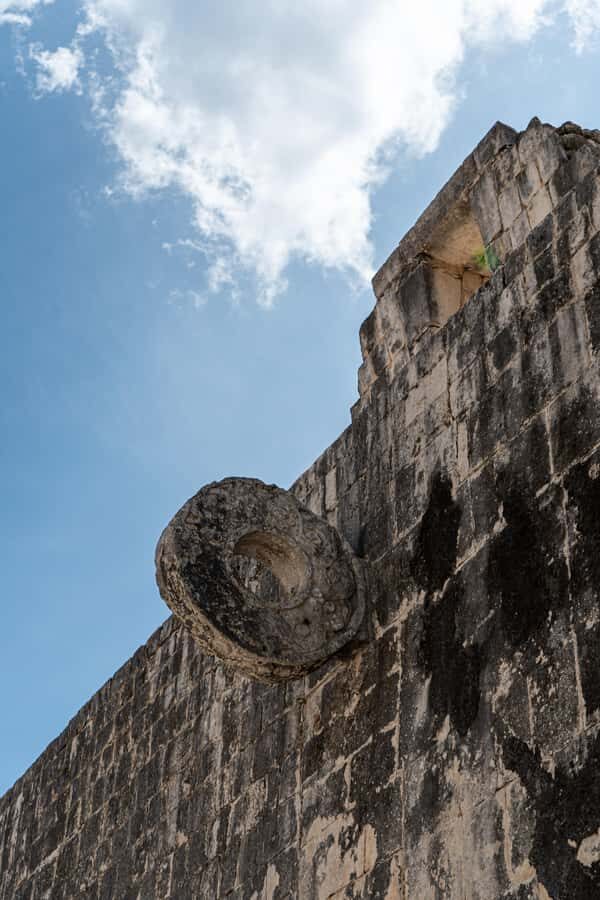
One highlight I’d especially watch for is the ball court discussion. In guided explanations, the ball court history tends to be one of the moments that turns attention from architecture into human drama. The guide can point out how such spaces weren’t only for sport-like competition, but also tied to belief and public meaning.
Another small detail that can totally change your experience: you may hear about acoustic effects. At Chichén Itzá, sound isn’t just physics—it’s part of how certain spaces behave. When someone explains it in plain language while you’re standing there, it’s one of those “oh, that’s why this matters” moments.
This is also where the language choice matters. If you’re in the right language—English, Spanish, Portuguese, or Italian—you can follow story threads without mental translation lag. And following story threads is what makes ruins feel alive.
Price and value: what $24 covers (and what doesn’t)
At $24 per person for about 1.5 hours, this tour sits in the “good value if you want context” category.
Here’s the trade-off to understand up front:
- The tour includes a live guide.
- It includes guided sightseeing of the main points of interest.
- It does not include the entrance to Chichén Itzá.
So your real cost is “$24 plus the site entry fee.” That’s still often worth it. Self-guided visits are cheaper on paper, but you have to work harder to interpret what you see—especially with a site this complex. Paying for an expert guide is basically buying time and clarity.
Also consider what you get in that short duration. You won’t “see everything,” but you’ll cover the key monuments that drive the story: El Castillo, El Caracol, El Observatorio, and other central areas your guide uses to connect Maya life to the physical site. For many people, that’s exactly the right balance. If you only have a limited window in the Yucatán, a focused guided walk prevents the experience from turning into a long, hot scavenger hunt.
One more value angle: the tour offers options in multiple languages and can run as a private group if you want smaller, quieter pacing. That can make the difference between hearing details clearly versus catching only the headline points.
Camera rules, Sunday free entry, and other practical gotchas
The site has rules that can change your plans fast, especially if you bring extra gear.
Device fees for certain equipment
There’s a government order related to entering the archaeological site with equipment like GoPro, professional cameras, and selfie sticks. If you want to bring those, you’ll have to pay an additional fee per device at the ticket office. If you’re bringing more than one item, keep that in mind.
Before you go, think like this:
- If you want simple photos on your phone, your plan is straightforward.
- If you’re bringing “serious” gear, you should expect extra steps and extra cash needs at the ticket office.
Bring cash, just in case you get asked for payment on-site.
Sunday free admission
There is free admission on Sundays for Mexican citizens and foreigners residing in Mexico. You’ll need ID. If your travel schedule hits Sunday, this can reduce your overall cost.
What to pack so the walk stays pleasant
The tour is outdoors and mostly walking, so make it comfortable:
- Sunglasses
- Sun hat
- Sunscreen
- Water
- Insect repellent
- Comfortable clothes for heat
- Camera
- Cash (handy for entrance and any device fees)
Don’t overthink it. The heat is the real enemy here.
Who this tour suits best—and who should skip it
This tour is a great fit if:
- You want a guided explanation so you understand what you’re seeing at Chichén Itzá
- You prefer an efficient 1.5-hour plan rather than a half-day solo wandering session
- You’ll appreciate a guide who connects structures to Maya beliefs, politics, and daily life
- You need instruction in English, Spanish, Portuguese, or Italian
You should probably choose something else if:
- You need wheelchair-friendly access. This experience specifically notes it’s not suitable for wheelchair users and people with mobility impairments.
- You’re the type who wants to linger for longer, independent exploration. This is a focused route, not an all-day free roam.
- You’re bringing equipment that may trigger extra device fees and you’d rather avoid that extra planning.
If you’re on the fence, think about your goal. If your goal is “understand this place,” a guide is the best shortcut. If your goal is “slow strolling for hours,” you may want a self-paced option instead.
Should you book this guided Chichén Itzá tour?
I’d book it if you want the key monuments explained clearly in the language you’re comfortable with. For $24 and about 90 minutes, the value comes from interpretation—how the tour ties El Castillo, El Caracol, and El Observatorio to Maya belief and planning. It’s the kind of visit where you leave with more than photos.
Book with extra attention to logistics if you:
- Need to budget for entrance since it’s not included
- Plan to bring a GoPro / professional camera / selfie stick, since device fees apply
- Have timing pressure, because the guide waits only 10 minutes at the meeting spot by the Chichén-Iztá letters
If you want a straightforward, high-impact way to experience one of the world’s most famous Maya sites, this is a smart choice.
FAQ
How long is the Chichén Itzá guided tour?
The tour lasts about 1.5 hours.
How much does the tour cost?
It’s priced at $24 per person.
Is the entrance ticket to Chichén Itzá included?
No. Entrance to Chichén Itzá is not included.
Where do I meet the guide?
Meet the guide next to the Chichén-Iztá letters, right in front of the parking lot.
What languages are available for the tour?
The tour is offered in English, Spanish, Portuguese, and Italian (with bilingual English and Spanish available as an option).
Is hotel pickup included?
No hotel pickup service is included.
Do I need to pay extra for cameras or selfie sticks?
Yes, if you enter with certain mobile devices/equipment such as GoPro, professional camera, or selfie stick, there is an additional fee per device paid at the ticket office.
Is this tour suitable for wheelchair users or people with mobility impairments?
No, it is not suitable for wheelchair users or people with mobility impairments.