REVIEW · CANCUN
Birds of the Mayan World 1
Book on Viator →Operated by Gills Bioexperiences · Bookable on Viator
Birds along the cenote trails feel almost scripted. This 4-hour Puerto Morelos walk pairs birdwatching with cenote biodiversity, run with low-impact respect for the area; it’s the kind of nature time where you actually learn what to look for. I especially like the guide style—Jose comes across as friendly and sharp at finding birds—and the species variety, including sightings like tucans and aracaris, plus reports of 60+ species when conditions line up. One catch: the pace suits moderate physical fitness, and the tour needs good weather to run.
I also like that it’s built as a true private outing, so you’re not squeezed into a loud group while you’re trying to track movement in the trees. Pickup is offered, and you get a mobile ticket, which makes it easier to manage your afternoon without extra back-and-forth.
You’ll meet at Caoba 971 in Puerto Morelos and head out on trails tied to the cenotes route, then return to the same meeting point. The schedule shown here lists a Monday start window of 4:00 PM to 4:30 PM, so it’s a handy option if you want a focused half-day that doesn’t swallow your whole day.
In This Review
- Key Highlights at a Glance
- Puerto Morelos Cenote Trails: birdwatching with a natural purpose
- Meeting at Caoba 971: how the timing and tour structure really affect you
- What you might see: tucans, aracaris, and the thrill of 60+ species
- Stop 1: La Ruta de los Cenotes and how the route supports birds
- Guides Gil and Jose: what good birding leadership looks like in practice
- The real value: a low-impact half-day you can fit into a Cancun vacation
- Weather and how to protect your plan
- Who this tour is best for (and who should think twice)
- Should you book Birds of the Mayan World 1?
- FAQ
- How long is the Birds of the Mayan World 1 tour?
- Where does the tour start and where does it end?
- Is pickup available and is the tour private?
- What language is the tour offered in?
- What kind of fitness level do you need?
- What happens if the weather is poor or you need to cancel?
Key Highlights at a Glance

- Cenote-route birdwatching focused on the biodiversity along Puerto Morelos trails
- Low-impact tourism practices designed to protect the habitat while you watch
- Private tour setup with only your group, plus pickup offered and a mobile ticket
- Big bird results reported, including tucans and aracaris, and in some cases 60+ species
- Guides Gil and Jose highlighted for friendly, effective bird-spotting
Puerto Morelos Cenote Trails: birdwatching with a natural purpose
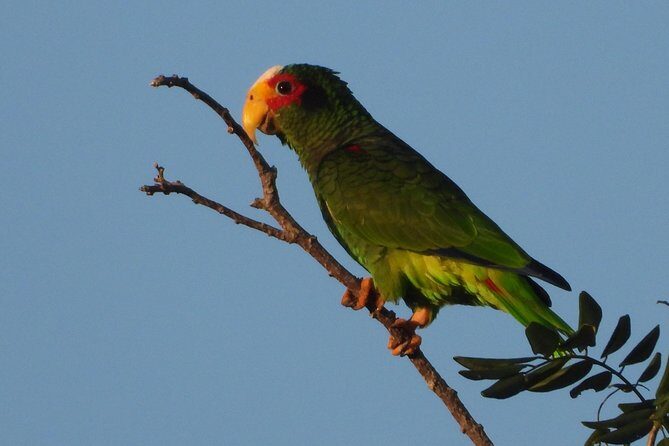
This is not a generic walk where you hope to see something. The whole idea is to go where birds live well, and to do it with low-impact tourism in mind. The cenotes route through Puerto Morelos is the backbone of the experience, and that matters because birds respond to food, water, cover, and safe nesting spots—things that tend to cluster around healthy habitat.
What I like about this format is the built-in logic. You’re not just strolling. You’re moving along a trail corridor where you can connect what you see (feathers, calls, flight paths) with the environment you’re passing through (the cenote-related ecosystem).
You’ll also feel the “half-day field” rhythm. It’s long enough to settle in, scan patiently, and have a few moments where the birds actually show themselves. If you’ve done birding where you only get a quick glimpse and then the group rushes off, this style is a better match.
You can also read our reviews of more tours and experiences in Cancun.



Meeting at Caoba 971: how the timing and tour structure really affect you
The experience starts in Puerto Morelos at Caoba 971 (Joaquín Zetina Gasca, 77580), and it ends back at the same meeting point. That simple loop is practical: you don’t have to worry about a long drop-off logistics puzzle after your walk.
It’s also set up as a private tour/activity, meaning only your group participates. That’s a big deal if you’re birdwatching with any focus at all. Fewer people equals less noise, less stopping and starting, and more time to track a bird that’s only visible for a few seconds.
Pickup is offered, and you’ll use a mobile ticket. In plain terms, you should expect an easy “arrive and go” flow—useful if you’re already juggling Cancun travel time, hotel transfers, or a tight schedule.
The schedule shown here includes Monday departures from 4:00 PM to 4:30 PM. If you’re trying to plan around other activities, that early evening timing is often where birding can feel good—light is softer, and birds can be active in their own steady way. Just remember: the tour requires good weather, so keep your schedule flexible.
What you might see: tucans, aracaris, and the thrill of 60+ species
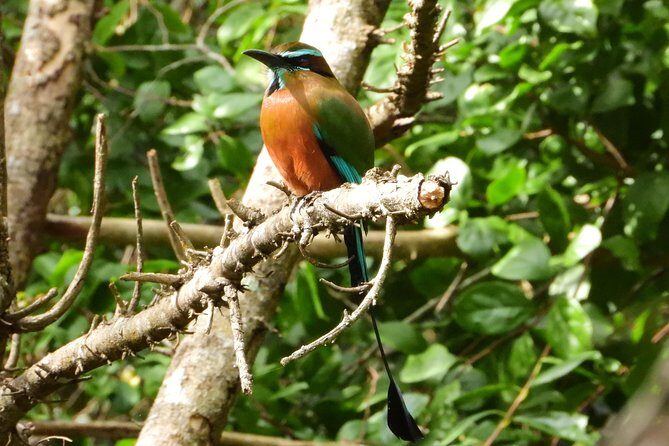
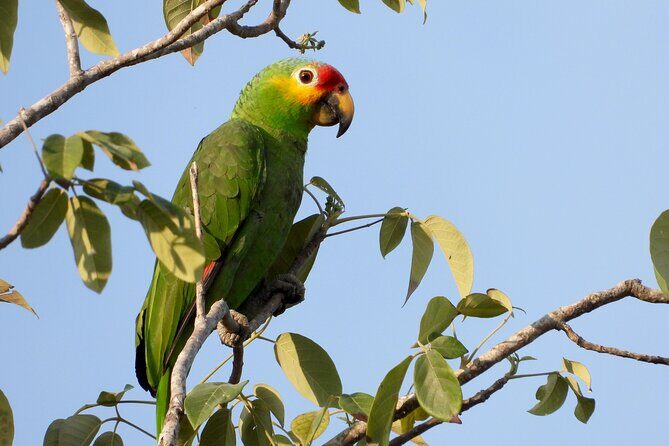
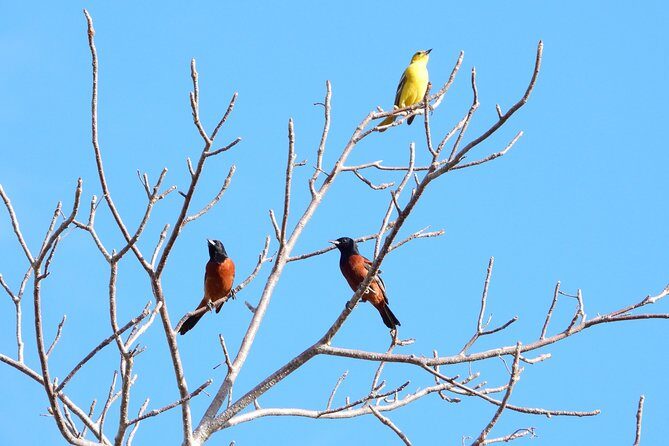
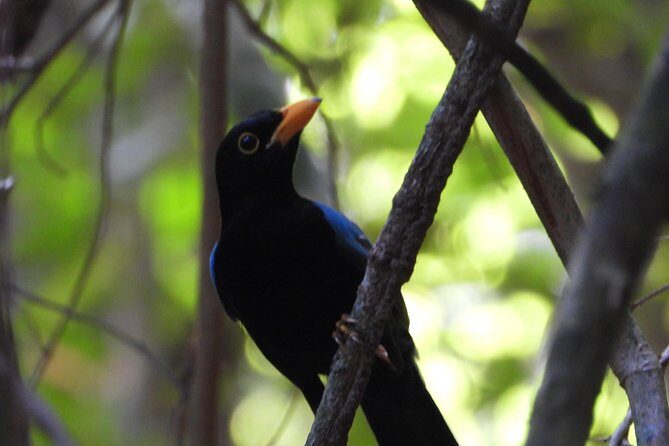
Birdwatching tours can be hit-or-miss. This one aims higher than the usual “maybe you’ll spot something” promise. In the available feedback, tucans and aracaris come up as standout sightings, which tells me the route and the guide effort are aligned with where larger, showier birds travel or forage.
One note I find encouraging: there’s a report of over 60 species during a half-day excursion when the conditions and timing came together. That doesn’t mean every outing will hit the same number, but it does suggest the tour approach is geared for serious results, not just casual strolling.
If you’re a repeat birdwatcher, you’ll probably appreciate the emphasis on seeing what’s actually in the area—birds that belong here and not just a one-off lucky sighting. And if you’re new to birding, you’ll still benefit because a route focused on birdlife helps you develop a basic “read” of what you’re looking at.
Practical tip: wear shoes that can handle trail walking and keep your attention on small movements. In birding, it’s often what you nearly miss that turns into the best sight.
Stop 1: La Ruta de los Cenotes and how the route supports birds
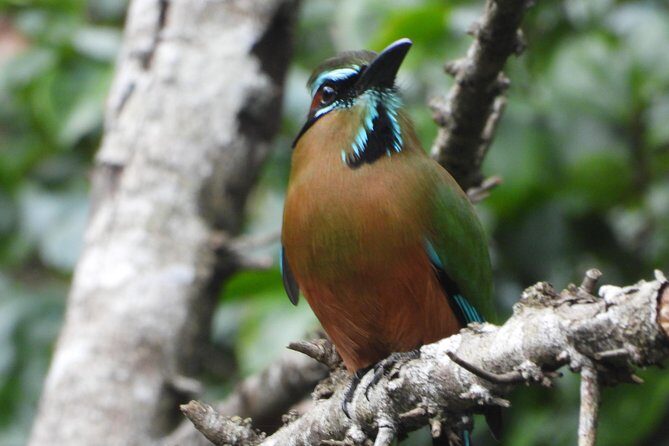
La Ruta de los Cenotes is the single stop listed, which tells you this is a one-focus outing. You’re not bouncing between far-flung sites all afternoon. Instead, you’re spending the tour time on a trail-rich route connected to the cenotes in the Puerto Morelos area.
That concentration is valuable for birdwatching. Birds don’t exist as isolated “spots.” Their activity is spread across routes of cover, feeding areas, and movement corridors. By staying on the cenote-linked trail system, you increase your chances of finding birds where they actually behave—rather than chasing them across long distances.
You should also know this tour explicitly considers low impact. Translation: you’re there to watch, not to disturb. That tends to keep the experience more peaceful for you and helps the habitat stay healthier for the birds that live there.
Possible drawback to keep in mind: the tour calls for moderate physical fitness. Trails around cenote areas can be uneven, and birdwatching often means repeated stops and slow scanning. If you’re dealing with mobility limits, you may want to choose a gentler option—or at least confirm what the walking effort is like on the day you book.
Guides Gil and Jose: what good birding leadership looks like in practice
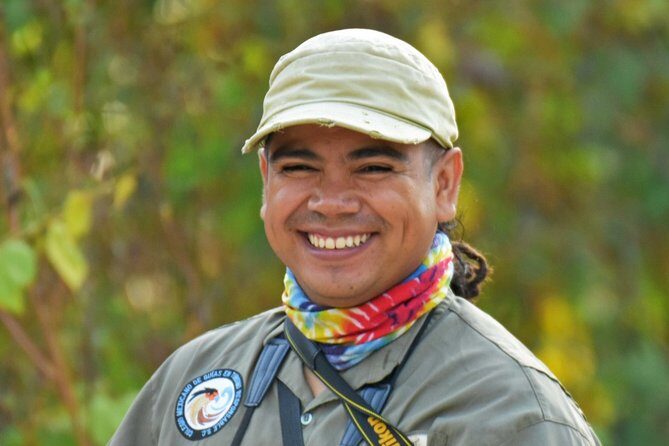
The difference between a “walk with birds” and a real birdwatching outing is usually the guide. Here, the feedback highlights two guide names: Jose and Gil.
Jose is described as fantastic—friendly and effective—and linked with sightings of birds that many people only expect to see elsewhere, like tucans and aracaris. That points to two strengths you want in a guide: knowing what to look for and keeping the experience human and comfortable.
Gil is mentioned for taking people to three different locations and providing a homemade breakfast, alongside a reported 60+ species count. Even if you don’t hit the exact same numbers, those details matter because they signal a thoughtful field plan: multiple vantage points and a reward that keeps energy up during a half-day outdoors.
You’ll get more out of this tour if you approach it like a shared activity. Ask questions when you see a bird you can’t identify. Let the guide steer your attention. Birdwatching improves fast when you’re not only watching, but also learning what cues to look for.





The real value: a low-impact half-day you can fit into a Cancun vacation
At about 4 hours, this is the kind of excursion that fits without forcing you to rearrange your entire trip. That time length is long enough to do meaningful scanning and to experience the cenote-trail setting, but not so long that you’re exhausted for the rest of the day.
It also feels like good value in a specific way: the focus is narrow and clear—birds plus the cenote route. You’re not paying for broad sightseeing variety. You’re paying for concentrated time in a place where birds are likely, and for a guide approach that targets sightings instead of general sightseeing.
If you’re staying near Cancun and you want an experience that feels tied to the ecosystem (not just a photo stop), this one has a strong edge. The low-impact nature and the private format also help it feel more respectful and more personal than big-group tours.
Weather and how to protect your plan
This tour is weather dependent. If conditions aren’t right, it can be canceled due to poor weather, and you’ll be offered a different date or a full refund. That means your best strategy is to plan this kind of outing when you still have room to shift.
Even if you’re excited and ready, don’t treat the schedule as guaranteed. Birdwatching often benefits from stable conditions, and the provider is explicit that the tour needs good weather to run. Build flexibility into your week, and you’ll protect your chances of getting the experience you want.
Who this tour is best for (and who should think twice)
This experience fits best if you like:
- Birdwatching as the main event, not as a side bonus
- Nature walks where the guide helps you understand what you’re seeing
- Private outings where your group moves at a pace suited to watching
It may be less ideal if:
- You can’t handle moderate physical fitness walking demands
- You’re traveling on a day where you can’t shift plans if weather turns
Since the tour is offered in English, it’s also a nice match if you want clear communication without needing to piece things together.
Should you book Birds of the Mayan World 1?
If you want a focused, bird-centered half-day in Puerto Morelos that stays respectful to the habitat, I’d say this is a strong candidate. The combination of a cenote-route setting, a private format, and guide leadership highlighted by Jose and Gil makes it the kind of outing that can turn quiet nature moments into real sightings—tucans, aracaris, and in some cases jaw-dropping species counts.
Book it if you can walk comfortably for a few hours, you can handle changing weather plans, and you’re excited to slow down and watch. Skip it if your schedule is locked tight or if moderate walking is a challenge for you.
FAQ
How long is the Birds of the Mayan World 1 tour?
The tour duration is listed as approximately 4 hours.
Where does the tour start and where does it end?
The tour starts at Caoba 971, Joaquín Zetina Gasca, 77580 Puerto Morelos, Q.R., Mexico, and it ends back at the same meeting point.
Is pickup available and is the tour private?
Pickup is offered, and the activity is private, meaning only your group participates.
What language is the tour offered in?
The tour is offered in English.
What kind of fitness level do you need?
Travelers should have a moderate physical fitness level.
What happens if the weather is poor or you need to cancel?
You may cancel for a full refund up to 24 hours in advance of the experience start time. The experience requires good weather, and if it’s canceled due to poor weather you’ll be offered a different date or a full refund.