REVIEW · SAN JOSE DEL CABO
San Jose del Cabo Small-Group Sunrise Whale Watching
Book on Viator →Operated by SALTY CABO Excursions · Bookable on Viator
Whales before breakfast? Yes. This San Jose del Cabo sunrise whale watching trip is built for the time of day when whales are most active, with a small group and a captain who knows how to keep things comfortable. I love the early start because it keeps the rest of your day wide open in Los Cabos, and I love that you get real Q-and-A time with the guide instead of just snapping photos and hoping for the best. The main drawback is simple: you need to be okay waking up early and staying patient—whales don’t always show up on your schedule.
What makes it feel special is the location and timing. You’ll head out right at dawn from Callejon Pez Sierra 5, watching the Sea of Cortez wake up while migrating humpback and gray whales move through the area. The season runs from December 15 to April 15, so if you’re traveling in those months, this cruise lines up with the natural rhythm of the whales.
Another plus: the crew leans into education and safety. One guest highlighted an oceanographer-style approach, plus guides like Sophia and Paola (and another guide named Sofie) who clearly enjoy explaining whale behavior. Still, this is weather-dependent, so if conditions aren’t right, the operator may reschedule or refund.
In This Review
- Key Reasons This Sunrise Whale Trip Feels Worth It
- San Jose del Cabo’s 6:00 am Start That Actually Pays Off
- The Whales You’re Going For: Humpbacks and Greys in Season
- Small-Group Cruising (Max 10) and Why It Changes Everything
- Comfortable Vessels, Safety Standards, and a Captain Who Gets It
- How the Two-Hour Morning Unfolds
- What You Might See Beyond Whales
- Price and Value: Is $99 Good for Two Hours of Dawn Magic?
- Best Time to Book and What Weather Means for Your Plans
- Who This Tour Fits Best (and Who Might Want Another Option)
- Should You Book This San Jose del Cabo Sunrise Whale Watching Tour?
- FAQ
- What time does the tour start?
- How long is the sunrise whale watching cruise?
- Where do I meet the tour?
- What kinds of whales can I expect to see?
- When is the whale watching season?
- How big is the group?
- Is it weather-dependent?
- Are service animals allowed and is it near public transportation?
Key Reasons This Sunrise Whale Trip Feels Worth It
- Small group size (max 10) means less jostling and more time listening and asking questions.
- 6:00 am departure helps you catch whales during their most active window and leave the rest of your day free.
- Quiet viewing spots far from crowds gives you better sightlines and calmer time on the water.
- Guides who teach on the spot (names like Sophia, Paola, and Sofie show up in reviews) make the sightings click.
- Comfort + safety focus, including captain skill to reduce the rocking feeling people dread on boats.
- You might see more than whales: reviews mention sea lions, dolphins, and pods appearing alongside whale activity.
San Jose del Cabo’s 6:00 am Start That Actually Pays Off
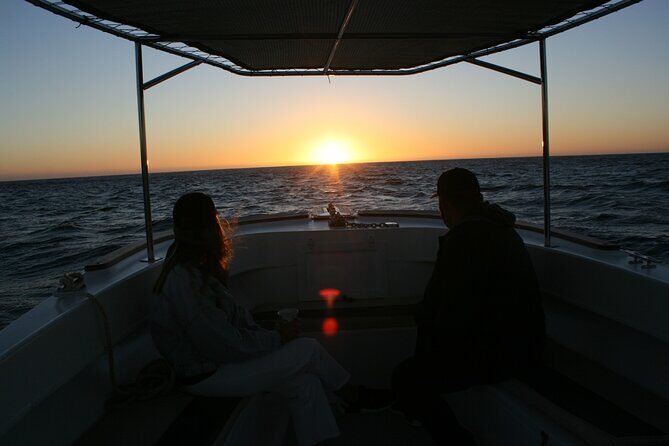
A sunrise tour lives or dies by timing. This one is scheduled to start at 6:00 am, which sounds brutal until you realize it changes the whole experience. In the early morning, the water tends to feel calmer, the light is kinder for watching, and you’re far less likely to be stuck in the thick of big-boat crowds.
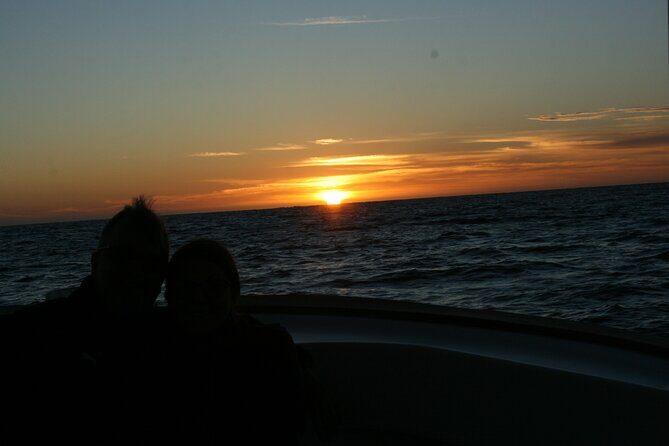
You’ll also get the payoff of daylight quickly: you’re not just aiming for wildlife; you’re watching the horizon change color while you wait for spouts and breaches. One review described it as a lovely way to wake up to the Sea of Cortez sunrise. That matters more than it sounds, because whale watching can be a slow-burn activity. When you’re enjoying the sunrise as your background soundtrack, patience feels easier.
And then there’s the practical side: two hours out on the water keeps the rest of your day intact. If you want to wander San Jose del Cabo, grab lunch, or drive down to Cabo San Lucas later, this schedule leaves room for it.
You can also read our reviews of more whale watching tours in San Jose del Cabo



The Whales You’re Going For: Humpbacks and Greys in Season
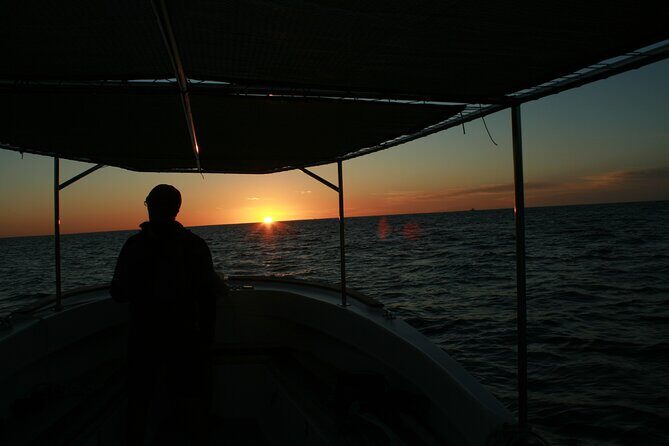
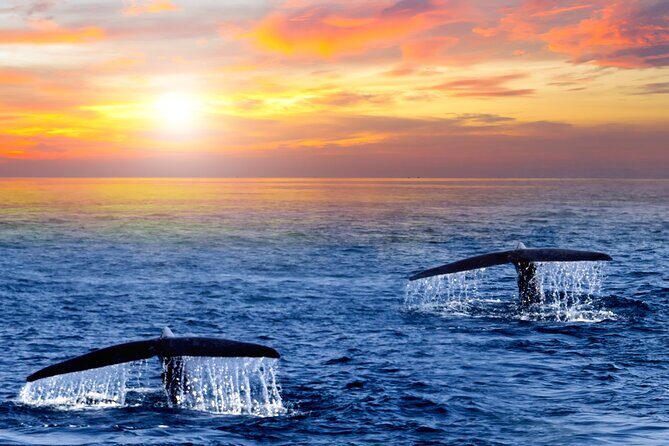
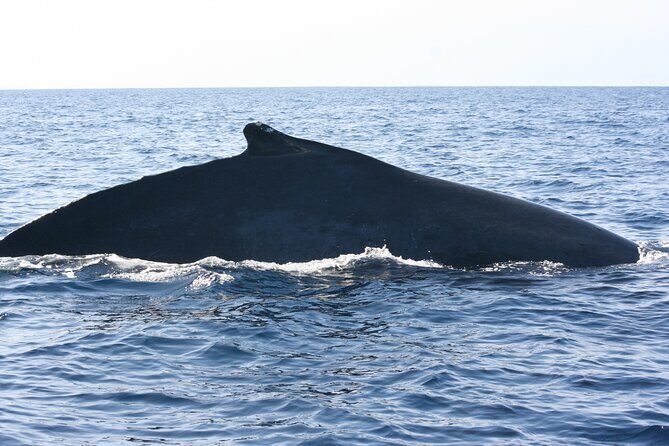
This cruise focuses on the annual migration in the Sea of Cortez. The operator notes humpback and gray whales migrate down to warmer waters to mate, and the whale season runs from December 15 through April 15.
Here’s what that means for you:
- You’re most likely to have meaningful sightings during the season window.
- You’re watching for behavior, not just a distant spout.
- If you see mothers and calves, or competitive males, your guide can help you make sense of what you’re seeing.
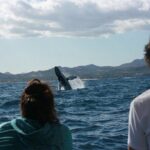
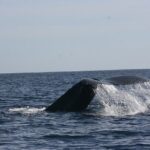
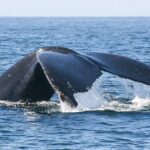
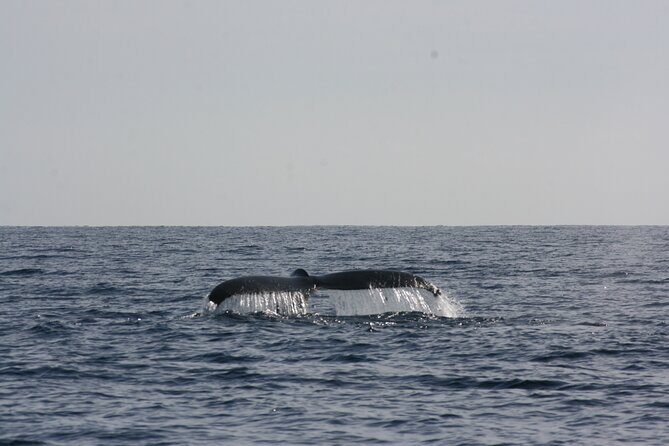
Multiple reviews back up strong real-world results. People reported seeing several humpback whales, gray whales, and even pods of dolphins. One guest even mentioned watching whales put on a show. The key point: when the group’s in the right area, whales can behave more actively in the morning—breaching and moving closer to the surface—so the dawn timing isn’t just marketing.
Important reality check: whale watching is never a guaranteed bingo card. The operator specifically says they’ll take time to observe natural behaviors and use quieter spots away from crowds, which usually increases your chance of calmer, clearer viewing even when the exact behavior varies.
Small-Group Cruising (Max 10) and Why It Changes Everything
This is a maximum 10 travelers tour. That size matters on a boat. With a larger group, you end up squeezed into the same viewing angle, competing for who can stand where, and cutting off your view when someone shifts position. With a smaller group, your eyes don’t feel like they’re constantly bouncing around.
You also get something more valuable than comfort: actual interaction. The tour is set up so you can ask questions and learn while you watch. Reviews repeatedly mention guide knowledge. Names that come up include Sophia, Paola, and Sofie—and guests singled out how much they learned, not just what they saw.
In practical terms, a good guide helps you read the water:
- Why a whale may surface after a period of silence
- What a certain movement can suggest about feeding or social behavior
- How to spot cues like spouts and flukes quickly
If you’re traveling with kids, this matters too. At least one review said educational content worked well for both children and adults. That’s a good sign you won’t be stuck in a long lecture while the boat drifts.
Comfortable Vessels, Safety Standards, and a Captain Who Gets It

Boats can feel like a “trust exercise,” especially if you’ve had a rough day at sea before. Here, the emphasis is on highest possible safety standards and comfortable vessels.
One review specifically praised the captain’s boat handling so it wasn’t rocking back and forth. That’s not a small detail. When you’re trying to watch whales, you don’t want everyone fighting balance while leaning for a better look. Better handling means you stay focused on spotting spouts and movement.
You should also know this trip is run with weather in mind. The experience requires good weather, and if it’s canceled because conditions aren’t right, you’ll be offered a different date or a full refund. In other words: they don’t push through unsafe conditions just to keep the schedule.
If you’re sensitive to motion, it’s smart to come ready—light layers, secure your phone/camera, and keep your eyes on the horizon rather than your feet. You’ll enjoy the morning more.
How the Two-Hour Morning Unfolds
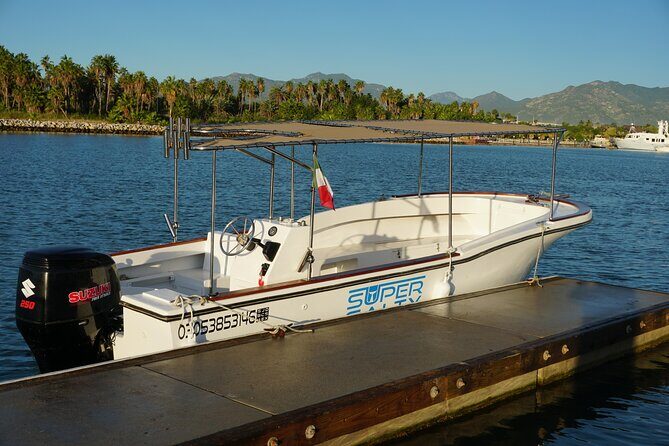
You’ll meet at Callejon Pez Sierra 5, 23403 San José del Cabo, with the tour starting at 6:00 am. The activity ends back at the meeting point, so it’s a loop, not a one-way transfer.
While the details of exact “stop points” aren’t listed as separate named locations, the experience pattern is clear:
- Check in and board efficiently. Reviews mention an easy, efficient check-in process, which helps you start your morning without stress.
- Cruise out at sunrise with coffee or tea. You’ll have a cup of coffee or tea in hand as you head out. It’s a small touch that turns the cold early start into something pleasant.
- Search quietly in little-known viewing areas. The tour highlights stopping in lesser-known spots far from crowds. That’s exactly what you want: fewer engine noises, fewer competing boats, and less jostling when a whale finally surfaces.
- Watch for behavior, not just sightings. The operator notes they’ll take time to observe natural behaviors and enjoy the displays of mothers and calves and/or competitive males.
- Learn while you watch. Your guide and captain explain whale behavior and habitat, and an oceanography-style approach shows up in reviews.
- Return after about two hours. The overall duration is about two hours, letting you get on with the rest of your day.
One thing I’d keep in mind: whale watching often rewards patience. A featured review explicitly said you need to be patient, and then things turned amazing with lots of whales appearing. Translation: if the first stretch feels quiet, don’t panic. Keep watching, listen for guidance, and give it time.




What You Might See Beyond Whales
This trip is all about migrating whales, but don’t be surprised if the morning includes other marine life. Reviews mention:
- Sea lions popping up during the outing
- Dolphins alongside whale activity
- Groups with both humpbacks and additional species appearing over the same stretch of time
That’s why the small-group approach works. When you’re not surrounded by a large crowd, you can quickly shift your attention from one surface cue to another—spout to splash to sudden movement—without losing your spot.
Also, don’t judge the tour by a single landmark. One review noted that you don’t see the Cabo arch, and the guest felt that was fine because the whales and sunrise were the whole point. If your expectations are grounded in wildlife and the horizon line, you won’t miss the usual photo stops.
Price and Value: Is $99 Good for Two Hours of Dawn Magic?
At $99 per person, this isn’t the cheapest option in Los Cabos. But it also isn’t trying to be. You’re paying for a specific time of day, a small group, and a guide-and-captain experience focused on whale behavior.
Here’s how I’d think about value:
- Time-of-day advantage: 6:00 am increases your chance of active whale behavior.
- Max 10 group size: you’re less likely to spend the morning trapped in a crowd.
- Education during the action: the guides (with names like Sophia and Paola) are described as knowledgeable and engaging.
- Safety and comfort: captain skill to reduce rocking can be worth real money if you’ve ever had a motion-heavy boat ride.
If you compare this to a generic sightseeing cruise, you’re paying for purpose-built wildlife watching. And if the whales show up the way they did in multiple reviews—several humpbacks, gray whales, and other marine life—$99 starts to feel like a fair trade for a morning you’ll remember.
Best Time to Book and What Weather Means for Your Plans
Your best odds line up with the whale season: December 15 to April 15. If you book outside that range, you might still see marine life, but the tour is clearly built around migration during those months.
Weather is the other big variable. The operator states the experience requires good weather. If it can’t run due to conditions, you’ll be offered a different date or a full refund. That’s the right approach for a water-based wildlife outing—no one benefits from a risky morning.
My practical advice: if your schedule is tight in Cabo, this is still manageable because the trip is only two hours. But keep a little flexibility if you can, especially if you’re traveling during the shoulder months when conditions can shift.
Who This Tour Fits Best (and Who Might Want Another Option)
This is a great match if you:
- Want whales and a sunrise view, not just a casual boat ride
- Prefer a small group over big tours
- Like learning while you watch (guides like Sophia and Paola are praised for knowledge)
- Are okay getting up early and waiting a bit for the action
It may feel like less of a match if you:
- Hate early mornings in general
- Expect a guaranteed whale sighting every minute
- Need a super-structured itinerary with named stops every 15 minutes (this trip is built around moving to quieter viewing areas as the morning unfolds)
For most people, the balance is right: you get focused wildlife time, a calmer boat experience, and a window that leaves your afternoon intact.
Should You Book This San Jose del Cabo Sunrise Whale Watching Tour?
If you’re traveling in the whale season and you can handle a 6:00 am start, I’d book it. The small-group size, dawn timing, and emphasis on whale behavior make this more than a checklist activity. Between guide teaching (Sophia, Paola, Sofie show up in reviews), captain handling praised for comfort, and multiple sightings of humpbacks, greys, and other marine life, it has the ingredients for a memorable morning.
One last decision tool: ask yourself what you want most. If it’s whales plus sunrise plus room to ask questions, this tour fits neatly. If you’d rather sleep in and fill the day later, you’ll trade some chances for more relaxed timing.
FAQ
What time does the tour start?
The tour starts at 6:00 am.
How long is the sunrise whale watching cruise?
It runs for about 2 hours.
Where do I meet the tour?
You meet at Callejon Pez Sierra 5, 23403 San José del Cabo, B.C.S., Mexico.
What kinds of whales can I expect to see?
The tour focuses on migrating humpback and gray whales in the Sea of Cortez during the season.
When is the whale watching season?
The stated whale watching season runs from December 15 to April 15.
How big is the group?
The maximum group size is 10 travelers.
Is it weather-dependent?
Yes. The experience requires good weather, and if it’s canceled due to poor weather, you’ll be offered a different date or a full refund.
Are service animals allowed and is it near public transportation?
Service animals are allowed, and the meeting area is near public transportation.