REVIEW · QUERETARO
2-Day Tour with Canyoning and Rappelling to the Infiernillo Canyon
Book on Viator →Operated by Aventuras Denali Mexico · Bookable on Viator
You start with training, then you drop into a canyon. What makes this 2-day trip special is the combo of real instruction on Day 1 and an action-packed canyon run on Day 2 in the Sierra Gorda area. I like that the operation takes safety seriously and still keeps it fun and wild-in-a-good-way.
Two big wins for me: the full set of provided equipment (including 3mm neoprene) and the guide experience, including English-speaking instruction from Alfredo. The one drawback to weigh: this is not a sit-still tour. You need moderate fitness and you should expect lots of wet, physical movement, plus a long drive to a small town.
In This Review
- Key points before you go
- The Sierra Gorda base: Ahuacatlán de Guadalupe logistics you should plan for
- Day 1 training in town: getting your feet (and hands) ready
- Day 2 gear-up and readiness: the “don’t wing it” stage
- Inside Infiernillo Canyon: hiking, jumps, waterfall rappels, and swimming
- Alfredo’s guide style: safety, humor, and minimum-impact habits
- Fitness and comfort: what moderate means in real canyon terms
- Gear is handled for you (most of it): what that buys you
- Price and value: is $227.80 a fair deal?
- Who should book this canyon trip, and who should skip it
- Should you book the 2-day Infiernillo Canyon tour?
- FAQ
- How long is the tour?
- Where does the tour start?
- Is pickup available from Querétaro?
- What’s included in the price?
- What is not included?
- What fitness level do I need?
- Is it suitable for kids?
- What kind of weather does the tour require?
Key points before you go
- Day 1 skill practice: rappelling techniques and canyon communication before you’re actually in the canyon.
- Full gear included: helmet, harness, gloves, 3mm neoprene, descent systems, plus a safety-focused setup.
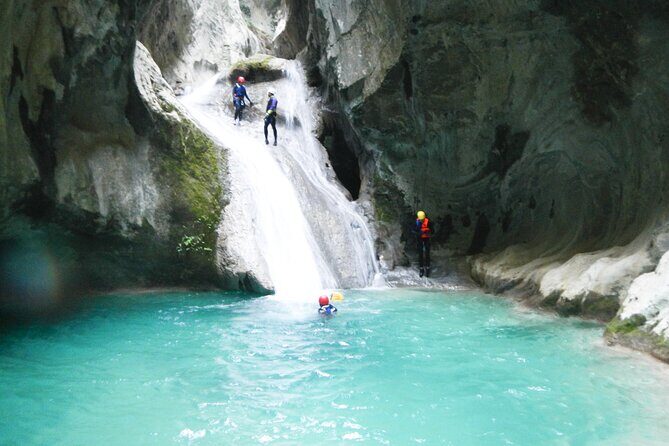
- 5-hour canyon day with variety: hiking, water jumps, rappels into waterfalls, and swimming.
- Small group size: capped at 15 travelers for more hands-on guidance.
- Nature and wildlife moments: frogs, tadpoles, butterflies, and birds can show up during the run.
- Remote base logistics: Ahuacatlán de Guadalupe is small, with limited ATM access and card acceptance.
The Sierra Gorda base: Ahuacatlán de Guadalupe logistics you should plan for
This tour is based around Ahuacatlán de Guadalupe in the Sierra Gorda region. You’ll be leaving Querétaro and heading there, with the tour kicking off in the late afternoon (meeting time is 6:00 pm, at the Ahuacatlán de Guadalupe meeting point). The location is about 3 hours from the city of Querétaro, so you’re signing up for a real getaway, not just a quick outing.
A practical note that matters: this is a tiny town. There are no ATMs, and in many places they may not take card payments. You’ll want to carry local currency for any personal spending, especially since Day 2 includes breakfast that isn’t included.
Pickup can help if you’re staying in town. The operator can pick you up somewhere in the historic center of Querétaro, so you won’t have to figure out every last transport detail alone. Still, transportation to and from the canyon area is not included in the price—so budget time and money for getting to the meeting point.
You can also read our reviews of more tours and experiences in Queretaro.
Day 1 training in town: getting your feet (and hands) ready
Day 1 is all about getting oriented and practicing. After arriving in Ahuacatlán de Guadalupe, you’ll get a welcome around 6:00 pm, plus an explanation of the program. Room delivery happens at the hostel, then you shift into practical induction.
The key is what you practice: rappelling techniques, how you communicate in the canyon, and clear guidance on what’s allowed and what isn’t. You’re basically learning the rules of the game before you’re inside the real thing. That one-two punch—training first, action second—is a huge value if you’re newer or even just nervous about heights and controlled descents.
You also get time to decompress. There’s free time for dinner, plus a chance to rest before the canyon day. This matters because canyoning uses a lot more effort than people expect—walking with gear, climbing back up after descents, and getting comfortable with water movement.
Day 2 gear-up and readiness: the “don’t wing it” stage
On Day 2, the schedule starts early. You wake around 7:30 am and breakfast is not included, so treat that as your personal start. The tour suggests you take advantage of local cravings—small-town food is one of the perks of starting in a place like this.
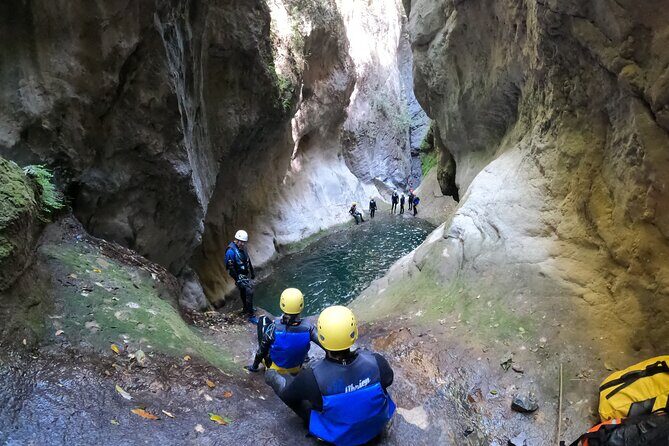
Then comes the gear stage. You’ll be ready with the full canyoning equipment: 3mm long neoprene, a flotation vest, canyon harness, gloves, helmet, and safety/descent systems. You’ll be accompanied by a guide and supported the whole time, which is exactly what you want when the plan includes rappelling and water jumps.
This is where the tour earns its trust. When the guide controls the equipment setup and keeps you moving with the group, it reduces that awkward beginner feeling of not knowing what matters. You’re not expected to guess your way through safety systems.
Inside Infiernillo Canyon: hiking, jumps, waterfall rappels, and swimming
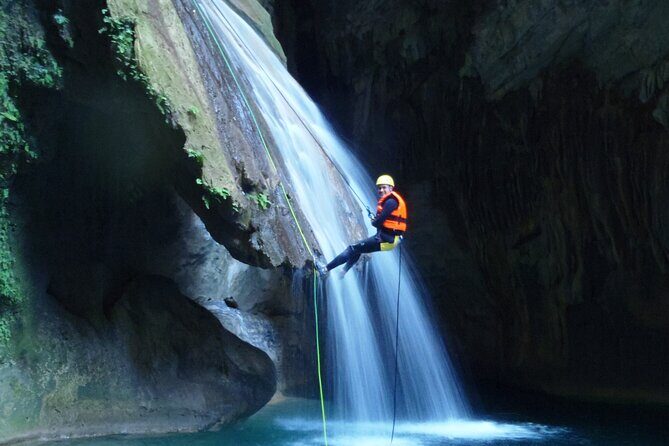
This is the heart of the trip: a canyon tour in the El Infiernillo–Pinal de Amoles area. Expect a mix of effort and adrenaline for about 5 hours, with a total of 5 kilometers of waterfalls, rappels, slides, and other adventures.
What you’ll do in the canyon:
- hike portions of the route
- jump into pools of water
- rappel down in waterfalls
- swim in pools along the way
That mix is why people love canyon days more than a single-activity outing. You don’t just descend and hang out—you move, reset, and keep progressing. Even in dry season, the canyon can still have enough water for swimming and jumps. One guide-led experience I read about specifically notes that in April, there was still a lot of swimming time even though it’s the dry season.
Wildlife sightings can add surprise value. During a previous April trip, the group saw frogs and tadpoles, along with butterflies, flowers, and birds. Even if you’re focused on the action, those moments make the canyon feel alive, not like a single long obstacle course.
Alfredo’s guide style: safety, humor, and minimum-impact habits
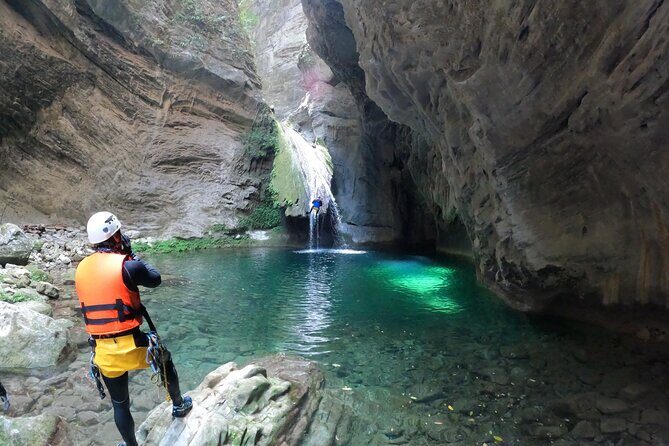
A big part of this experience is the guide approach. In a recent run with Alfredo, the communication before arrival was clear, and his English was described as excellent. That’s not a tiny detail. When you’re learning rappelling and canyon communication, language clarity helps you relax fast.
Alfredo is also known for a friendly, humorous tone, plus education along the way—history, politics, natural resources, and daily life in Mexico. It’s not random lecturing. It helps you understand where you are, and why the community’s relationship with the land matters.
One standout theme: minimum-impact practices and respect for rules. In that same experience, the guide followed rules carefully and used minimum impact methods while in the canyon. That’s the kind of behavior you want on a nature trip—because you’re borrowing a place for a few hours, and you should leave it better than you found it.
And the community connection showed up too. The local area seemed to respect him, and the group felt that his passion for the environment wasn’t just talk. When you get both competence and care, the canyon experience feels smoother.
Fitness and comfort: what moderate means in real canyon terms
The tour is marked as suitable for moderate physical fitness. That’s a fair warning label. Canyoning isn’t only about adrenaline. It includes hiking with gear, moving through uneven terrain, and working with a harness and descent system.
It’s also not a good match if you’re carrying extra weight. The tour notes it’s not recommended for overweight people, and it also isn’t recommended for children under 14 years old. If you’re close to the edge, it’s worth taking those filters seriously. Gear fit and mobility matter for safety.
You should also expect wet conditions. Even if you’re in a warm month, you’ll be in a canyon with pools, waterfalls, and swimming. So wear/bring only what you can handle getting drenched. The tour provides neoprene and safety gear, but it can’t magically make you dry.
Gear is handled for you (most of it): what that buys you
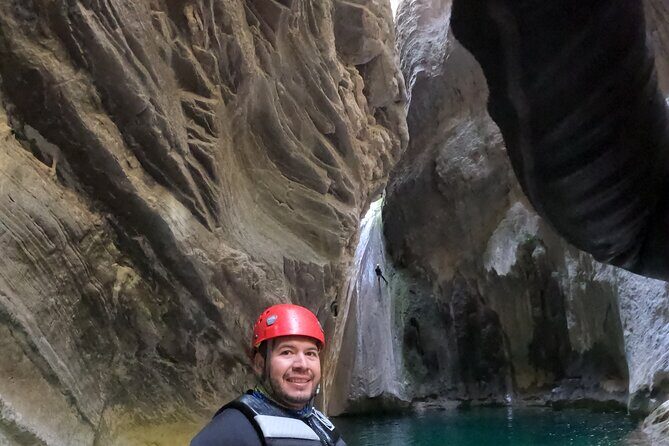
One of the best value parts here is that the tour includes the hard-to-assemble equipment. You get:
- helmet
- 3mm neoprene
- harness
- gloves
- descent systems
- flotation vest (as part of the provided equipment list)
- entrance fee
- specialized guide
- food at the end of the tour
This setup is a big deal if you don’t canyon before. Renting or buying gear for one trip can cost more than you expect, and then you still have to figure out fit and safety basics. Here, the operator handles it, and Day 1 training helps you get comfortable with the system before the main descent.
The only big gaps: transportation, and some meals. Breakfast on Day 2 is not included, and food at the end is included, but you’ll plan for dinners on your own during the free time on Day 1. Tip is also not included.
Price and value: is $227.80 a fair deal?
At $227.80 per person for a 2-day experience, the value depends on what you’d otherwise pay for. You’re getting more than a guide-led descent:
- hostel accommodation is included
- specialized canyoning guidance is included
- full canyon gear is included (not just a helmet and a shrug)
- entrance fees are included
- the canyon day covers about 5 hours and roughly 5 kilometers of varied features
- you get practical training on Day 1, which improves safety and confidence
Transportation isn’t included, and meals beyond what’s stated are on you. But compared to the typical cost of booking a gear-inclusive guided canyon activity, this pricing feels aimed at making the experience accessible. The group cap at 15 also helps justify the price—more attention per person.
If you’re coming from outside the area, the biggest “hidden” cost is getting yourself to the start point in Ahuacatlán de Guadalupe. If you already have local transportation or you’re using the Queretaro pickup option, the deal gets even better.
Who should book this canyon trip, and who should skip it
You’ll likely love this tour if you want:
- guided canyoning with a structured start
- real training and practice on Day 1
- the chance to do rappels, jumps, and swimming in one run
- nature-focused moments (wildlife and water even in some dry-season months)
- an English-friendly guide experience (Alfredo is cited as an excellent communicator)
You should think twice if:
- you prefer dry, low-physical-effort sightseeing
- you’re not comfortable with heights and controlled descents
- you fall into the tour’s stated limits: overweight isn’t recommended, and children under 14 aren’t recommended
Also consider the remote logistics. This tour starts and ends back at the meeting point in town, and the town itself has no ATMs and limited card use. If you dislike carrying cash or you can’t handle offline reality, plan ahead.
Should you book the 2-day Infiernillo Canyon tour?
If you’re looking for a true canyon day with training, gear, and a safety-focused guide, this is an easy yes. The two-day format is the smart part: Day 1 helps you build confidence, so Day 2 can be more about enjoying the canyon than fighting uncertainty.
Book it if you can commit to the wet and physical side of canyoning, and if you’re okay with a small-town base and cash planning. Skip it if heights, water movement, or the fitness demands don’t fit you.
FAQ
How long is the tour?
It runs for about 2 days.
Where does the tour start?
The tour starts at the meeting point in Ahuacatlán de Guadalupe (the listed meeting location is around 6F76+W4 / 6F76+W45).
Is pickup available from Querétaro?
Yes. Pickup is offered somewhere in the historic center of Queretaro.
What’s included in the price?
Included are hostel accommodation, helmet, 3mm neoprene, harness, gloves, descent system, the entrance fee, a specialized guide, and food at the end of the tour.
What is not included?
Transportation, food (other than the included end-of-tour food), and tips are not included. Breakfast on Day 2 is also not included.
What fitness level do I need?
The tour is for travelers with moderate physical fitness.
Is it suitable for kids?
It is not recommended for children under 14 years of age.
What kind of weather does the tour require?
This experience requires good weather. If it’s canceled due to poor weather, you’ll be offered another date or a full refund.
If you want, tell me your travel month and whether you’ve ever done any rappelling before, and I’ll help you gauge how intense this will feel for you.