REVIEW · VALLADOLID MEXICO
Xkopek, Mayan Bees Tour and Honey Tasting in Valladolid
Book on GetYourGuide →Operated by Xkopek Tours · Bookable on GetYourGuide
Bees in a dry cenote sounds odd. At Xkopek Parque Apícola in Valladolid, you’ll walk plants, then descend into a cenote vault to see stingless bees working and learn what makes Yucatán honey special. You’ll also get a hands-on look at the hive and a tasting at the end that ties it all together.
I love the up-close access to stingless bees in their natural, wild set-up, especially the chance to see how they go about their work without the usual fear factor. I also like the payoff at the end: a honey-sweetened drink plus tastings of honey and other hive products that help you understand the different flavors and uses.
One thing to plan for: the trails include stairs and stony areas, and the tour isn’t suitable for kids under 5. If you’re sensitive to uneven ground or have mobility limits, this is the part you should think about first.
In This Review
- Key highlights at Xkopek Parque Apícola
- Where You Meet Xkopek in Valladolid
- The Walking Start Before the Dry Cenote Descent
- Down in the Cenote Vault: Seeing Bees at Natural Work
- Jungle Path Lessons: Plants Used for Honey Production
- The Meliponario: Where Stingless Bees and Hive Structure Meet
- Honey Tastings and Hive Products: The Part You’ll Remember
- Price and Value: Why $18 Feels Reasonable
- What to Wear and How to Prepare for the Cenote Stairs
- Should You Book This Mayan Bees Tour in Valladolid?
- FAQ
- How long is the Xkopek Mayan Bees Tour and Honey Tasting?
- What does it cost?
- Where is the meeting point?
- Do the bees sting?
- What languages are the tours offered in?
- Is this tour suitable for children?
- What should I wear?
- What repellent should I use?
- What’s included in the ticket price?
- What is not included?
Key highlights at Xkopek Parque Apícola
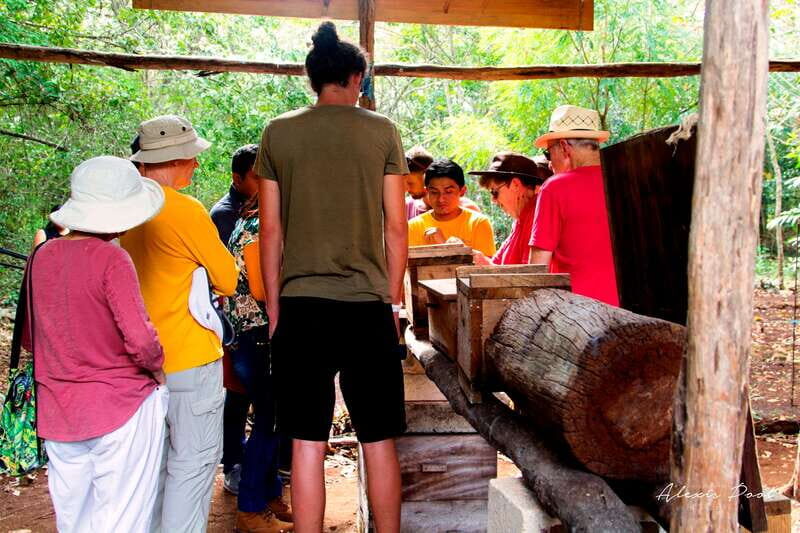
- A dry cenote bee viewing stop in a vault setting where you can watch local bee varieties
- Stingless bees with no stings, so you can focus on learning instead of dodging
- Jungle plant identification for the main plants tied to honey production
- Meliponario lessons + hive-opening view to spot how the hive is built
- Honey and hive-product tastings, plus a drink sweetened with honey
- Small group size (up to 10) for better pace and questions with your guide
Where You Meet Xkopek in Valladolid
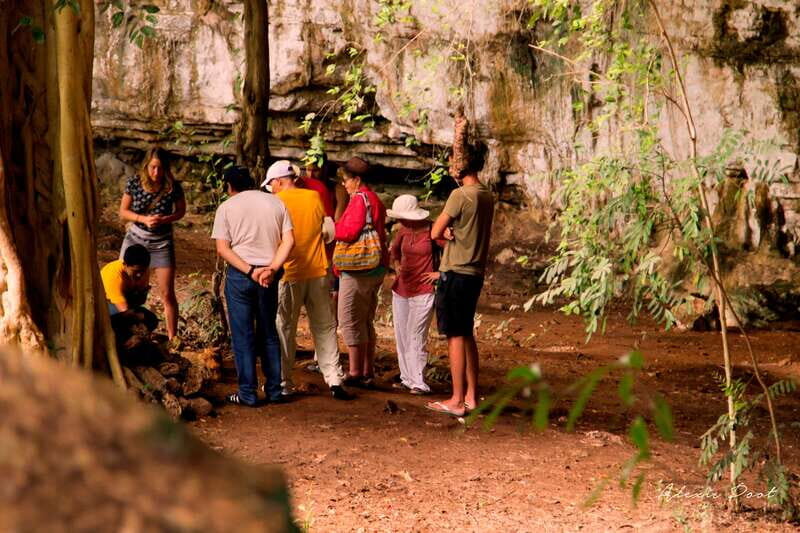
This tour is based at Xkopek Parque Apícola in Valladolid, so it’s a practical add-on if you’re already exploring the city. The meeting point is Calle 57 x 38, Colonia San Juan (next to the Sindicato de Taxistas Los Frailes, by Villas del Sol). If you’re using a taxi, show the address and you should be set; if you drive, Google Maps can route you there.
The experience runs about 90 minutes, and it’s capped at 10 participants, which keeps the pace comfortable. Tours are guided in English and Spanish, so you won’t feel like you’re watching nature with zero context.
You can also read our reviews of more tours and experiences in Valladolid Mexico.



The Walking Start Before the Dry Cenote Descent
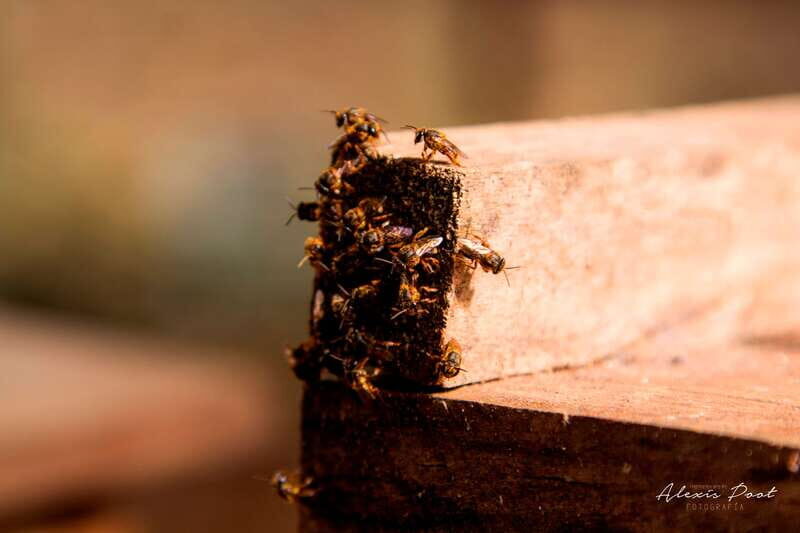
You begin with a guided walk that sets the stage. You’ll move through a plant-focused part of the property where your guide talks about the local plants and why they matter to the bees and the honey process. It’s one of the smartest parts of the whole outing because it trains your eyes: you start noticing the ingredients behind the final taste.
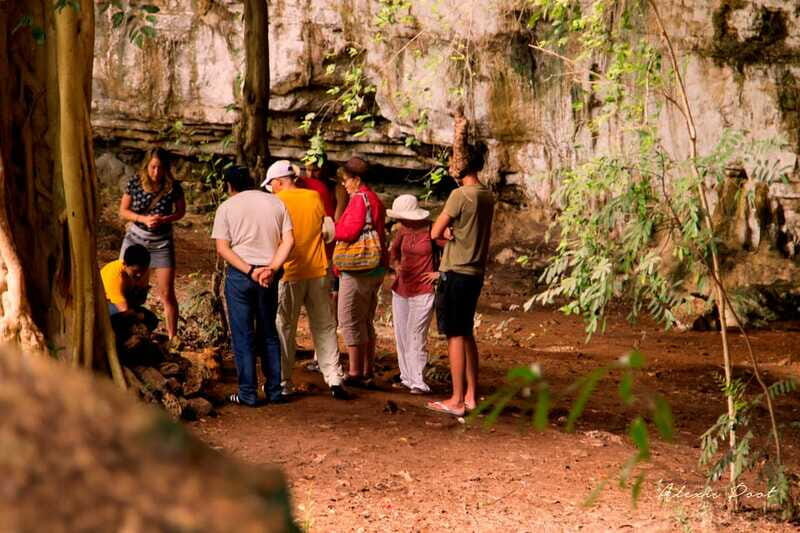
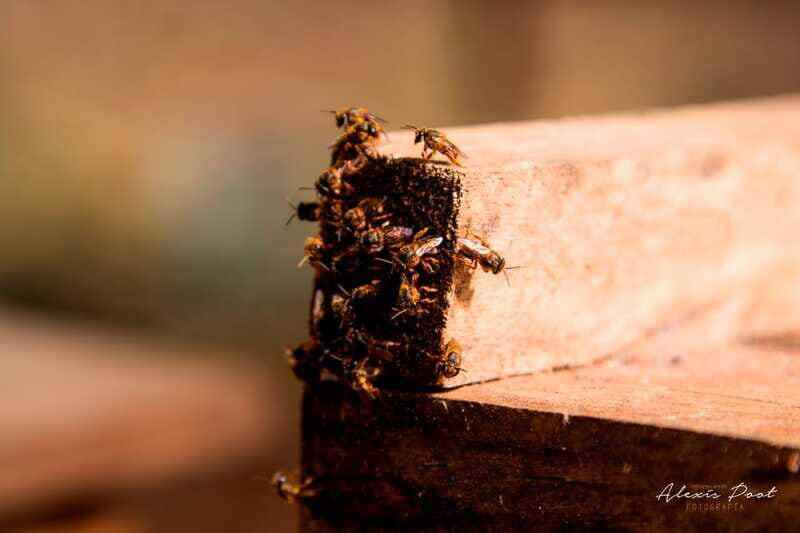
Then comes the main moment—descending a stairway down to the dry cenote. You’ll enter the cenote vault area and see bee varieties in their wild state. The tone here stays relaxed: these are stingless bees, and the tour notes you won’t get stung.
A dry cenote is also a cool contrast to the watery cenotes people often picture in the Yucatán. Instead of swimming-season vibes, it’s more like a natural “work room” for the bees—quiet, focused, and built for observation.
Down in the Cenote Vault: Seeing Bees at Natural Work
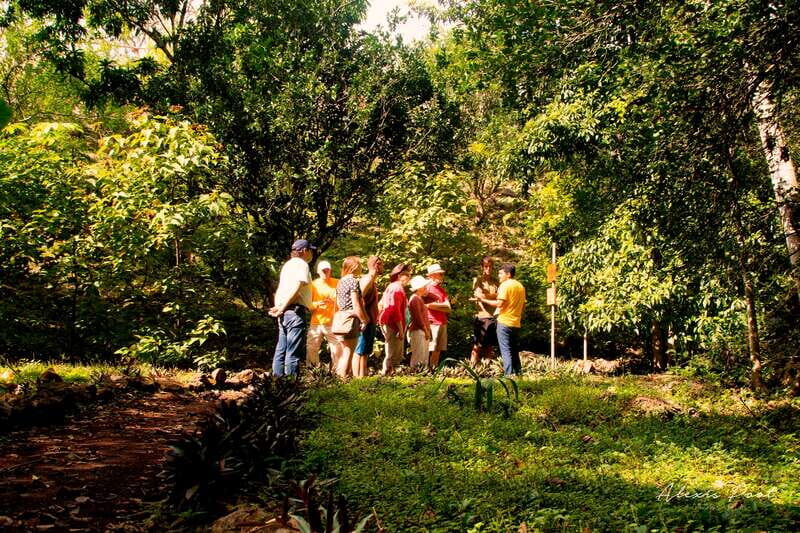
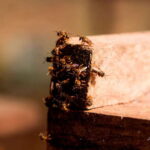
Once you’re in the dry cenote area, you’re not just hearing about bees—you’re watching them in place. This is where the tour earns its keep: you get a view of bees operating in a natural setting rather than only in a staged demonstration.
Because the bees are stingless, you can slow down and watch how they move around the hive area and forage zone. It’s the kind of moment that makes the whole honey topic feel real, not abstract.
And yes, the cenote setting adds a little drama. Even if you’ve seen bees before, being in that vaulted space makes their activity feel more connected to the geography.
Jungle Path Lessons: Plants Used for Honey Production
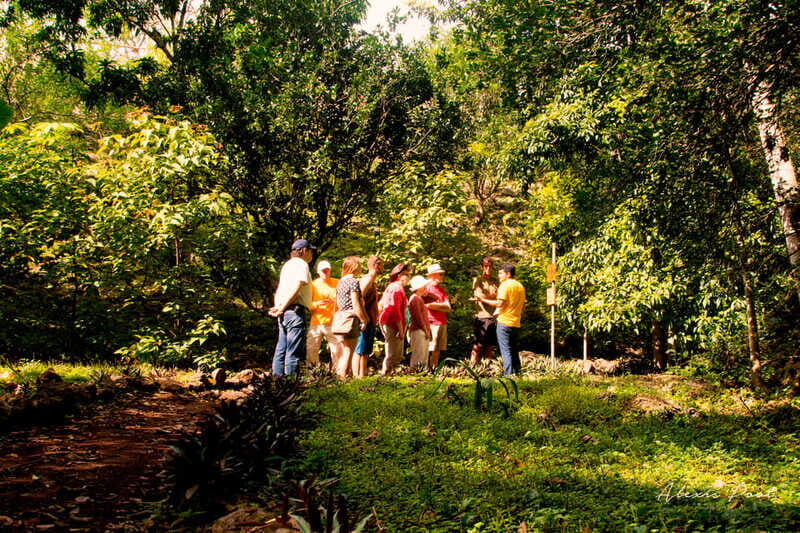
After the cenote viewing, you walk along a jungle path to learn how to identify the plants used for honey production. This part matters because honey isn’t one flavor; it’s the result of what bees collect and how they process it. When you understand the plant connections, the tasting at the end makes more sense.
The guide explains the main plants involved, and you’re encouraged to look rather than just listen. Think of it as building a simple map in your mind: plants you saw earlier → what the bees do → what you’ll taste later.
If you’re the type who likes learning with your hands and eyes, this stop will feel satisfying. If you just want the tasting, you may still appreciate it once you compare samples at the end.
The Meliponario: Where Stingless Bees and Hive Structure Meet
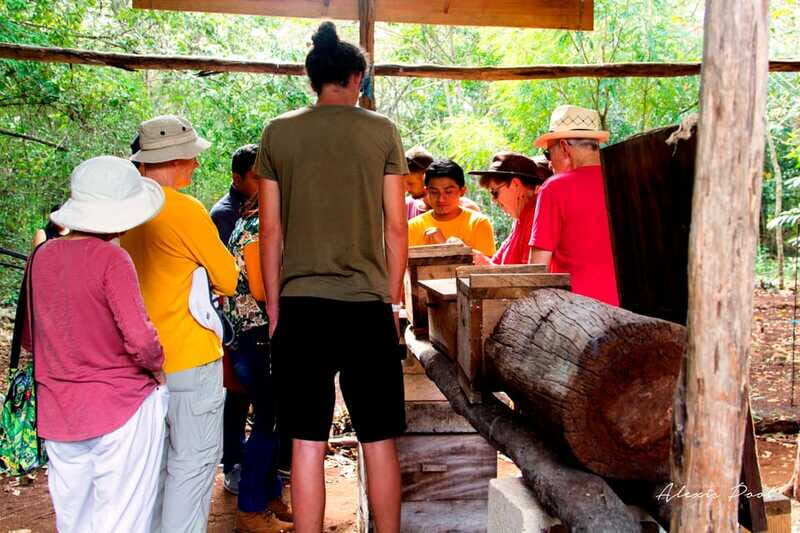
Next you arrive at the Meliponario, the core learning space for this experience. Here the guide walks you through the process of honey, along with other hive products. You’ll also hear about the renowned health properties connected to these products—kept at an educational level, not as medical advice.
One of the best parts is that you can open a beehive to observe the architecture of the bees. This is a rare chance to understand what you’re tasting by seeing how it’s made and stored. You’re not forced into a hands-on moment you’re uncomfortable with, but you do get a clear view of how the hive is organized.
If you get a guide like Eduardo—named specifically in past tour experiences—you’ll likely appreciate the way the explanations stay clear and full of practical details. Even if your guide isn’t Eduardo, the tour’s format leans on understanding, not rushing.
Also, this is where the “stingless” detail becomes more than a safety note. When you focus on stingless bees, you notice different behaviors and hive organization than you might expect from the honeybees people see in many countries.

Honey Tastings and Hive Products: The Part You’ll Remember
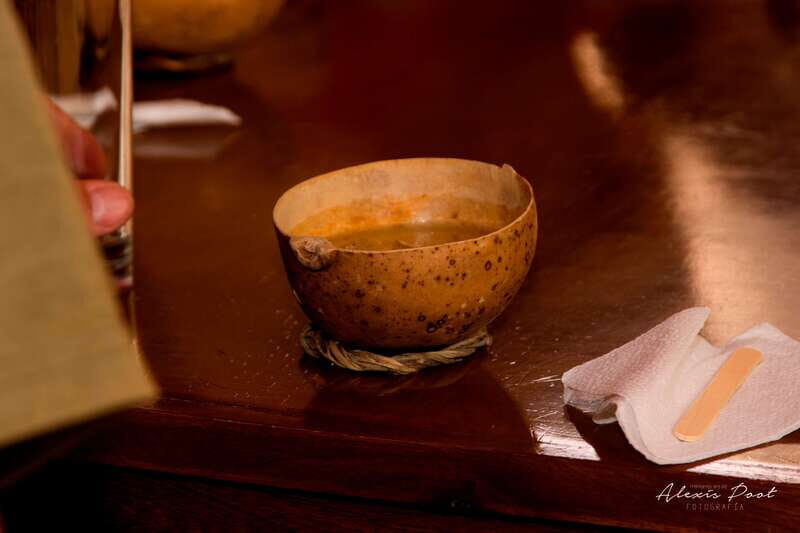
The tour closes with the payoff: tastings that connect everything you saw. You’ll first have a drink sweetened with honey, which is a nice warm-up for what’s coming. Then you’ll taste different honey options and other products from the hive.
This isn’t a one-note sample platter. The idea is to let you compare flavors and uses so the earlier plant and process lessons actually land. You’ll also learn how the hive products fit together—so honey isn’t the only star of the show.
Fresh water is included, which helps because tasting sessions work best when you can reset between samples. Pace is usually the key here: take your time, smell as well as taste, and ask your guide what each product is best for based on what they explain during the session.
Finally, there’s a small store where you can pick up honey and souvenirs. This matters because it turns a lesson into something you can bring home and use—at least the honey part.
Price and Value: Why $18 Feels Reasonable
At $18 per person for about 90 minutes, the value mainly comes from three things: access, guidance, and tasting. You’re paying for a bilingual guide, admission, fresh water, and a gift, not just a brief look at bees.
More importantly, you’re getting more than a photo-op. You descend into a dry cenote, you observe stingless bees in their wild state, you learn about plants tied to honey production, and you can open a beehive to see the structure. That’s a lot of different “learning angles” folded into one short outing.
The honey tasting also isn’t tacked on as a token. It’s clearly designed as the final step that ties the plants and process lessons to real flavors. For the cost, that kind of closure makes the experience feel complete rather than rushed.
What to Wear and How to Prepare for the Cenote Stairs
Plan like it’s a nature walk with steps. The trails include stairs and stony areas, so wear comfortable clothes and closed shoes with good grip. This is not the time for flip-flops or shoes with slick soles.
You’re also instructed to use only organic repellent. That’s a helpful rule because it keeps the tour environment in mind and ensures the experience doesn’t get derailed by harsh chemical sprays.
And check the age note: it’s not suitable for children under 5 years old. If you’re traveling with young kids, this one may not fit your schedule.
If you’re sensitive to walking on uneven ground, arrive prepared to take your time on the stair sections. The tour runs about 90 minutes, and it’s better to move steadily than to rush the transitions.
Should You Book This Mayan Bees Tour in Valladolid?
Book it if you want an authentic, nature-based honey experience in Valladolid that actually explains what you’re seeing. I’d especially recommend it if you like close-up wildlife viewing, prefer smaller groups, and enjoy food learning where the tasting connects to what you studied earlier.
Skip it if you’re mainly looking for a long cultural walking day or if your mobility is limited by stairs and stony paths. Also, if you’re traveling with kids under 5, it won’t be suitable.
For most adults who want a short, informative outing with a real pay-off at the table, Xkopek’s Mayan Bees Tour is a solid choice for your Yucatán time.
FAQ
How long is the Xkopek Mayan Bees Tour and Honey Tasting?
The tour lasts about 90 minutes.
What does it cost?
The price is $18 per person.
Where is the meeting point?
It’s at Xkopek Parque Apícola, Calle 57 x 38, Colonia San Juan, next to the Sindicato de Taxistas Los Frailes (by Villas del Sol).
Do the bees sting?
No. The tour notes that these bees do not have stings, so you won’t be stung.
What languages are the tours offered in?
The guide is bilingual in Spanish and English.
Is this tour suitable for children?
It is not suitable for children under 5 years old.
What should I wear?
Wear comfortable clothes and closed shoes suitable for walking, since the trails include stairs and stony areas.
What repellent should I use?
Only organic repellent is allowed.
What’s included in the ticket price?
Included are admission, a bilingual guide, honey and other hive-product tasting, fresh water, and a gift.
What is not included?
Transportation, food, and lodging are not included.