REVIEW · PUERTO VALLARTA
Whale Watching Adventure – Led by a Marine Biologist
Book on Viator →Operated by ECOTOURS VALLARTA · Bookable on Viator
Whale songs you can actually hear. This Puerto Vallarta whale watching trip mixes a marine biologist-led talk with a hydrophone so you don’t just spot humpbacks, you hear them too. I like that the science part doesn’t feel like homework, and the boat part still feels exciting and natural.
I love the small group setup, which keeps the focus on spotting and listening instead of squeezing past people. I also love the early whale education session at Ecotours Vallarta, where guides like Francisco and Cynthia have a knack for turning behavior into something you can recognize fast once you’re on the water.
One thing to consider: you’re out for about 3 hours 30 minutes on the bay, and it can get bumpy. If you’re sensitive to motion, plan ahead. A couple of guides have mentioned ginger helps, but the best cure is coming ready.
In This Review
- Key highlights at a glance
- Getting your bearings at Ecotours Vallarta before you head out
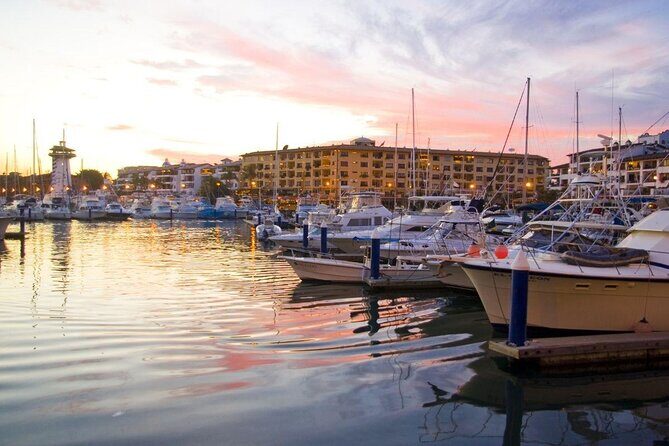
- Marina Vallarta boarding: small-boat viewing with real-world comfort
- The marine biologist on board: turning sightings into meaning
- Hearing humpback whales with the hydrophone (the moment everyone remembers)
- What you can expect on the water: whales, dolphins, and the little surprises
- Snacks, water, and what to bring for a 3.5-hour morning on the bay
- Price and added fees: where the value really comes from
- Small groups and respectful operations: why the boat feels different
- Who should book this, and who should skip it
- Should you book this whale watching with a biologist?
- FAQ
- How long is the whale watching tour in Puerto Vallarta?
- What time does the tour start, and where do I meet?
- Do you listen to whale sounds through the hydrophone?
- What food and drinks are included, and what costs extra?
- Is there a restroom on board?
- Is the tour suitable for kids?
Key highlights at a glance
- Marine biologists guiding the whole experience so sightings connect to real humpback behavior
- Hydrophone listening for whale calls and the famous humpback-style singing
- Small group size (max 14) for a calmer boat ride and more attention from the team
- Pre-boat lecture at Ecotours Vallarta that helps you know what to look for before you sail
- A captain focused on quick repositioning to chase the best viewing spots
- Comfort basics included like coffee or tea, water refills, snacks, and restroom access on board
Getting your bearings at Ecotours Vallarta before you head out
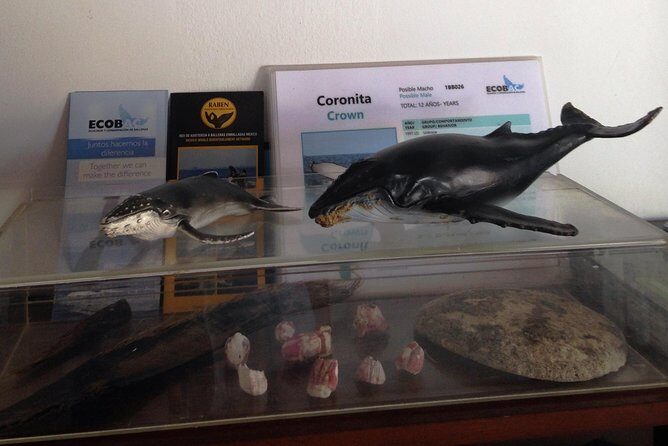
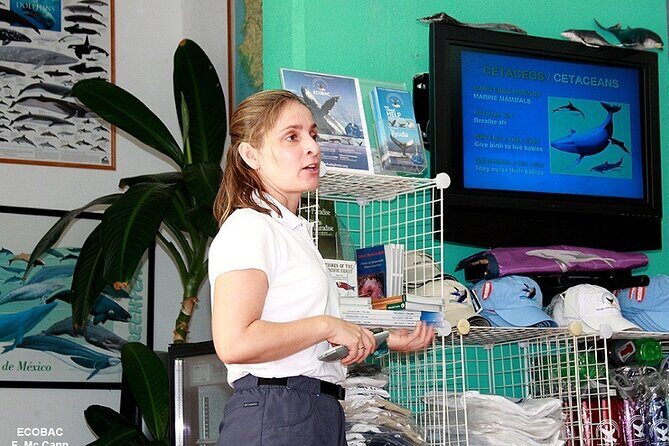
The tour starts at Ecotours Vallarta, near Marina Vallarta, and the first stop is a short, practical briefing. You’ll spend about 20 minutes there with an informative talk about humpback whales—biology, ecology, and behavior—before anyone pushes off the dock. This is the part that pays off later.
Why this matters: humpbacks aren’t just big animals that pop up. They follow patterns: feeding moments, social interactions, and the reproductive behaviors that bring whales closer together at certain times. When you get even a basic mental map—where they tend to be, how they move, and what behaviors mean—you start noticing things you’d otherwise miss. And the best part is you don’t need a science background to keep up.
The guides bring it to life with real explanations you can apply in the moment. People have been especially impressed by how guides like Francisco and Cynthia explain what you’re seeing and hearing, not just facts in a slide-deck voice. You also get a sense of what the day is aiming for: recognizing mothers and calves, noticing male activity, and understanding why the sounds matter.
If you’re the type who likes to feel confident before a boat ride, this start helps you do exactly that.
You can also read our reviews of more whale watching tours in Puerto Vallarta
Marina Vallarta boarding: small-boat viewing with real-world comfort
After the talk, you move to Marina Vallarta for embarkation and disembarkation. This transfer step is short (about 10 minutes), which helps you spend more time actually watching whales.
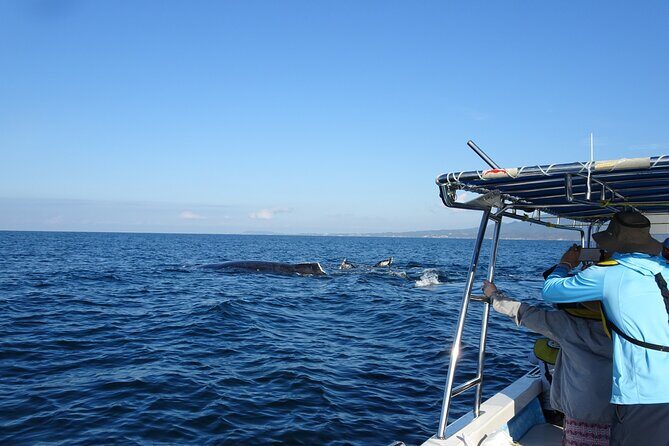
The boat setup is built for viewing. In many cases you’ll have open sides for sightlines, but with a canopy overhead to cut sun and keep the ride more comfortable. You’ll also be given life vests, and the operation runs with a professional captain who gets you to whale zones efficiently. Multiple names show up in experiences on this route, including captains like Raphael (spelled a few ways in feedback), Rafael, and Martin, depending on the day and crew.
Comfort details matter on a whale watch, because you might be staring for long stretches. This trip includes a restroom on board according to the tour info, but one piece of feedback cautioned that bathroom facilities on smaller boats can be limited. My practical advice: use facilities before you leave port, and don’t assume you’ll have the same convenience you’d expect on a large cruise ship.
Timing-wise, you’re on the water for the main action. And the small-group cap (max 14) reduces the classic problem of whale tours: lots of people, lots of pushing, and missed moments. Here, the team can focus on spotting.
The marine biologist on board: turning sightings into meaning
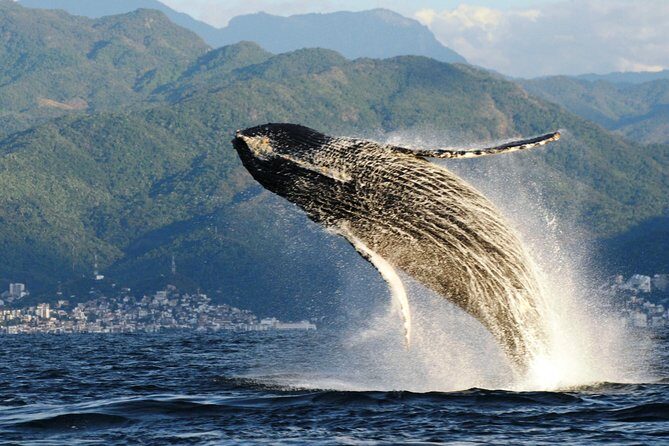
The headline promise here is a marine biologist-led experience, and that’s not just marketing. The guides don’t only point at whales; they explain what humpbacks are doing and why. That turns a “cool animal sighting” into a clearer picture of behavior.
Here’s what you’re most likely to connect with:
- Mothers and calves: You’ll often hear people talk about seeing moms with babies, which changes how the whale behaves around the boat. It tends to be less about performance for you and more about routine.
- Males and social activity: Many outings include moments with groups of males, including behavior tied to mating season.
- Surface behaviors: When you see flukes, head slaps, and slapping motions, the explanation helps you interpret what the whale might be signaling or communicating.
Guides like Cynthia and Maggy (and others) have been praised for answering questions and keeping the science understandable. That’s a big deal. When the guide can connect a sound or movement to biology, you’re not just watching; you’re learning how to read the water like a field scientist.
And because the group stays small, you get more than a one-size-fits-all talk. You can ask a question and get an answer that relates to what’s happening outside the boat right now.
Hearing humpback whales with the hydrophone (the moment everyone remembers)
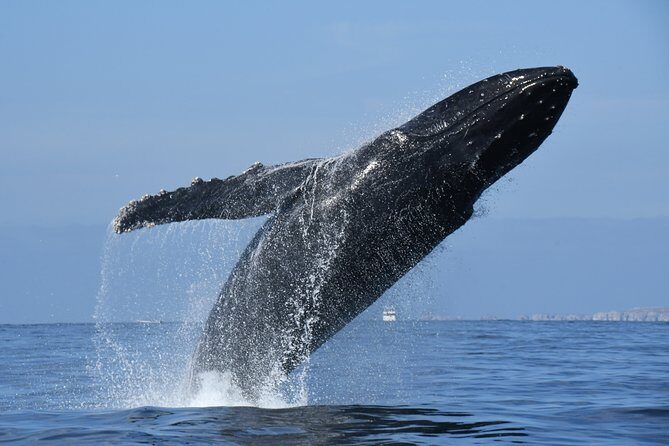
This is one of the standout reasons to book this specific style of tour. You’ll have access to a hydrophone system, which lets you listen to humpback whale sounds underwater. People describe it like having the ocean’s soundtrack translated for you.
You may hear more than one type of vocal behavior. On some outings, the group can notice whale sounds coming through the system, and sometimes sound reaches you even without the audio equipment, which tells you how close the whales can be when conditions line up.
Why this is valuable: humpbacks communicate with more than just visuals. If you only rely on spotting, you miss half the conversation. With the hydrophone, you start noticing that whale behavior has an acoustic layer. That makes the whole experience feel less random and more like you’re tuning in.
You’ll also get a lecture about humpback whales as part of the program. That sets you up so the hydrophone isn’t just a gadget—it’s part of a story about communication and behavior.
If you’re the kind of person who gets excited about learning how nature works, this trip is built for you.
What you can expect on the water: whales, dolphins, and the little surprises
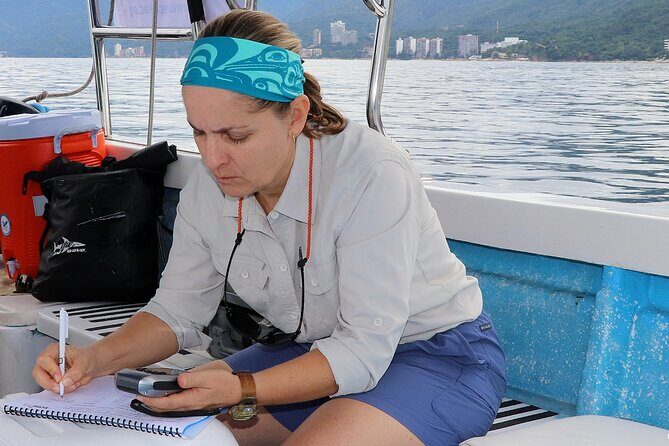
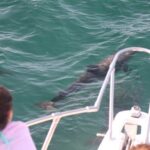
On the bay outside Puerto Vallarta, the goal is to find humpbacks and watch their different behaviors. The results vary day to day, but you can expect the team to work actively for sightings.
From actual experience on this route, common highlights include:
- Many whale sightings, sometimes with over a dozen and occasionally much more
- Mothers with calves and escort behavior
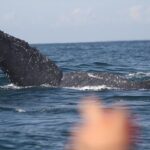
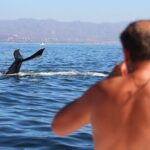
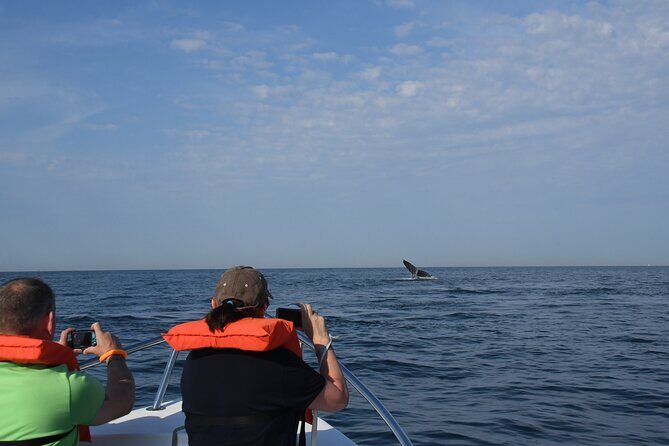
- Breaches (adult jumping out of the water), plus fluke slaps and other surface activity
- Male-focused moments, sometimes with multiple males near each other
- Dolphins showing up around the whales (often in noticeable numbers)
- Sea turtles appearing during some outings
Some people have even reported a manta ray sighting on their day. I wouldn’t promise it, but it suggests the wildlife density can be high when conditions are right.
One extra detail I like: the captain’s job is not just steering. It’s positioning. Multiple accounts credit captains like Raphael for getting the boat to locations quickly and, in at least one situation, slowing down and waiting when whales appeared at a distance. That kind of patience can make whales feel like they’re choosing to show off near you.
Weather matters, too. On clear, calm mornings, spotting can feel much easier. On choppier days, you might focus more on sound and brief surface moments.





Snacks, water, and what to bring for a 3.5-hour morning on the bay
This trip includes practical onboard comforts. You’ll get coffee or tea, refilled water, a light bite, and sodas and granola bars. It’s a nice mix because you don’t arrive starving, and you’re not stuck buying snacks mid-tour.
Alcoholic beverages are not included, so plan accordingly if you want something adult for after the ride. Also, because you’re out for roughly 3 hours 30 minutes, bring your own mindset: this is a viewing session, not a party cruise.
What I recommend you pack:
- A hat and sunscreen (sun can hit hard even with a canopy section)
- Motion-sickness support if you’re prone to nausea. Ginger has been mentioned as part of how the crew helps when the water gets rough.
- A light layer, just in case the morning breeze feels cooler than you expect
- A phone with enough battery for video and photos, especially since you’ll want to capture breach moments quickly
If you’re sensitive to sun, the canopy helps, but open sides still mean you’ll get some exposure when you’re watching.
Price and added fees: where the value really comes from
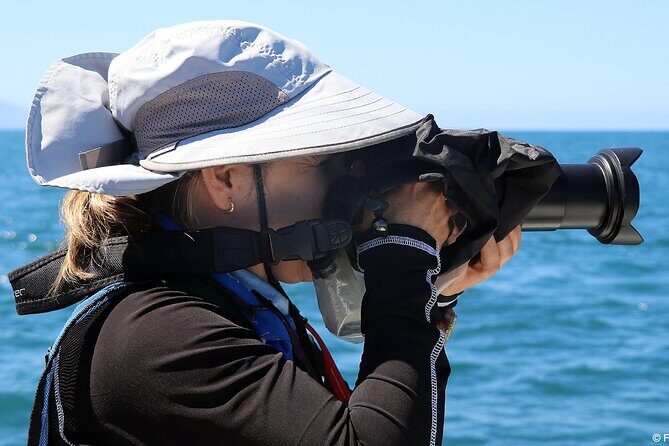
The tour includes a lot that tends to be extra on cheaper whale watches. You’re paying for the marine biologist experience, the hydrophone system, and the in-front-of-you education on humpback behavior. That’s why the “extras” matter.
Two cost details to understand:
- The tour includes coffee/tea, snacks, water, a lecture, and a hydrophone setup.
- A boarding fee applies: Ecotours Vallarta charges about $5 per person for boarding, and that is not included in the base package.
That $5 fee is small, but it’s still a reminder that you should budget a bit beyond the sticker price. The rest of the value is in what you actually get to experience: the ability to hear whales, plus a guide who can interpret behavior while you’re watching.
Also, the tour includes travel insurance in the package. That’s one of those unglamorous additions that can reduce stress on a day trip.
My take: if you want the plain whale watch with maximum sightings only, you can shop around. If you want the science layer and the hydrophone, this style offers a stronger “learning per minute” experience.
Small groups and respectful operations: why the boat feels different
This tour caps at 14 travelers, which is the difference between a calm, focused watch and a crowded scramble. With a smaller group, the captain can reposition without constant bottlenecks, and the biologist can manage questions while still scanning the water.
There’s also a tone to this operation that people describe as professional and respectful. Captains have been credited with finding whales while keeping the boat positioned wisely, sometimes even giving the impression that other boats weren’t all clustered around every sighting.
It’s still nature. You’re never guaranteed specific behaviors or exact numbers. But the consistent theme is effort: the team watches, listens, and moves with purpose.
If you’ve done bigger tours before, you’ll probably appreciate how this one feels steadier. And if you’re traveling with family, it’s easier to keep kids and adults engaged when they can actually see what the guide is pointing out.
Who should book this, and who should skip it
This tour is a good fit if you:
- Want guided learning rather than just sightseeing
- Really care about hearing whale sounds through a hydrophone
- Prefer a small group experience
- Enjoy question time and explanations tied to real behavior
It may not be a great fit if you:
- Are traveling with very young children. The tour notes it is not recommended for children age 2 and under, and children must be accompanied by an adult.
- Don’t handle boat rides well. Since the schedule involves open water viewing for several hours, motion can be an issue.
Good news: the tour info says most people can participate, which suggests the experience isn’t overly complicated once you’re at the meeting point.
If you’re an early riser, the 8:30 am start also helps—morning conditions can mean clearer visibility and calmer water.
Should you book this whale watching with a biologist?
If your ideal whale watch includes more than just spotting—if you want to understand humpback behavior, hear the communication through a hydrophone, and do it with a small crew—this is an easy yes. The mix of a short science talk before departure, plus ongoing guidance on the water, turns the day into something you can actually remember and explain later.
I’d book it especially if you’re curious about humpback singing, male behavior, and mother-calf moments. The included snacks and basic onboard comforts help you stay focused on the water, and the added boarding fee is minor compared to what you get.
I’d pass only if boat motion is a deal-breaker for you or if you’re traveling with a toddler who falls under the age guidance. Otherwise, grab a seat, take in the sounds, and let the whales do what they do best.
FAQ
How long is the whale watching tour in Puerto Vallarta?
The experience runs about 3 hours 30 minutes.
What time does the tour start, and where do I meet?
The start time is 8:30 am. You meet at Ecotours Vallarta at Proa 20, Marina Vallarta, Puerto Vallarta, Jal., Mexico.
Do you listen to whale sounds through the hydrophone?
Yes. The tour includes a hydrophone system so you can listen to marine mammal sounds such as humpback whale calls.
What food and drinks are included, and what costs extra?
Coffee or tea, refilled water, a light bite, sodas, and granola bars are included. Alcoholic beverages are not included.
Is there a restroom on board?
Restroom access on board is included.
Is the tour suitable for kids?
Children must be accompanied by an adult. It is not recommended for child age 2 and under.