REVIEW · PUERTO VALLARTA
Watch and Swim with Dolphins in the Wild
Book on Viator →Operated by Wildlife Connection · Bookable on Viator
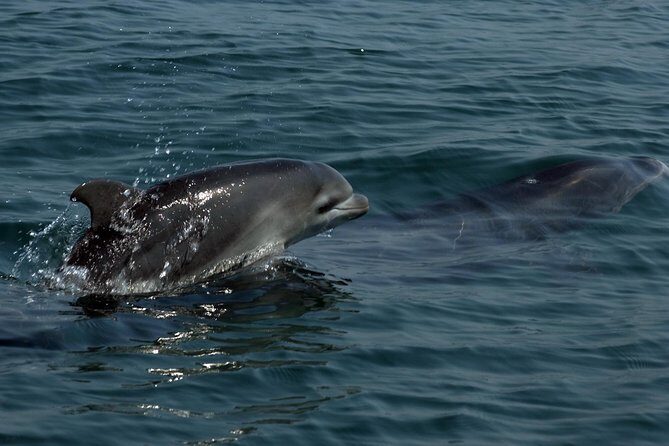
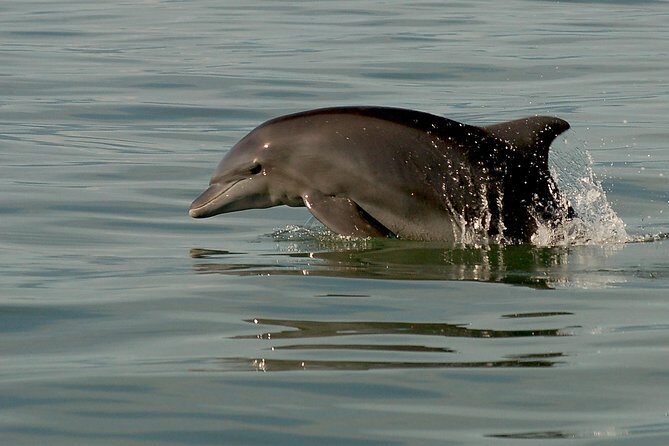
Wild dolphins, not a show. This Puerto Vallarta half-day has a biologist guide and a hydrophone to locate dolphins by sound, then you head out by boat in search of pods in the Bay of Banderas. It’s wildlife watching with a real research angle, not a crowd trick.
I love that the experience is built around the dolphins’ choices. You’ll likely be in the water in small groups, rotating so more people get a turn, and the goal is respectful, calm contact. The one drawback to weigh is that it’s wild animals, so swimming isn’t guaranteed every single departure.
In This Review
- Key things that make this dolphin tour worth your time
- Marina Vallarta start: where the day actually begins
- The boat ride with a hydrophone: the search is the story
- Dolphins in the wild: what the swim time really feels like
- Dolphins, respect, and safety: why the biologist part matters
- Beyond dolphins: turtles, rays, and whale moments that pop up
- Snorkel gear, time in the water, and what to wear
- Price and value: what $105 buys you (and why it’s not cheap)
- What I’d watch out for before booking
- Who should book Wildlife Connection (and who should skip it)
- FAQ
- How long is the dolphin watch and swim tour?
- Where does the tour start?
- What’s included in the price?
- What should I bring or wear?
- Will I definitely get to swim with dolphins?
- What if the dolphins don’t show up?
- What marine wildlife might I see besides dolphins?
- What happens if weather is bad?
- Should you book this dolphin tour in Puerto Vallarta?
Key things that make this dolphin tour worth your time
- Hydrophone dolphin-finding: the search starts with sound, not luck or guesswork
- Biologist-led briefing: you get marine-life context and safety basics before you hit the water
- Small-group swimming: people rotate, and the dolphins decide the level of interaction
- Ethical, wild-first approach: this is about being in their home, not making them perform
- Bonus wildlife sightings: turtles, rays, and sometimes whales show up on good days
- Money-back guarantee on animals: there’s a stated guarantee if you don’t encounter wildlife
Marina Vallarta start: where the day actually begins
Most trips meet at Opequimar Centro Marino, Av. Paseo de la Marina Sur 214, Marina Vallarta (start time is 9:00 am). Expect a check-in, then a short talk before you cruise. That pre-boat time matters more than it sounds. You’ll hear what bottlenose dolphins do in the wild, how they react to boats, and what behaviors mean you’re getting a real interaction versus just passing by.
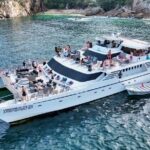
The group size is capped at 20 travelers, which keeps things from feeling like a floating classroom of 50. Also, you’re not stuck waiting in one place all day. The experience is structured as a moving search, so the crew can position the boat when dolphins show up.
A practical note: the marina area is close to public transportation, so you’re not forced into a complicated taxi plan if you’re staying nearby.
You can also read our reviews of more dolphin watching tours in Puerto Vallarta

The boat ride with a hydrophone: the search is the story
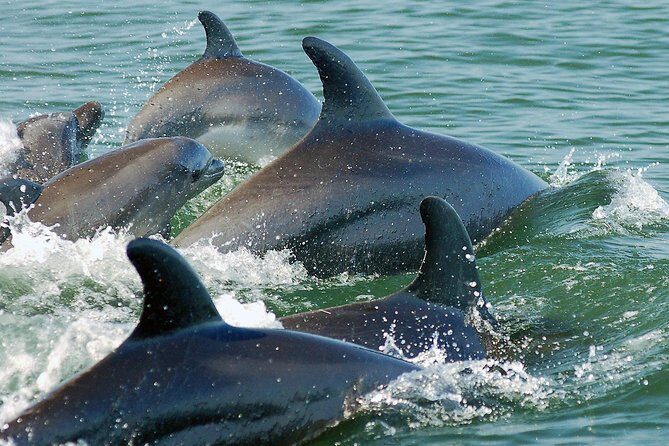
Here’s what makes this tour feel different from basic dolphin cruises: you’re not just scanning for fins. You use a hydrophone with your guide to detect dolphins by their distinct sounds. That changes the vibe from sightseeing to a guided hunt—calm, focused, and a lot more “how researchers find animals” than “let’s hope.”
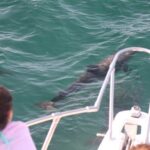
As you cruise through Puerto Vallarta’s waters, you’ll keep your eyes up for bottlenose dolphins. When the hydrophone points the way, the captain positions the boat. Then the biologist helps you understand what you’re seeing—like why dolphins might be playful, curious, protective, or just uninterested that day.
You might also see other marine life along the route. The tour is set up to keep an eye open for turtles, rays, and more, as conditions allow. Some departures are even lucky with whales. One of the recurring highlights in the feedback is stopping for a humpback mom and calf, and in at least one case, hearing whale song.
Dolphins in the wild: what the swim time really feels like
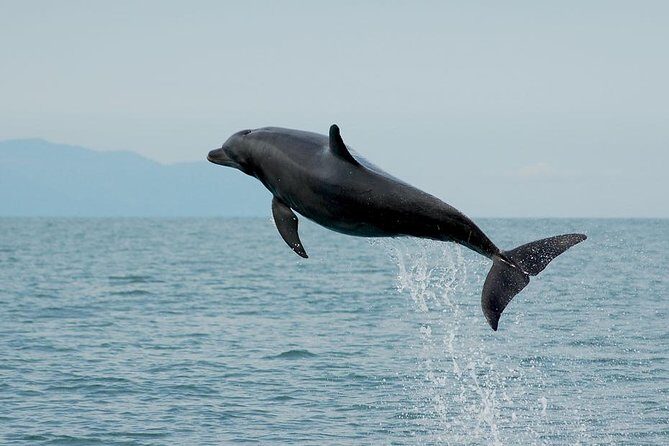
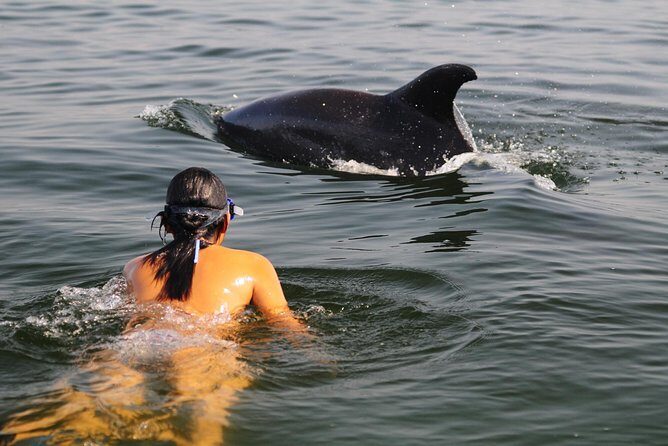
When conditions allow, you’ll get the chance to swim with bottlenose dolphins. But here’s the important part: dolphins are free-ranging. So the tour works like this—when dolphins come near, you get in, you move safely, you observe, and you don’t chase.
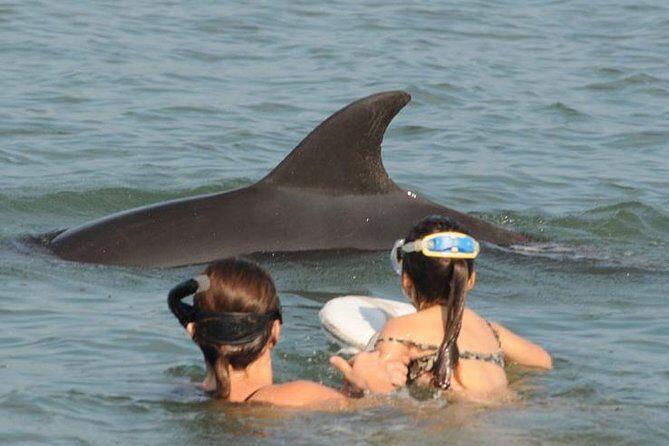
From the experience notes, swimming usually happens in small groups (often described as teams of about four), and people rotate so everyone gets a shot. That rotation is a quality-of-experience detail. It avoids the situation where half the group stands around while a few people get the best moment.
Also, the interaction can look different trip to trip. Some groups report dolphins swimming right alongside them or even underfoot. Others mention dolphins approaching briefly and then moving on. One key theme: the encounters are brief, because dolphins choose what to do. That can feel frustrating if you’re expecting a long, guaranteed play session. But it’s also what makes it feel real.
If you’re comfort-first in the water, this is your moment—but choose your expectations accordingly. Reviews include both the magical close encounters and the occasional day where dolphins simply weren’t in a social mood.
Dolphins, respect, and safety: why the biologist part matters
I like tours where the education isn’t just a lecture. Here, the biologist guide sets the tone with how to behave around dolphins and what behaviors to look for. The repeated praise is about the crew’s care and respect for dolphin independence—helping people feel safe without turning the animals into props.
You’ll also get a briefing about safety before boarding and before swimming. The emphasis is on sensible, calm behavior in open water. That’s important for two reasons:
1) It helps everyone stay safe, especially for families with kids and mixed swimming abilities.
2) It keeps the interaction less stressful for dolphins, which is the whole point.
This is also where the hydrophone-led search fits in. You’re not just following the captain’s instinct. You’re learning how dolphins communicate and how that guides the boat positioning.
Beyond dolphins: turtles, rays, and whale moments that pop up
Dolphins are the headline, but this tour can feel like a mini marine safari. It’s not unusual to see turtles or rays while cruising. The “more” sightings are part of the value because they add variety to a half-day.
Whale sightings show up in multiple accounts. On some departures, the boat stops to watch humpbacks—sometimes with a mom and calf close enough to feel special, not just far-off. One highlight even mentions hearing whale song, which is the kind of detail that sticks with you.
If you’re the type of traveler who likes nature surprises (and not just a strict checklist), this helps. You’ll be in motion, scanning, and reacting when the ocean gives you something extra.





Snorkel gear, time in the water, and what to wear
The tour includes snorkeling equipment plus bottled water and soda/pop (no alcohol). That takes one big planning task off your plate.
What you’ll want to plan for yourself is the “you might get in quickly” part. One of the most practical pieces of advice from the experience notes: wear a bathing suit, because you can go from boat to water fast once the dolphins show a window.
As for the water itself, you’re in open sea conditions. Reviews range from families with kids to solo swimmers, but the common thread is this: if you’re comfortable in open water, you’ll enjoy the swim more. If you’re less confident, you can still enjoy the watching and rotating moments, but you might not get as much fun time in the water.
Small comfort notes you should consider:
- Seating and boat comfort can vary by vessel. Some feedback mentioned sitting on less-cushy surfaces depending on the boat setup.
- Expect motion. Even if the sea is calm, you’re out at water level with a moving search.
Price and value: what $105 buys you (and why it’s not cheap)
At $105 per person for about 3 hours 30 minutes, you’re paying for three things that usually cost extra on other tours:
1) Expert guidance (a biologist-led briefing plus on-water interpretation)
2) Research-style searching with the hydrophone
3) Included gear and drinks (snorkel equipment, water, soda/pop)
You’re not paying for a captive-animal show. You’re paying for time spent locating wild animals and managing a respectful, safe interaction. That’s why the experience can be worth it even when dolphins don’t fully perform—because you still get real wildlife context and the chance to swim if conditions align.
Also, there’s a stated money-back guarantee on encountering animals. I can’t tell you the exact rules behind it without seeing the terms, but the existence of a guarantee is a meaningful sign that the operator wants outcomes to matter.
What I’d watch out for before booking
This tour is a great fit for many people, but it’s not for everyone.
If you need guaranteed swimming, remember the biggest truth here: dolphins choose. Your outcome depends on their behavior and conditions that day. Some outings sound like dolphins were curious and close for longer. Others are more “watch and hope the next moment works.”
If you’re sensitive to boat comfort, know that reviews mention sitting can be less comfortable on some boats, depending on layout and where you end up.
And if you’re more than 7 months pregnant, the tour data says it’s not recommended. If that applies to you, skip this one and look for a calmer, shore-based marine activity.
Who should book Wildlife Connection (and who should skip it)
Book this if:
- You want wild bottlenose dolphins, not captive dolphins
- You like science-y context and an actual guide voice explaining what you’re seeing
- You’re okay with the fact that animals have off days
- You want a small group (max 20) with a good chance at in-water time when dolphins cooperate
Consider skipping if:
- You’re expecting a long, guaranteed swim experience
- You get seasick easily and haven’t figured out your own coping plan
- You want a guaranteed animal show rather than an ethical wild encounter
- Your situation falls into the pregnancy guideline (over 7 months)
One more “fit” tip: this kind of tour is especially satisfying if you’re the sort of person who can enjoy the moment even when the dolphins don’t immediately show up. The best experiences happen when you stay patient and let the ocean set the pace.
FAQ
How long is the dolphin watch and swim tour?
It runs about 3 hours 30 minutes (approx.), ending back at the marina.
Where does the tour start?
The meeting point is Opequimar Centro Marino, Av. Paseo de la Marina Sur 214, Marina Vallarta, Puerto Vallarta, Jal., Mexico. Start time is 9:00 am.
What’s included in the price?
Snorkeling equipment, bottled water, and soda/pop (no alcohol beverages) are included.
What should I bring or wear?
Wear a bathing suit. You may need to be ready to get in the water on short notice.
Will I definitely get to swim with dolphins?
No. The chance to swim with wild dolphins depends on conditions and the dolphins’ behavior. It’s a wild interaction, not a guaranteed performance.
What if the dolphins don’t show up?
The tour includes a money-back guarantee on encountering animals, and it’s designed to locate dolphins in their natural habitat.
What marine wildlife might I see besides dolphins?
You may spot turtles, rays, and other marine life. On some trips, whale sightings (including humpback mom and calf) have been reported.
What happens if weather is bad?
The experience requires good weather. If it’s canceled due to poor weather, you’ll be offered another date or a full refund.
Should you book this dolphin tour in Puerto Vallarta?
If your dream includes wild dolphins in real ocean conditions, this is a strong pick. The combination of a biologist guide, hydrophone search, and small-group approach makes it feel thoughtful and ethical, not just another boat ride.
I’d especially book if you can handle one key reality: dolphins set the schedule. If you’re flexible and patient, you’re set up for the kind of memory that’s hard to replace—whether it’s a close swim, dolphins moving underfoot, or a surprise whale stop on the way back.