REVIEW · VALLADOLID
Valladolid Mayan Bees Tour with Lunch or breakfast and Honey Tasting
Book on Viator →Operated by Xkopek Parque Apícola · Bookable on Viator
Bees without stings sounds made up. At Xkopek Parque Apícola in Valladolid, you’ll walk into a dry cenote and a jungle honey area to meet Mayan bees up close, with hands-on explanations that actually make sense.
I especially love the focus on how local melipona bees live and work in the wild, not just on a neat photo moment. I also like that you get a real honey tasting plus hive products, and you’re not left hungry thanks to breakfast or lunch included.
One thing to keep in mind: this is an outdoor park with lots of mosquitoes. Bring organic repellent and plan for a bit of walking, and only go if you’re not allergic to bees.
In This Review
- Key highlights you’ll feel (fast)
- Why the Xkopek Mayan Bees Tour feels different in Valladolid
- Finding the start: Xkopek Park in San Juan, Valladolid
- The walking intro and the dry cenote descent
- Wild hives and the stingless bee reality check
- Jungle path to the meliponario: where honey production becomes real
- Opening a hive: architecture you can actually see
- Honey tasting: what to expect and how to enjoy it
- Breakfast or lunch included: choosing what fits your day
- What to bring: shoes, repellent, and comfort rules
- Who this tour is best for (and who might skip it)
- Value check: why this feels worth it for 90 minutes
- Should you book the Valladolid Mayan Bees Tour at Xkopek?
- FAQ
- How long is the Valladolids Mayan Bees Tour with Lunch or Breakfast and Honey Tasting?
- Is the tour offered in English?
- What’s included with the breakfast or lunch?
- Where do we meet for the tour?
- How large is the group?
- Do Mayan bees sting?
- What should I wear and bring?
- Who is this tour not suitable for?
Key highlights you’ll feel (fast)
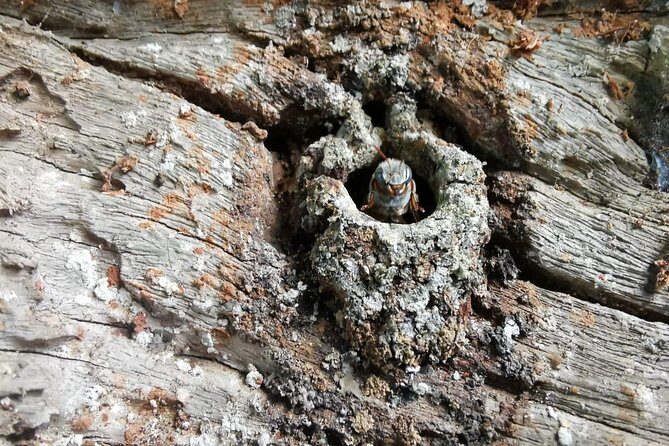
- Dry cenote bee viewing: you’ll descend to see local bee activity in a natural setting
- Mayan stingless bee lesson: the guide explains how stingless bees fit into the ecosystem
- Jungle plant-to-honey connection: you’ll identify honey-relevant plants along the walk
- Open-a-hive moment: you can observe hive architecture up close (with guidance)
- Tasting beyond honey: try multiple hive products, not just one sticky sample
- Food included: breakfast or lunch is built into the experience so you can stay relaxed
Why the Xkopek Mayan Bees Tour feels different in Valladolid
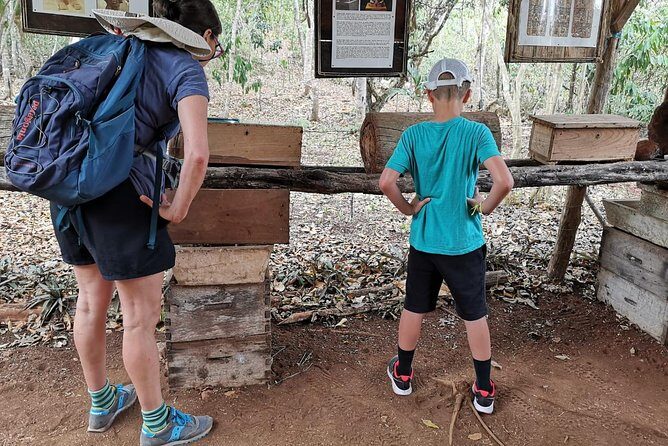
If you’re in Valladolid and you’ve already done the basics, this is the kind of stop that makes your trip feel more like you followed the land instead of a checklist. Xkopek Parque Apícola is part beekeeping park, part habitat area, and part teaching space.
The best part is that the tour is structured like a journey. You start outside, move through nature, get inside a dry cenote to see local bee life in a wild-ish setting, then end in the meliponario where the humans do the careful work of keeping colonies healthy. It’s not just entertainment. It’s a practical look at how Mayan communities understand bees.
And the small-group size matters. With a maximum of 10 travelers and a team of four guides (Jorge, Dianela, Gerardo, and Julia), you’re more likely to get answers instead of a rushed script.
You can also read our reviews of more food & drink experiences in Valladolid
Finding the start: Xkopek Park in San Juan, Valladolid
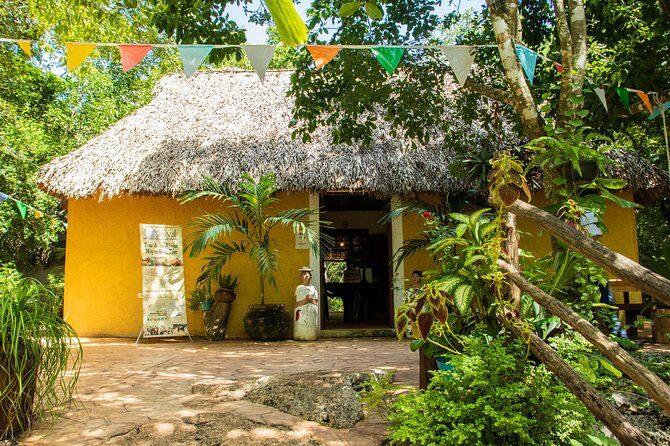
The tour starts at Xkopek, Beekeeping Park, at Calle 57 x 36 y 38, Supermanzana Tablaje Catastral 2581, San Juan, 97780 Valladolid, Yuc., Mexico. The activity ends back at the same meeting point, so you’re not dealing with a long transfer or a complicated pickup.
This is a nice touch for planning: you can fit the experience into a half day without worrying about where you’ll end up. It’s also listed as near public transportation, and you’ll have a mobile ticket, which keeps check-in simple.
Practical tip: wear your most comfortable walking shoes. Even if it’s not extreme hiking, you’ll be moving around a few different surfaces and you’ll want stable footing for the descent.
The walking intro and the dry cenote descent
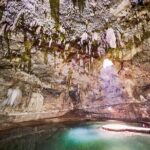
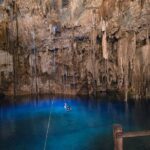
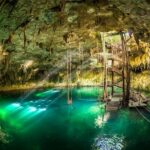
Before you reach the main bee area, you’ll begin with a short walking tour to the point where the group starts a stairway descent down to a dry cenote. That moment sets the tone. You go from bright outdoor light to a cooler, more enclosed space, and it feels like the tour is showing you the ecosystem rather than just talking about it.
Along the way, the guide points out local plants and explains their use and importance. This part is easy to overlook on some tours, but here it helps you understand what you’ll later see in the cenote and jungle path. If you learn why certain plants matter, the honey story stops being abstract.
Then comes the dry cenote itself. You’ll enter a vault-like cenote area and see local bee varieties in their wild state. The tour also makes a key point for nerves: the bees discussed are stingless bees and, as the guide explains, they do not have stings. That changes the vibe from fear-based to curiosity-based.
Wild hives and the stingless bee reality check
I like how this tour directly addresses the sting question. If you’re squeamish about bees, this is the kind of explanation that helps you relax enough to actually pay attention.
You’ll likely hear the tour framework like this:
- you’re seeing bee life in a dry cenote environment
- you’ll learn what makes local bee varieties different
- you’ll understand why stingless bees behave differently than the stinging bees most of us picture
That said, there’s one consideration you should know before you go. The area can also have invasive European bees in the Yucatán region, and those can be around even near the honey-related spaces. So while the focus is stingless Mayan bees, you should still treat this like a real outdoor place with real insects. Don’t wear bright perfume. Don’t swat. If you’ve never had any bee issues, you’ll likely be fine—but you should still respect the setting.
Jungle path to the meliponario: where honey production becomes real
After the cenote stop, the tour moves along a path in the jungle where you identify key plants linked to honey production. This is a big deal for value, because it’s the difference between a honey tasting that feels random and one that feels connected to the local landscape.
As you walk, you’re not just passing scenery. The guide helps you connect:
- plant types
- local bee behavior
- what ends up in the hive
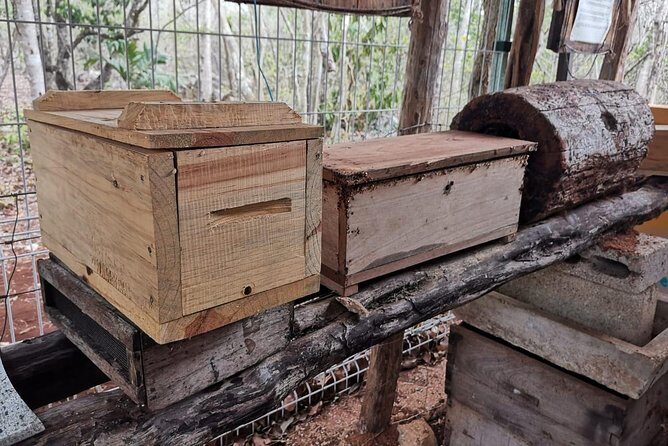
Then you reach the meliponario. This is where the explanations shift from nature observation to how honey is processed and preserved.
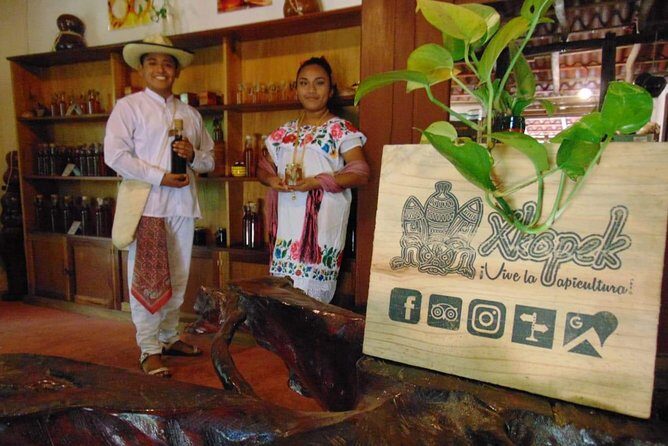
You’ll hear about the process of honey coke (as described by the tour), and the tour also covers other products made from the hive. In practical terms, this part helps you understand why people who keep and study these bees care about more than just honey. Propolis-type products and other hive outputs are part of the local beekeeping knowledge presented here.
A few more Valladolid tours and experiences worth a look
Opening a hive: architecture you can actually see
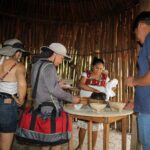
One of the most memorable parts of the experience is the chance to open a beehive to observe the hive architecture. Even if you think you already know what a hive looks like, getting a guided view of how these stingless bees build and organize their structures changes the way you picture the entire system.
This is also one of those moments where a smaller group helps. You’re closer to the action. You can ask questions. And you can pay attention to what the guide points out instead of just watching from far away.
This part works especially well if you like learning with your eyes. The tour isn’t only lectures. It’s visual and hands-on in a controlled way.
Honey tasting: what to expect and how to enjoy it
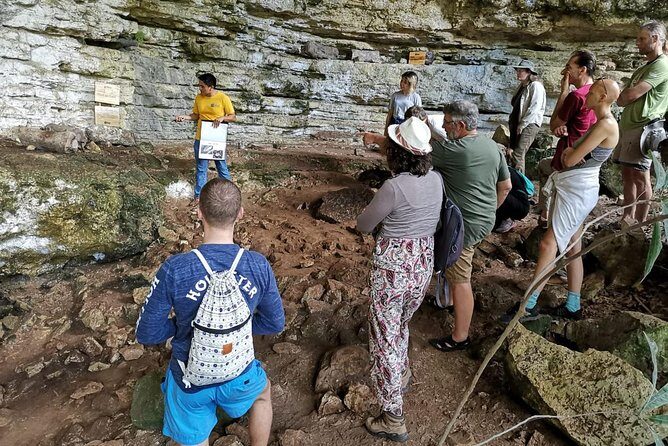
The tasting comes after you’ve built context: cenote, plants, meliponario explanations, and the hive-opening moment. That order helps your brain connect cause and effect.
You’ll make a honey tasting of multiple hive products. The exact lineup can vary by what’s available, but you should expect samples tied to Mayan bee outputs beyond plain honey. Some of the products described include honey and other items from the hive, and the tasting is clearly presented as part of the cultural and practical learning.
How to enjoy it:
- Taste slowly. Let each sample sit on your tongue for a second.
- Pay attention to smell first. Honey aroma is a huge part of what you’re actually tasting.
- If you like one sample, ask what plant sources the guide associates it with. That’s where the plant identification moments pay off.
This tour also ends with a visit to the small store of honey and souvenirs. It’s not just a sales push; it’s the natural last step after you tasted the products.
Breakfast or lunch included: choosing what fits your day
One of the smartest parts of this experience for value is that food is included. You won’t waste time hunting for a meal in the middle of a tour day.
Lunch options:
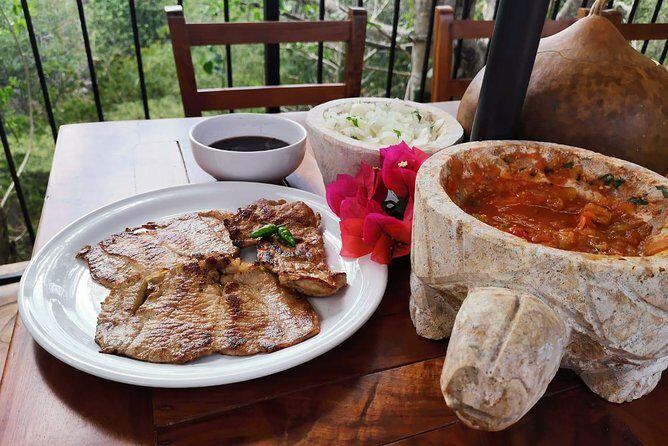
- Traditional Poc chuc (pork or chicken)
- Empanadas
Breakfast options:
- Quesadillas
- Scrambled eggs or omelet
- An option with up to two ingredients
You’ll also get fruit water of the day.
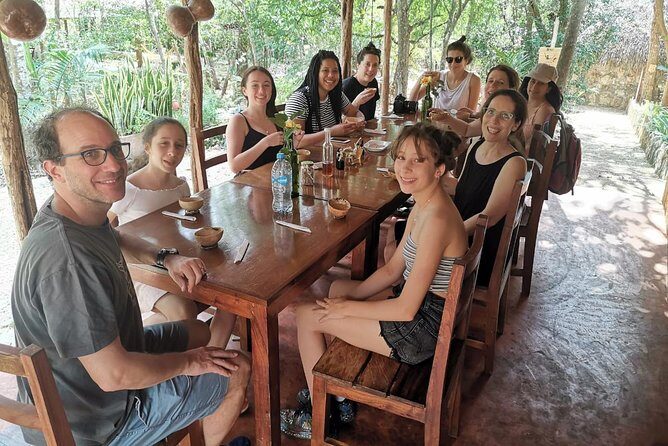
What I like about the meal setup is that it’s simple. It keeps your focus on the park and the learning, not on where to eat or what to order. It’s also helpful if you’re traveling with kids or anyone who gets cranky when they’re hungry. The tour is about 1 hour 30 minutes, so the included meal feels like a buffer, not an extra obligation.
What to bring: shoes, repellent, and comfort rules
This is the part where you can prevent problems before they happen.
Wear:
- Comfortable shoes
- Closed shoes (practical for walking and the cenote area)
Use:
- Organic mosquito repellent
The park setting includes jungle-like surroundings, and mosquitoes can be a real issue. If you show up unprepared, the tour can still be good, but you’ll feel irritated at the wrong times. If you come prepared, you can enjoy the plants, the cenote, and the tasting without spending the day in a swat-and-scratch mindset.
Bee precautions:
- The tour notes you should not be allergic to bees.
- The focus is stingless Mayan bees, but remember there can be other bees in the broader environment. Keep calm around insects and follow your guide’s lead.
Who this tour is best for (and who might skip it)
This experience is a strong match for:
- families who want a shorter activity with clear explanations
- couples looking for something off the main Valladolid circuit
- nature lovers who enjoy learning from place-based details
- anyone curious about stingless bees and how local honey systems work
It’s also ideal if you’re a bit of a science nerd. The explanations are concrete, and the hive-opening moment adds real-world understanding fast.
You might consider skipping if:
- you can’t handle moderate walking and a stair descent
- you have a bee allergy
- you’re not willing to use repellent and deal with an outdoor setting
Value check: why this feels worth it for 90 minutes
Even without a posted price here, the value logic is easy. In about 1.5 hours, you get:
- the dry cenote visit and plant-focused learning
- a jungle-path connection to honey production
- a meliponario with explanations and hive observation
- a honey tasting that includes more than one simple sample
- breakfast or lunch plus fruit water
That’s a lot of “included” for a short tour. Many Valladolid experiences either focus only on a viewpoint, or they focus only on a meal. This one connects nature, culture, and food in one flow.
And because it caps at 10 travelers, you’re not stuck in a giant crowd where you can’t ask questions. You also get the feeling you’re supporting a working local operation rather than only checking a box.
Should you book the Valladolid Mayan Bees Tour at Xkopek?
Book this if you want an authentic Valladolid nature experience that’s educational without being dull. If you like real place-based details—plants you can point to, a dry cenote you can stand in, and bee behavior you can actually observe—this tour is built for you.
Skip it if you’re hoping for a purely indoor activity, or if mosquitoes and outdoor walking will ruin your day. Also skip if you have any bee allergy concerns.
If you’re deciding between another cenote stop and this bee-focused outing, I’d lean toward Xkopek for variety. It adds a different side of the Yucatán: not just water and ruins, but living ecosystems and the Mayan way of understanding them—one stingless hive at a time.
FAQ
How long is the Valladolids Mayan Bees Tour with Lunch or Breakfast and Honey Tasting?
The tour lasts about 1 hour 30 minutes.
Is the tour offered in English?
Yes, it is offered in English.
What’s included with the breakfast or lunch?
Lunch options include Traditional Poc chuc (pork or chicken) or empanadas. Breakfast options include quesadillas, scrambled eggs, omelet, or an option with up to two ingredients. You also get fruit water of the day.
Where do we meet for the tour?
The start is at Xkopek Beekeeping Park, Calle 57 x 36 y 38, San Juan, 97780 Valladolid, Yuc., Mexico. The tour ends back at the meeting point.
How large is the group?
The tour has a maximum of 10 travelers.
Do Mayan bees sting?
The tour information says bees do not sting because they do not have stings. You should still plan for insects in an outdoor habitat and follow the guide’s instructions.
What should I wear and bring?
Wear comfortable shoes and closed shoes. Bring organic mosquito repellent.
Who is this tour not suitable for?
The tour notes you should have moderate physical fitness level and you should not be allergic to bees.