REVIEW · HUATULCO
Turtle Release Escobilla Sanctuary and crocs in Ventanilla.
Book on Viator →Operated by Paraíso Huatulco · Bookable on Viator
Turtles at sunset beat the usual beach day. This outing pairs Escobilla’s sea turtle conservation with a boat-and-wildlife look at Ventanilla’s mangroves, then lets you witness (and learn about) a release on a scenic stretch of coast.
What I like most is how hands-on the day feels. You’re not just watching; you’re learning the logic behind eco-tourism and seeing how the mangroves, birds, reptiles, and crocodiles all fit together.
One possible drawback: it’s a long day with a sometimes rough, time-consuming drive, and the turtle release depends on wild turtle arrivals (especially outside nesting season). Also, you’ll pay park entrance fees on top of the base price.
In This Review
- Key things to know before you go
- Why Escobilla and Ventanilla work so well as one trip
- Price and logistics: what your $42 really covers
- Pickup at 1:30 pm: when the long drive is part of the experience
- Stop 1: Santuario La Escobilla and the turtle nesting powerhouse
- Stop 2: Laguna Ventanilla mangroves, birds, iguanas, and crocodiles
- The turtle release at dusk: emotional, but keep it safe for the hatchlings
- Crocodiles and sunset photos: what you’re likely to remember
- Comfort tips that make the day better (and easier on your body)
- Who should book this turtle + croc day trip
- Should you book Turtle Release Escobilla Sanctuary and crocs in Ventanilla?
- FAQ
- Are hotel pick-ups included?
- What’s included in the tour price?
- What entrance fees should I expect to pay?
- How long is the tour?
- Can I participate in the turtle release?
- What should I bring?
- What if the weather is bad?
Key things to know before you go
- Turtle release timing can vary by season, especially from August to early November when sightings are rare.
- You’ll add up entrance fees in cash: Laguna Ventanilla MX$250 and Santuario La Escobilla MX$300.
- Bring sand shoes and sun protection; you’ll be in the sun and likely on sandy or uneven ground.
- Expect a boat portion at Ventanilla, with mangrove wildlife like crocs and many birds.
- Plan for a longer day than you think; some schedules can run well past the typical end time.
- Group size is capped at 20, so the experience stays manageable.
Why Escobilla and Ventanilla work so well as one trip
This is one of those combinations that makes sense in a practical way. Escobilla is where sea turtles come ashore to nest, and Ventanilla is where mangroves support the living food web around the coast. Put together, you get the full story: habitat first, then the turtles, then the moment they head toward the ocean.
I also like that the day doesn’t feel like a speedrun. You have time to slow down and learn, especially around the sanctuary’s conservation work. When it’s done right, conservation-focused tourism feels less like a checkbox and more like a useful window into what locals are protecting.
You can also read our reviews of more tours and experiences in Huatulco.

Price and logistics: what your $42 really covers
The base price is $42 per person and includes hotel pickup within the urban area of Huatulco, plus an air-conditioned vehicle and a bilingual guide. That matters because this tour is spread out, and getting there without stress takes the edge off a long day.
Here’s the part you should budget for: you’ll also pay entrance fees in cash. Laguna Ventanilla is MX$250 per person, and Santuario La Escobilla is MX$300 per person. Bottled water isn’t included, so bring your own bottle if you want to avoid extra stops.
Also note: the listed schedule is about 6 to 7 hours, but real timing can stretch. Some departures can run to later evening hours once you factor in driving time and waiting for the turtle moment.
Pickup at 1:30 pm: when the long drive is part of the experience
This tour starts at 1:30 pm. That means you’re not racing the clock in the morning, but you are signing up for a later day return. The ride to Ventanilla can take time and, depending on road conditions, may feel bumpy—construction and rural terrain can slow things down.
If you’re the type who gets car sick, plan ahead. Keep that motion-in-vehicle piece in mind, because you’ll be sitting through the drive before you even reach the lagoon. I’d also keep water handy and avoid skipping snacks if you get hungry while traveling.
A small comfort detail: the vehicle is air-conditioned, and that’s a big deal when you’re heading into sun and heat later.
Stop 1: Santuario La Escobilla and the turtle nesting powerhouse
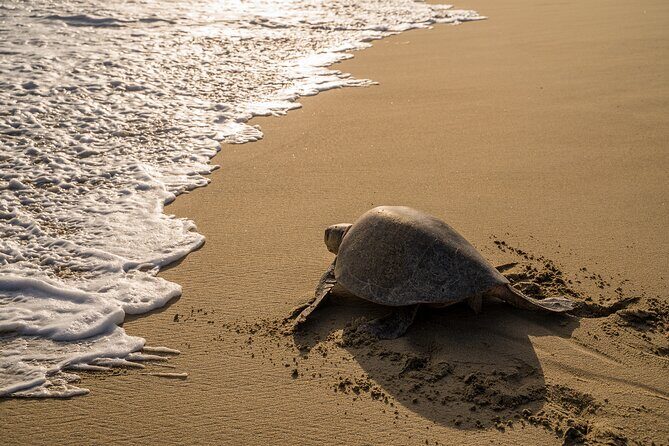
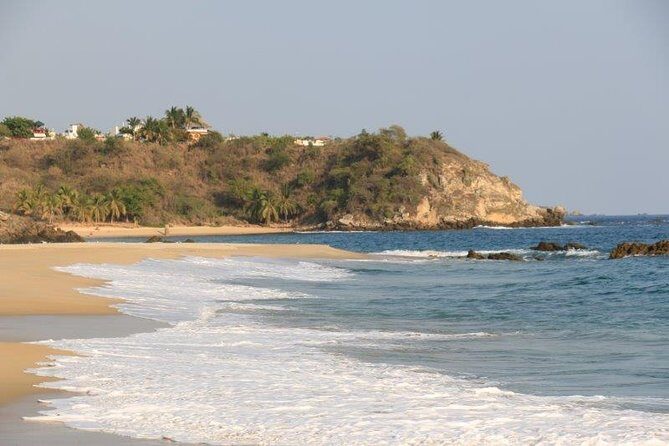
Santuario La Escobilla is widely known as El Santuario de las Tortugas, largely because it sees lots of sea turtle arrivals on Mexico’s Oaxaca coast year-round. The beach stretches about 25 kilometers, and it’s described as one of the most important turtle nesting areas in Mexico, with major global significance when you look at numbers.
What you can expect here is an eco-tourism lesson in plain language. You’ll learn what the sanctuary is doing, why this coastline matters, and how the community’s work connects to turtle survival beyond the release moment.
Practical tip: come ready for sun. There’s no way around it—this is a beach-and-coast stop, so you’ll want a hat, sunscreen, and sunglasses. Sand shoes help too, since you’ll likely be moving around in coastal terrain.
Entrance fee is separate here (MX$300 per person), and admission is not included in the base price.
Stop 2: Laguna Ventanilla mangroves, birds, iguanas, and crocodiles
At Ventanilla, the focus shifts from nesting beach to the complex nursery-style world of mangroves. Mangroves aren’t just pretty. They’re described as some of the most complex and productive ecosystems on Earth, and they support reptiles and birds that rely on this habitat.
This stop is where you’ll get the “wow, this ecosystem actually works” feeling. The mangroves support many species such as carpintero (woodpecker), martín pescador (kingfisher), pato buzo (diver duck), and lots of garzas (herons), along with crocodiles and iguanas. It’s also explained that mangroves help prevent coastal erosion and help regulate temperature and humidity—meaning the habitat stays stable for the animals that live there.
Most importantly for your day: you’ll be on the lagoon (boat-based experience). Expect wildlife viewing through mangrove channels and time spent looking out for animals and birds. Some guides also explain local conservation and how crocodiles fit into the food chain, including how they behave and establish dominance.
Entrance fee here is MX$250 per person, paid separately.



The turtle release at dusk: emotional, but keep it safe for the hatchlings
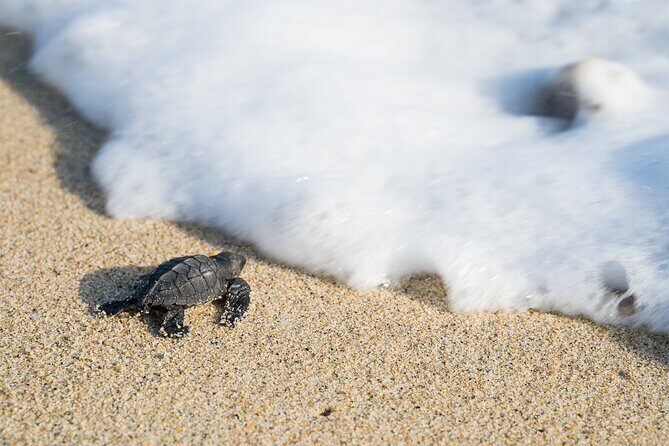
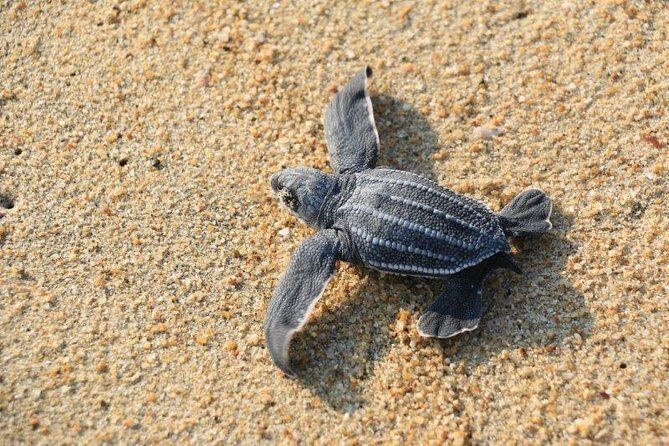
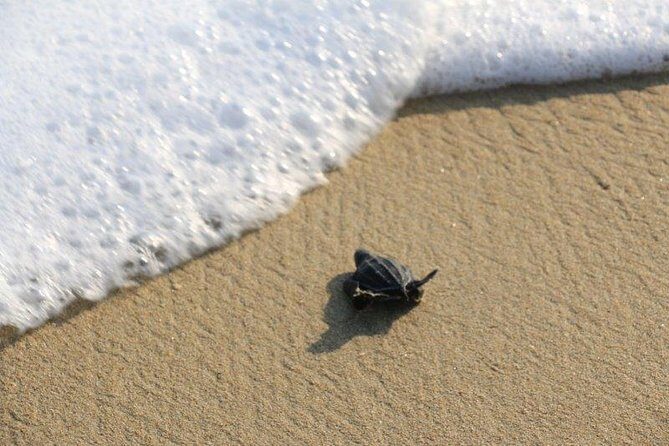
The turtle release is the emotional center of the day. The timing is built around dusk, and that’s when hatchlings move naturally toward the water. In practice, the moment can also feel unexpectedly intense because it’s hands-on and people want photos and closeness.
A realistic heads-up: you won’t always see turtles outside the main nesting window. From August to early November, turtle sightings are rare because it’s outside nesting season. The sanctuary still maintains conservation efforts year-round, but the actual release depends on wild turtle arrivals—nature sets the schedule.
If you’re taking part (or standing close to watch), do what keeps the hatchlings safest. Stay where the guide tells you. Don’t rush forward after release to grab or reposition hatchlings. In past experiences, some visitors have run out right after release to pick them up and move them closer to the water, which can create stress and even risky foot traffic near tiny turtles. For kids especially, I’d keep them back and focused on watching, not “helping” by moving animals.
One more reality check that I actually appreciate: hatchling survival is low. You’re releasing tiny turtles into a harsh world, and it’s noted that only about 3% make it to adulthood. That detail turns the moment from a cute photo into a meaningful conservation action.
Crocodiles and sunset photos: what you’re likely to remember
This isn’t just turtles. Ventanilla is built around crocodiles and lots of bird life in mangrove channels. You may see crocodiles in natural habitat and learn why the team manages the area for conservation and education.
Then you end with sunset—great light for photos, and a reason to keep your phone ready. The practical note from real participants is simple: bring your phone (for video and pictures) and have enough cash in pesos for the entrance fees.
If you want your best “memory shot,” save a little battery and keep your camera secured. The release can happen quickly once dusk arrives.
Comfort tips that make the day better (and easier on your body)
This outing is outdoors, warm, and sand-friendly only if you prepare. Here’s what helps most:
- Wear sand shoes or sturdy beach footwear. You want grip and protection.
- Use repellent and sunscreen, especially around the mangroves and the beach.
- Bring a hat and sunglasses; shade can be limited.
- Carry cash in pesos for park entrances.
- Pack a water bottle, since bottled water isn’t included.
Also think about fatigue. Even if the tour is listed as 6 to 7 hours, the day can run longer due to driving and waiting. Plan for heat, sit when you can, and don’t treat this as a “quick after-lunch thing.”
Air-conditioning on the vehicle helps a lot on the long transfer sections.
Who should book this turtle + croc day trip
Book it if you want a day that connects animals to habitat. You’ll learn why mangroves matter, see crocodiles and birds in context, and then witness a turtle release shaped by real conservation work. If you care about eco-tourism that supports local protection efforts, this has that feel built in.
It also tends to suit families and mixed groups because the day’s pacing has distinct moments: boat wildlife time, sanctuary time, then the release. One of the best aspects is that the bilingual guidance is part of the experience, not tacked on.
Skip it or choose another option if you hate long rides in warm conditions. The driving is a real factor, and the turtle moment depends on wild arrivals during your travel window. If you’re sensitive to motion or sun, plan accordingly.
Should you book Turtle Release Escobilla Sanctuary and crocs in Ventanilla?
Yes—if you’re okay with a long day and you treat the turtle release as conservation, not a theme-park performance. The combination is strong: a real turtle nesting sanctuary plus a mangrove lagoon ecosystem with crocodiles and lots of birds, wrapped up with a hands-on release at dusk.
You’ll get good value for the base price because the tour includes pickup (urban Huatulco), an air-conditioned vehicle, and a bilingual guide, and the small group size (up to 20) keeps it from feeling chaotic.
Just go in prepared: budget the entrance fees, bring cash and sun gear, and understand that the turtle release depends on what nature provides—especially from August to early November.
FAQ
Are hotel pick-ups included?
Yes. Pickup is included within the urban area of Huatulco.
What’s included in the tour price?
The tour includes an air-conditioned vehicle and a bilingual guide.
What entrance fees should I expect to pay?
Laguna Ventanilla entrance fee is MX$250 per person, and Santuario La Escobilla entrance fee is MX$300 per person.
How long is the tour?
It’s listed as 6 to 7 hours approximately, starting at 1:30 pm.
Can I participate in the turtle release?
You can participate to the extent that turtles are available. During August to early November, turtle sightings are rare because it’s outside nesting season, and releases depend on wild turtle arrivals.
What should I bring?
Bring a hat, sunscreen, repellent, sunglasses, a bottle of water, sand shoes, and cash.
What if the weather is bad?
This experience requires good weather. If it’s canceled due to poor weather, you’ll be offered a different date or a full refund.