A day of cenotes feels better when locals run it. This Tulum-area bike tour pairs three swims with the people who grew up around them, plus real conservation talk tied to the Bejil-Ha project. I love the small-group local vibe and the chance to move between cenotes at an easy biking pace, not in a big bus shuffle. One thing to consider: you need to feel comfortable riding a bike and getting in the water, since this isn’t a purely seated sightseeing tour.
In This Review
- Key Things You’ll Care About
- Why This Tour Works: Chemuyil, Locals, and Not a Scripted Show
- Bejil-Ha and Cenote Protection: The Mission Behind the Swims
- The Ride Setup: Urban Bike, Snorkel Gear, and What You Actually Bring
- Cenote Stop 1: The Cave-Style Cenote with Jungle Views
- Cenote Stop 2: Semi-Open Water and Sunlight Tricks
- Cenote Stop 3: The Open Cenote Jump Finale
- How Photos Work: Underwater Shots, Quick Resets, and Real Value
- Food Plans: Fruits Included, Homemade Lunch Optional
- Price and Value: Why $49 Can Make Sense
- Who This Tour Suits Best (and Who Should Skip It)
- A Quick Reality Check on Getting There and Staying Ready
- Should You Book This Hidden Cenotes Bike Tour?
- FAQ
- Where does the tour start?
- How long is the Hidden Cenotes bike tour?
- How many cenotes do you visit?
- What’s included in the tour price?
- Are underwater photos included?
- Do you provide snorkel gear and lifejackets?
- What should I bring?
- Is sunscreen or insect repellent allowed?
Key Things You’ll Care About
- Locals guide the whole day: born-and-raised in the community, sharing stories as you swim.
- Bejil-Ha conservation focus: learn why the cenotes were rescued, cleaned, and protected.
- Three different cenotes: cave-style, semi-open light-and-water, and an open cenote jump finale.
- Easy riding with short transfers: total biking time is about 20–25 minutes, with 5–10 minute gaps between sites.
- Photos are optional but a big deal: regular and underwater shots are taken during the tour.
Why This Tour Works: Chemuyil, Locals, and Not a Scripted Show
Most Tulum cenote days feel like a checklist: drive, pose, swim, repeat. This one starts in the community of Chemuyil (close to Tulum City) and stays grounded in local life. You’ll meet your group and get set up right in the neighborhood, so the day starts with context, not just logistics.
I like that the guides aren’t reading a generic script. The tour is led by community locals who were born and raised there, and they explain what these places mean to them—how the cenotes fit into daily pride, daily care, and daily survival of the jungle environment. That storytelling isn’t just sweet; it changes how you experience each cenote, because you’re listening while you’re in the water, not afterward on a video recap.
The second thing I like is the pacing. You’re not doing huge hikes, and the tour keeps bike time short—about 20–25 minutes total. Between cenotes, the transfers are quick (about 5–10 minutes), so you spend more time actually being in the cenotes and less time waiting around.
A drawback to plan for: if you’re not confident on a bike, this may feel stressful even if the physical effort is described as minimal. And if you’re not comfortable with water activities (plus rules like no sunscreen), you’ll want to think it through before booking.
You can also read our reviews of more tours and experiences in Ciudad Chemuyil.
Bejil-Ha and Cenote Protection: The Mission Behind the Swims
The story you’ll hear centers on a local effort called Bejil-Ha. The goal, according to the tour info, is to rescue and protect cenotes that were in critical condition because of mistreatment. The project started over eight years ago with a simple idea: if the community cleaned and protected the cenotes, they could preserve them for the future.
Why this matters for you: cenotes aren’t just pretty swimming holes. They’re fragile ecosystems, and the “rules” you follow during the day (like no sunscreen and no insect repellent) connect directly to that protection goal. When you understand the mission, the experience feels less like taking and more like participating.
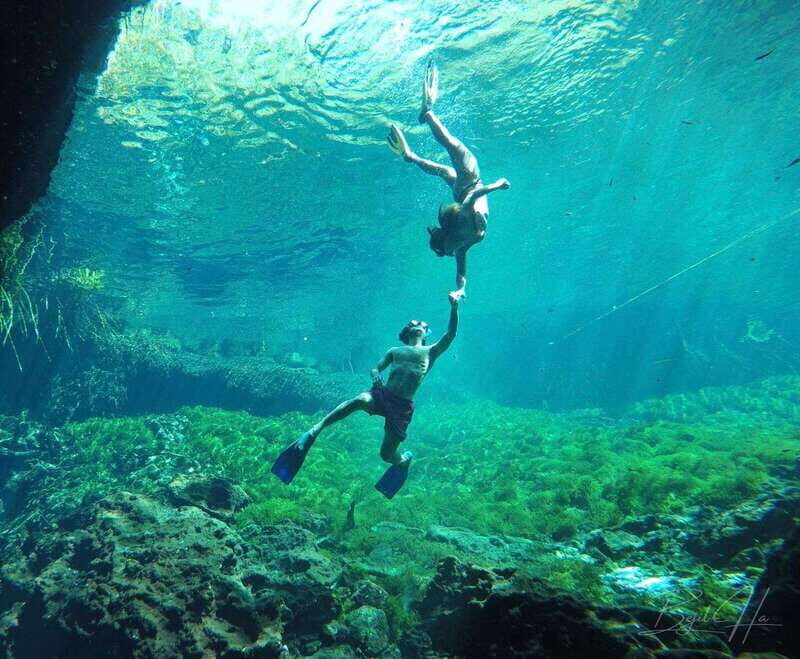
You’ll also learn about how the area was cleaned and preserved—then you get to see the results firsthand by swimming in three different cenotes. That’s a rare pattern: conservation talk followed by conservation behavior, not conservation talk followed by shopping.
One practical note: the tour info also states certain limits like no intoxication, no alcohol/drugs, and no nudity. Those aren’t random; they fit the protection and safety logic the guides are teaching.
The Ride Setup: Urban Bike, Snorkel Gear, and What You Actually Bring
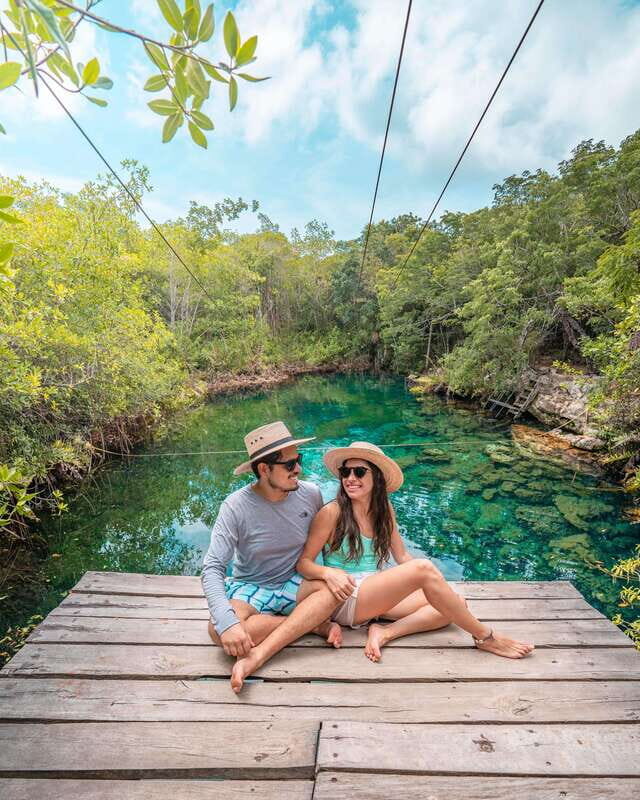
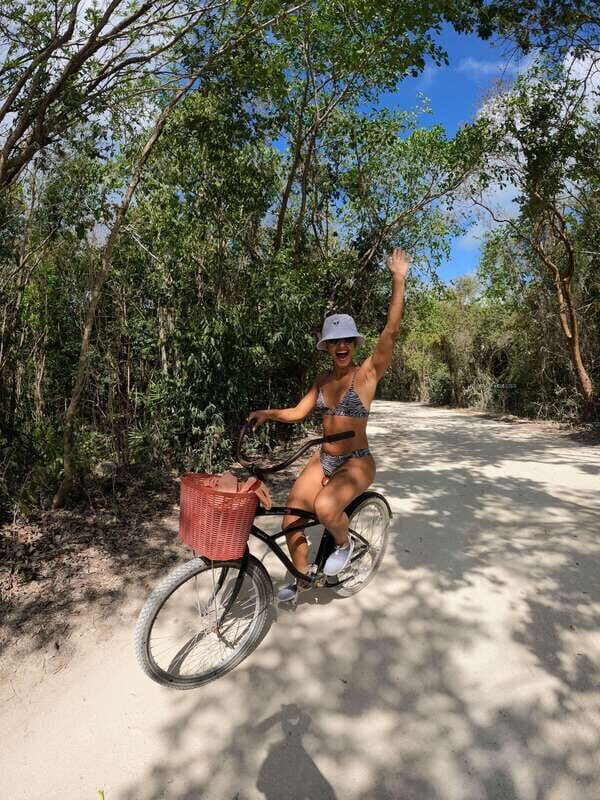
You’ll ride an urban-type bicycle between stops. Even though it’s not a road-bike race, you still want practical comfort because you’ll be moving on uneven jungle-adjacent paths. The total biking is short enough that this can work for many people, but it’s not “walk-on, sit-down” easy.
You’ll get snorkel equipment for the water time, plus a lifejacket that’s marked as optional. I like that the tour doesn’t pretend you’re all the same in the water. Some swimmers prefer using the jacket; others feel fine without it. If you’re a confident swimmer, check with your guide about what feels safe for you that day.
Included along the way is fruits and drinking water, which helps because cenotes can be tiring without you realizing it. You’ll also want your own basics ready:
- comfortable shoes (you’ll likely want something you can get wet-ish if needed)
- water shoes (helpful for slippery rock entries)
- towel, change of clothes
- sunglasses and a hat
- sandals for between swims
And yes—this tour is strict about environment-friendly behavior. Sunscreen and insect repellent aren’t allowed, so plan clothing coverage and bug protection in ways that don’t involve those products.
Cenote Stop 1: The Cave-Style Cenote with Jungle Views
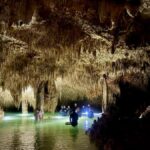
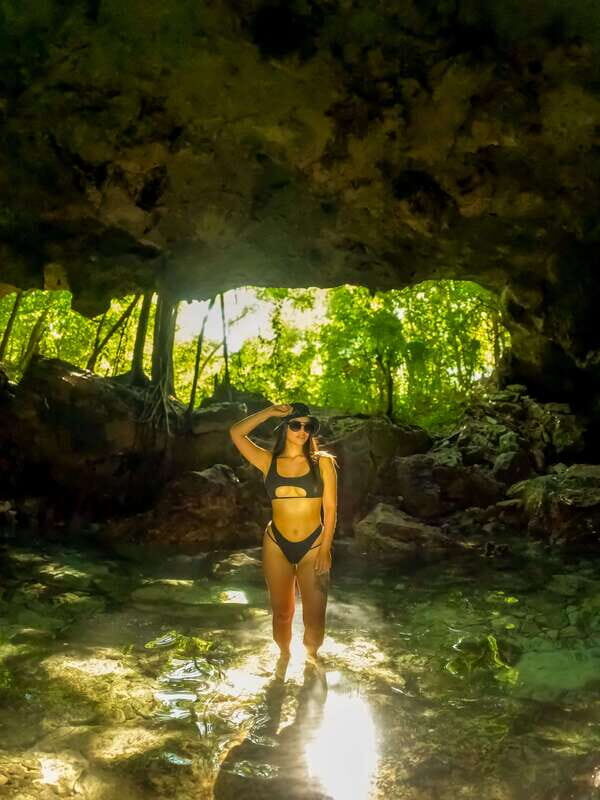
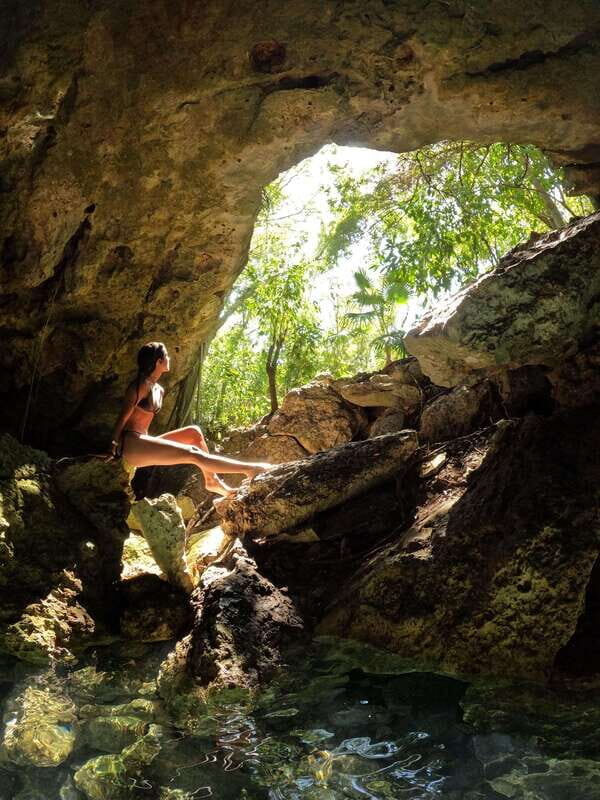
The day is built around three cenotes, each with a different “mood.” Stop one is described as a place where you explore a cave-style section with an unreal feel, including views facing the jungle.
What that means for your day: you’ll get the sense that you’re swimming inside the earth, not just around it. Cave-style cenotes often change the sound and the light, so even if you’re not doing technical cave work, the setting can feel dramatically different from an open-water swimming spot.
This is also where I find the tour’s local guidance matters most. The guides can help you read the water and timing, and they’ll explain what’s important to notice in the environment. You’re not just there to check a photo box—you’re learning how the cenote works and why people protect it.
One practical consideration: since this is a cave-style area, you’ll want to focus on steady breathing and controlled swimming. The snorkel equipment helps, but you still need calm movement to avoid kicking up trouble in the water.
Cenote Stop 2: Semi-Open Water and Sunlight Tricks
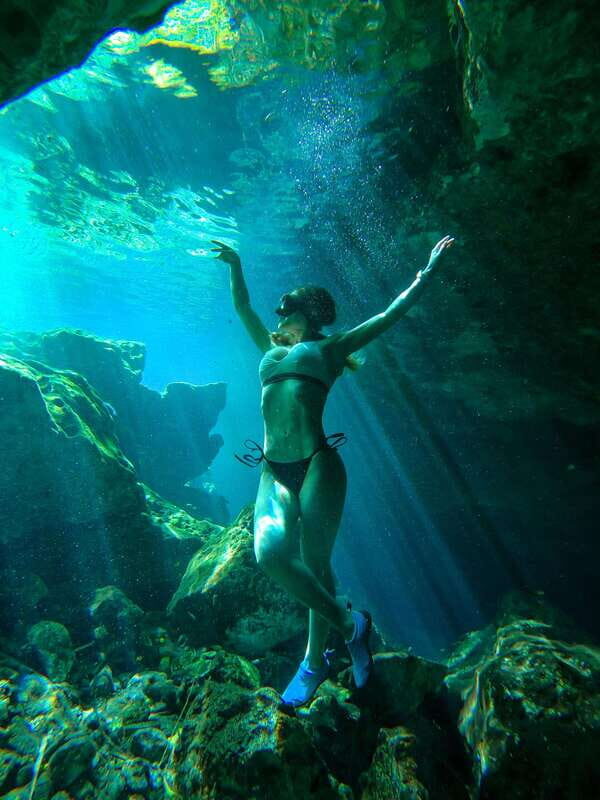
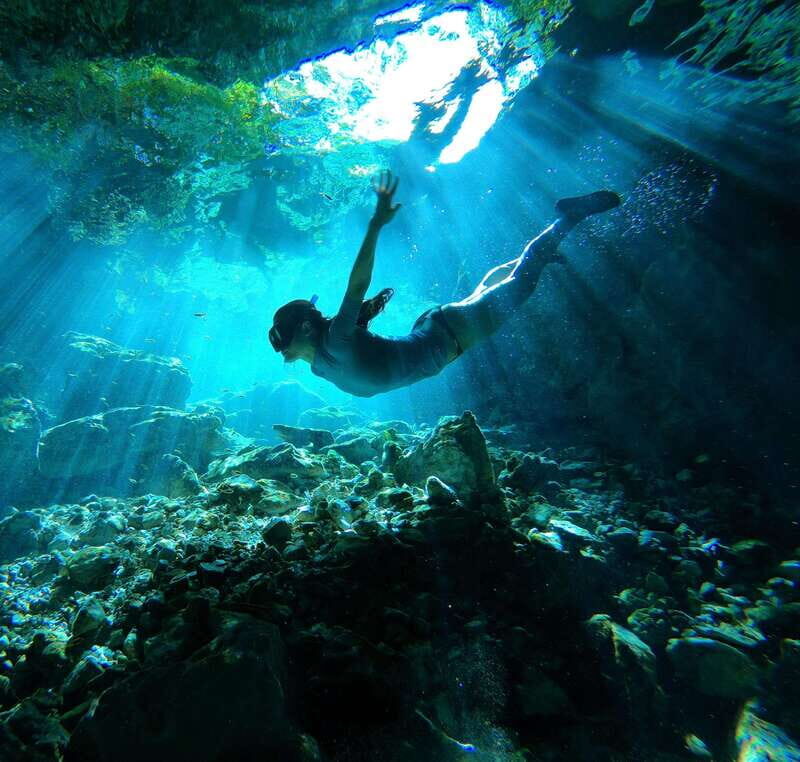
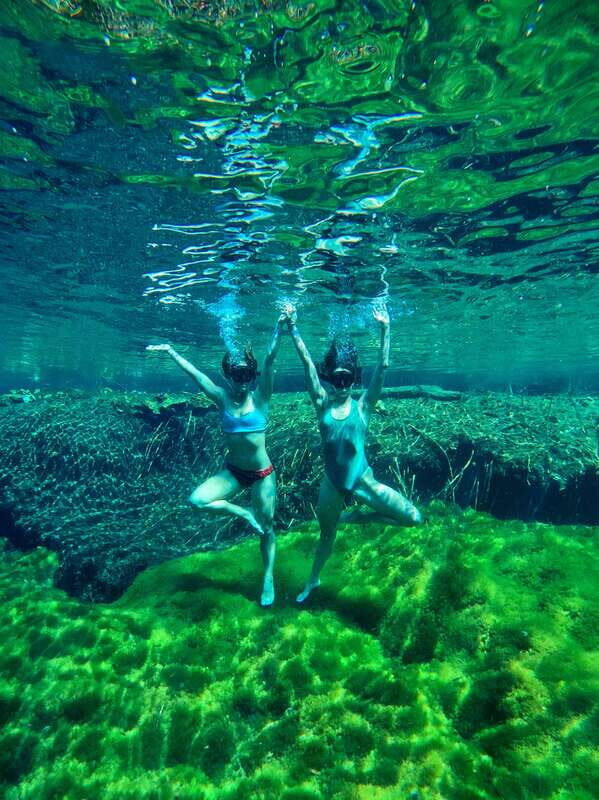
Stop two shifts from “cave feeling” into a semi-open cenote where the sunlight hits the water in a way you can actually see. The tour description highlights the scenery and the light effects.
This is the cenote that tends to feel most photogenic on a basic level—light patterns make even a simple swim look special. Underwater photos are a big part of the tour format too, and that’s where having someone taking regular and underwater shots during your visit becomes useful. You’ll spend less time doing awkward camera choreography and more time actually enjoying the water.
If you’re planning to snorkel comfortably, this stop is a strong one. The semi-open layout often makes it easier to get your bearings compared to more fully enclosed areas. You’ll still want water shoes for entries and a towel ready for the quick reset between swims.
Cenote Stop 3: The Open Cenote Jump Finale
The final stop is billed as the cherry on top: an open cenote with a rush of adrenaline from jumping and plunging directly into the water.
This is where your comfort level matters. Even if the tour calls the overall physical effort minimal, the jump part is optional in spirit but it’s still the emotional highlight. If you don’t want to jump, you can still enjoy the water and the setting, but you should be honest with yourself about what you’re ready for.
I like that the tour ends with this bigger moment. After two cenotes that focus on cave and light, the open space gives you contrast. It’s also a good “reward” stop: you finish the day doing something memorable instead of just leaving another swim behind.
And if you’re doing the tour for photos and videos, this is exactly the type of moment a guide tends to capture well—because motion is motion, and underwater timing is timing.
How Photos Work: Underwater Shots, Quick Resets, and Real Value
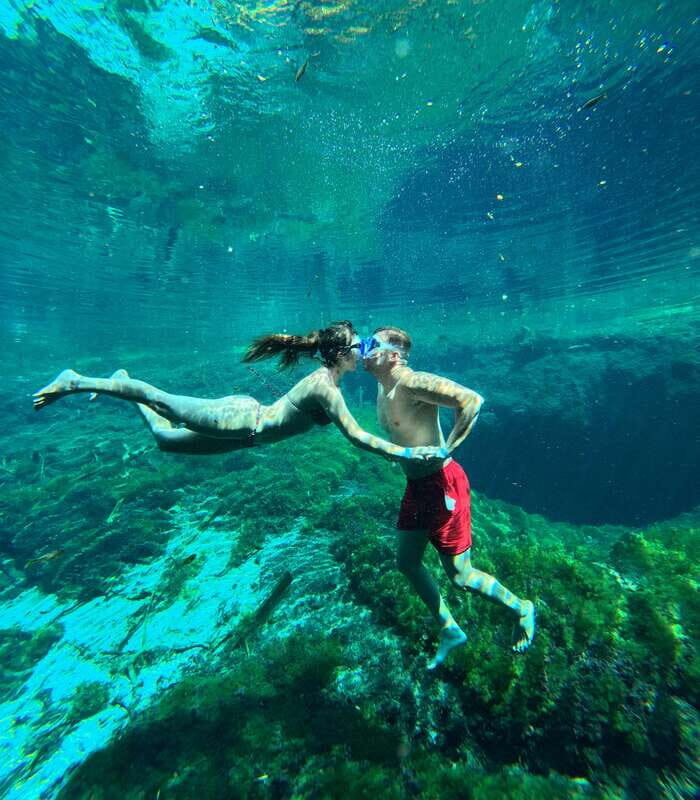
One of the most consistent praises in the experience is the photos and videos. The tour takes regular and underwater photos during the activity. There’s an optional underwater photos package with additional cost, and the cost may vary depending on group size.
Here’s the value question you should ask yourself: do you want reminders that feel like action, not like static snapshots? If you’re even a little excited about having your snorkeling and jump moments recorded, this package can be worth considering, especially since the guide is doing it as part of the experience rather than sending you on a separate hunt for images.
Also, these aren’t only for bragging. Underwater shots can help you remember how clear (or how unique) each cenote looked in motion. Plus, if you don’t want to manage a camera in the water, letting the guide handle it reduces stress.
Food Plans: Fruits Included, Homemade Lunch Optional
Food on this tour is straightforward. You get fruits & drinking water as part of the included experience. Local food is optional, and it’s described as homemade by people from the community, with an additional cost.
I think this setup is smart. Fruits keep energy up during the swims without dragging the schedule. If you want a more full “local day” feel, the optional homemade meal lets you slow down after water time and spend a bit more time with the community flavor.
If you’re hungry and you tend to under-eat while traveling, consider budgeting for the optional food. If you’re the type who prefers to keep the day light, stick with the included fruits and plan your next meal on your own later.
Price and Value: Why $49 Can Make Sense
The price is $49 per person, and for a 4-hour tour with a local guide, three cenote swims, snorkel equipment, a bike, and included drinks and fruits, that can be solid value—especially in a region where cenote access and guided time can add up.
What makes it feel fair is that your money is buying more than “access.” You’re paying for:
- a local-led experience (story + context)
- equipment for snorkeling
- short transfers that keep you in the cenotes longer
- photos taken during the swims (optional but built in)
The optional items are also clearly marked: the underwater photo package costs extra, and local food costs extra. If you’re someone who always buys photos at tours, this might actually help you justify the overall cost sooner, not later.
One value note: the group is limited to 10 participants. Small-group tours are often where you get better attention and safer transitions between water steps. It’s not a luxury guarantee, but it usually helps.
Who This Tour Suits Best (and Who Should Skip It)
This is a great fit if you:
- can ride a bike comfortably
- like nature and want the experience shaped by locals, not a fixed script
- enjoy snorkeling and comfortable swimming in fresh-water settings
- want a short, well-paced day (4 hours)
In terms of who it’s not suitable for, the tour clearly lists limits. It’s not suitable for:
- children under 7
- pregnant women
- people who can’t ride a bike
- people with recent surgeries
- people over 55
Even if the description mentions minimal physical wear overall, these “not suitable” categories are your red lines. The bike element and water activity are real, and health and mobility needs matter.
A Quick Reality Check on Getting There and Staying Ready
The tour is given in English and Spanish, and that language part is actually part of the experience—so you’ll get more out of the day if you’re at least comfortable following along or using simple questions.
The tour happens in Chemuyil near Tulum City, so make sure your transport plan gets you there without stress. If you’re staying in central Tulum, you may need a short ride before the adventure starts, and the company offers shared transportation service coming from Tulum for an additional affordable cost. If you prefer to go on your own, check your distance and route before the day.
Finally, expect a day with rules meant to protect the water. Don’t plan to bring sunscreen or repellent. And do plan to bring a towel and change of clothes so you’re not stuck in wet swim gear once the cenote time ends.
Should You Book This Hidden Cenotes Bike Tour?
Book it if you want a cenote day that’s built around community storytelling, short bike transfers, and three distinct swimming environments. The $49 price can feel like a good deal when you factor in gear, guides, included refreshments, and the fact that photos are taken during the day.
Skip it (or at least rethink it) if biking or water entry makes you anxious, or if you fall into the tour’s not-suitable categories like pregnancy, recent surgery, or mobility limits. Also consider the optional photo package: if you don’t care about photos at all, you may want to mentally separate the base tour value from add-ons.
If you’re the type who likes “how locals do it,” this tour is the kind that turns a cenote swim into a full, human experience—one you’ll remember for more than just the water.
FAQ
Where does the tour start?
The experience begins in the community of Chemuyil, close to Tulum City.
How long is the Hidden Cenotes bike tour?
The tour lasts about 4 hours.
How many cenotes do you visit?
The standard package includes 3 cenotes from the community.
What’s included in the tour price?
It includes a local guide, an urban type bicycle, snorkel equipment, optional lifejacket, fruits and drinking water, and access to the cenotes.
Are underwater photos included?
Photos and videos are taken during the tour, but the underwater photo package is optional and costs extra.
Do you provide snorkel gear and lifejackets?
Yes. Snorkel equipment is included, and a lifejacket is optional.
What should I bring?
Bring comfortable shoes, sunglasses, a hat, change of clothes, a towel, sandals, and water shoes.
Is sunscreen or insect repellent allowed?
No. Sunscreen and insect repellent are not allowed on this tour.